We design, train, and deploy custom generative AI systems, from fine-tuned LLMs and RAG pipelines to multimodal content generation, engineered for production reliability, not demo-day novelty.
Trusted by conglomerates, enterprises and startups alike
Quick answer: generative AI development means building or adapting a model that produces new text, images, or audio, grounded in your own data rather than generic training data. We own the full lifecycle, from model selection and fine-tuning to production deployment and ongoing retraining, so you get one accountable team, not a hand-off between research and engineering. Our engineers work with clients across United States, United Kingdom, Australia, United Arab Emirates, Canada, and India, including AI development services in Texas and AI development company in Dubai, adapting to whichever foundation model or architecture fits your data best.
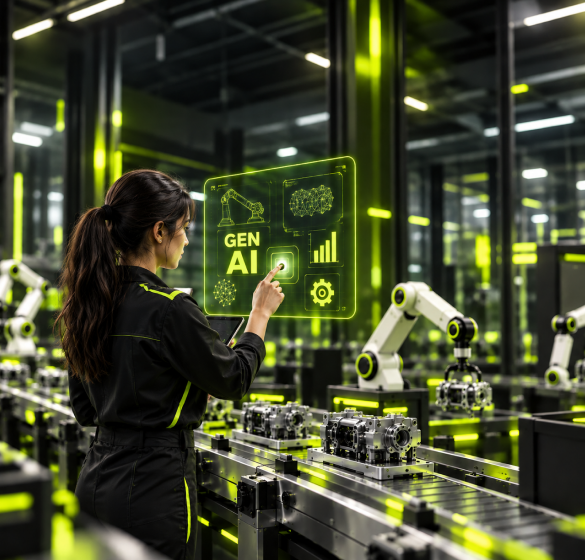
Purpose-built generative models trained from the ground up on your proprietary data when off-the-shelf models fall short.
LoRA, QLoRA, and RLHF fine-tuning of GPT, Claude, Llama, and Gemini on your domain data, for accuracy off-the-shelf models can't match.
Generative AI embedded directly into your existing apps, CRMs, and workflows through our AI integration services, not shipped as a bolt-on chatbot widget.
Ongoing model retraining, prompt optimisation, and infrastructure tuning that keeps generative systems accurate as your data evolves.
Scalable RAG pipelines, vector databases, and inference infrastructure built by our RAG development services team, engineered for production load, not demo traffic.
From diffusion-based avatar generation to enterprise LLM routing and sound synthesis.

Turns a handful of selfies into professional-quality portraits and avatars across thousands of styles, built for consumer scale.
An AI-powered keyboard that generates on-the-fly copy and surfaces a creator's saved content library from inside any app.

A conversational AI assistant designed to help people enjoy life, learn, and grow through natural everyday conversation.
Recognised by the best
End-to-end generative model development, from architecture selection and training data curation through to evaluation and production hardening.
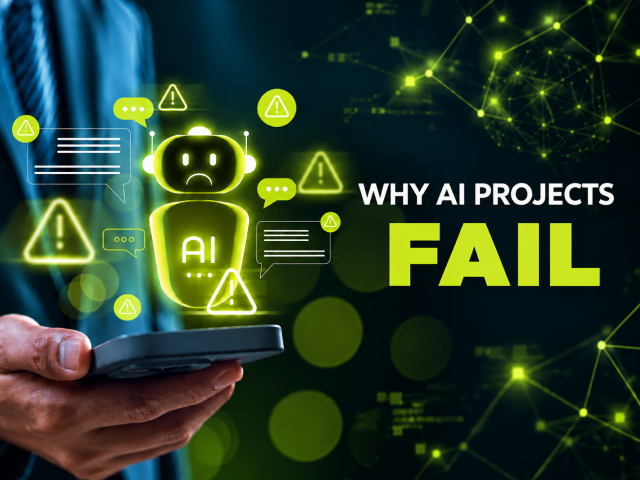
We start every generative AI engagement with a rigorous data readiness assessment, so your project lands among the ones that succeed.
Hear directly from founders whose applications are powered by Apptechies engineering.
“They cleared all my doubts and turned my idea into a powerful app.”
Founder, PlayHuman
“Flawless execution, smooth communication, and on-time delivery.”
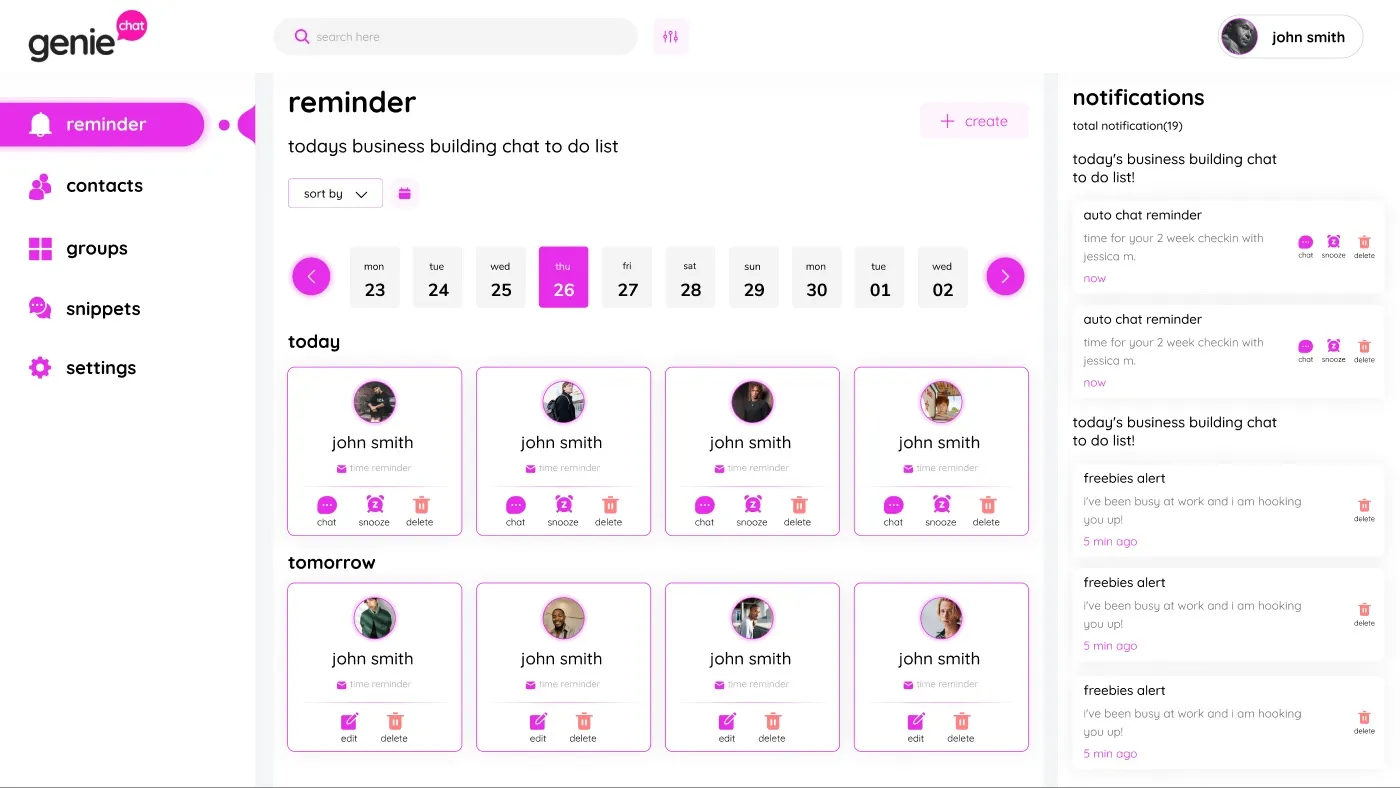
Owner, GenieChat
Model-agnostic by design, we select the right generative model for each use case based on quality, latency, and cost.
OpenAI's flagship models for advanced text, reasoning, and image generation at production scale.
High-fidelity text-to-image generation for product visuals, marketing assets, and creative workflows.
State-of-the-art speech-to-text transcription powering voice-driven generative applications.
Premium artistic image generation for brand and creative-led generative AI experiences.
Google's multimodal model for long-context reasoning across text, image, and video inputs.
Open-weight image generation offering full control and on-premise deployment flexibility.
An AI photography platform that turns a few selfies into professional-quality portraits and avatars across thousands of styles, on native iOS and Android.
Our engineers hold hands-on experience training, fine-tuning, and deploying generative models in production, not just calling third-party APIs.
“Apptechies has been a reliable engineering partner on our link-management platform, working across web, iOS, and Android with a level of scalability and reliability that’s simply phenomenal. They are world-class engineers.”
“The AI-powered fitness platform Apptechies developed integrates personalized workout plans, nutrition tracking, and real-time progress monitoring in one beautiful app. Their technical execution has been exceptional.”
“The MSK performance platform Apptechies built has changed how our clinicians track patient outcomes. The data-driven insights have significantly improved rehabilitation decisions, and the team understood our clinical domain deeply from day one.”
We identify and assemble the training, fine-tuning, or grounding data your generative system needs to perform accurately in your domain.
Cleaning, labelling, and structuring data into training-ready datasets with rigorous quality and bias checks before any model touches it.
Training or fine-tuning the selected model architecture using LoRA, QLoRA, or RLHF techniques suited to your accuracy and cost requirements.
Rigorous evaluation against accuracy, safety, and bias benchmarks before any generative output reaches a real user.
Production rollout with scalable serving infrastructure, load balancing, and cost-optimised inference from day one.
Continuous drift detection and retraining pipelines that keep generative output accurate as real-world usage patterns shift.
Tools & Platforms We Work With


Discover our full spectrum of specialized AI service lines — from foundational strategy and custom model training to intelligent autonomous agents.
Common questions about working with our generative AI engineering team. Can't find yours? Ask us directly.
Generative AI development centres on data curation, model selection, fine-tuning, and continuous evaluation, rather than deterministic logic written line by line. We combine both disciplines, wrapping generative models in the same production engineering rigour (testing, monitoring, deployment pipelines) as any enterprise system.
It typically covers model selection or fine-tuning, RAG pipeline or vector database setup where the system needs to reference your own data, integration into your existing apps or workflows, evaluation and safety testing, and production deployment with ongoing monitoring. Most clients start at whichever stage matches where they already are, rather than needing the full path.
The main cost drivers are whether you need a fine-tuned model or a fully custom one, how much proprietary data needs preparing before training, how many systems the output needs to integrate with, and whether you need ongoing retraining after launch. We size each engagement after a discovery call rather than quoting a number blind, since these variables change the build meaningfully.
Timeline depends on scope. A focused fine-tuning or RAG integration project typically takes 6-10 weeks. A custom model built from proprietary data through to production deployment usually takes longer, since data preparation and evaluation take real time to get right.
Yes. We regularly fine-tune foundation models such as GPT-4o, Claude, and Llama on proprietary datasets using LoRA and QLoRA, giving you domain-specific accuracy without the cost of training a model from scratch.
It comes down to what your data looks like and how the answer needs to be produced. If your knowledge base changes often and answers need to cite it accurately, retrieval-augmented generation (RAG) usually wins. If you need a model that consistently reasons in your domain's own style or terminology, fine-tuning a base model tends to fit better. A fully custom model is reserved for cases where neither of those handles the problem, since it's the most expensive path.
We ground generative output in verified data through RAG architecture, apply confidence thresholds with human-review escalation for lower-confidence responses, and run adversarial evaluation before launch to surface hallucination risks early.
Yes. Our AI integration services team builds API-first integration layers that connect generative systems directly to your CRM, CMS, or internal tools, so generated content and insights flow into the systems your team already uses.
An existing tool is usually the faster, cheaper route when your use case is generic and a vendor's off-the-shelf model already fits your data. Custom development earns its cost once you need the system to reason over proprietary data, match a specific workflow, or hit a level of control packaged products don't offer. We'll tell you honestly if an existing product already solves your problem.
Ask what they have actually shipped into production, not just demoed. A team that can walk you through how they handle hallucination risk, data security, and post-launch monitoring in plain language is a better sign than one leading with buzzwords. Look for people who have trained or fine-tuned real models, not only called third-party APIs.
We start with data gathering, then data preparation and cleaning, then model training or fine-tuning, then testing against accuracy and safety benchmarks, then production deployment with scalable serving infrastructure, and finally ongoing monitoring and retraining as usage evolves. Each stage produces something concrete you review before the next one starts.
We design every generative system with data provenance tracking, output audit trails, and human-oversight controls where required, and build in the access-control and data-handling practices relevant to your industry from the start rather than as a later compliance pass. Where formal frameworks apply, our compliance services can assess specific regulatory requirements alongside the build.
Absolutely. Full IP assignment is standard on every engagement. You own the code, fine-tuned model weights, training data pipelines, and all associated documentation outright once the engagement is complete.
Yes. If you would rather embed engineers into your own team than commission a fixed-scope build, you can hire dedicated AI developers who work under your direction on your existing roadmap and stack.
Generative systems drift as usage patterns and underlying data change, so we offer structured monitoring and retraining retainers to keep output accurate after launch. Many clients continue with us for ongoing maintenance rather than handing support to a separate team.
We work with clients across United States, United Kingdom, Australia, United Arab Emirates, Canada, and India, from early-stage startups through enterprise teams. Engagement scope and technology choices are shaped by the project itself, not by where you are based.
Book a free consultation with our senior generative AI engineers.