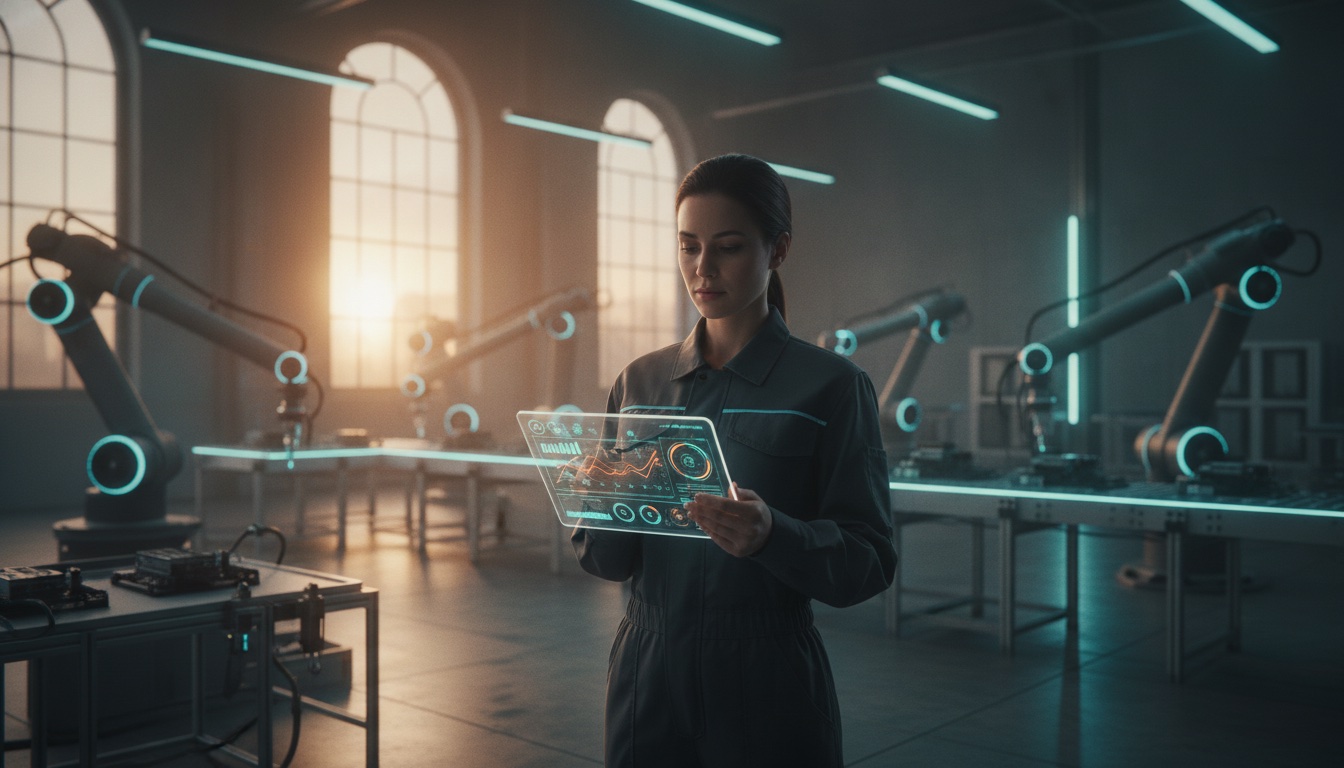
We build MES, predictive maintenance, and quality-control software that turns plant-floor sensor data into real-time OEE visibility — engineered for the line, not a pilot demo that falls apart at production speed.
Real-time work-in-progress tracking and bottleneck prevention.
OPC-UA and MQTT edge sensor streaming with sub-second latency.
Machine vision defect detection and automated scrap reduction.
Manufacturing software development is the engineering of the systems that run a plant floor — Manufacturing Execution Systems (MES) for production tracking, predictive maintenance platforms fed by IoT sensor data, computer-vision quality control, digital twins for simulating line changes, and the ERP integrations that keep all of it in sync with the rest of the business. Done well, it replaces spreadsheets and end-of-shift reports with real-time visibility into every line, machine, and batch.
A focused MES pilot typically ships in 12–16 weeks
Predictive maintenance can flag failures weeks before they happen
OEE = Availability × Performance × Quality
We build against OPC-UA, Modbus, and MQTT industrial protocols
From a single predictive-maintenance dashboard to a full multi-plant MES suite, we scope and build the exact modules your operation needs.
Production tracking, work orders, and line-level visibility built around how your plant actually runs, not a generic ERP module bolted on top.
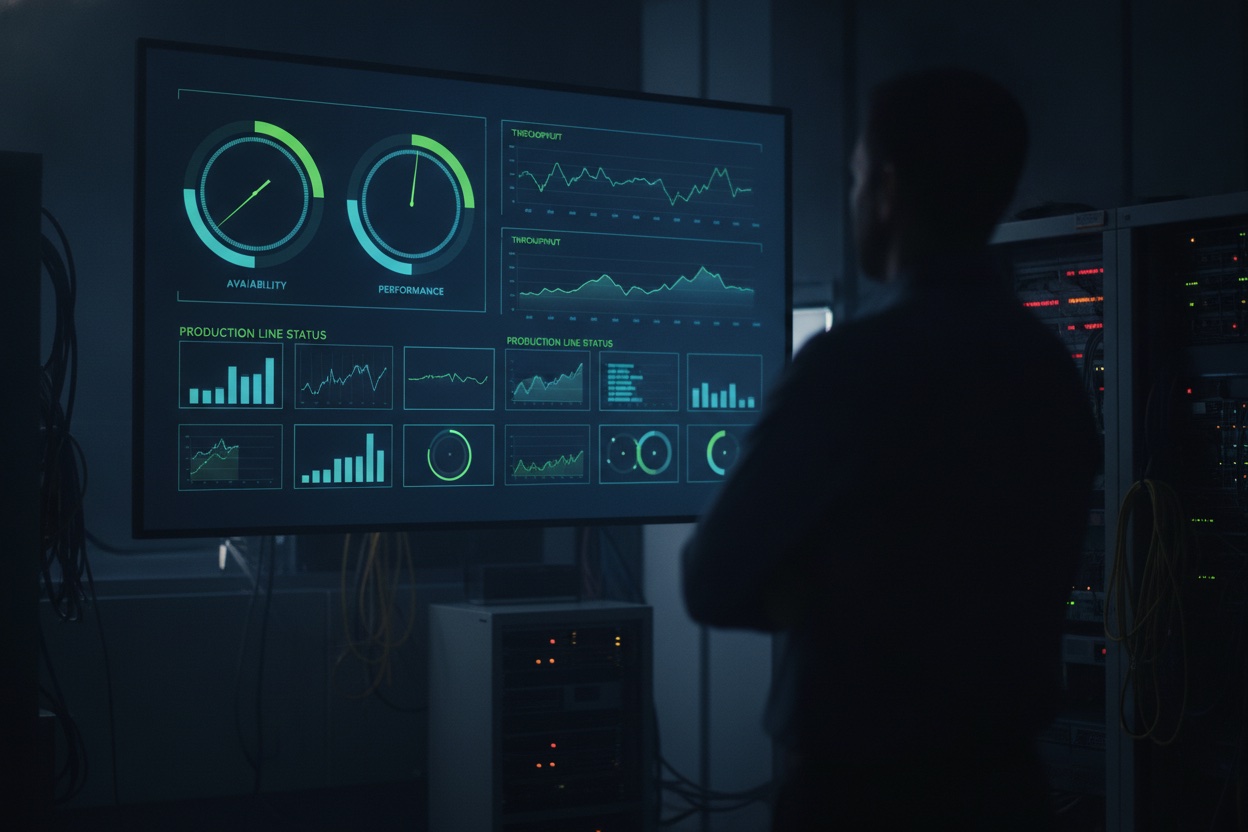
OEE only matters if it reaches the right person fast enough to act on it. We build the pipeline from sensor to screen so nothing waits for a shift-change report.
Availability, Performance & Quality broken out live, not bundled into one confusing number
Downtime and micro-stoppage root-cause capture, tagged at the moment it happens
Multi-plant benchmarking dashboards leadership can actually read at a glance
Alerts routed to the operator or engineer who owns the line, not a generic inbox
A predictive maintenance model is only as good as the sensor data feeding it — this is how we get that data off the floor reliably.
We build against the protocols your PLCs and CNC machines already speak, no proprietary gateway lock-in.
Machines with no native connectivity get an edge sensor and gateway instead of a forced hardware upgrade.
Sensor data streams in at the rate your process needs, not on a five-minute polling cycle.
Encrypted, access-controlled data paths from the sensor to wherever you run analytics — on-prem or cloud.
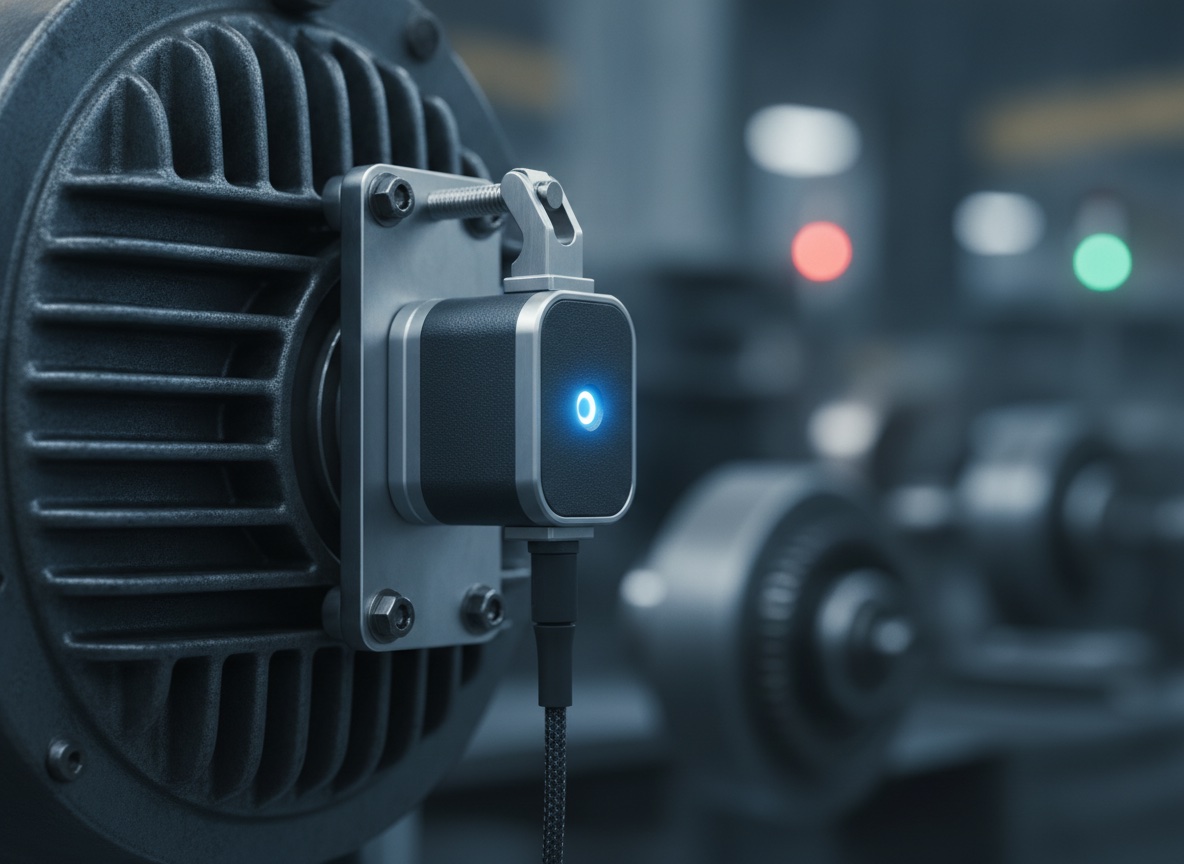
Manufacturing software spans hardware, connectivity, and software in a way most industries don't — here's where our engineering depth actually lives.
Vibration, thermal, and pressure sensor pipelines that keep reporting through a noisy plant-floor network.
Virtual line models accurate enough to trust with a real reconfiguration decision.
Optical defect detection tuned to run at conveyor speed, not a lab demo pace.
SAP, Oracle, and Dynamics connected cleanly, without brittle middleware hacks.
Workloads split between edge processing and cloud analytics based on latency, not habit.
Every sensor reading, work order, and quality check unified into one queryable data layer.
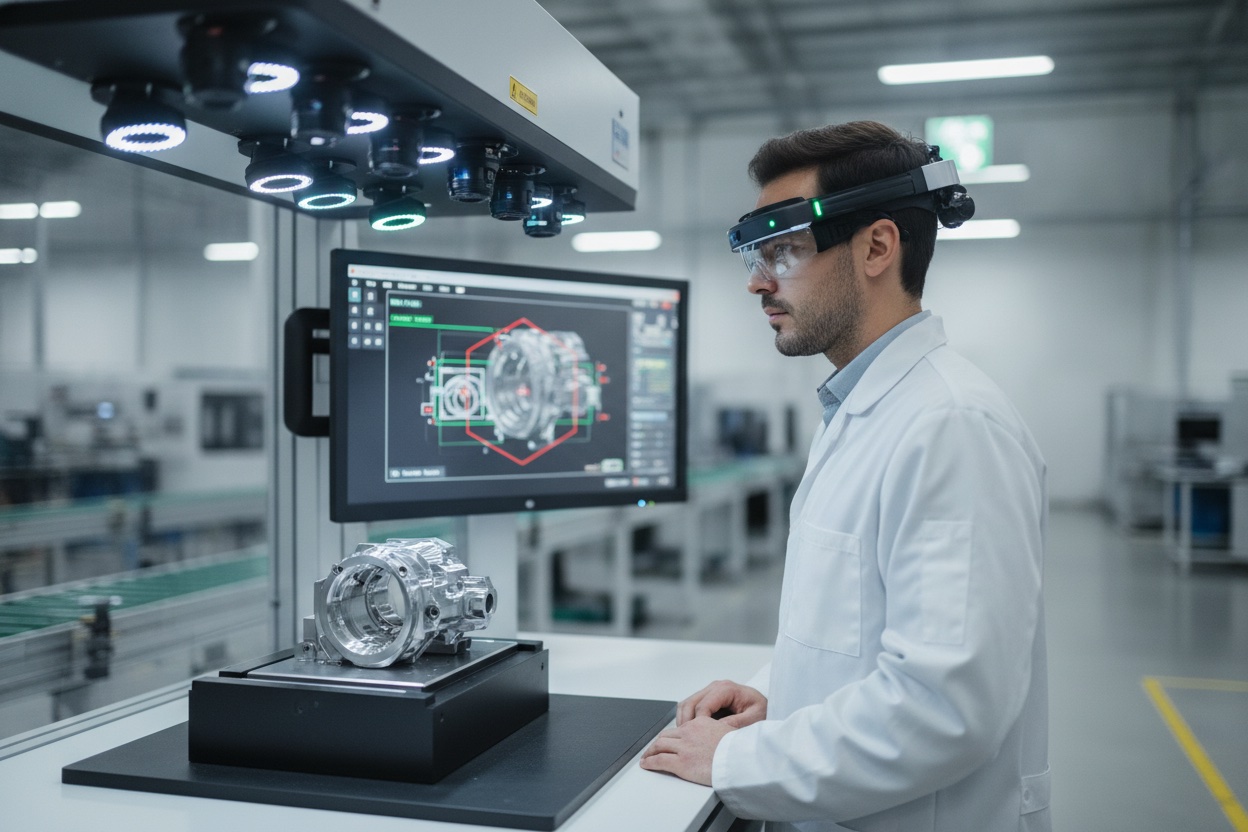
Computer-vision inspection engineered to run at your actual conveyor speed — flagging defects in real time instead of forcing a slower QA pace to catch them.
We haven't shipped a public manufacturing case study yet — but the real-time tracking, high-scale infrastructure, and monitoring-dashboard architecture behind these platforms is exactly what a plant-floor system needs.
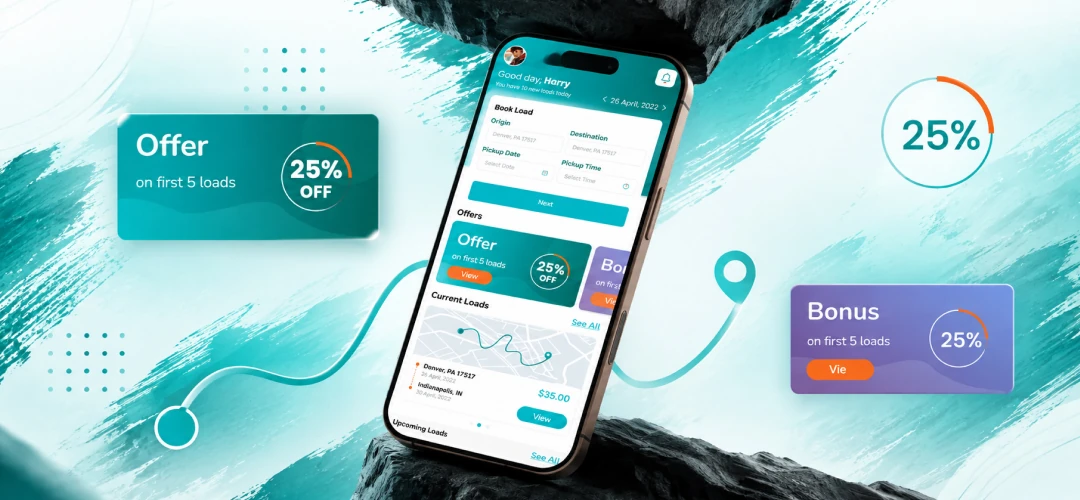
A logistics marketplace connecting shippers and businesses with reliable, secure cargo carriers — real-time booking, tracking, and carrier discovery.
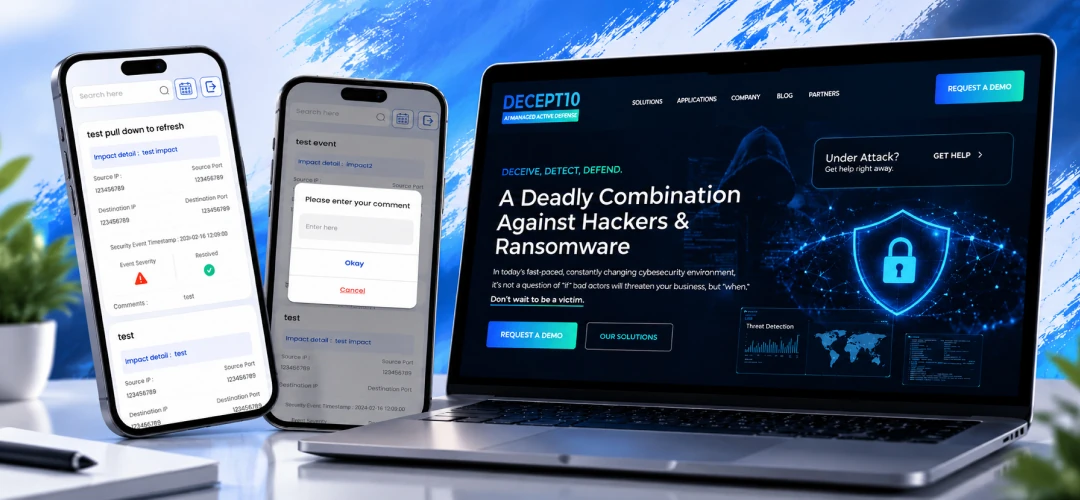
A SOC analyst dashboard for cyber security protection through deception — real-time alert triage, customer and analyst management, and role-based incident workflows.
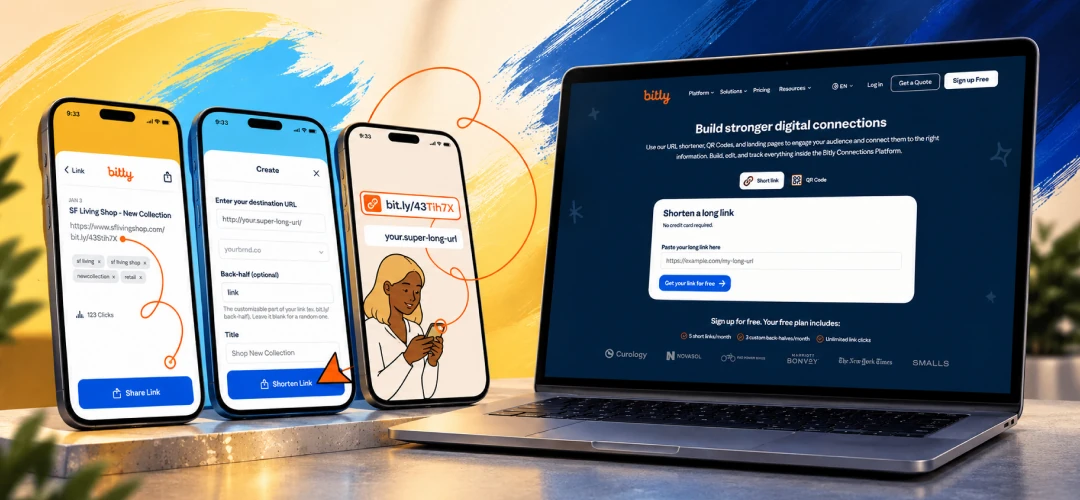
Engineering support for the widely used link-management platform — branded short links, QR code generation, and click analytics used by marketers and enterprises worldwide.
“Movesy has completely transformed the moving and delivery industry thanks to Apptechies. The GPS tracking, dynamic pricing, and route optimisation they built has made our operations incredibly efficient.”
A digital twin or predictive-maintenance model is only as good as the data pipeline underneath it. This is the stack we build that pipeline on.
Vibration, thermal, and pressure sensor networks reporting reliably from the plant floor.
Optical defect detection models trained on your own product line, not a stock dataset.
SAP, Oracle, and Dynamics connected cleanly to whatever you build on top of them.
Workloads placed where latency and cost actually make sense — not by default.
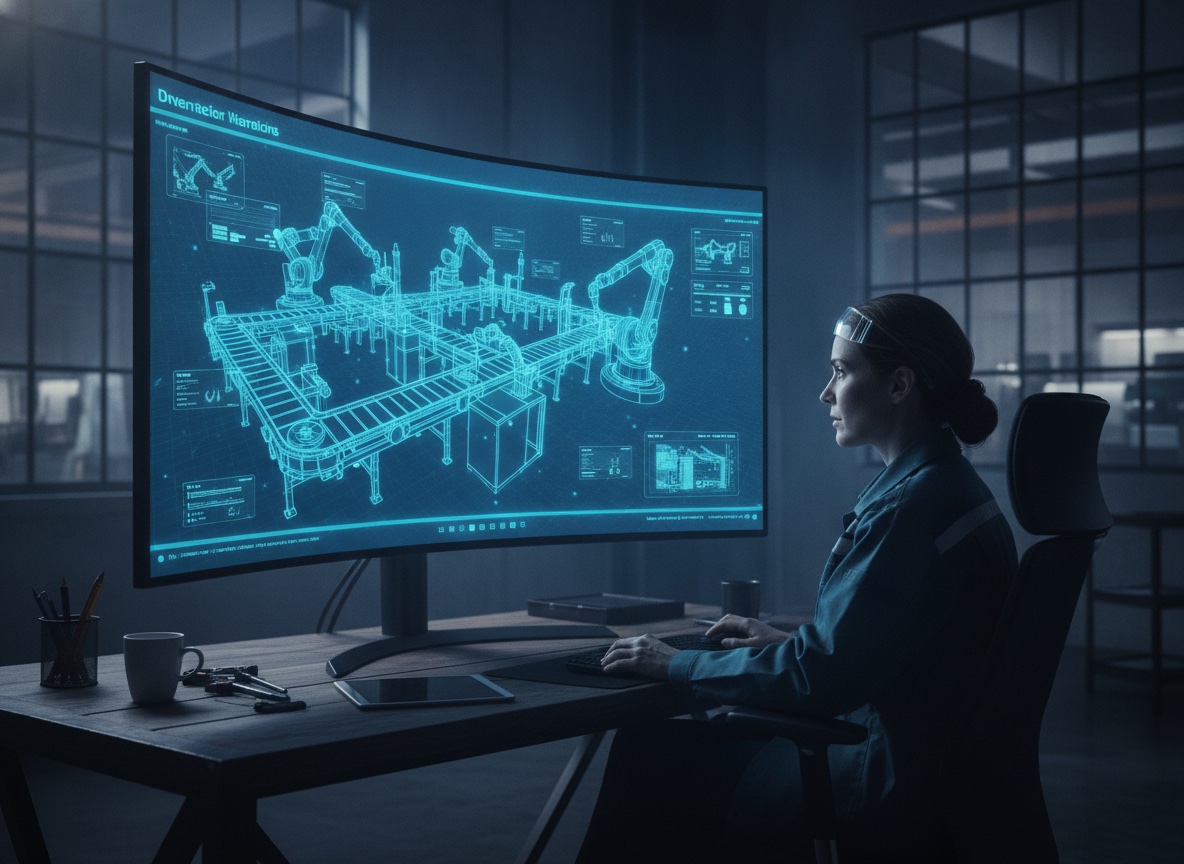
We run every manufacturing build through the same structured process as the rest of our work — described in full on our How We Work page.
Mapping your lines, equipment, and existing systems before scoping a single feature.
Data architecture and protocol decisions made upfront, not bolted on after a pilot fails.
Interfaces built for a control room, a tablet on the floor, and gloved hands.
Working software in testable increments, reviewed against real production scenarios.
Tested against real sensor data and dropped-connection scenarios, not just the happy path.
Rollout planned around your production schedule, not our sprint calendar.
Monitoring, iteration, and support that continues well past go-live.
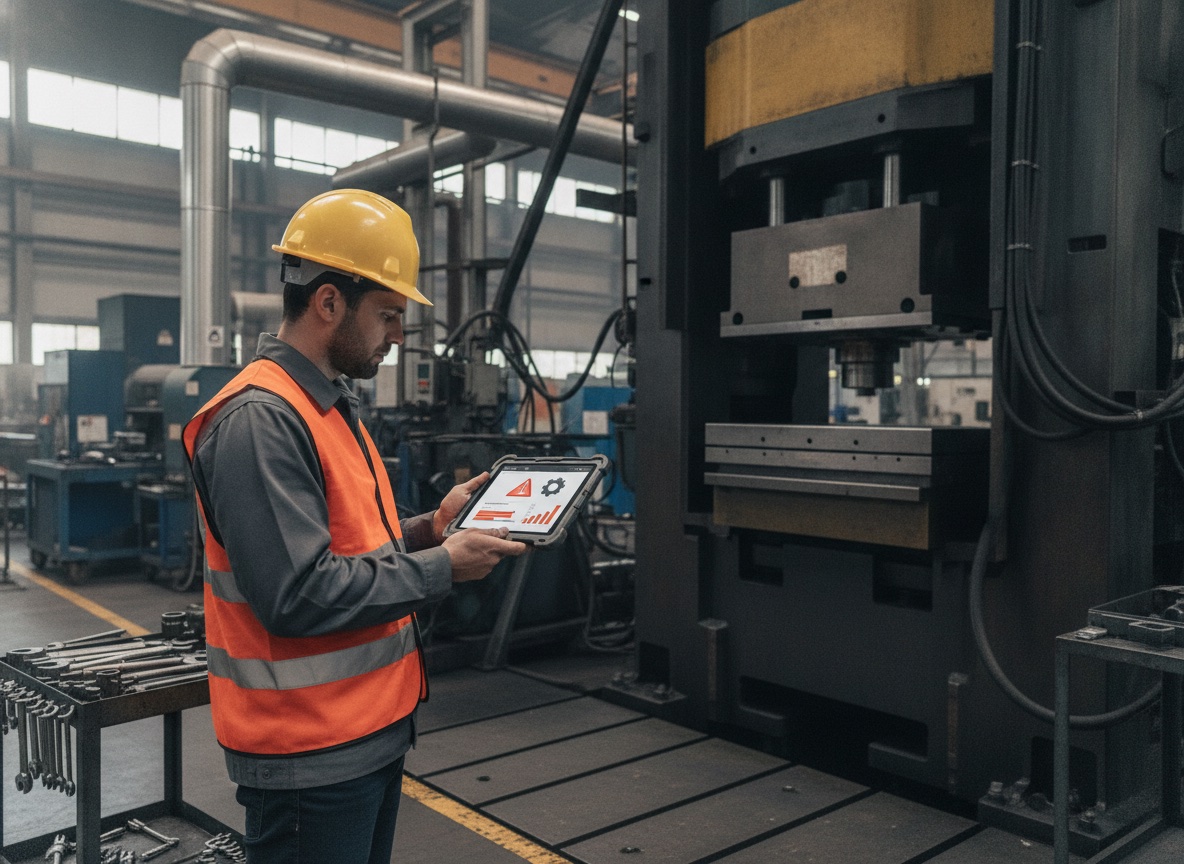
Models trained on your own equipment's vibration and temperature history, built to flag failure risk days or weeks before it stops the line.
Sensor networks and connected-device platforms.
Production, inventory, and finance in one system.
Turn plant-floor data into decisions.
Purpose-built platforms for how you actually operate.
Systems built to run a growing operation.
Scalable infrastructure for sensor and production data.
Automate repetitive back-office and plant workflows.
Vision models for quality inspection and safety.
Fleet, supply-chain, and delivery coordination.
Dedicated engineers for predictive-maintenance models.
End-to-end engineering talent, flexibly engaged.
Connect PLCs, ERPs, and third-party plant data.
Answers to the questions plant managers and manufacturing teams ask us most — and a direct line to our team if you don't see yours.
A focused predictive maintenance or production-monitoring app typically runs $45,000–$95,000, while a full MES and quality-control platform integrated with your ERP can run $150,000–$400,000+ depending on plant complexity.
A focused MES module or maintenance monitoring dashboard typically takes 12–16 weeks. A full production platform with digital twin modeling and multi-line ERP integration usually runs 6–10 months.
Yes — we integrate with SAP, Oracle NetSuite, and Microsoft Dynamics through REST APIs and standard connectors, and connect directly to plant-floor equipment using OPC-UA, Modbus TCP/IP, and MQTT, so a new platform doesn't mean replacing infrastructure you've already invested in.
We build models trained on real vibration, temperature, and performance data from your own equipment, which catches degradation patterns days or weeks before a failure would otherwise stop the line. Where equipment has no native connectivity, we add edge sensors and gateways rather than requiring a hardware replacement.
Most legacy modernizations we do are incremental — wrapping an ageing MES or scheduling system with modern APIs and interfaces first, then replacing components as it makes sense, rather than forcing a disruptive rip-and-replace during active production.
We usually recommend piloting on a single line or process first — an MES module, a predictive maintenance dashboard — validating it against real production data drawn from 600+ solutions we've shipped across 25+ industries, then expanding to a multi-plant rollout once it's proven.
Tell us about your plant floor or MES idea — we'll respond within 24 hours with real next steps, not a sales script.