Engineering support for Bitly's link-management platform — branded short links, QR code generation and click analytics, built in React and Next.js and backed by AWS, Docker, MySQL and Firebase.
As shared directly by Bitly's team — not internally estimated figures.
Bitly is a link-management platform used by marketers and enterprises to shorten, brand and track links at scale — turning long URLs into short, branded links, generating QR codes, and reporting on every click. It sits squarely in the Technology & SaaS space, serving customers who depend on it being fast and reliable every single time a link is clicked.
This engagement was scoped and delivered in direct collaboration with Bitly's team, including Nathan Folkman, covering engineering support across the web platform's branded short links, QR code generation and click analytics capabilities.
Bitly is trusted by marketers and enterprises worldwide to represent their brand in every shared link. Any drop in reliability shows up publicly, in real time, on every campaign using it.
People clicking a Bitly link expect an instant redirect — a slow or broken short link reflects poorly on the brand that shared it, not just on Bitly.
Keeping redirect latency low and analytics accurate gets harder, not easier, as click volume grows into the billions — most architectures degrade under that kind of sustained load.
The engagement was scoped around one question: what does it take to keep a redirect fast when volume keeps growing?

Three capabilities, one consistent platform across web, iOS and Android.
Custom branded domains and short URLs that stay on-brand across every campaign and channel.
On-demand, customisable QR codes generated from the same link infrastructure — no separate system to maintain.
Real-time click tracking with geographic, device and referrer breakdowns for every link.
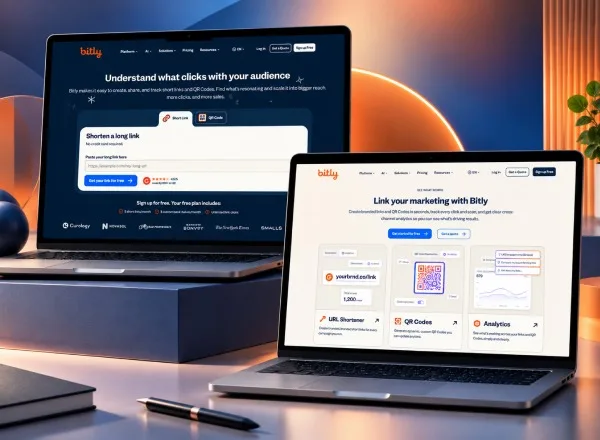
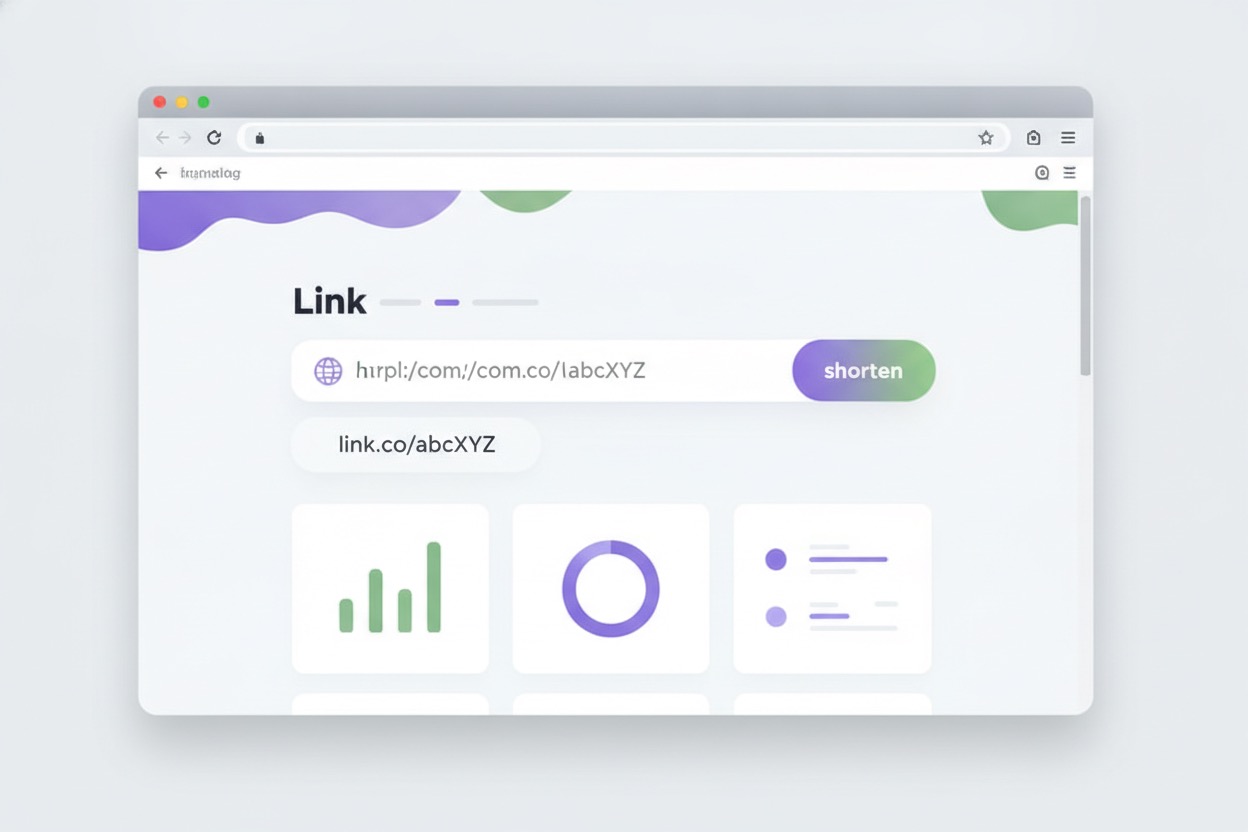
Long URLs are shortened into clean, branded links in real time. The link-creation flow was built in React and Next.js for fast, server-rendered pages that stay responsive even during traffic spikes.
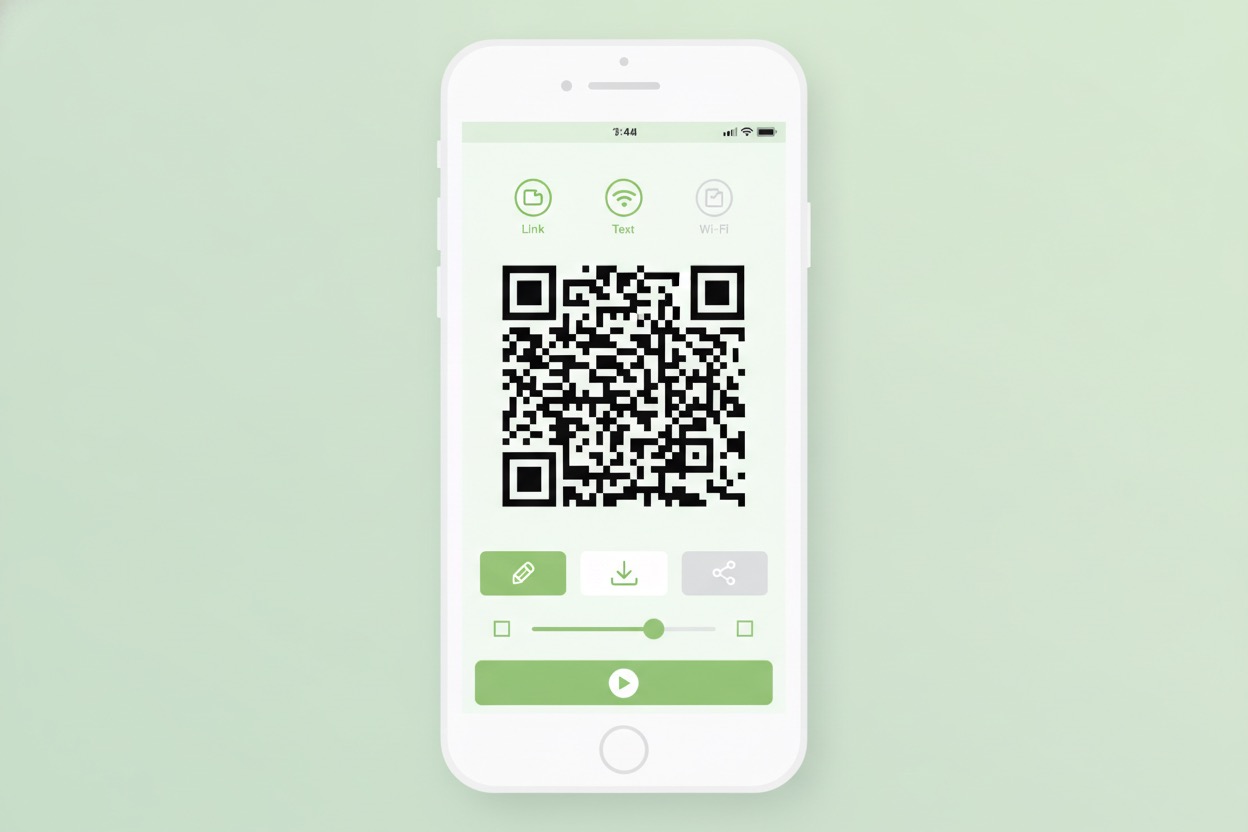
Every short link can generate a matching QR code on demand, giving marketers a single link-management workflow that covers both digital and print/offline channels.
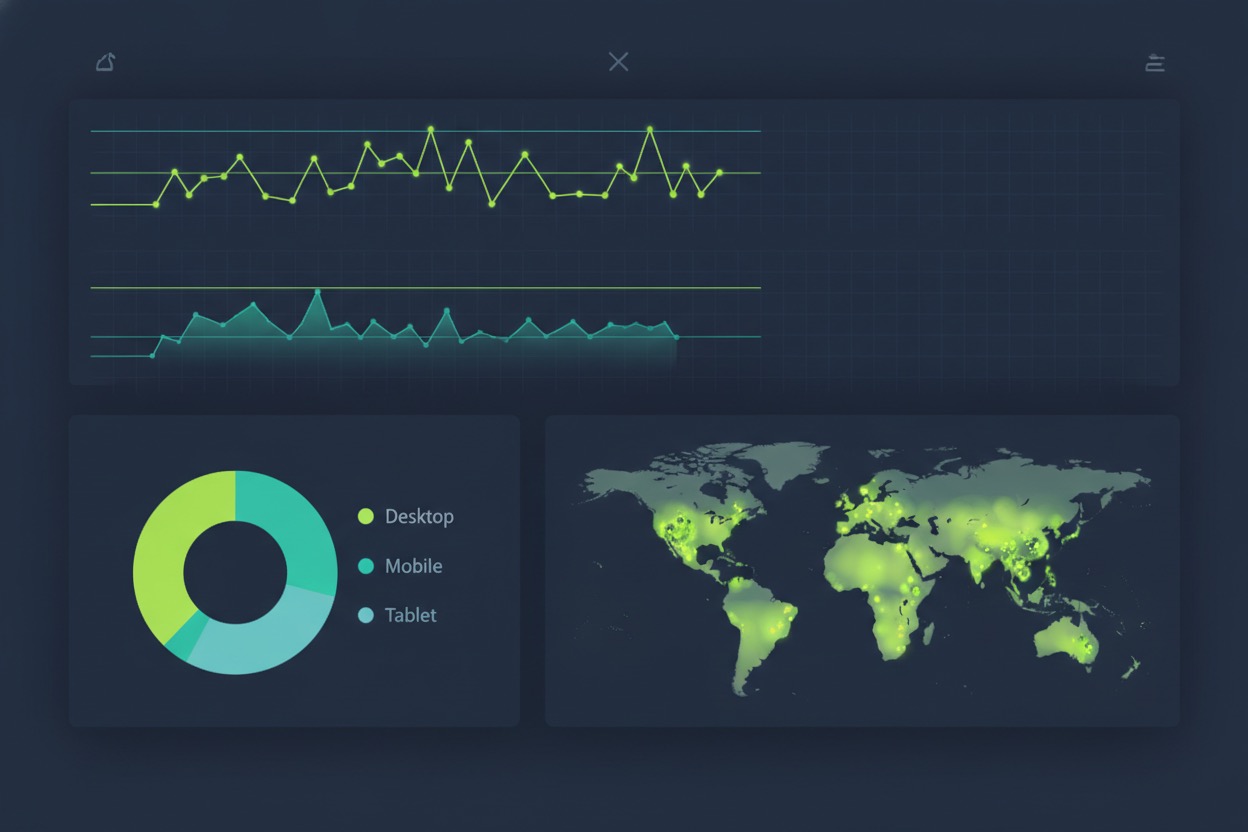
Every click is tracked and surfaced back to the user — geography, device type and referrer — without adding measurable delay to the redirect itself.
A closer look at what each part of the platform actually does.
Long URLs become clean, branded links in real time, built on the same React and Next.js front end used across the platform.
Every short link can generate a matching QR code on demand, connecting online and offline campaigns through the same infrastructure.
Every click is tracked and attributed back to the link that generated it, without adding measurable delay to the redirect itself.
The same link-management workflow is available on Web, iOS and Android, so marketers and enterprise teams aren't tied to a single device.
The infrastructure behind every link is the same one processing 10B+ clicks a month at sub-100ms redirect times — not a separate "enterprise tier."
The same core workflows — create a link, generate a QR code, check analytics — feel familiar whether you're on the web app, iOS or Android.
Every screen was designed to load fast on purpose — for a product used mid-workflow by marketers, a slow interface is a broken interface.
Analytics and link data are presented as scannable, direct information first — visual polish never gets in the way of the number someone actually needs.
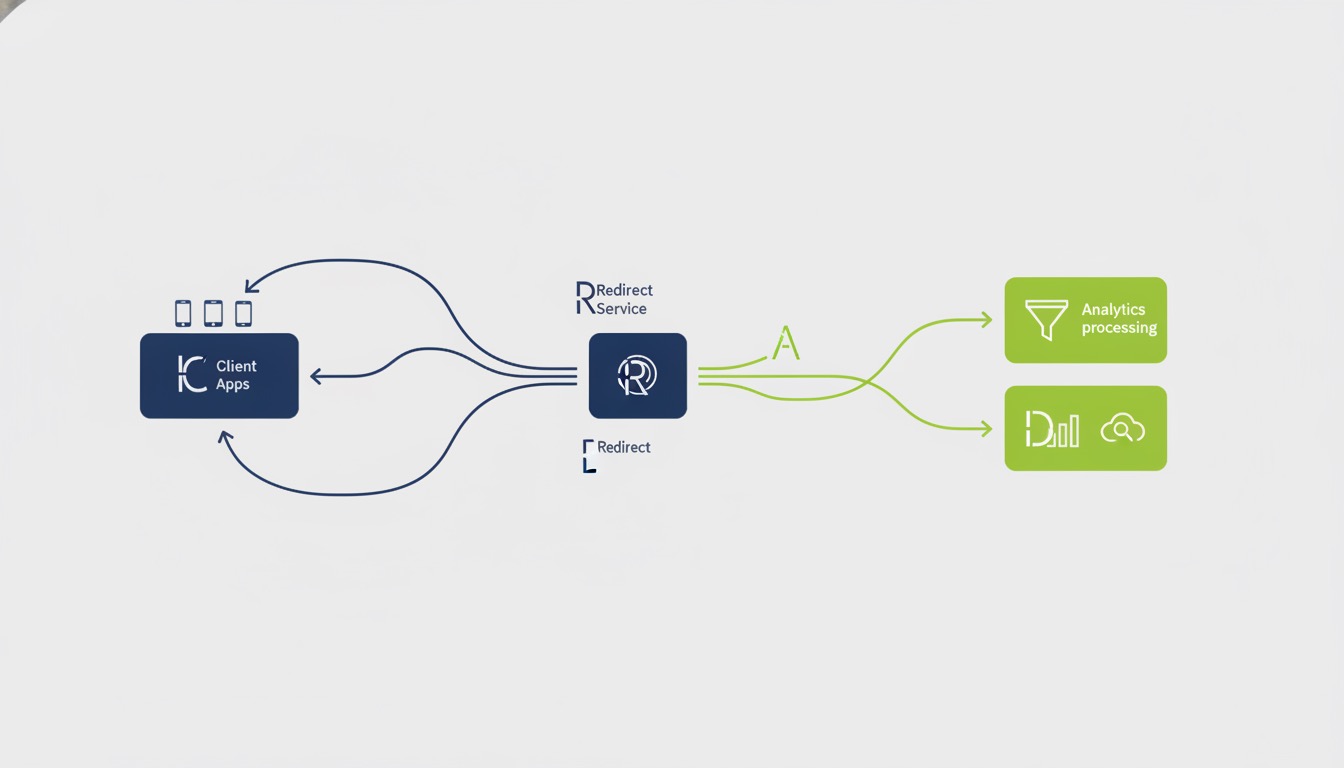
A representative view of how the pieces fit together — illustrative, not a literal infrastructure diagram.
Web app (React, Next.js), plus native iOS and Android clients, all calling the same underlying services.
The layer responsible for resolving a short link and returning a fast redirect — the component most sensitive to latency at scale.
Captures click events (geography, device, referrer) without adding perceptible delay to the redirect path itself.
Component-based UI made it possible to keep link-creation, QR generation and analytics views consistent and independently maintainable.
Server-side rendering kept public-facing pages fast and predictable, which matters directly for a product where response time is the core promise.
Cloud infrastructure sized to handle sustained, high-volume traffic without over-provisioning for the quiet periods in between.
Containerized services deploy consistently and scale independently across the redirect, web and analytics layers.
Reliable relational storage for structured link, account and click-analytics data.
Real-time capabilities and supporting mobile services for the iOS and Android apps.
The redirect path was engineered to stay fast under real production load — the sub-100ms response time holds at billions of clicks a month, not just in testing.
Decoupling the web client from the redirect and analytics services means each layer can scale on its own, rather than the whole system moving in lockstep.
Encryption in transit, scoped access control and independent code review are baseline practice on every engagement — no specific third-party compliance certification for this engagement is publicly documented, so we're not claiming one.
Our standard 7-phase delivery framework, applied to this engagement.
Understanding exactly which parts of the platform needed engineering support, and what "fast enough" actually meant in practice.
Deciding how the web client, redirect service and analytics pipeline should be decoupled to scale independently.
Keeping link creation, QR generation and analytics consistent across web, iOS and Android.
Iterative sprints with a working, testable increment at the end of each cycle.
Testing against real production-scale traffic patterns, not just functional test cases.
Shipping changes to a system already handling billions of monthly clicks, without disrupting live traffic.
Ongoing engineering support as usage and requirements continue to evolve.
Redirect latency tends to creep up as click volume grows, especially under bursty, unpredictable traffic.
The redirect path was kept as lean as possible and decoupled from heavier services like analytics, so it never had to wait on work that wasn't essential to returning the redirect.
Capturing detailed click data (geography, device, referrer) risks adding latency to the one part of the system where latency matters most.
Click events are recorded asynchronously, so analytics capture never sits on the critical path of the redirect itself.
Link creation, QR generation and analytics needed to behave the same way across three different platforms without three different codebases drifting apart.
Core workflows were kept consistent at the API and design-system level, so platform teams could build against the same contracts.
Reliability at this scale is what lets marketers and enterprises trust a Bitly link with their brand.
“Apptechies has been a reliable engineering partner on our link-management platform, working across web, iOS, and Android with a level of scalability and reliability that’s simply phenomenal. They are world-class engineers.”
If your platform lives or dies on response time — a redirect, a checkout, an API call — we'd like to talk about it.
Start Your ProjectWhat people usually ask about the Bitly engagement. Have one we haven't covered? Ask us directly on the right.
Bitly is a link-management platform used by marketers and enterprises to shorten, brand and track links. Apptechies provided engineering support for its web platform — branded short links, QR code generation and click analytics — built in React and Next.js.
Per Bitly's own team, the platform now processes 10B+ clicks monthly with sub-100ms redirect response times. Both figures are as stated directly by Bitly, not internally estimated.
The platform is built with React and Next.js on the front end, backed by AWS infrastructure, Docker containers, MySQL for structured data, and Firebase for real-time and mobile capabilities.
By decoupling the redirect service from heavier work like analytics capture, so every redirect only does the minimum work needed to send a user on their way.
Yes — if your product depends on speed and reliability at scale, whether that's a redirect, a checkout flow or an API response, this is exactly the kind of engineering problem we specialize in.
Yes. The metrics and quote on this page come directly from Bitly's own team, including Co-Founder Nathan Folkman. We don't publish engagement financials or duration, since those aren't ours to disclose.
Tell us what you're building — a real engineer or strategist replies within one business day.