We build multi-vendor marketplaces, headless storefronts, and mobile commerce apps engineered to convert browsers into buyers — payment gateways, ERP and inventory sync, and AI-driven personalization built in from day one, not bolted on after launch.
Sub-second catalog search and dynamic faceted checkout.
Multi-currency, fraud prevention, and 1-click global gateways.
Zero-latency stock reconciliation across warehouses.
eCommerce app development is the process of designing, building, and integrating a mobile or web commerce platform — a single-brand storefront, a multi-vendor marketplace, or a headless frontend — that lets customers browse a catalog, get personalized recommendations, check out securely, and track an order, while your team manages inventory, payments, and fulfillment from one connected backend.
The right architecture depends entirely on your business model. A native mobile commerce app optimizes for conversion on a phone; a headless build decouples your storefront from your commerce engine for speed and flexibility; and a custom platform makes sense once off-the-shelf tools can't keep up with your catalog, order volume, or seller network.
The two models share almost nothing under the hood. Toggle between them to see how the architecture, features, and timeline actually differ.
A platform connecting multiple independent sellers with one shared audience — the right call once you need seller onboarding, split payments, and shared trust infrastructure rather than a single catalog.
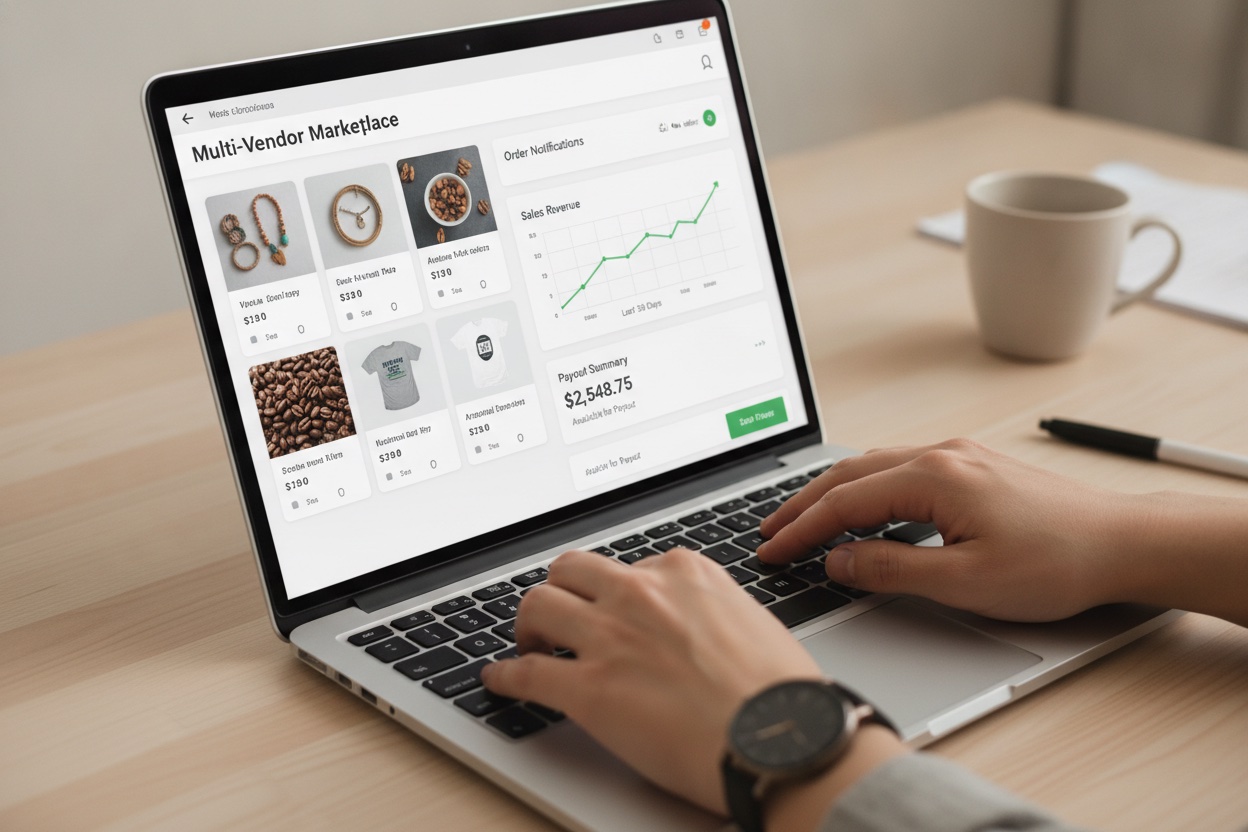
From a lean single-brand MVP to a full multi-vendor marketplace with AI personalization and headless commerce, here's the range of what we scope and build.
Decoupled storefronts on Next.js that render fast and let your team ship UI changes without touching the backend.
Vector search, autocomplete, and personalized product suggestions.
Seller onboarding, commission splits, and payouts.
Recurring billing, plan management, and churn recovery flows.
Real-time inventory routing and delivery ETA prediction for 10–30 minute delivery models.
Tiered pricing, credit terms, and bulk reordering for wholesale buyers.
One-tap checkout and friction audits tuned for phone-first shoppers.
Points, tiers, and referral mechanics that bring buyers back.
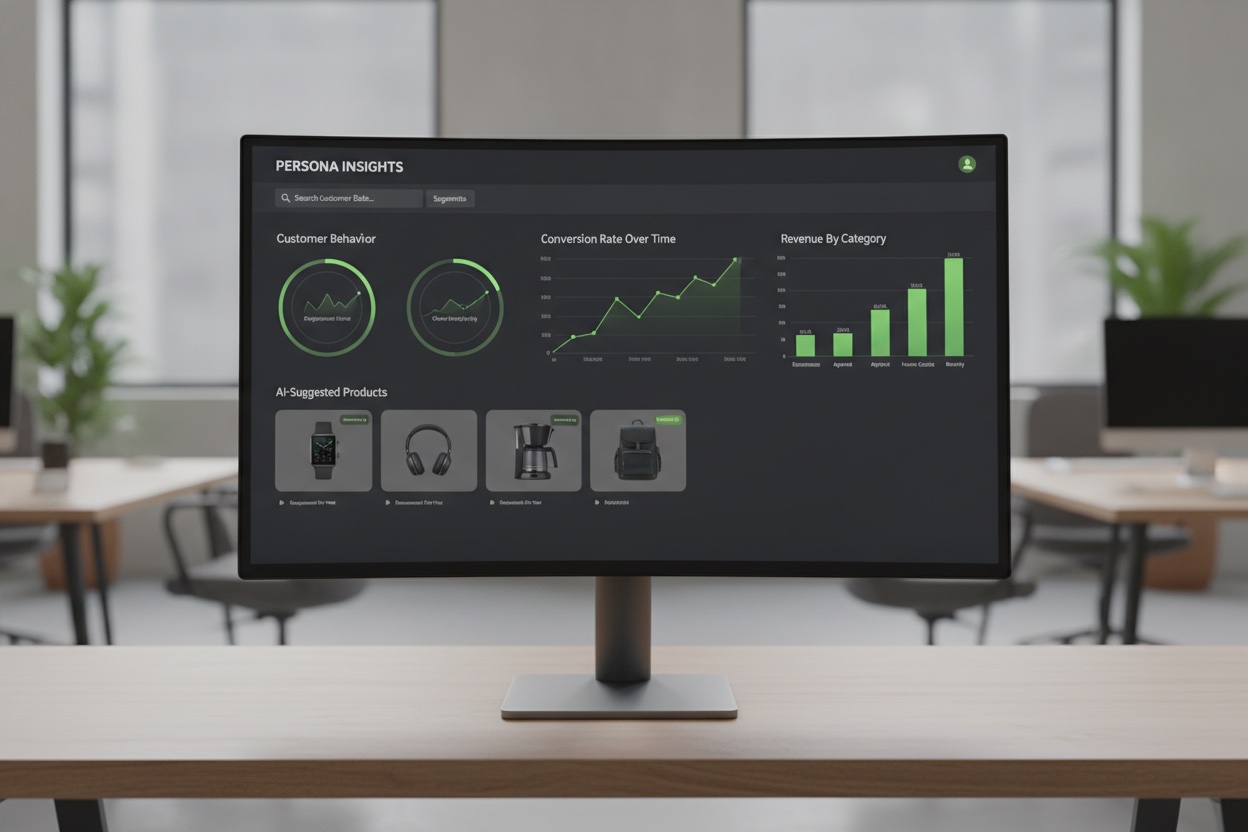
Personalization only matters if it changes what someone buys. Our machine learning models learn from browsing history, purchase patterns, and real-time behavior — not a generic collaborative-filtering default.
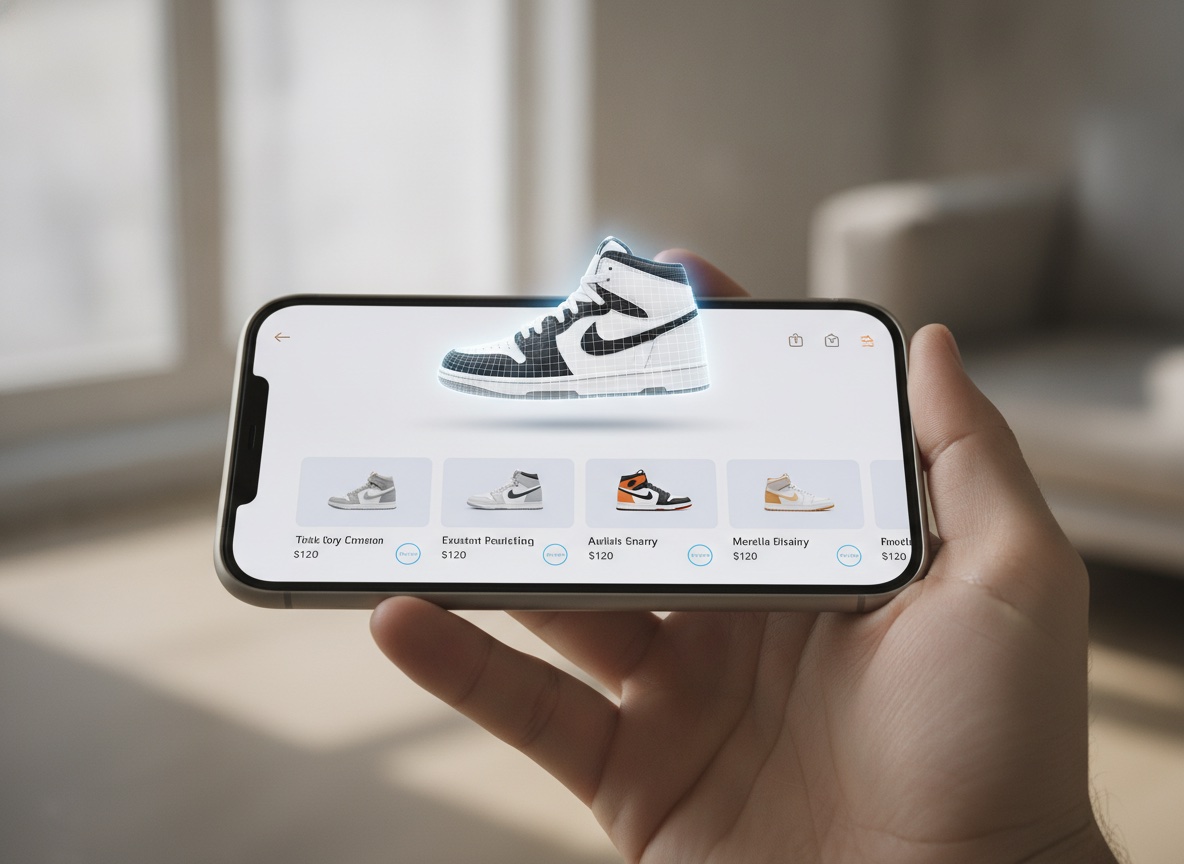
Most commerce traffic is mobile, and most mobile traffic converts worse than desktop unless the experience is built for it. We design and build native iOS and Android apps around that reality, with computer vision features like AR try-on layered in where they genuinely reduce return rates.
Led by Locom, a genuine local-commerce marketplace, plus cross-industry platforms built with the same real-time, transaction-heavy architecture an eCommerce build needs.
A community-commerce app connecting local businesses and independent workers — domestic workers, gardeners, tradespeople — directly with nearby customers, with rewards for supporting local.

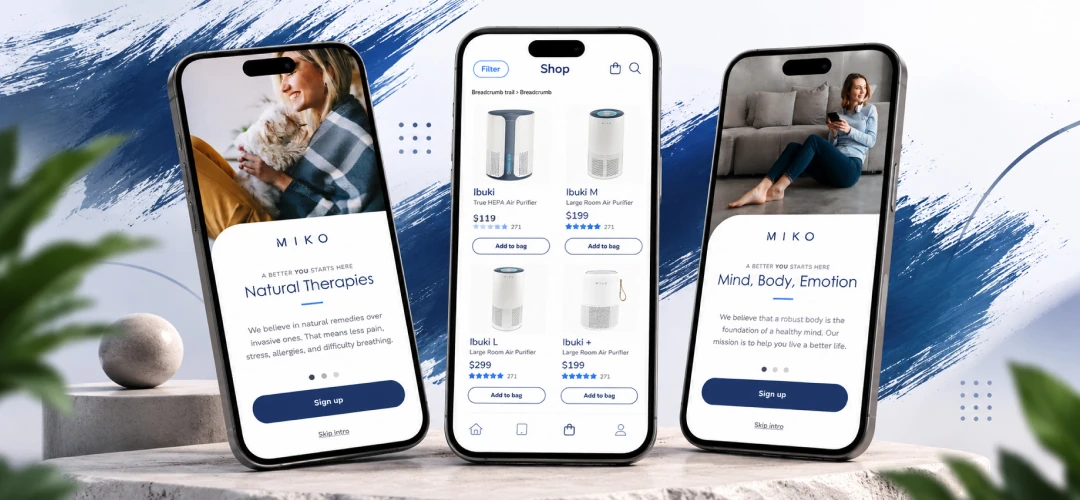
A companion app for Miko's smart foot massagers, air purifiers, and humidifiers — device pairing, usage guidance, and a connected wellness shopping experience.
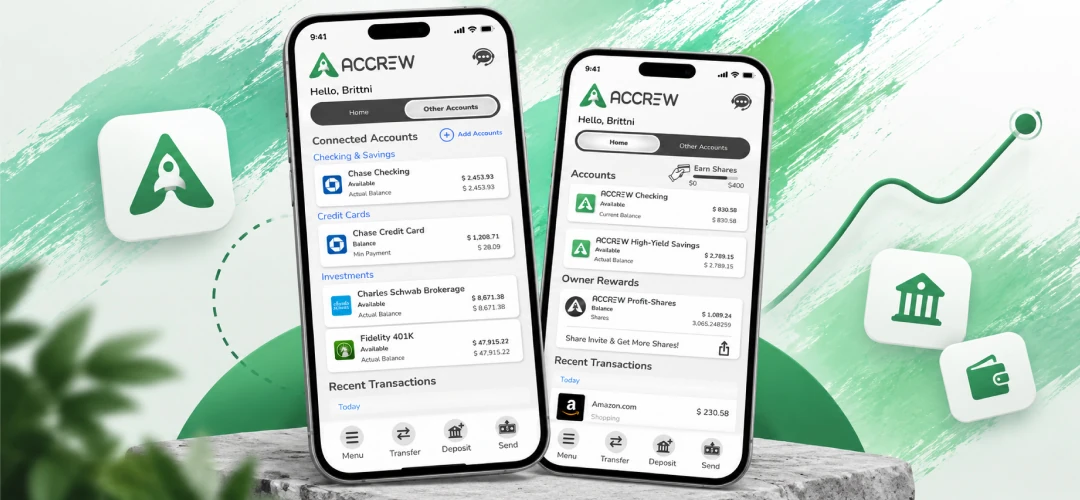
A member-owned digital banking platform designed so members profit rather than a bank — a model built around shared rewards instead of shareholder returns.
“FreshHook wouldn’t exist without Apptechies’s innovative approach to perishable goods delivery. They built a platform that handles our delivery promise with real-time GPS tracking and smart inventory management.”
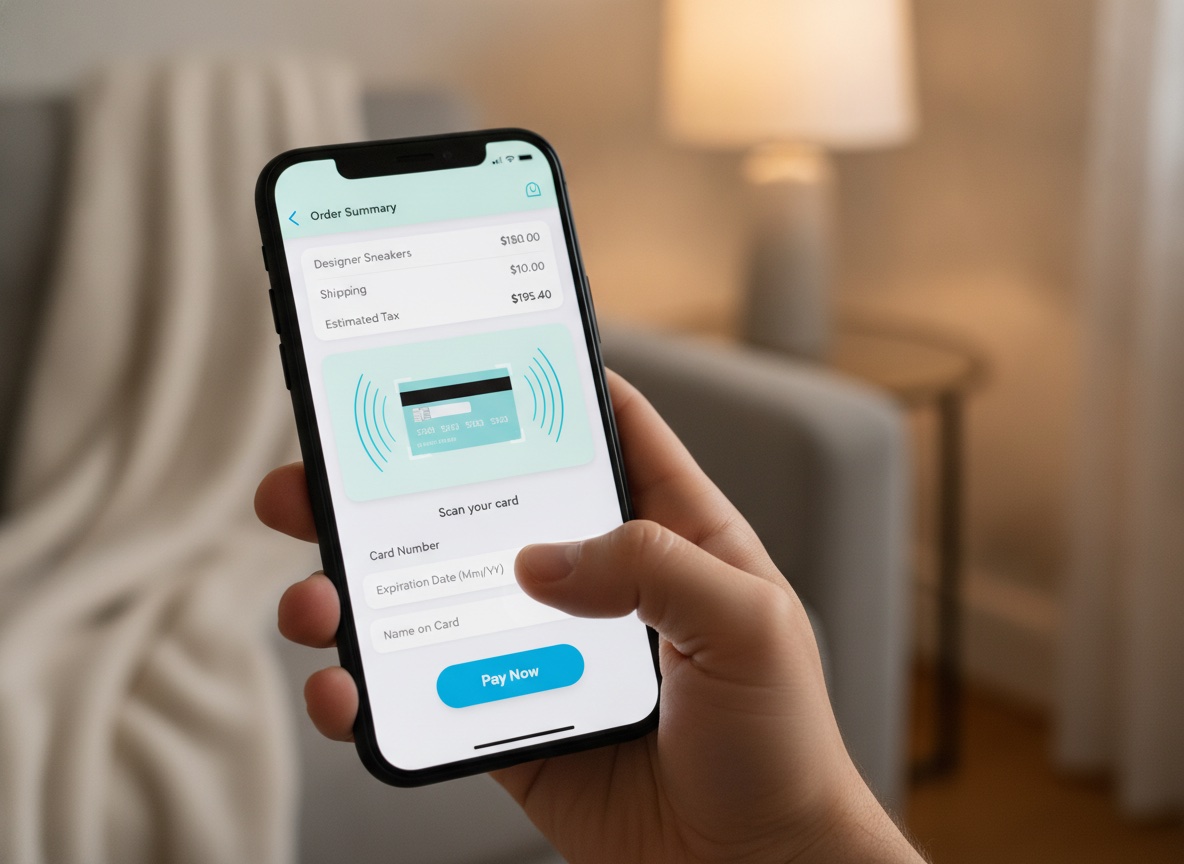
Most cart abandonment isn't about price — it's friction. Every extra field, redirect, or unclear error costs conversions we can design around.
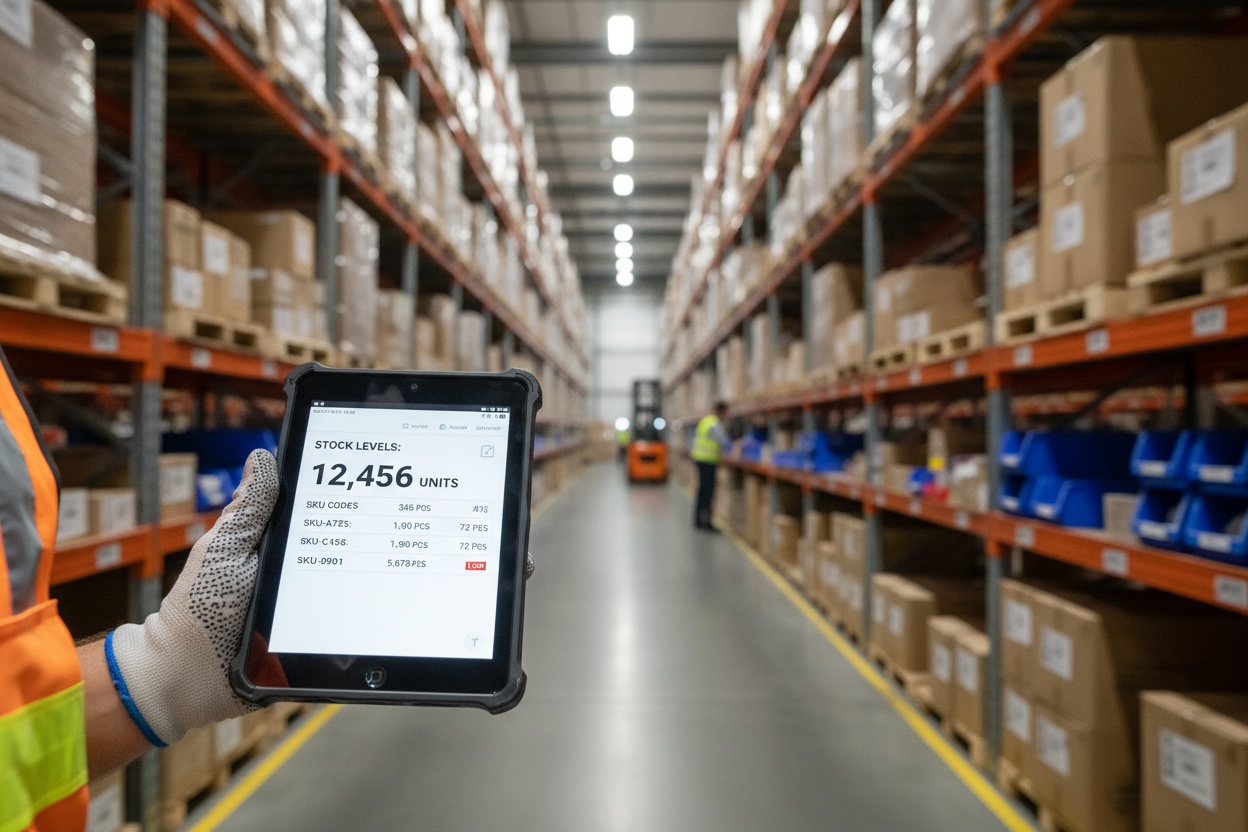
A storefront is only as reliable as the inventory data behind it. We connect your catalog to ERP and warehouse systems so stock counts stay accurate — and feed the same data into your analytics dashboards.
We run every commerce build through the same structured process as the rest of our work — described in full on our How We Work page.
Mapping your business model, catalog complexity, and integrations before scoping a single feature.
Deciding marketplace vs. storefront, headless vs. monolith, upfront — not after the build starts.
Interfaces designed around conversion — checkout friction, catalog clarity, and mobile-first flows.
Working software in testable increments, reviewed against real shopper scenarios as we go.
Load-tested against real traffic-spike scenarios, not just the happy path checkout.
Rollout planned around your sales calendar, not our sprint calendar.
Monitoring, iteration, and support that continues through your next peak season and beyond.
No inflated case-study numbers — just the delivery record that makes a marketplace or storefront build predictable.
Native and cross-platform apps for the shopper-facing side of commerce.
Purpose-built platforms when off-the-shelf commerce tools run out of road.
Turn checkout, catalog, and inventory data into decisions.
Scalable infrastructure for traffic spikes and flash sales.
Dedicated Shopify Plus engineers for storefront and app builds.
Engineers for recommendation engines and AI search.
Personalization and demand-forecasting models trained on your data.
Connect payment gateways, ERPs, and third-party marketplaces.
Inventory, accounting, and operations in one connected system.
CI/CD and infrastructure that holds up under peak-season traffic.



Answers to the questions merchants and marketplace founders ask us most — and a direct line to our team if you don't see yours.
A focused MVP storefront typically runs $35,000–$70,000, a full-featured growth-stage platform runs $70,000–$150,000, and a multi-vendor marketplace or enterprise-grade build runs $150,000–$300,000+ depending on scope and integrations.
An MVP storefront typically takes 8–12 weeks. A full growth-stage platform usually runs 4–6 months, and a multi-vendor marketplace or enterprise build can run 6–9 months depending on integration complexity.
It depends on your business model. A single-brand storefront is faster and cheaper to launch if you're selling your own catalog. A marketplace makes sense once you need multiple independent sellers, split payments, and seller-facing tools — it's a meaningfully larger build with commission logic, vendor onboarding, and payout automation.
Yes. We regularly build custom mobile or headless frontends on top of existing Shopify Plus, Magento (Adobe Commerce), or WooCommerce backends without requiring a full platform migration.
Yes. We've integrated major payment gateways including Stripe, PayPal, Adyen, and Razorpay, along with ERP and inventory platforms like NetSuite, SAP, and QuickBooks for real-time stock and order sync.
Our recommendation engines learn from browsing history, purchase patterns, and real-time behavior to surface relevant products, personalize search results, and reduce the friction between browsing and checkout — this is what typically drives higher conversion and average order value.
We generally recommend scoping a lean MVP first — core catalog, cart, and checkout — validating demand, then layering in marketplace features, AI personalization, and ERP integrations once you have real usage data to guide the roadmap.
Yes. We build real-time inventory routing across dark stores, delivery ETA prediction, and dispatch optimization for quick commerce and grocery-style delivery platforms.
Tell us about your storefront, marketplace, or mobile commerce idea — we'll respond within 24 hours with real next steps, not a sales script.