Custom AI applications, machine learning systems, RAG pipelines, chatbots, and agents for New York businesses, from a focused use case through integration and production support.
Apptechies is an AI development company serving New York businesses with custom machine learning systems, generative AI applications, and RAG pipelines. We plan data access, integrations, evaluation, and production support around the use case.
Our custom AI development services combine product engineering, data pipelines, model evaluation, integrations, and deployment. Start with AI consulting when the use case or technical approach still needs to be defined.
From focused use cases to production-ready intelligent systems, engineered around the way your business operates.

An AI model depends on the data and access path around it. We review sensitive data, permissions, provider settings, retention, encryption, and audit needs during discovery. Our security practices and compliance approach help teams decide which controls belong in the architecture and delivery plan.
Choose the service closest to your current need, from use-case planning and data readiness to application development, integration, and production support.
Our AI consulting services turn a business problem into a practical use case, data-readiness plan, architecture choice, delivery scope, and measurable acceptance criteria.
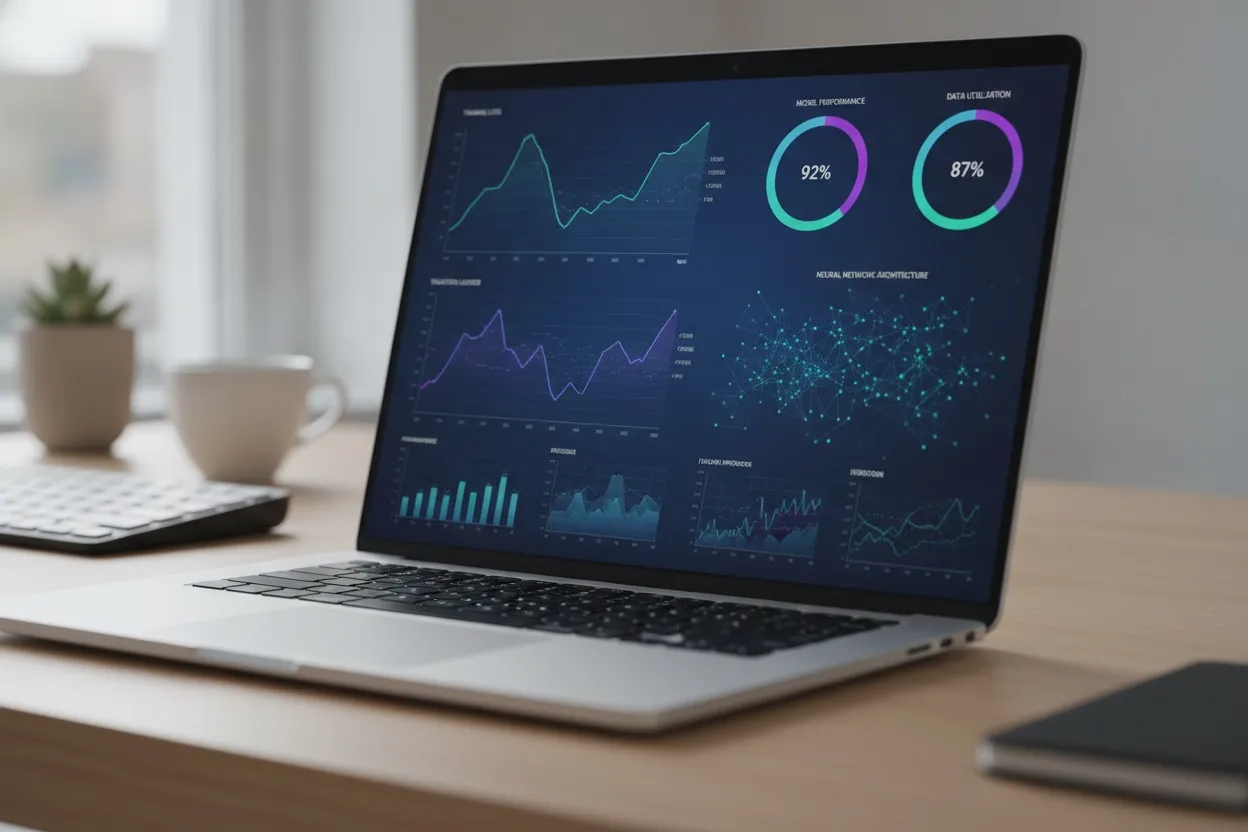
AI Development
Intelligent systems built for production
Start with one useful workflow, representative data, and a clear evaluation plan. Our AI readiness assessment helps identify integration, governance, and delivery gaps before development begins.
Four production AI products, built end to end.
AI Photo & Avatar Generator
An AI photography platform that turns a few selfies into professional-quality portraits and avatars across thousands of styles, built for consumer scale.
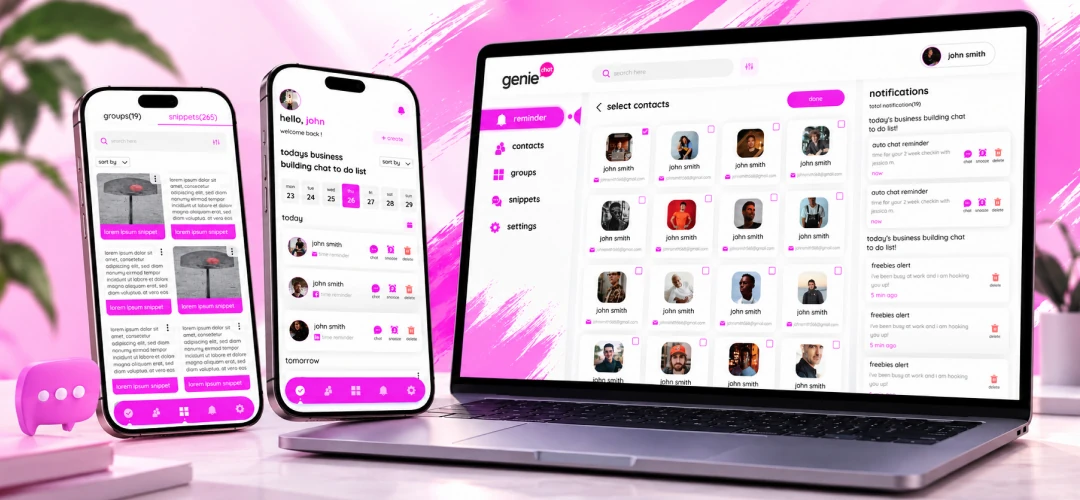
AI Content Creator Keyboard
A custom AI-powered keyboard for digital creators and direct sellers, surfacing saved content, generating on-the-fly copy, and putting an entire content library one tap away in any app.
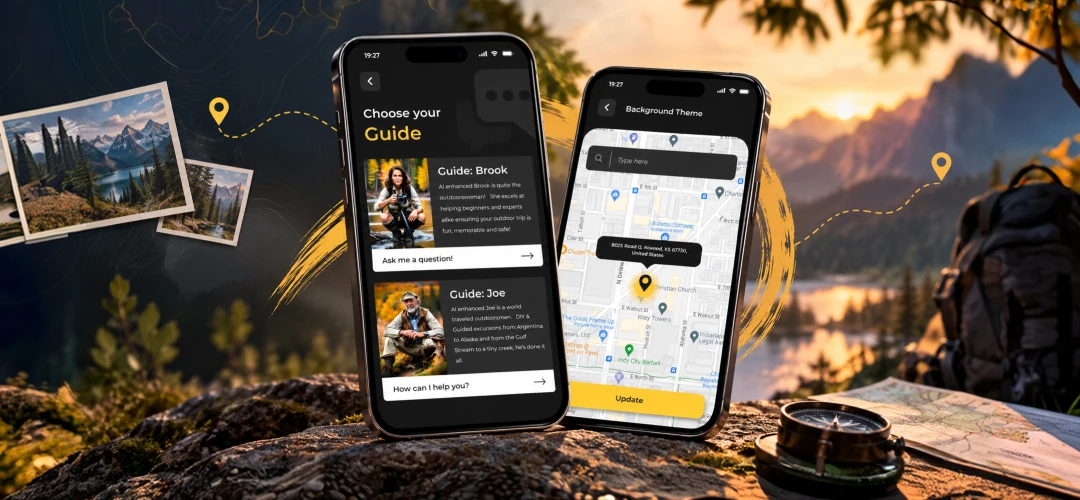
AI-Powered Hunting & Fishing Companion
An AI-assisted hunting and fishing companion app helping outdoor enthusiasts identify species, log catches, and plan trips smarter.
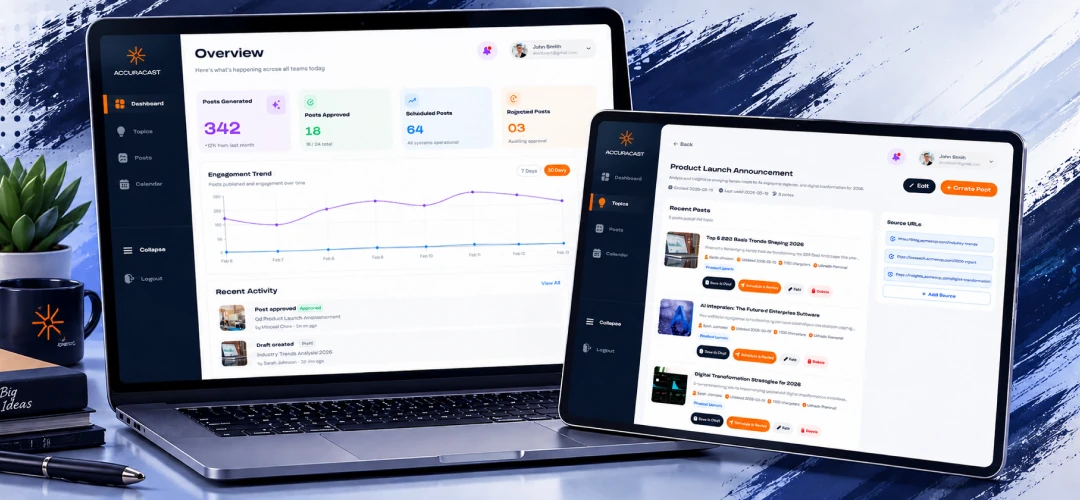
AI Content & Brand Approval Platform
A creator and brand content platform with topic management, review workflows, and an approval dashboard for coordinating content across teams and campaigns.
“The AI-powered fitness platform Apptechies developed integrates personalized workout plans, nutrition tracking, and real-time progress monitoring in one beautiful app. Their technical execution has been exceptional.”
We compare model quality, latency, running cost, deployment, licensing, and data requirements before choosing a stack. Our production model guide explains these tradeoffs.
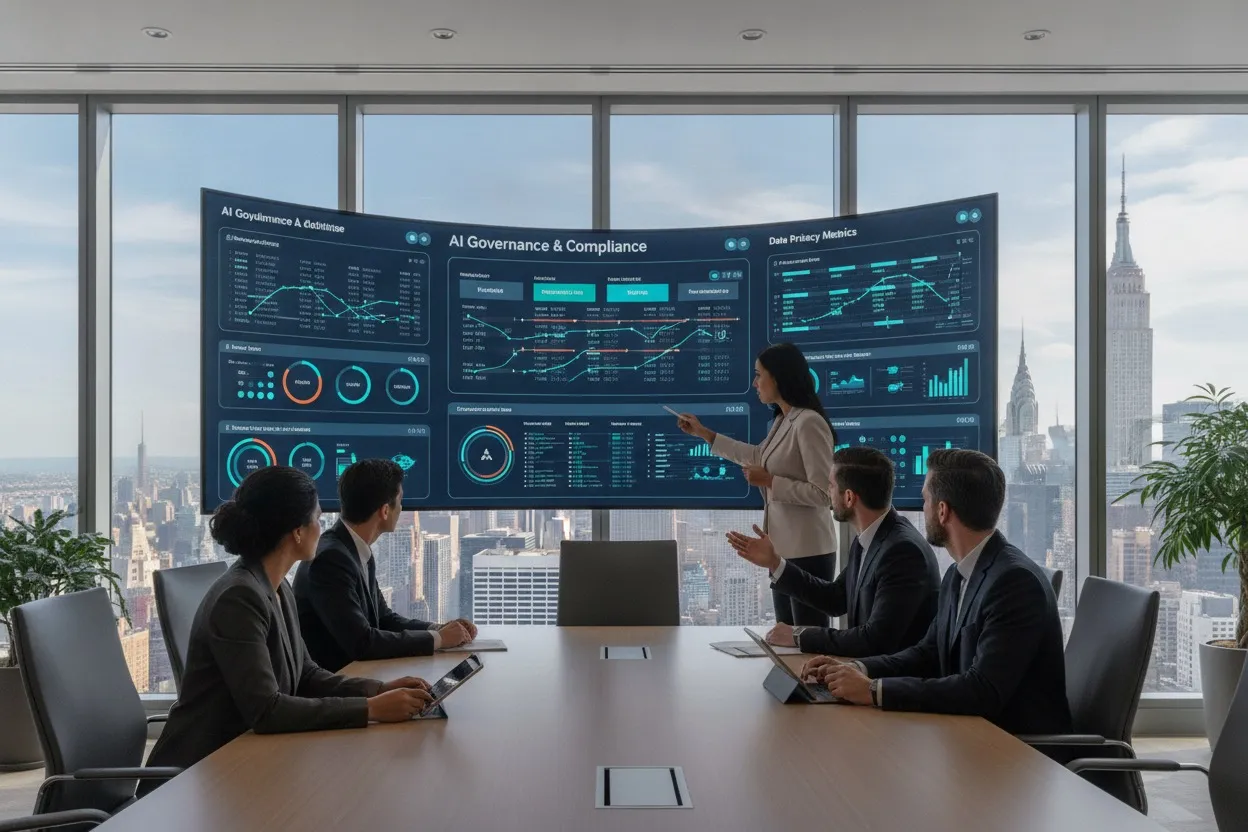
Financial-services clients in New York operate under real regulatory scrutiny. We scope data access, audit needs, provider settings, and human review during discovery. Our compliance approach helps the client team map applicable requirements to the product and delivery plan.
Five practical reasons New York teams choose Apptechies to move from an AI idea to software that can be reviewed, operated, and improved.
Our application and AI engineers work together on the product, model workflow, integrations, testing, deployment, and handover needed for real users.
We compare suitable approaches using representative tasks, then document tradeoffs in quality, latency, running cost, licensing, and data handling.
Discovery turns the project into milestones, responsibilities, acceptance criteria, and separate estimates for the build and ongoing model infrastructure.
Our Austin, Texas office gives New York clients working hours of overlap alongside our London and Mohali teams.
Data access, provider settings, retention, audit needs, and human review are discussed before architecture decisions are locked in.

From strategy to production, every stage stays connected.
Turn proven engineering experience into an AI system built around your actual business requirements.
Recognized by real clients, see what 500+ clients across 25+ industries have to say.
We select technologies for the product, data, deployment, and operating constraints involved. The goal is a maintainable application, not a longer list of tools.
Python supports model and data work, while TypeScript, Node.js, FastAPI, and Next.js connect AI features to the web products, APIs, and internal tools people actually use.
The process moves from a defined business problem to tested production software. Our broader development process explains how planning, reviews, and communication work across an engagement.
We identify the single highest-leverage AI use case rather than trying to automate everything at once.
We assess what data actually exists, its quality, and what needs cleaning before a model ever touches it.
Hosted API, fine-tuned model, or a fully grounded RAG pipeline, chosen for the task, not the trend.
A working prototype against real data within the first sprints, so direction gets validated early.
Wiring the model into your product with rate limits, fallbacks and output validation in place.
Accuracy, latency and bias testing against your actual data, not a generic leaderboard score.
Containerized deployment with drift monitoring, so performance is tracked long after launch, not just at demo time.
Use these practical guides to compare costs, model choices, and production architecture before you scope a project.
Straight answers about scope, cost, timelines, technical choices, data, regional coverage, and working with our team.
An AI development company plans, builds, integrates, and supports software that uses machine learning or generative AI. Apptechies delivers applications, chatbots, agents, prediction models, computer vision workflows, and RAG systems. Many projects begin with AI consulting services to confirm the use case, data, risks, and success measures.
Custom AI development cost depends on data preparation, product features, model choice, integrations, security controls, evaluation, and support needs. We estimate the build separately from model usage, hosting, monitoring, and maintenance after reviewing the scope. Our AI development cost guide explains the main budget drivers.
The timeline depends on data access, application scope, integrations, evaluation requirements, and the number of workflows being released. A focused prototype takes less time than a production product with permissions, monitoring, and several connected systems. We confirm milestones after discovery rather than promising a schedule before the technical work is understood.
Choose an AI development company by reviewing relevant delivered work, who will build the product, how the proposed approach will be evaluated, and what the scope includes after launch. Ask each provider to explain data access, integrations, security, cost drivers, and model tradeoffs in plain language. Our guide to evaluating AI development companies offers a practical comparison checklist.
Our process moves through discovery, data assessment, architecture, a focused prototype, application development, integration, realistic testing, deployment, and agreed support. Each stage has review points so model behavior and product decisions can be checked before more scope is added. See how we work for the wider delivery approach.
Yes. Our AI integration services assess your APIs, permissions, data access, and business workflows before connecting a model or assistant. The technical review identifies what can be reused, what needs changing, and where human approval or fallback behavior belongs.
Use an existing AI product when the workflow is standard and its controls, integrations, and operating model fit your needs. Custom development is more appropriate when the experience must use your data, follow specific permissions, connect deeply with existing software, or meet evaluation criteria an off-the-shelf tool cannot support. We compare both options during discovery.
RAG retrieves relevant source information when a model answers, while fine-tuning adjusts model behavior using training examples. RAG development services are often useful for changing business knowledge and source references. Fine-tuning can help with repeatable task behavior. The right choice depends on evaluation results, and some systems use both.
We plan data classification, user permissions, model-provider settings, retention, encryption, audit records, and human review around the project requirements. Controls vary by use case and hosting approach, so responsibilities are agreed before deployment. Review our security practices and compliance approach for more context.
Yes. Our AI agent development services cover agents that retrieve information and use approved tools to complete defined tasks. We specify which systems they can access, which actions they can take, where human approval is required, and how the workflow recovers from errors.
Yes. You can hire AI developers to work with your existing team, or engage a project team covering the application, model workflow, data connections, and delivery management. The right structure depends on your internal skills, management capacity, and scope.
We serve New York businesses and teams across the United States through remote delivery and agreed working-hour overlap. Related regional coverage includes AI development in California, AI development in Texas, and our national AI development company in the USA.
No. New York describes the market we serve, not a local office. Our physical US office is in Austin, Texas, and we support New York clients through remote delivery with working-hour overlap agreed for the project.
Ownership, licensing, access, and handover terms are defined in the project agreement. Custom code and project deliverables should be distinguished from third-party models, libraries, datasets, and hosted services, which remain subject to their own terms. We can arrange an NDA before a detailed discussion of sensitive business information.
Post-launch support can include monitoring answer quality, latency, cost, failures, and model drift, along with planned updates to models, prompts, retrieval, and integrations. The review frequency, response responsibilities, maintenance scope, and support period are agreed for the engagement before launch.
We work with suitable hosted and open models, including GPT, Claude, Gemini, and Llama, plus frameworks for machine learning, retrieval, and orchestration. Selection depends on quality, latency, cost, licensing, deployment, and data requirements. Read our guide to choosing an AI model for the main tradeoffs.
Tell us what you want to build, the systems involved, and where you are in the planning process. We will discuss scope, technical fit, and the next useful step.