
Strategic Planning
Defining scope, platform strategy, and success metrics before any design or engineering begins.
We build native Swift and SwiftUI apps that take full advantage of the Apple ecosystem, meaning Face ID, HealthKit, Apple Watch, and on-device AI, rather than working around a cross-platform compromise.
Trusted by conglomerates, enterprises and startups alike










Architecture and platform strategy grounded in your actual constraints, before a line of Swift gets written.
Interfaces designed around Apple's Human Interface Guidelines by the same UI/UX design team that works across our other products, without feeling like every other templated app.
Native Swift and SwiftUI engineering built around your product, not adapted from a cross-platform starting point.
Automated and manual quality assurance across real devices and iOS versions, not just the simulator.
App Store submission, review handling, and ASO managed as a standard part of every engagement.
Years of iOS Engineering
iOS Apps Shipped
Dedicated iOS Engineers
Funding Raised by Client Apps
Generative AI and on-device machine learning built into the app experience through our AI development services, not bolted on as a separate feature.
watchOS companion apps and HealthKit integration built as first-class citizens, not afterthoughts.
ARKit experiences and visionOS-ready architecture for try-before-you-buy and spatial product visualization.
Scalable backend architecture built through our devops services to hold up under real usage, not just pass a demo.
Wallet integration and on-chain functionality for iOS apps that need it, without unnecessary complexity for those that don't.
Face ID and passkey authentication implemented with proper fallback and anti-spoofing safeguards.
Harness Apple's dedicated Neural Engine to run real-time computer vision, local generative models, and predictive interfaces without server latency.
Run quantized LLMs, vision transformers, and speech recognition locally on iPhone hardware with sub-10ms latency and 0 cloud costs.
Autonomous layout adapters optimize interface elements for iOS 18+ interactive widgets, Live Activities, and Dynamic Island states.
AI test bots simulate 500+ physical device configurations, automatically capturing memory leaks and frame-rate drops prior to submission.
Pre-flight evaluation engine validates HIG compliance, privacy manifest integrity, and App Tracking Transparency rules automatically.
Two-week sprints with visible progress and working builds at every checkpoint, not a black box until launch day.
Keychain-based credential storage, certificate pinning, and Face ID authentication implemented correctly from day one.
We track Apple's platform direction, meaning visionOS, on-device AI, and App Intents, so your app isn't architected around yesterday's iOS.
Every engagement is measured against business outcomes, such as retention, conversion, and App Store rating, not just sprint velocity.
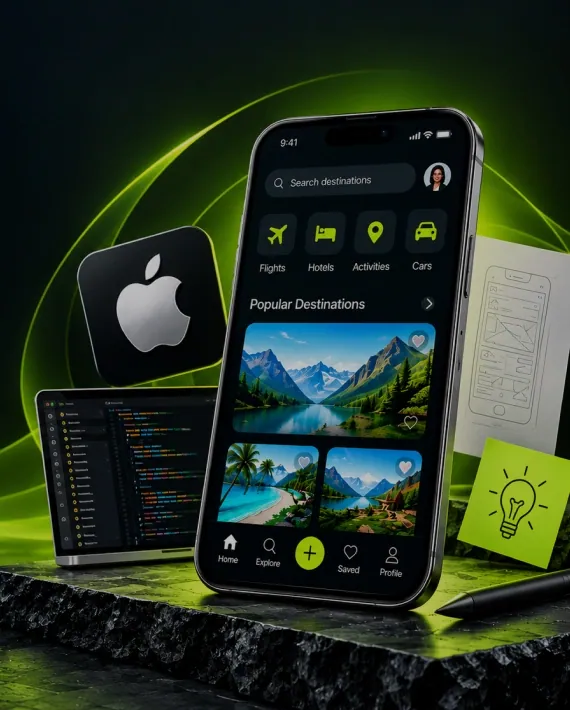










Quick answer: iOS app development means building a native application in Swift and SwiftUI specifically for the Apple ecosystem, rather than a cross-platform app adapted to run on iPhone. As mobile-first experiences become the default channel for commerce and engagement, the businesses investing in that native quality now are the ones capturing the growth.
Consult Our iOS Experts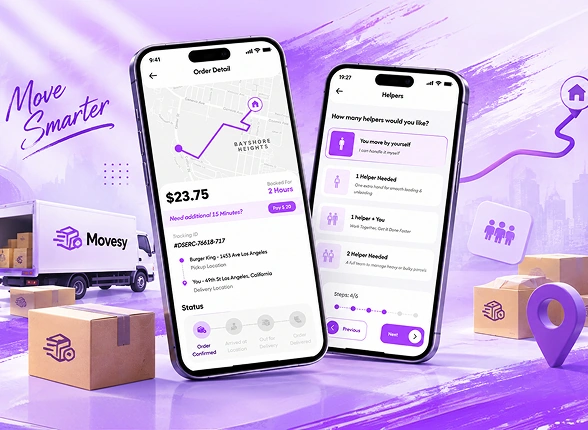
Logistics
Movesy needed an on-demand moving app connecting people with vetted moving crews and helpers.
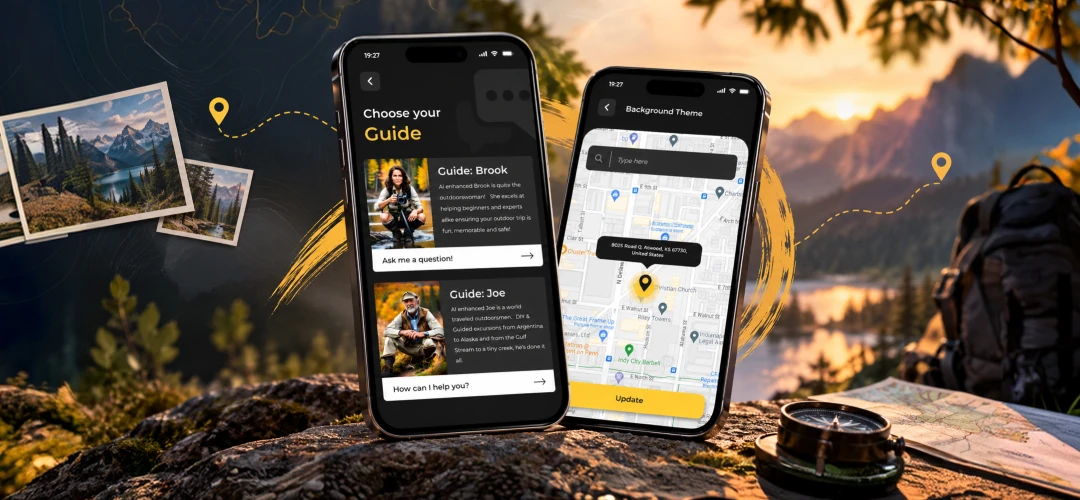
Sports & Recreation
Hunters and anglers wanted one companion app to identify species, log catches, and plan trips.
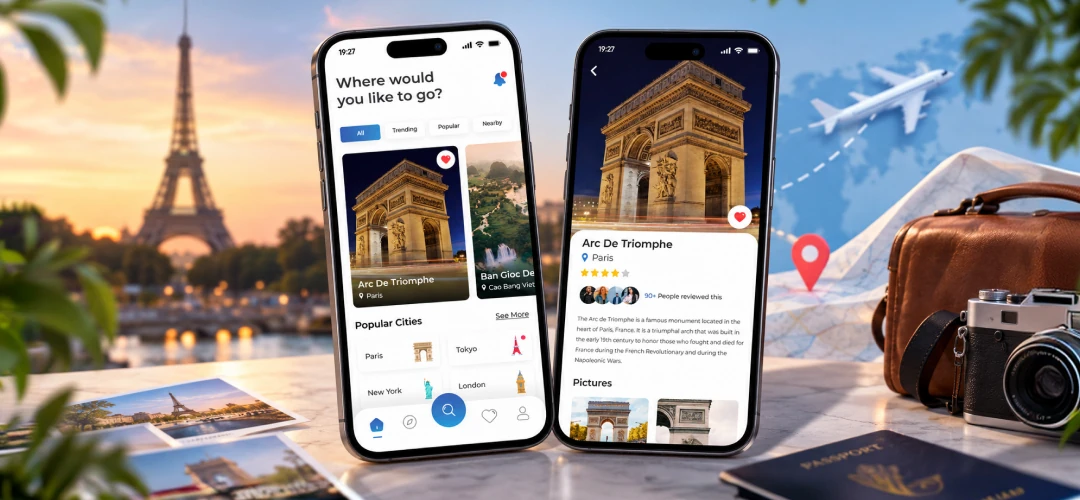
Travel
Trip planning meant hours of manual research before travelers had an itinerary.
The companion app Apptechies developed for our UV Pro wearable brings heart rate, HRV, stress, SpO2 and sleep tracking together in one beautiful app. Their technical execution has been exceptional.
Defining scope, platform strategy, and success metrics before any design or engineering begins.
Human Interface Guidelines-aligned UI/UX design, validated with prototypes before development starts.
Native Swift and SwiftUI engineering in two-week sprints with working builds at every checkpoint.
Testing across real devices and iOS versions, not just the simulator, before every release.
App Store submission, review handling, and an ongoing support window after launch.
Common questions about iOS app development services. Can't find yours? Ask us directly on the right.
It covers architecture and platform strategy, UI/UX design, native Swift and SwiftUI engineering, QA across real devices, and App Store submission and launch. Smaller engagements can focus on a defined feature set rather than a full build.
A focused iOS MVP typically runs $40,000 to $80,000, a full-featured native app with backend and integrations $80,000 to $200,000, and a complex app with AI features and enterprise integrations $200,000 to $400,000. The real driver is scope, which is why we scope against your actual requirements before quoting.
The number of features, integrations, and user roles all affect the schedule, along with App Store review time once you submit. An MVP typically takes 3 to 4 months from kickoff to App Store submission; a more complex app with multiple integrations usually runs 4 to 6 months.
Ask to see apps they have actually shipped and how those apps perform in the App Store today, not just a portfolio screenshot. Compare how each proposal handles architecture decisions, security, and post-launch support. Our guide to choosing a software development company covers the same evaluation criteria in more depth.
We start with strategic planning, then move through Human Interface Guidelines-aligned design, native Swift and SwiftUI development, QA, and App Store submission, followed by post-launch support. Each phase produces something you can review before the next one starts.
Native Swift is the right call when performance, AR or camera features, watchOS integration, or platform-specific UX matter, which covers most fintech, health, and AR-heavy apps. Cross-platform frameworks like React Native make more sense when one codebase across iOS and Android matters more than squeezing out the last bit of native performance.
Yes. Most iOS apps still need to connect to a CRM, payment gateway, HealthKit, or internal API, which runs through the same software integration services we offer as a standalone engagement.
Yes, we're happy to sign an NDA before any detailed discussion of your app concept or business logic; just mention it when you reach out and we'll send one over immediately.
You do. All source code, designs, and IP transfer to you on final payment. We don't retain any ownership claim or licensing requirement over what we build for you.
Yes. App Store submission, review handling, and App Store Optimization are included as a standard part of every iOS engagement, not billed as a separate afterthought.
Yes. We regularly take over aging iOS apps, migrating from Objective-C to Swift, re-architecting for performance, and modernizing the UI, usually without a ground-up rewrite that would put your roadmap on hold.
Keychain-based credential storage, certificate pinning, and Face ID authentication are implemented from the first sprint, not retrofitted before launch, with additional controls layered in for regulated industries.
Yes, you can bring on dedicated Swift developers to work inside your existing team and codebase, or we can run the full project as a dedicated team.
We build for businesses across the United States, United Kingdom, India, Australia, and the UAE, alongside international clients outside those markets, including our mobile app development company in Texas, which covers native iOS work.
Every engagement includes a post-launch support window, and most clients continue with an ongoing maintenance and iteration retainer. The engineers who built your app stay accountable for it in production.
Tell us about your app idea and our senior iOS engineers will get back to you within 2 hours on business days.