Category: Tech Stack | Apptechies

  • How to Upload an App to Google Play Store: A Complete Guide

    After completing the application development process, it’s time to launch your unique product into the public. First publications may be exciting and challenging. The Google Play Store is the platform where we will walk you through the release process today. You are preparing to release your own mobile app by this point. Google Play Store is the ideal channel for reaching billions of people. This is a comprehensive guide you were looking for if you have been wondering how to upload an app to Google Play Store.

    Things to Do Before Adding the App to Play Store

    Before getting started, you should point out that before submitting your app to the store, you should take the following factors into account. The release version of your program must first be created and signed before it can be released for review, testing and submission. However, you must first check that the following criteria are met to upload an app to Google Play Store:

    Enroll in Google Play App Signing

    You must ensure that you sign your app on Google Play. This is the method that experts suggest to upload an app in Google Play Store. Make sure to sign up for Play App signing if you create and submit an Android app bundle. Android app bundle contains the compiled code and resources for your app. This app bundle creates and provides APKs that are optimized for each device type. To execute an app successfully, only the code and resources for a particular device are downloaded. You receive smaller, more optimized downloads for creating, signing and managing several APKs to optimize the support for various devices.

    Limit Your Compressed Download Size to the Recommended Amount

    You can enable all configuration APKs to ensure that your files and resources are required for your app to function properly on your devices. You can make your app smaller by removing unnecessary code and resources, or you can employ best practices to make the app even smaller.

    Steps to Upload an App to Google Play Store

    Once your app satisfies these criteria, you can proceed and follow the publishing instructions and steps.

    Google Play Developer Console

    To register for a Google developer account, you can use any of your active Google accounts or make a new one. It could be a personal or business account. You can effortlessly migrate your app to another one. Getting Google’s permission takes no more than two days. If you forget something, you can edit your account.

    Linked Developer Account with Google Wallet Merchant Account

    You will need a merchant account if your software supports in-app purchases and is being posted to the Play Store. You may create one by logging into your Google Play Console account, selecting reports then financial reports. After that,you can choose to “Set up a merchant account now” and enter your information. Google Play Console account will be automatically connected to the merchant account, enabling you to oversee and track app sales.

    Create application

    Here are some steps need to take to publish the app to Google Play after logging into developer account:

    • Go to the “All applications” tab in the menu.
    • Choose the “Create Application” option that you will see.
    • Select the application’s default language from the dropdown menu.
    • Enter your application’s title
    • Click “Create”

    App Store Listing

    Your preparations will be useful at this moment as Google Play uploads are happening. You must carefully fill up all the information and details you have already prepared in this step of the process to upload an app to the Play Store. To enhance the likelihood that your app will appear in searches, use the right keywords in the description of your app. Additionally, be sure to utilize all the information provided in the necessary section for app listing.

    Upload APK to Google Play

    You must now upload the files, such as the signed app release and app bundle or APK, into your application.

    • Go to “Release Management” tab
    • Then, “App Release” tab on the menu

    Following that, you will be prompted to select one of the four release types that includes internal test, closed test, production release or open test. You can choose “Create Release” once you’ve determined what kind of release you want.

    You will now be taken to the page for the new release to production. You must choose whether to sign on to the app through the Google Play apps store at this point. Simply select the “OPT-OUT” option if you decide to take the latter course. Choose “Browse files” next, then follow the on-screen prompts to name and describe your release while looking into how to upload an apk to the Google Play Store. To confirm the information, you can also click on “Review”. Press “Save” once everything has been taken care of.

    Time for Content Rating

    Rating your app is the next stage in the process of publishing Android apps to the Play Store. It is essential to rate the program since, as it is now classified as “Unrated”, it may be completely removed from the store. You must once more access the menu on the left side of the screen and choose the same option for Content Rating. You can proceed by selecting “Continue”, entering your email address in the appropriate area, and then clicking “Confirm”.

    You can now complete the survey to rate the app. To see your app’s rating on the Play Store, click the “Save Questionnaire” option after that, and then select the “Calculate Rating” option. Clicking “Apply” is the last step to complete the content rating for your app.

    Fix App Pricing and Determine

    Google doesn’t support app publication for all regions. The app will be published in selected countries instead of worldwide. Additionally, giving your app pricing is really important. Ensure that your decision makes your app free is permanent if you do so, Google does not permit you to change a free app’s status to paid.

    • To begin, select the Pricing and Distribution tab from the menu
    • After which you must decide whether your app will be free or paid off.
    • Use the primary child-detected option for “Yes”
    • Select “No” if the situation calls for it.
    • Allow adverts inside your application in a simple manner.

    Publish the Application

    The final step of this advice on how to publish an app to the Google Play Store is to add the program to the store, once you are certain that everything is correct. You must return to the “App Releases” tab and choose “Manage Production” before choosing “Edit Release”. Following that, select “Review” and then “Start rollout to production”. Selecting the “Confirm” option will finish this process and the app has been successfully posted to the Google Play Store apk account. Google Play Store modified its privacy and policies and approved an application.

    How to Get Your App Featured on Google Play Store?

    Here are the various Google Play requirements that top Android app development company adhere to. Ensuring that your app is featured on Google Play and appears on the Google Play editor’s choice list.

    User Interaction & Visual Design

    Google advises that all Android apps adhere to the material design principles for their mobile user interface. These guidelines increase the likelihood of an app that will be selected for the Featured Article section of the Play Store to provide you with an interactive experience. In the end, designing your app with user experience is a great approach that has the potential to become a Featured Play Store app.

    Standard Design

    Apps shouldn’t change the clear use of a system icon, like Home or Back buttons. The system icon behaves exactly like the system icon. Android UI pattern shouldn’t be abused by the app in a way that leads to misleading actions.

    Navigation

    The app shouldn’t make use of any custom back buttons and support the system back button. This button should be used to close every dialogue box. Pressing the home button returns you back to the home screen.

    Notification

    It is preferable to bundle multiple notifications into one. Only when they are pertinent to the active user task should notifications be persistent. Any content that is unrelated to the mobile app’s primary operation should not be included in the notification.

    What Should You Do After Submitting Your App to Play Store?

    After successfully publishing your application to Google Play Store, ensure that your application enjoys global exposure on Play Store. Let’s see what to do next.

    Initiate Press Release

    Press releases are one of the best ways for brand promotion. With this, your brand will be highlighted and numerous newspapers will write about the launch of your app, allowing it to eventually reach a larger user base and forge genuine connections. It includes the words, qualities, and insights of the mobile app creators and the product itself. It is a terrific illustration of what users anticipate as being good.

    Promote your App on Social Media

    Social media is a fantastic tool for boosting the appeal of your application. There are numerous social media platforms like Instagram, Pinterest, Facebook, and many more are often used. Advertising your app on these sites ensures increased traffic and ultimately increased downloads.

    Practice Android Store Optimization (ASO)

    All the leading Android app development companies are renowned for their use of app store optimization. Often referred to as ASO, it mainly concentrates on efforts that target elements to increase awareness and exposure of your application on app stores. These procedures aim to boost the application’s rate of conversion from impressions to downloads.

    App Maintenance & Update

    You cannot simply submit the app to Google Play Store and walk away from it. You must effectively maintain your application, roll out regular updates and fix any bugs or issues you may have. Something needs to be maintained on a regular basis, not just once. Therefore, be sure to upgrade your app with the most recent app stack and address any issues.

    Conclusion

    you can follow the above instructions to successfully upload an app to Google Play Store. Effectively use marketing strategies to attract customers and maintain an app on a regular basis. At Apptechies, we have technology experts who turn your imagination into reality as an Android application.

    Frequently Asked Questions

    Q: How Much Does it Cost to Upload an App on Google Play Store?

    Ans: There is only a one-time fee of $25 for publishing an app on Google Play Store. After submission of the first application, all the apps will be published free of cost.

    Q: How Long Does it Take to Publish an App on Google Play?

    Ans: An application can be published in the Google Apps store at any time. Although submitting an application through the Google Play Store Console is a quick and easy procedure. The time it takes for your app to be assessed and chosen might range from hours to day.

    Q: How Long Does it Take for an App to be Approved by Google?

    Ans: Google Play Store takes a while for the lengthy app reviews. The average turnaround time for a mobile app to be evaluated and approved on the Play Store is three days. For some developer accounts, they do take longer. According to Google app review guidelines, a select app may be subjected to lengthier reviews. Google advises giving your app a 7-day window of time between submission and launch.

  • How Zomato Works: A Complete Guide to the Business Model and Revenue Insights

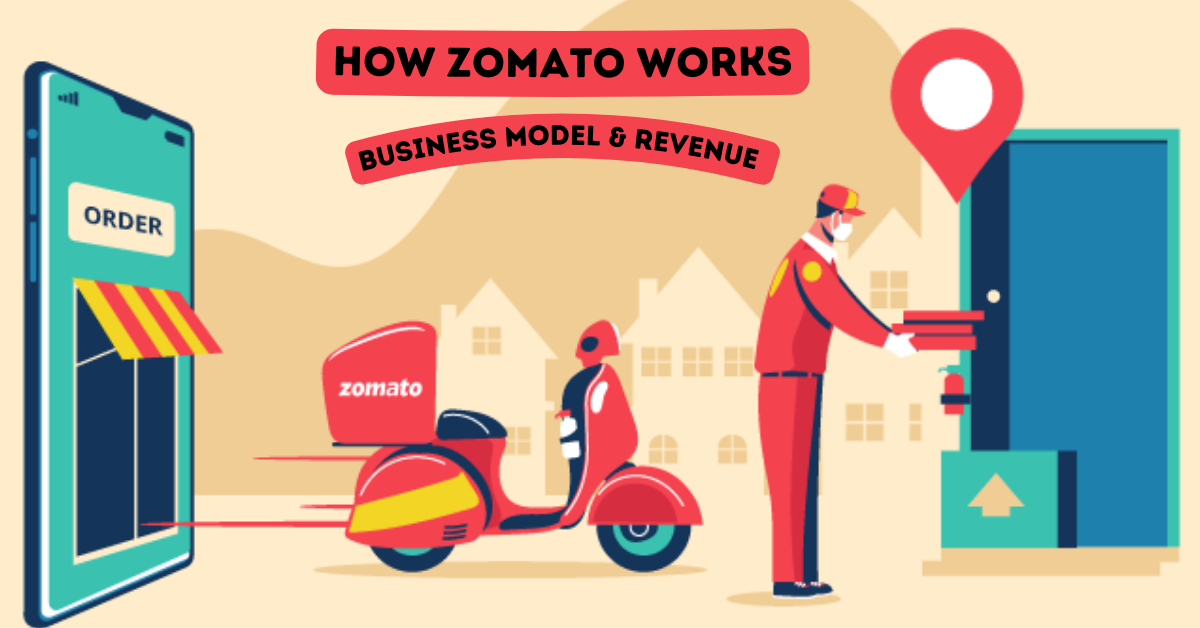
    Today, Zomato is the most-demanded food delivery service in the world, delivering food right to your door. You might be wondering why Zomato makes such a significant income from food delivery at this point. Let’s get into the specifics of how Zomato works, Zomato startup story and how it generates revenue insights.

    What is Zomato and How Does It Work?

    Zomato is a most extensive and user-friendly app for locating nearby eateries where they can eat in person or place an online food order. It provides reviews, menus and ratings to gather factual information on restaurants. You can place orders and savor delicious food in the comfort of your home using this information. Zomato provides prompt delivery to customers’ doorsteps, which is wonderful for foodies.

    Even seasoned business owners and entrepreneurs are intrigued by how it runs and generates significant profits despite providing alluring discounts. Zomato’s main job is to give you recommendations for nearby restaurants and take your orders. You can place orders at your chosen restaurant based on ratings and reviews from previous customers. It offers convenience to you and helps proprietors expand their small local food industry.

    • You can browse different restaurants on the Zomato app or website and place food orders.
    • Specific restaurant owners accept orders and prepare meals.
    • Once the meal is prepared for delivery, it will be given to the delivery companies.
    • Deliveries are made to the customer’s preferred location.
    • You can make payments using available payment choices and then evaluate them based on their experiences.
    • This ease of use encourages foodies to place online food orders. If you already work in the food industry and want to increase your reach, Zomato will provide a return on investment over time.

    Zomato Foundation: What is the Success Story Behind the Idea

    Zomato, established in 2008, has quickly expanded with successful startups worldwide. Deepinder Goyal and Pankaj Chaddah, graduates of Delhi IIT, launched Zomato in 2008. In the history of Zomato, prior to November 2010, Zomato was known as “Foodiebay”. They noticed their coworkers looking through menus from several eateries to place an order. At that point, they had the bright idea to create digital versions of these manual menus. Zomato started to display the number of restaurants available in the market after expanding its reach around the globe. Before UrbanSpoon entered the market, Zomato’s success story already had a strong presence there. Today, it operates in 22 nations and has more than a million restaurants.

    Zomato has a group of food soldiers visit each restaurant to ensure that their data is secured. You can write stories based on their eating experiences, express their thoughts and offer reviews. Zomato is a user-friendly app to purchase food online and become more social. Zomato makes it simple for you to order food on your mobile device and have it delivered right to their location.

    What is the Zomato Business & Revenue Model?

    Zomato’s business strategy is to offer consumers an all-inclusive and practical web platform. This platform can be used to look up restaurants, view menus, read reviews and make reservations. Advertising and restaurant subscription fees are how the business makes money. Zomato, one of the top websites for ordering meals online, is currently used in roughly 22 nations worldwide. Restaurant owners add themselves to the Zomato app to raise their internet presence. Business model of Zomato explains in detail how Zomato works:

    Discovering New Restaurants

    You may find new restaurants using the Zomato platform depending on your location, culinary interests and other factors. On the platform, restaurants can make free listings, but they can also pay to have their listings listed more prominently. It is an important source of income for Zomato.

    Online Ordering and Delivery

    Zomato lets you order food from participating restaurants through online ordering and delivery services. Zomato charges a commission fee, which is between 10% and 15% of the total transaction amount for each order. Zomato has been extending its delivery services recently, and this is another key source of revenue for the business.

    Advertising

    Restaurants can purchase banner ads and sponsored listings on Zomato’s platform to promote their establishments. Zomato employs tailored advertising to connect with specialized audiences, including consumers drawn to a certain cuisine or restaurant style. This is another significant source of income for the business.

    Premium Subscription Services

    Zomato provides restaurants with premium subscription services that come with extra features and advantages, including improved visibility and analytics. Restaurants might pay a monthly or annual fee for access to these services. This is also a source of income, but its popularity has increased as more eateries want to enhance their online visibility.

    Data Insights

    Zomato gathers and examines performance and user behavior data to offer insights to restaurants and other industry stakeholders. Restaurants can use this information to improve their prices, menus and marketing tactics, making it important to them. Zomato uses this information to enhance both its platform and services.

    Zomato Revenue Model

    Zomato has expanded its global presence in the food industry since it first began. Its revenue model explains how Zomato makes money. To help you understand how Zomato produces such a sizable profit through its business model and diversity, some of the sources of Zomato revenue model are:

    Restaurant Advertising

    Zomato provides restaurants with an advertising policy to increase their revenue and customer base. Advertisements are the company’s most reliable and important revenue source. More than 70% of its revenue comes from this source. Advertisements enable restaurant owners to post their banners on their websites to boost their visibility.

    Live Events

    Zomato organizes various events, such as Christmas Eve and New Year’s Eve, in partnership with specific restaurants to increase sales. To attend these events, you have to purchase tickets.

    Zomato Subscription

    Zomato predicts user behavior, such as what people look for, what dishes will be popular, etc., using cutting-edge technologies and algorithms. Restaurant operators must pay Zomato in exchange for this information. They may improve their offers and please customers on the basis of that information.

    Zomato Food Delivery Services

    Zomato takes 20-25% commission on each order from the particular restaurant. In different places, the commission rate may range from 5 to 7 percent.

    Zomato Kitchen

    Zomato helps some restaurant owners who want to grow their business into new markets by providing a kitchen infrastructure solution. It implies that business owners can easily open a restaurant in an ideal location with low fixed and running costs.

    Conclusion

    In conclusion, Zomato is an approachable platform that gives you access to various services. It is dedicated to offering a secure and trustworthy service to its users through its safety precautions and customer assistance. You were able to create the largest food-ordering network as Zomato’s effective business and revenue model. Zomato has been dominating this sector for many years and is still expanding. If you are looking for a mobile app development company to develop an application like Zomato, we are always available to assist you. 

    Frequently Asked Questions

    What are the Main Strategies of Zomato?

    Zomato follows different strategies for their marketing purposes, including SEO strategy, social media marketing, paid advertising campaigns, email marketing and visual advertising.

    Why is Zomato Better than Swiggy?

    Both Zomato and Swiggy are online food delivery platforms that offer an exceptional and similar range of services. They allow us to order food online from a wide selection of restaurants and have it delivered to our doorstep.

    Zomato is in a superior position in terms of marketing, innovation, market share and acquisition. It has expanded its services to include restaurant discovery and reviews, online ordering, table reservations and delivery of groceries. On the other hand, Swiggy has primarily focused on food delivery services.

    What is the Concept of Zomato?

    Zomato is a food technology company that provides restaurant discovery, food delivery services and online ordering. This platform includes information about restaurants that helps you make informed decisions about where to eat. Zomato also offers online ordering and table reservation services, as well as food delivery through its network of delivery partners. Zomato has also expanded into other areas, such as online payments and event management.

    Why is Zomato’s Marketing So Good?

    Zomato’s marketing is considered good for several reasons. First and foremost, the company has built a strong brand image and reputation by consistently delivering high-quality services and experiences to its customers. This has resulted in a loyal customer base that actively promotes the brand through word-of-mouth marketing.

    Additionally, Zomato has been able to effectively leverage social media platforms to connect with its target audience and create engaging content that resonates with them. The company has a strong presence on various social media channels, such as Facebook, Twitter and Instagram, where it regularly shares updates about its services, promotions, and events.


    How to Write an Effective Business Plan for Your Mobile Apps?

  • Unlocking the Potential for IoT Applications Development

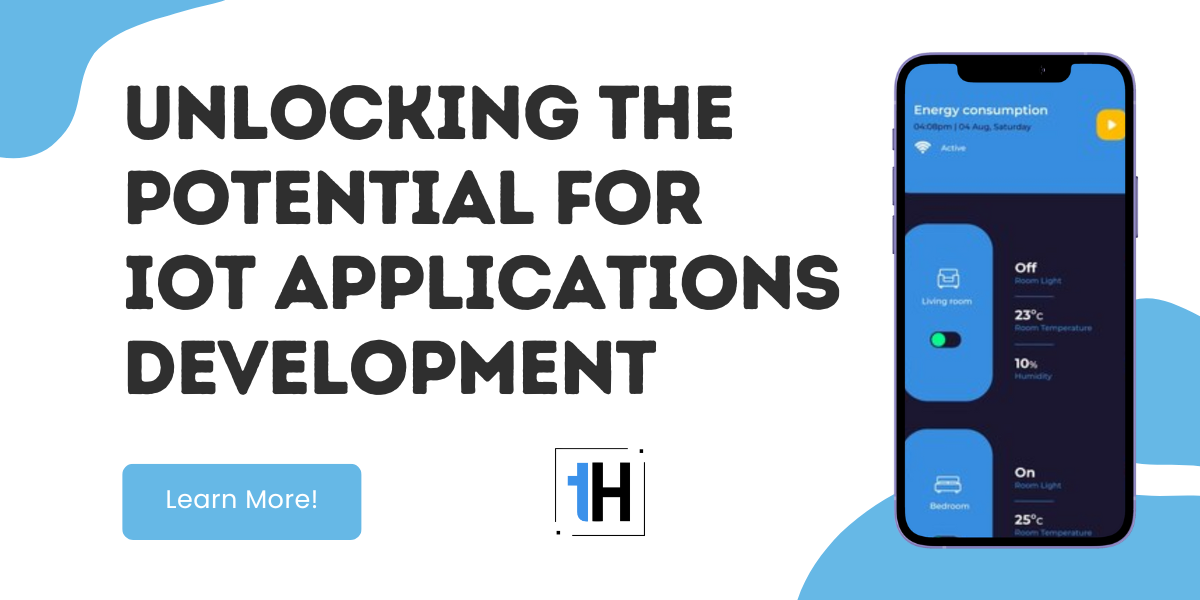
    IoT (Internet of Things) application development involves creating software solutions that enable devices and systems to connect, communicate and exchange data over the internet. This can include anything from smart home devices like thermostats and security cameras to industrial equipment and even vehicles. With the IoT application development process, we can gain more insights into our products through data processing and analytics. It also enables us to create new business models, provide better customer service and increase revenue.

    Key Principles for Successful IoT Application Development

    There are various key principles for developing a successful IoT application, as follows:

    Ensure Safe Data Collection

    Information is gathered using specialized equipment outside of traditional data transmission networks. As a result, when creating a custom IoT application, it is crucial to consider how to protect the received data.


    Organize High-Speed Data Streaming

    As a result, independent mechanisms other than traditional packet transfers must be considered for the efficient streaming of such large volumes of information. 

    Create a Platform for the Internet of Things (IoT)

    The Internet of Things platform is a collection of software tools that work together to store, systematize and process data from electronic devices.

    Develop Cloud-Based IoT Solutions

    Cloud solutions are commonly used to ensure the rapid delivery of processed data to a user device and organize centralized storage. These systems can ensure the efficient operation of Internet of Things application development while requiring minimal operating costs and carrier network requirements.

    Make Provisions for Efficient Data Management

    Data processing and in-memory analysis systems ensure that processed results are delivered to the end user as soon as possible, even if the data collection devices fail.

    A well-designed and dependable IoT application is crucial for integrating with IoT devices, as customers will only purchase the device if the app meets their expectations. While developing an IoT application, there are numerous factors that we have to consider:

    AI Data Analysis

    IoT devices generate vast amounts of data that can be analyzed using AI algorithms to extract insights and inform decisions. AI data analysis can help IoT application developers create smarter and more efficient applications that can enhance productivity, reduce costs and improve safety and security.

    Plug Security Gaps

    To prevent cybercriminals from exploiting the inherent vulnerabilities of the IoT, it is necessary to develop apps that fill in the gaps and secure data transfer. Securing IoT application development requires a comprehensive approach that includes secure communication, strong authentication, regular updates, access control, threat modeling and penetration testing. By implementing these measures, we can plug security gaps in IoT application development and ensure that IoT systems are secure and reliable.

    Create a Continuous User Experience

    IoT application development allows us to embrace Continuous User Experience (CUE) that entails data collection from anyone using an application. We can analyze the data to learn how users interact with it. This enables us to improve and refine an app based on user feedback, making it more user-friendly. By optimizing an application, we can increase customer loyalty and stay ahead of the competition.

    Business Opportunities

    IT solutions can grow with time and develop into a separate ecosystem, managing many different processes and workflows. IT solutions can evolve into a separate ecosystem capable of managing a diverse set of processes and workflows over time. These solutions provide businesses with automation of business processes, improved data sharing across businesses and the ability to engage in more productive remote working.


    Steps to be Followed in IoT Application Development Process

    Here are the key steps involved in developing an IoT application:

    Define the Problem

    Identify the problem you want to solve or the opportunity you want to pursue with IoT technology.

    Choose the Hardware

    Select the devices and sensors that will be used to collect data from the physical world.

    Choose the Connectivity Method

    Determine how the devices will communicate with each other and with the internet.

    Design the Software

    Develop the software that will run on the devices and in the cloud, including the user interface and the analytics engine.

    Build the Application

    Build and test the application, and then deploy it to the cloud or on-premise infrastructure.

    Monitor & Maintain

    Continuously monitor the performance of the application and make adjustments as needed to ensure it is functioning properly.

    When developing an IoT application, it is important to keep security and privacy in mind, as these systems can collect sensitive data. It’s also important to consider scalability and interoperability, as IoT ecosystems can be complex and require integration with other systems.

    Overall, we can guide you through all stages of your IoT application project, from conceiving new products and services to prototyping and commercializing new technologies. You can create IoT applications that are secure, reliable, and meet the application requirements


    In 2025, Use the Top 12 Best Databases for Web Applications

  • How AI is Revolutionizing the Industries?

    Artificial intelligence

    AI has become one of the most transformative technologies of the 21st century, and it is having a significant impact on businesses across all industries. From automating routine tasks to enhancing decision-making capabilities, AI is revolutionizing the way businesses operate. In this article, we will explore the ways in which AI is influencing business and how organizations can leverage this technology to stay competitive.

    Automating Routine Tasks

    One of the primary benefits of AI is that it can automate routine tasks, freeing up employees to focus on more strategic initiatives. For example, AI-powered chatbots can handle customer inquiries and support, reducing the need for human customer service representatives. Additionally, AI can automate tasks such as data entry, document processing and inventory management.

    Enhancing Decision-Making Capabilities

    AI has the ability to analyze vast amounts of data quickly and accurately. By processing data and identifying patterns, AI can help businesses make better-informed decisions. For example, AI can analyze customer data to provide insights into consumer behavior and preferences, which can inform product development and marketing strategies.

    Improving Efficiency and Productivity

    AI can also help businesses improve their efficiency and productivity by streamlining processes and reducing errors. For example, AI can optimize supply chain management by predicting demand and automating inventory management. AI can also analyze manufacturing processes to identify areas for improvement and reduce waste.

    Creating New Business Opportunities

    Finally, AI is creating new business opportunities for organizations that are willing to embrace this technology. For example, AI-powered virtual assistants can provide personalized customer service, and AI-powered drones can streamline deliveries. Additionally, businesses can leverage AI to develop new products and services, such as predictive maintenance solutions.

    AI Projects Delivering High-Level Business Impacts

    Our analytics executives can leverage AI projects to offer value in the following ways for high-level business impacts:

    Innovation

    Digital business introduces new problems that might not be resolved without the help of AI specialists. Our AI experts can determine which new information sources should be gathered to assist firms in resolving persistent challenges. We develop creative solutions by framing challenging business problems as operations research, graph, machine learning or search problems. Also, the ongoing data collection made possible by AI might aid businesses in creating new or improved services.

    Exploration

    Data exploration aims to find the events that are drivers and those that are inhibitors. Our AI professionals may discover potential new customer touchpoints or develop underlying business processes to investigate data for any insights they can glean. Data-based innovation may then result from this kind of knowledge.

    Prototyping

    When attempting to identify intricate, logic-based business problems, both AI and machine learning are helpful. AI systems frequently produce better results in the presence of dynamic factors as compared to human decision-making. It might get lost in growing problem-solving techniques as the issue grows more complicated and the amount of available data increases.

    Refinement

    We continuously enhance our AI procedures to keep up with the development of new products and take into account feedback from customers and other ecosystem partners. The data produced by new gadgets and wearable devices requires us to quickly adjust to changes in client touchpoints. Our company could benefit from new customer contextualization techniques to improve performance. To enable this technique, current models and data source inputs will need to be modified. 

    Firefighting

    Every company will experience a crisis at some point, whether it is brought on by a sudden increase in consumer complaints or a sudden decline in profitability. We can better comprehend what’s really going on and how to handle those problems by having an AI team ready to dive deep into the data produced by the crisis.

    The Future of AI and Businzess

    Though it is difficult to predict how AI technology will evolve, our experts believe that common sense tasks will become easier for computers to process, allowing robots to become more useful in everyday life. It is predicted that AI will eliminate the two-dimensional screen form of digital technology. Instead, the physical environment around an individual server is the primary user interface.

    Final Thoughts

    Artificial intelligence is having a profound impact on businesses across all industries, from automating routine tasks to creating new business opportunities. By leveraging AI, organizations can improve efficiency, productivity and decision-making capabilities, giving them a competitive advantage in the marketplace. As AI continues to evolve, it is essential for businesses to stay up-to-date with the latest developments and embrace this technology to stay ahead of the curve.


    Our Highly Demanding React Native Projects of 2025

  • How Efficiently Motion Capture Works in the Animation Industry?

    Motion Capture is a widely used technology that records the motion of people or objects. This technology records the motion, and the information collected is then sent to computer software that provides photorealism in a virtual setting. It was developed for gait analysis in the life science sector, but it is now widely utilized by VFX studios, neuroscientists, sports therapists, and for the validation and management of robots and computer vision systems.
    We use motion capture suits that place markers as close to the actors’ essential joints as possible. They have undergone numerous design iterations, were specifically created with this in mind, and are made of specialized materials. Using hook and loop Velcro, the optical markers are fastened to the suit. The markers will then be further attached using coloured neoprene patches. These patches help us identify the players on the screens and during post-production by preventing the markers from migrating to other parts of the body or to other performers.

    How Motion Capture Works?

    Motion Capture uses light reflections to capture movement. Markers are the performers who wear a suit covered in reflective dots. Cameras with customized lighting capture the movements of the marks as the actor travels around the studio. Calibration is required to ensure that the cameras are just capturing light from the markers and can see the actors’ movements. The 3D animated skeleton is created from these motions.
    Some of the skeleton may vanish when the actor moves if the light on specific markers is obstructed. By telling the software what happened to those marks, a technician cleans the video. You are now prepared to record an action. The technician then goes over the tape one more time to ensure that all of the markers have the correct labels. Until all actions have been captured on film, this filming and cleaning procedure continues.

    Techniques Used in Capturing Motion of an Object

    Optical (Passive): This technique enables retroreflective markers to be affixed to people or things and reflect light coming from the direction of the camera lens. After being reflected, the light is utilized to determine and record the marker’s location in a three-dimensional space.
    Optical (Active): This method allows markers to produce light instead of reflecting it. Thus, a power source is needed for the markers.
    Marker-less: No markers of any kind are required for this procedure. It tracks and records moving people and objects using depth-sensitive cameras and specialized software. It is often regarded as less accurate than optical or mechanical-tracking alternatives.
    Inertial: Inertial Measurement Units (IMUs) have sensors to monitor rotational rates used to record movement. Magnetometers, gyroscopes and accelerometers are the most prominent sensors found in IMUs.

    Steps to Follow While Starting Motion Capture

    Choose a Motion Capture Format

    We advise you to only take into account optical passive for more significant projects with larger expenditures. A bodysuit, software and infrared-capable cameras are needed. The inertial kind is ideal for all other uses. You can capture interior mocap in any setting with any set pieces as long as you have Wi-Fi.

    Choose a System and Software

    The majority of motion capture systems include proprietary software that was created to work well with their cameras or suit.

    Ensure the Integration of Mocap Data

    Several studios only use Autodesk products, such as Blender, Unity, Maya, Unreal Engine, Houdini and Cinema 4D. Ensure your systems can incorporate the mocap data that was taken.

    Detect Motion and Clean the Data

    Although motion capture data is susceptible to errors, it can also be extremely accurate. When moving quickly and erratically, the margin of error grows. Hence, if your movements are intricate, be mindful of the additional animation time you could require in post-production.
    Overall, motion capture is becoming prominent in the animation of characters. It has become an essential tool in modern animation production, allowing for more fluid and lifelike movements in character animation.

    Our Highly Demanding React Native Projects of 2024


    Cross-Platform App Development Made Easy with Flutter

  • Our Highly Demanding React Native Projects of 2026

    React Native is a framework that enables the simultaneous development of applications for PC, Android and iOS using JavaScript. It is an open-source that allows us to showcase our talent by developing native and other applications for different platforms. Working on projects aids in understanding the practical norms of the framework, irrespective of our knowledge level.

    Defence Wards Matrimony

    Defense Wards Matrimony is a matrimonial site for those belonging to the defense industry. This platform was created specifically to help defense wards connect and form a matrimonial bond. It contains a large number of profiles created by parents for their children who are or were active duty members of the Indian Army, Navy, and Air Force. Individuals can find their grooms and brides with a defense background.

    ROCKET+ Courses

    This application was created to help us improve our knowledge and skills in various concepts by playing quizzes. Every question you answer is time-based and will give you points for the correct result. This app will give you a star rating and show your result history based on your performance.

    THB (The Humans Barber)

    Our The Humans Barber application enables you to choose your best barber from any nearby shop. You can hire a barber at your convenience for an affordable price that will save you time and money. Using this app, you can order the products that will take care of your hair. Your friends and acquaintances can send you the gifts as any product or pay for them through digital payment methods.

    Trip Pix

    This project was developed in the tourism sector based on how travel makes us feel. You can choose your destination and mode of transportation at an affordable and convenient price. Booking can be done by selecting the travel time, date and number of persons. You can make payments easily through a card with fewer details. Travelers can share their journeys and memories with others through this application.

    Loadguru

    Loadguru is the website intended for supply chain solutions to deliver goods from one place to another. Through this application, the products are shipped with better quality, speed, authenticity and affordability. Strategic supply chain solutions that satisfy all shipping needs are guaranteed by LoadGuru. We occasionally endeavor to improve the customer experience and build a better transportation system in North America using our knowledge and ethics.

    To conclude, I hope you enjoyed my suggestions for React Native projects and understand this framework more. Although the structure may initially seem intimidating, with time and experience, you will become accustomed to it. You can participate in quizzes and coding contests along with building products to build up your skills.


    How Efficiently Motion Capture Works in the Animation Industry?


    How AI is Revolutionizing the Industries?

  • Blockchain App Development by a Leading Company in USA

    A blockchain is a shared, distributed database or ledger between computer network nodes. It serves as an electronic database for storing data in digital form. The most well-known use of blockchain technology is for preserving a secure and decentralized record of transactions in cryptocurrency systems like Bitcoin. The innovation of blockchain is that it fosters confidence without the necessity for a reliable third party by ensuring the fidelity and security of a record of data.
    Blockchain applications are decentralized applications that are also known as DApps. A blockchain does not have a server that acts as a middleman between users exchanging messages, money or data. Blockchain application development is essential for a wide range of companies in the USA because of the numerous opportunities that it creates for various industries.

    Blockchain Development of Applications

    Blockchain development is the method of developing a shared, immutable Distributed Ledger Technology (DLT) that tracks assets and safely records transactions inside a network, whether those assets are actual, like money or real estate, or nonphysical, like copyrights.
    It is useful for a wide range of sectors because it makes information transmission possible accurately, rapidly and securely. For members of a permission network, a blockchain network offers transparent delivery and storage regardless of whether you are tracking orders, accounts, production, payments or other data.
    The emergence of blockchain technology has a number of advantages, but you must first comprehend it in order to take advantage of its potential.

    Blockchain Application Development Process

    Formalize Your Idea

    Prior to the development of any blockchain application, the idea is the first thing you need to consider, just like with any business or product. You should determine whether a blockchain is even necessary. Before formalizing your idea, think about the issues your DApp will attempt to solve.

    Research for Competitor

    Analyze the solutions available by looking at the current market. You’ll undoubtedly find your niche or learn how to execute the same function better than another app.

    Analyze Your Options

    Use an open blockchain for your own application and develop a private network using blockchain application software. Find the blockchain service provider and then incorporate their cloud platform into your application. Create your own blockchain network on the platform that works best for your company.

    Select a Platform for a Blockchain App

    The range of skills your development team will need will depend on the platform you choose for your blockchain application. More traditional programming languages, including Java, C++, JavaScript and Kotlin, are supported by many platforms when developing blockchain applications. There aren’t many developers available in other languages like simplicity and solidity yet, and there aren’t many blockchain app development companies that can provide them.

    Begin with the Development Process

    The blockchain application development process depends on the language and platform were chosen for the project, the transactions and interactions strategy among all nodes and your census mechanism.

    Deploy and Maintain DApps

    The final phase of DApp development is deployment. Your app is finally released to the public through the Google Play Store, Apple App Store, or other app markets once the product is finished and all final tests have been completed. You can now collect data in your DApp and observe how users interact with it.
    One of the most crucial services for developing blockchain applications is maintenance. You’ll need to update the program to support new versions of libraries and operating systems in order to preserve its functionality and security.

    Benefits of Developing Blockchain Applications

    Transparency

    Other network users must confirm all data updates and transaction confirmations. Although every participant has no access to the data, a copy is always kept on each network device.

    Integrity

    No data can be altered in the blockchain.

    Privacy

    Despite being a highly transparent and decentralized system, a blockchain ensures that all interactions and transactions between network participants remain anonymous.

    Public Verification

    Any user has the ability to verify the system’s functionality. The blockchain’s peer users, or verifiers, vouch for each transaction.

    Easy Transaction

    Although many banks make an effort to offer mobile services, the transaction process isn’t always flawless due to rejected transactions, exchange rates and commissions. This isn’t the case with DApps because consumers can set up a blockchain wallet quickly and make fee-free cryptocurrency purchases.

    Conclusion

    Our blockchain application development company in the USA has incorporated blockchain into their products. With your own blockchain product or just by integrating a blockchain into your current product, you have the opportunity to take advantage of this untapped market.

    Top Emerging Technologies You Should Know About in 2025

  • From Idea to Launch: How to Build Your First App

    For startups, Apptechies specializes in custom app development for startups, as they will bring your idea or imagination into real life. It takes a lot of knowledge and time to create a high-quality digital product. We provide you with the option to outsource software development to an expert-level team, whether you are a startup founder or a startup accelerator. Our purpose is to assist US companies in transforming smart ideas into outstanding web and mobile apps.

    Beginning with conceptions and ending with the automation of the digital solution, app development is a process for start-ups. From web design to project release and maintenance, we provide a complete suite of software development services. As a startup tech partner, we support the identification of killer features and the creation of a product development strategy.

    Why Choose Apptechies for Startup App Development?

    Apptechies is aware of your needs and provides assistance by developing customized collaboration strategies. Depending on the requirements of our clients, we can employ platforms for hybrid and native apps. You can greatly profit from our amazing advantages if you choose to work with us as your startup app development partner.

    Why choose us? Chalkboard on a wooden background. Why choose us? Chalkboard on a wooden background Why Choose us stock pictures, royalty-free photos & images

    Flexibility in Time Zones

    In the time zone of your nation, we are constantly available to work. Employ one of our talented developers to complete the work according to your time zone.

    On-Time Delivery

    Our team of designers and developers uses state-of-the-art tools and an agile development process to deliver 95% of projects on time.

    Dedicated Team

    Our professional startup app development team is skilled at providing high-end business solutions using a variety of technologies and frameworks.

    Cost-Effective Solutions

    We provide the best mix of affordable prices and outstanding quality to provide the most competitive pricing in our market.

    Flexible Engagement Models

    We provide our clients with the liberty to choose from a variety of engagement and recruiting models rather than forcing them to operate within very restrictive and strict parameters.

    Maintenance and Support

    Get the help you need from our dependable maintenance and support teams at each level of development and delivery.

    Startups of Different Application Development Stages

    We work with various startup funding stages as a software development company for startups in the USA and provide our clients with flexible engagement models, such as fixed prices and hourly rates.

    Bootstrapped

    The startup is now focused on examining its possibilities and framing the concept into a product/service plan. Market research is essential and serves as the foundation for future business and marketing strategies.

    Startup Accelerators

    The creation of a startup product led to the creation of a successful business model. To adapt to market developments, the team is working on scaling the application and adding new features to it.

    Business-Angles

    Some of our clients obtained angel investments to decide when to reveal their final product. The objective is to create a product for the targeted market.

    Venture Capital

    It is the activity of expanding and satisfying various client needs. The developed application is currently scaling rapidly and starting to outlive its rivals.

    Development of Successful Application Startup

    According to studies, only a small percentage of businesses succeed, and the majority of entrepreneurs make several frequent errors. In order to avoid making a mistake, you should look before you leap while starting a business. There are various steps involved in the development of application startups, which are as follows:

    • Idea Validation
    • Detail-Oriented Market Research
    • Select the Best Platform
    • Concentrate on Developing a Perfect UI/UX Product
    • Product Development
    • Seek Out Growing Investment
    • Create a Marketing Strategy Plan
    • Establish a Monetization Strategy
    • Update and Enhance Your Application
    • Implement an App Retention Strategy

    Benefits of Outsourcing Startup App Development

    There are numerous benefits of outsourcing startup application development services in the USA, including:

    • Low Cost of Development and Operation
    • Adaptable to Your Time Zone of Operation
    • Having Access to Experienced Developers
    • Shorter Development Periods
    • Quality Services Guaranteed
    • Cutting-Edge Technologies
    • Improved Comprehension of Various Platforms

    Final Thoughts

    To conclude, we are an app development company in the USA to help you. We approach it with ease, providing thorough mobile app development for startups with proof of concept and leveraging the company to release its full potential.


    Top 15 Mobile App Development Companies in the USA 2025


    What is a Startup Accelerator Program? A Complete Guide!

  • Everything You Must Know About ChatGPT Chatbot

    ChatGPT is an OpenAI language model that answers text-based questions and produces responses in natural language. Natural Language Processing (NLP) aims to teach computers to comprehend and interpret human language. We can learn linguistic patterns and produce writing using ChatGPT that is cohesive and human-like. It can produce responses to numerous prompts, from general knowledge inquiries to more nuanced conversational subjects, as it was trained on a vast corpus of text data.
    ChatGPT learns how to obey instructions and provide responses that are acceptable to us using an additional training layer called Reinforcement Learning with Human Feedback (RLHF). It was also trained using human feedback in order to teach the AI what people anticipate when they ask a question. This method of training the large language model is novel since it goes beyond only teaching it to anticipate the next word.

    Reasons to Choose ChatGPT

    Huge Training Corpus

    ChatGPT can produce more varied and nuanced responses compared to previous language models as it was trained on such a large corpus of text.

    Advanced Architecture

    The model is built on GPT-3 architecture, which employs self-attention mechanisms and is used to improve the model’s ability to comprehend and produce text.

    Real-Time Processing

    ChatGPT is suited for conversational AI applications since it can process and produce answers in real time.

    High-Quality Outputs

    As a result of its sophisticated architecture and advanced training, the model frequently produces material that is difficult to differentiate from human-written web writing.

    Applications

    ChatGPT has a number of uses, including chatbots, customer support, language translation, content production, and more.

    Working of ChatGPT

    In response to our input, the model analyzes the text and predicts the most likely word to come next using training data and input. After that, a sample of the best guesses is used to create a response and the model runs the full procedure in real time. The GPT-3 architecture contains transformer blocks, each of which has feedforward neural networks and self-attention processes that enable the model to comprehend and produce text by identifying patterns in the training data.

    Sources and Citations Through ChatGPT

    Write a Question for ChatGPT: We need to ask more questions to ChatGPT that require sources and citations before we can begin.
    Request that ChatGPT Provide Sources: We can ask ChatGPT to provide sources for previous answers, including offline sources, books, papers, etc. The sources ChatGPT will produce can also be links or URLs asking for a specific quantity of sources.
    Try to Verify the Sources Given: We can verify the information provided by the ChatGPT through the sources provided by it.

    How to Use ChatGPT?

    Create a New Account

    To access ChatGPT, we must first register on the OpenAI website. Visit chat.OpenAi.com to create a new account. We can also use our Google or Microsoft accounts to register if we want.

    Accept the Terms of ChatGPT

    After getting logged in, we must read the terms and conditions for ChatGPT. When we get to the final one, click Done.

    Start to Write

    After successfully completing the previous steps, we can now use ChatGPT. We can ask any burning questions and get a quick response from them. We can now insert ChatGPT prompts in the text field at the bottom of the page and submit them. The AI chatbot will next produce the text to respond to the suggestions in a helpful manner.

    Future Scope of ChatGPT

    ChatGPT’s development aims to enhance its language creation while also making it more accessible and user-friendly for a variety of applications. As AI develops, ChatGPT might be included in products like chatbots for customer service and virtual assistants.
    To conclude, we use ChatGPT to generate high-quality writing, perform more logical tasks and produce content with more context. The way we interact with digital devices could be completely changed by ChatGPT, which marks a huge enhancement in the field of NLP. If you want more information on how ChatGPT can help you with content creation, get in touch with our professionals at Apptechies You can get the support you need from our team, who can also help you navigate the process.

    5 Effective UI/UX Hacks for Leading App Development in 2025

  • A Complete Guide to iOS Application Development

    In today’s rapidly changing world, iOS app development is a crucial aspect of business growth and innovation. With millions of users worldwide using iOS devices, developing a successful app for this platform can lead to significant opportunities.
    This thorough step-by-step guide will guide you through every stage of the iOS app creation process, from the initial development of your idea to the launch of a fully working and user-friendly application.
    Starting to learn iOS app development can be difficult, but it’s also fun, exciting, and rewarding! By the end of this course, you will have a comprehensive, step-by-step plan to build your own iOS app. No matter your level of experience, whether you’re starting from scratch or have never coded before, worry not—we’re here to support you through every stage. Get ready to unlock your imagination and craft something extraordinary!

    Step 1: Define Your App Idea

    A strong and original idea is the foundation of any successful app. Developing your app’s concept is the first stage in creating an iOS app. Conduct in-depth market research to understand current apps in your targeted niche and determine customer demands and problem points. You can use this data to refine your app idea and identify its unique selling points.
    When brainstorming, consider the app’s goals, prospective target market, and revenue model. Consider the following inquiries for yourself:

    • What benefit does your app provide users, or what problem does it solve?
    • What are the preferences and behaviors of the people in your target audience?
    • How will in-app purchases, subscriptions, or ads be used to monetize your app?

    Step 2: Design and Plan

    With a clear app idea in mind, it’s time to start the design and planning process. Create wireframes and prototype your app’s user interface (UI) using tools like Sketch, Figma, or Adobe XD. These visual representations will help you better understand the app’s flow and user interactions. For better results, consider the below points.
    During the design process, develop a user interface that is visually appealing, intuitive, and reflects your brand’s identity. Consider the user experience (UX) as a whole to ensure your software is easy to use and navigate. To make the necessary changes, interact with potential users and get their input on the early concepts.

    Step 3: Customize the Environment for Development

    A Mac computer with Xcode is indispensable for creating iOS apps. Xcode, Apple’s integrated development environment (IDE), is vital for iOS app development. It offers the essential features and resources to construct, test, and troubleshoot your app.
    Installing Xcode from the Mac App Store and getting familiar with its features and capabilities is essential. To make your development process go more smoothly, check out the various IDE components, including the debugging tools, Interface Builder, and code editor.

    Step 4: Choose the Right Programming Language

    Swift and Objective-C are the two main programming languages used to create iOS apps. Apple released Swift in 2014, and since then, its contemporary syntax, improved speed, and security features have made it extremely popular. Swift is recommended for beginners and is used in most brand-new app development projects.
    However, the more traditional and older Objective-C language is still in use for legacy projects and is backward compatible with previous iterations of iOS. This language might be a better option if you have worked on an existing project or have prior expertise with Objective-C.

    Step 5: Start Coding

    Now that you’ve got everything ready to start coding and you’ve picked the programming language you’ll be using, it’s time to get into the fun part! Start by working on the main functions and features you planned out for your app. Break down your work into smaller tasks and take them on one at a time. Make sure to test your code often to catch any mistakes or problems that come up along the way. You can fix them quickly and keep progressing with your project!
    To keep your code neat and well-structured, it’s important to adhere to best practices and utilize design patterns like Model-View-Controller (MVC) or Model-View-ViewModel (MVVM). Take advantage of Swift’s advanced capabilities, such as optional and type inference, to write safer and more efficient code.

    Step 6: Implement UI/UX

    Now that you’ve finished setting up the back-end part of your app, it’s time to put together the user interface (UI) with the code you’ve written. Make sure the design of your app looks nice and matches the experience you had in mind when you were planning it. Focus on making it easy for users to understand and use by creating a simple and friendly interface they’ll like.
    Use responsive design concepts to make your app’s user interface (UI) as good as it can be on iOS devices such as iPhones and iPads. Test the app across a range of screen sizes and orientations to guarantee a perfect user experience.

    Step 7: Test Thoroughly

    Testing your app thoroughly is crucial to ensuring it’s stable and has no bugs. Before you send your app to the App Store, it’s important to do these kinds of tests:

    • Unit Testing: Check each part of your app to ensure it does what it should.
    • Integration Testing: Make sure your app’s different parts work well together.
    • User Acceptance Testing (UAT): Let people who might use your app try it out and give you feedback on how easy it is and if they like it.

    Step 8: Integrate App Store Guidelines

    Before submitting your software to the Apple software store, make sure it complies with Apple’s policies and guidelines. Learn about the App Store Review & Human Interface Guidelines, which address app content, design, functionality, and security specifications.
    Pay close attention to the rules about accessibility, data security, and user privacy. Apps that violate these rules risk rejecting their submissions or being removed from the App Store.

    Step 9: Prepare for App Store Submission

    You can now prepare for the submission procedure, as your software has been extensively tested and complies with software Store regulations. Get every piece of required content, including screenshots, advertising materials, and app icons. If you haven’t done so previously, enroll in the Apple Developer Program by creating an Apple Developer account and following the instructions.
    Create the required profiles and certificates to ensure the app signing process is safe and legal. To draw in new users, craft a captivating app description and make an eye-catching app preview video.

    Step 10: Upload an App to the App Store

    After making all the necessary preparations, you can now submit your app to the App Store for review. Apps must pass Apple’s stringent inspection procedures to be approved, so remember that the approval process could take some time.
    Stay patient and be ready to respond to any questions or feedback from the App Store review team. If they ask for changes, make them quickly and send your app in for review again.

    Step 11: Launch an App and Marketing

    After your app is approved and available on the App Store, it’s time to launch! Remember, the success of your app doesn’t depend solely on its quality and how well you promote it to the people you want to use it.
    Plan a comprehensive marketing strategy to create buzz and attract users. Social media, content marketing, and app preview videos can highlight your app’s features and advantages. To increase exposure, consider working with influencers or providing promotional discounts.

    Step 12: Monitor and Update

    After the app launches, the adventure doesn’t end. Utilize analytics tools to monitor your app’s performance closely. To find areas for improvement and gain information for upcoming upgrades, get user input through surveys, customer service, and app reviews. Getting to know your users and attending to their requirements will increase user retention and build loyalty.
    Release updates often to address bugs, improve current features, and add new features. It’s essential to keep up with hardware updates and the most recent versions of iOS if you want to ensure your app works perfectly and gives users the best possible experience.
    After reading the thorough, step-by-step guide above, you can confidently traverse the whole iOS app creation process.

    Conclusion

    The experience of an iOS app development is exciting and enjoyable, involving perseverance, technical skill, and inventiveness. To effectively reach your target demographic, highlight the user experience, follow Apple’s rules, and make marketing investments.
    We want to make an impression in the fast-paced world of iOS app development, rise to difficulties, keep up with current trends, and never stop inventing. With commitment and a well-thought-out approach, your iOS app can succeed financially in the competitive world of mobile applications.

    Animation & Motion Graphics Services | Creative Visuals