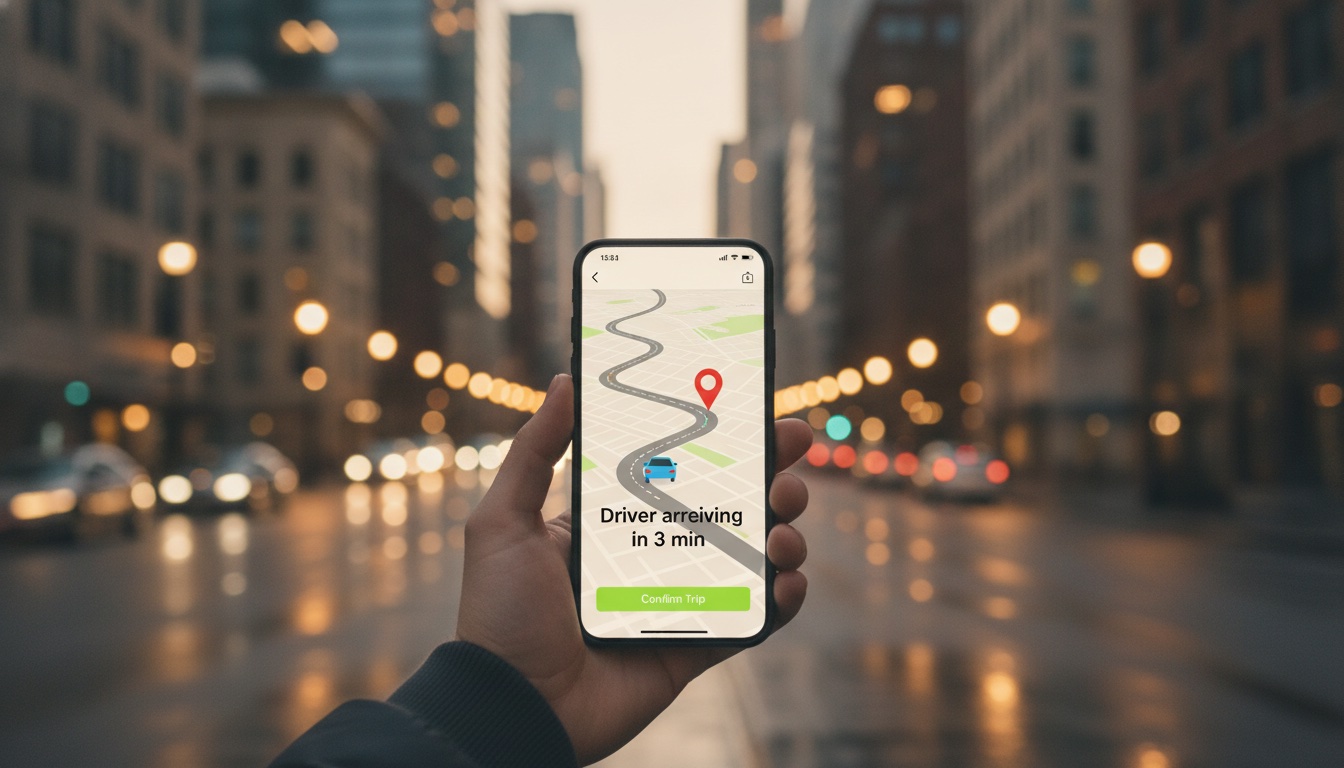
We build rider, driver-partner, and dispatch apps as one real-time system — GPS-based driver matching, zone-aware dynamic pricing, and in-ride safety tools engineered around the mechanics of ride-hailing, not a repackaged delivery template.
Real-time driver location indexing and instant ride-matching algorithms.
Turn-by-turn route guidance, demand heatmaps, and instant daily earnings.
Automated surge calculation, in-ride SOS monitoring, and fare splitting.
Taxi app development is the practice of building a ride-hailing platform around three connected apps: a rider app for booking and tracking a trip, a driver-partner app for accepting and navigating it, and an admin or dispatch console for pricing, vetting, and oversight. The engine underneath all three is a real-time matching and location layer that decides, in seconds, which driver gets which request.
Get any one piece wrong — unverified drivers reaching live requests, pricing that doesn't reflect real demand, a dispatch console bolted on after launch — and the whole marketplace loses rider trust fast. We architect all three together from the first sprint: shared data model, live GPS matching, dynamic pricing, and driver vetting built in rather than retrofitted.
Rider, driver-partner, and an admin/dispatch console — one backend, one data model
Geospatial indexing pairs the nearest available driver to a request in under a second
Document, ID, and background checks clear before a driver ever reaches a live request
Pricing, matching, and safety monitoring used to be static rules and manual review. On a modern taxi platform, they're model-driven decisions made in milliseconds — here's where we build that layer in.
Models that price a ride against live supply, demand, weather, and event data per zone — not a fixed citywide multiplier.
Machine learning developmentA matching engine that scores every nearby available driver on proximity, ETA, and rating to assign the best pairing in real time.
AI development servicesModels that forecast where ride demand will spike before it happens, so driver supply can be repositioned ahead of it.
Machine learning developmentLive traffic and historic trip data feed routing decisions, cutting wasted miles across pickup and drop-off.
Data analytics servicesAnomaly detection across trips, payments, and driver behavior flags GPS spoofing, fake trips, and account fraud before payout.
AI development servicesNot sure which of these your platform needs first? Our AI consulting team can scope it against your actual ride and driver-supply data.
Real Clients We've Built Real-Time, GPS-Driven Platforms For
Building the driver or dispatch side as an afterthought is the most common reason ride-hailing launches stall. We design all three together, on a shared data model, from the first architecture sprint.
Book, track, ride, split the fare — in a few taps
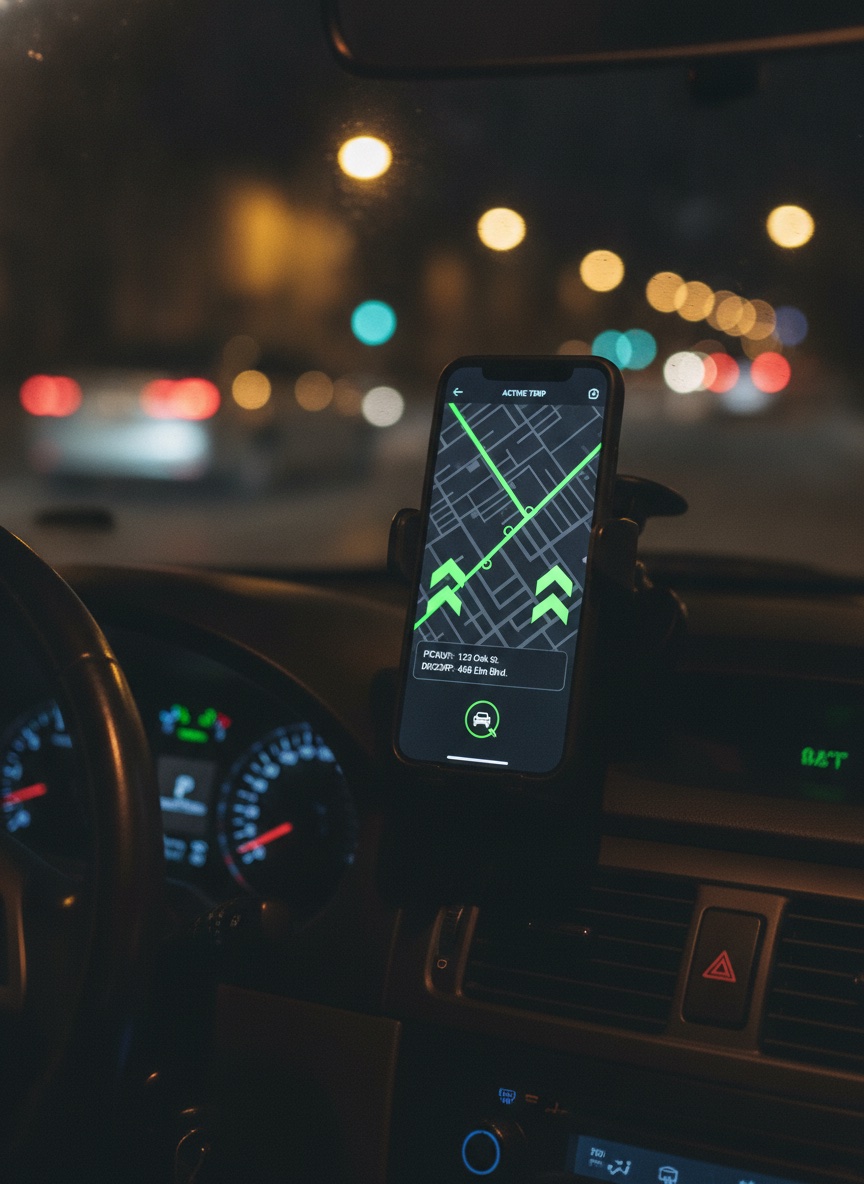
A rider's trust in the platform starts before the first ride — it starts with who is allowed to drive. This is the vetting pipeline we build into every ride-hailing launch.
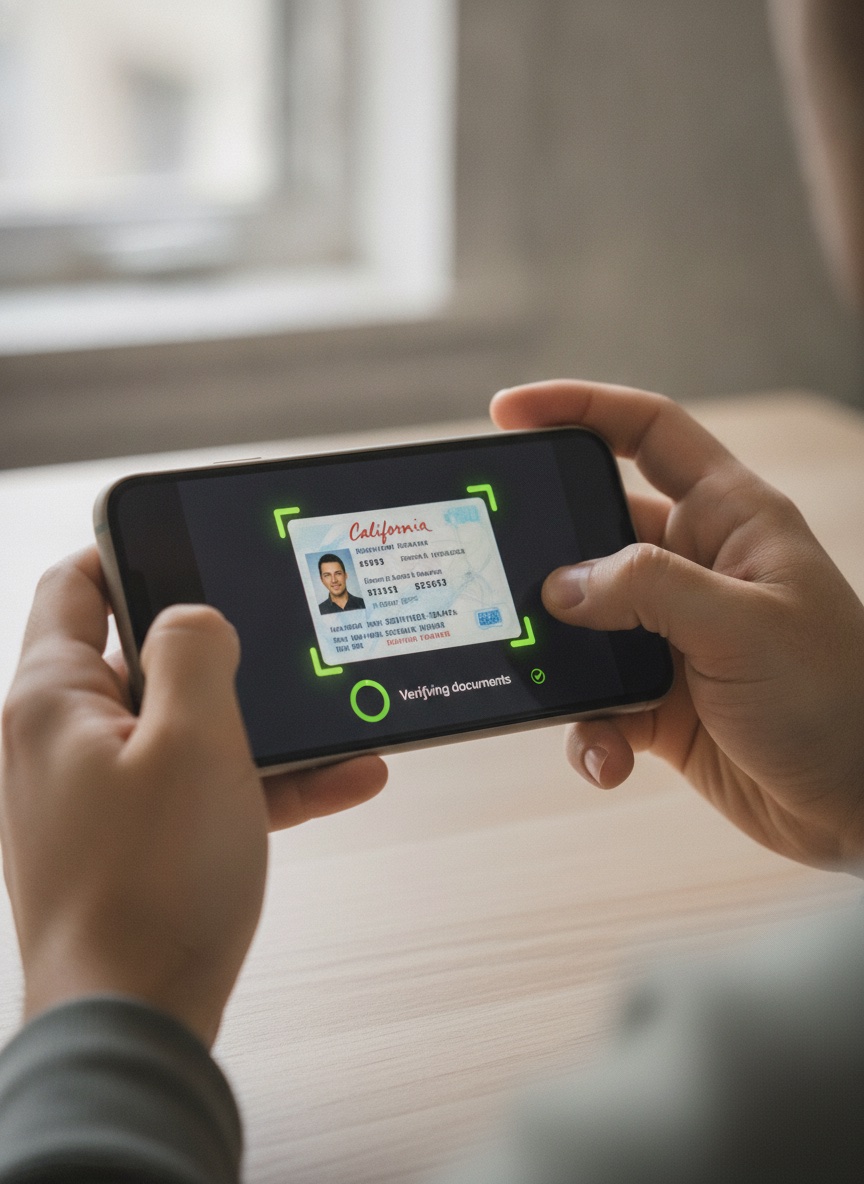
Document verification, submitted from a driver's phone.
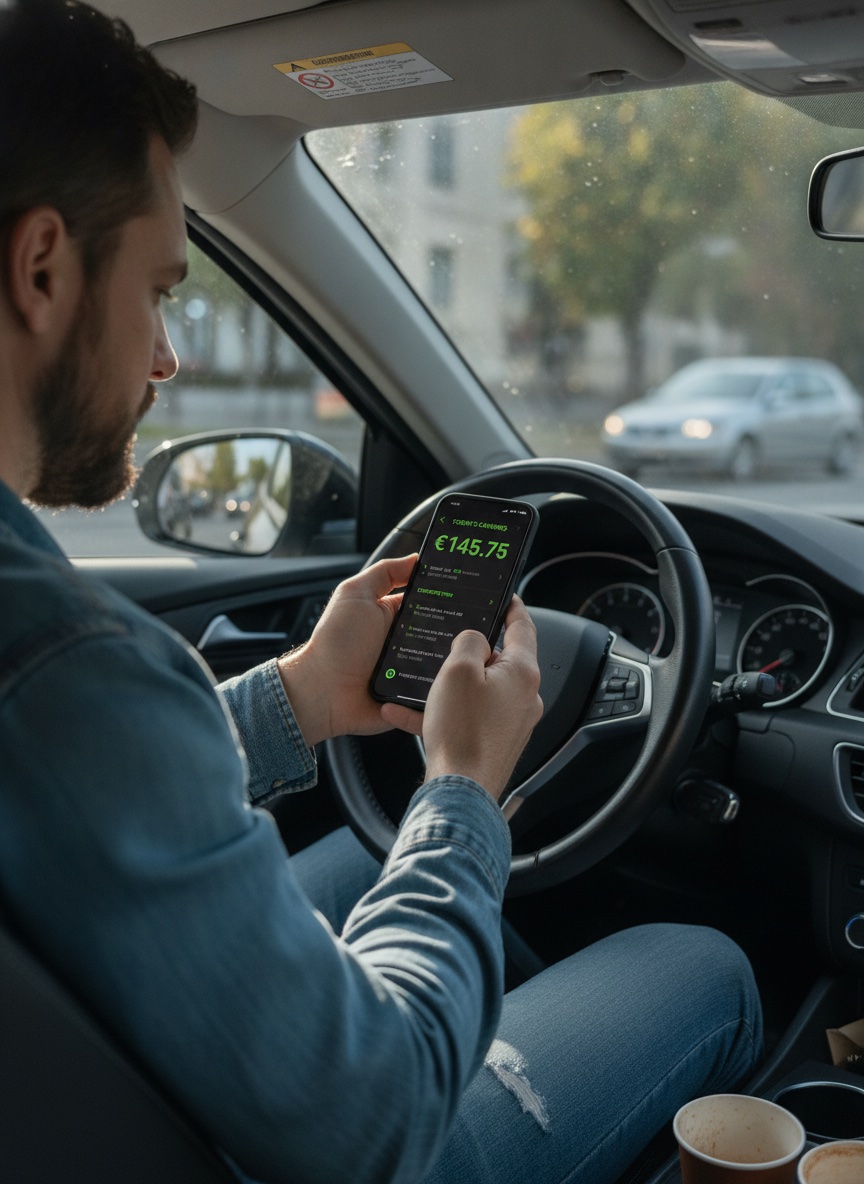
Once approved, drivers track live earnings and payouts.
A driver submits their license, ID, and vehicle registration. Automated document checks flag mismatches or expired documents instantly.
An integrated background-check provider runs a criminal and driving-record review before an application can proceed to approval.
Photo-based vehicle condition and insurance verification, tied directly to the vehicle profile the rider will see.
A human reviewer signs off in the dispatch console — no driver account activates on document upload alone.
The driver goes online, starts receiving trip requests, and tracks earnings and payouts in real time from day one.
A booking is only as good as the matching decision and the fare behind it. This is the layer that turns "request a ride" into "driver confirmed, ETA 3 minutes" — integrated with Google Maps, Mapbox, or your telemetry provider of choice via our custom API development team.
Scores every nearby available driver on proximity, ETA, and rating, then assigns the best match — usually in under a second.
ETAs recalculate against live traffic, and a trip reroutes automatically if road conditions change mid-ride.
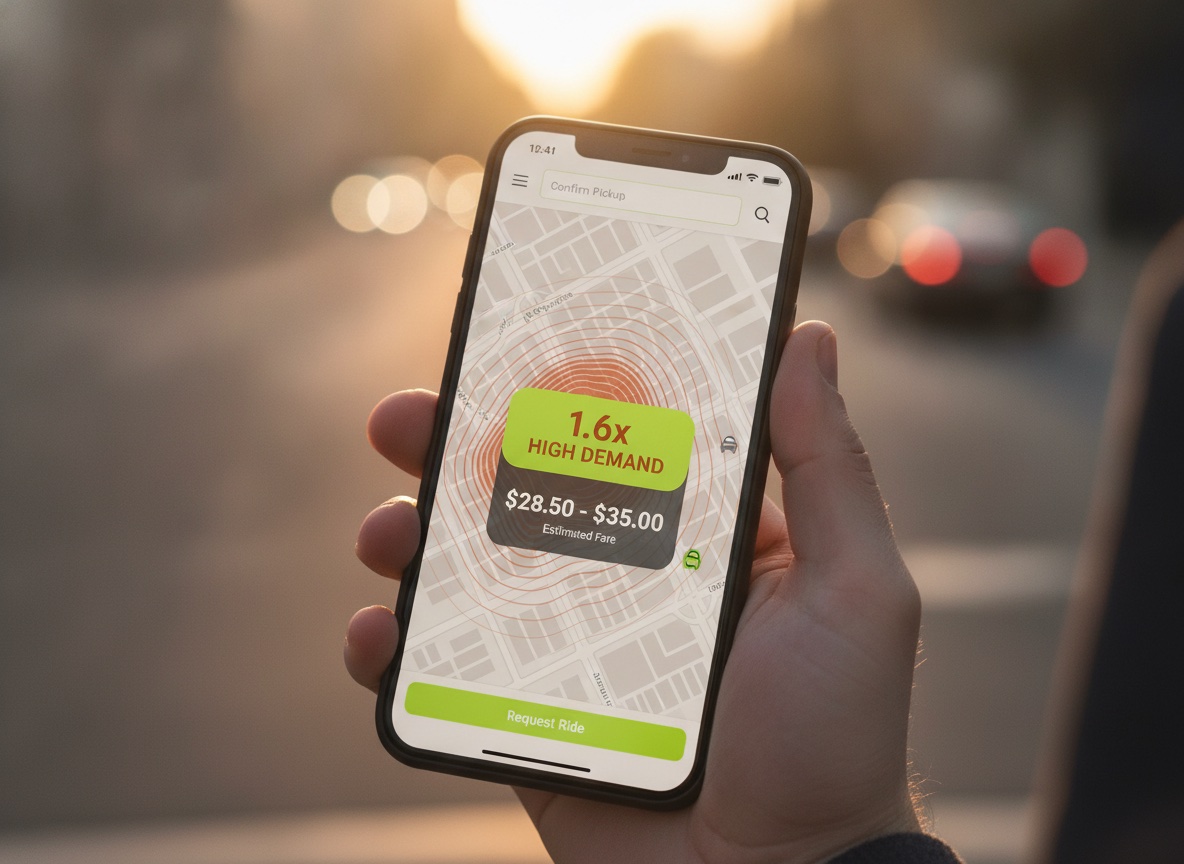
Surge pricing is calculated per geographic zone from the live supply-to-demand ratio, not a blanket citywide multiplier.
Riders see the estimated fare before confirming a trip, and can split it across companions at checkout.
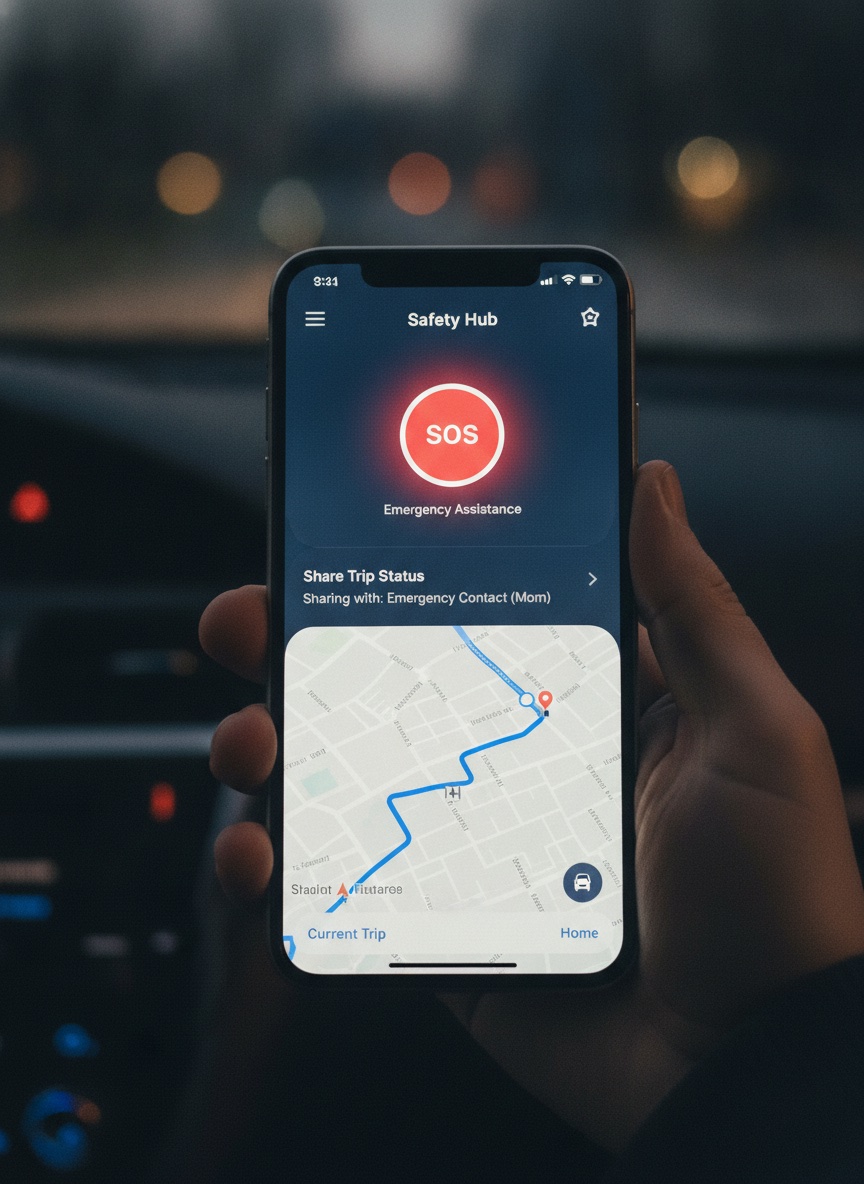
A one-tap SOS button, live trip sharing with trusted contacts, masked-number calling, and two-way ratings after every ride — the same safety layer we vet drivers against before they ever go live.
We haven't shipped a public ride-hailing case study yet — but the same real-time dispatch, live GPS tracking, and geospatial matching architecture behind these platforms is exactly what a taxi or ride-hailing launch needs.
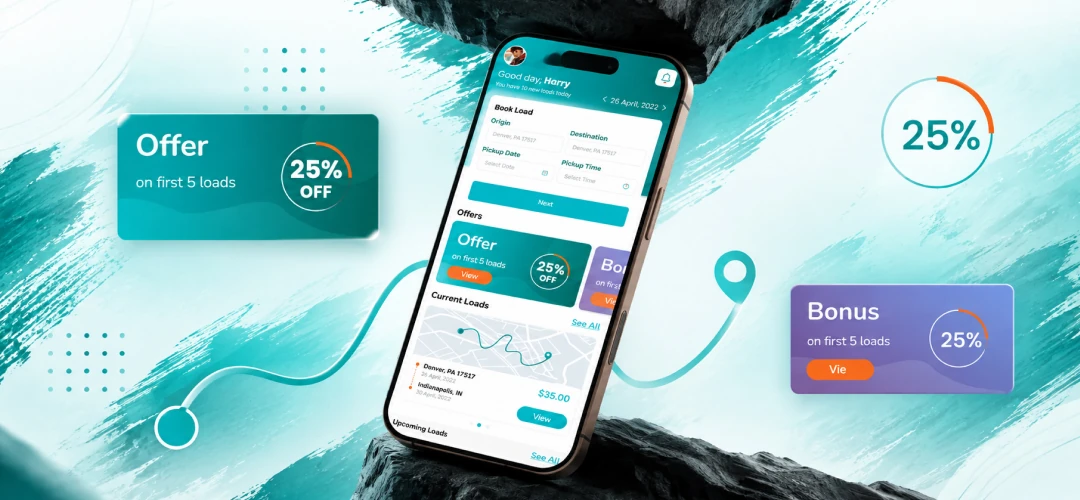
A logistics marketplace connecting shippers and businesses with reliable, secure cargo carriers — real-time booking, tracking, and carrier discovery.
A dating and social discovery platform built around genuine connection — profile-based matching, messaging, and premium membership tiers.

A group-travel management platform for event organisers and experience providers — hotel package coordination, booking tools, and travel logistics for festivals and sporting events.
“Movesy has completely transformed the moving and delivery industry thanks to Apptechies. The GPS tracking, dynamic pricing, and route optimisation they built has made our operations incredibly efficient.”
We run every ride-hailing build through the same structured process as the rest of our work — described in full on our How We Work page.
Mapping your city, fleet model, and target rider volume before scoping a single feature.
Shared data model for rider, driver, and admin apps decided upfront — matching and pricing included.
Booking flows designed to be one-handed and one-tap, for a rider standing on a curb.
Working software every sprint across rider, driver, and dispatch apps in parallel.
Load-tested against real peak-demand patterns — Friday nights, storms, event exits — not just steady-state traffic.
Phased city-by-city rollout planned around your actual driver supply, not a single big-bang launch.
Monitoring, iteration, and new-city support that continues well past launch day.
The broader multi-vertical marketplace pattern this platform is built on.
Fleet, dispatch, and last-mile delivery coordination.
Native and cross-platform apps for rider, driver, and admin.
Maps, payments, and telemetry integrations done right.
Matching, fraud detection, and forecasting models.
Demand forecasting and dynamic pricing models.
Payment splitting, wallets, and driver payout rails.
Dedicated engineers for your rider and driver apps.
Cross-platform mobile talent, flexibly engaged.
Dedicated engineers for matching and pricing models.



Answers to the questions fleet owners and ride-hailing founders ask us most — and a direct line to our team if you don't see yours.
A focused MVP with a rider app and driver-partner app typically runs $45,000–$95,000. A full three-app platform with an admin/dispatch console, zone-based surge pricing, and driver-verification workflows can run $150,000–$320,000+ depending on scope.
A focused MVP with rider and driver apps usually takes 12–16 weeks. A full platform with real-time dispatch, dynamic pricing, and multi-city support typically takes 6–9 months.
It means three connected apps — a rider app, a driver-partner app, and an admin or dispatch console for your operations team — sharing one backend and data model. Most genuine ride-hailing businesses need this from day one rather than bolting the driver or admin side on after launch.
We combine live geolocation streaming, a geospatial matching engine that scores nearby available drivers on proximity, ETA, and rating, and a dispatch service that assigns and reassigns trips in real time — with push-based location updates rendered on both the rider and admin maps.
Pricing is calculated per geographic zone from the live ratio of ride requests to available drivers, rather than one citywide multiplier. Zone boundaries and how aggressively price responds to demand are configurable, so you control the algorithm instead of inheriting a fixed default.
We build a structured onboarding workflow — ID and license verification, background-check integration, vehicle-inspection upload, and an admin approval queue — so only vetted, document-checked drivers ever reach a live rider request.
Tell us about your fleet or ride-hailing idea — we'll respond within 24 hours with real next steps, not a sales script.