Are you a startup founder or entrepreneur with an innovative iOS app idea and searching for the best software for iOS app development? The journey from the concept to launch can feel stressful, but with the right iOS app development software, it becomes a smoother, easier and even exciting process.
The crucial step is choosing the best iOS app development platform. The right tool can save a lot of time and money, speed up your time-to-market and ensure that your app performs well. And if you choose the wrong platform? This can lead to delays in development, being highly expensive, and a poor user experience. That is why a lot of startups and businesses are now partnering with the most trusted iOS app development company in USA, like Apptechies, to make sure their iOS apps are secure, scalable and optimized for performance.
In this guide, we’ll break down the top 10 best iOS app development software for startups and entrepreneurs, and highlight their main benefits. Whether you are a non-technical founder, looking for a non-code solution or iPhone app builder or an experienced iPhone app developer who wants to maximize performance, this guide will help you choose the best software to develop iOS apps and launch your app successfully.
iOS App Market Insights and Revenue
The market of iOS apps is fast-growing and quite profitable. According to Apple, in 2024, the App Store ecosystem generated almost $1.3 trillion in billings and sales around the world. This industry offers plenty of opportunities, especially considering iOS users’ high spending behaviours. Statistics show that iOS users are frequently spending more on apps than Android users.
For example, it was predicted that in 2024, consumer expenses on the App Store would reach $124 billion, compared to the $58 billion on Google Play. This trend is expected to continue and the App Store is predicted to reach $161 billion by 2026.
The revenue of a successful app depends a lot on its monetization strategy. Even though sports apps are currently dominating overall revenue, non-playing apps, especially those that use subscription models, are growing strongly. Subscription and in-app purchases were the main sources of income for iOS developers in 2024.
15 Best iOS App Development Software
Xcode
Xcode is one of the best iOS app development software and it is developed by Apple. It is the officially Integrated Development Environment (IDE) for creating native iOS, iPadOS, macOS and watchOS apps using Swift or Objective-C. It provides smooth integration with Apple’s frameworks like Core ML (AI), ARKit and RealityKit. For coding, troubleshooting and testing, it is a complete integrated suite.
Key Features
It includes a strong troubleshooter, an interface builder for a visual user interface, and a smooth connection with the Apple ecosystem, which includes TestFlight for beta testing. The new Xcode Cloud provides a continuous integration and delivery service for automated testing and builds in the cloud. This is the standard procedure for developing a deep native iOS app.
Advantages
Unmatched performance, consistent workflow, and access to the latest Apple hardware features and APIs (such as ARKit and Core ML), and an integrated workflow. You can download and use it for free.
Disadvantages
Mac is required, and the codebase is specific to the Apple platforms. The learning process for Swift and SwiftUI can be lengthy for beginners.
Cost
Free to download and use. A paid Apple Developer program ($ 99/year) is required to publish apps in the App Store.
Best For
Startups and solo entrepreneurs who prefer a high-performance, simple native user experience and are dedicated to the Apple ecosystem.
Flutter
Flutter is an open source UI software development kit developed by Google that lets you create native apps from a single codebase for mobile, web and desktop. It is the most popular software for iOS app development.
Key Features
Its “hot reload” feature allows iOS app developers to see the code changes immediately without restarting the app. Widgets enable highly customized and visually pleasing user interfaces that keep a native look on both iOS and Android. Its architecture is perfect for integrating AI features.
Advantages
Having a single codebase for both iOS and Android drastically reduces the time and cost of mobile app development as compared to the native app development. Outstanding performance competing with native apps. A huge and expanding community with extensive documentation.
Disadvantages
Framework uses Dart, a language that isn’t as popular as JavaScript, despite being easy to learn. Custom implementation may be required for niche native features.
Cost
Free and open source.
Best For
Startups and small groups looking for an affordable method to simultaneously launch their app on iOS and Android.
React Native
React Native is the most popular framework for creating JavaScript cross-platform apps, offered by Meta (formerly Facebook). This benefits from the skills of a large community of web app developers.
Key Features
It uses the same basic UI building blocks as standard iOS and Android apps, which gives it a native like appearance. The wide number of libraries and accessible components can speed up the mobile app development process.
Advantages
A language familiar to millions of developers, uses JavaScript, making it easier to find talent. Massive and active support of the community.
Disadvantage
Performance can sometimes be a question for very complex animations or graphical applications. There are instances when the “bridge” to native components becomes an obstacle.
Cost
Free and Open source.
Best For
Startups with experience in web app development or those looking to use a single codebase for both web and mobile applications.
Adalo
Adalo is an iOS app development platform and iPhone developer software. Users can create an iOS app without writing a single code. It lets you design, develop and publish a fully functional mobile application with a single drag-and-drop interface.
Key Features
Non-technical founders can create beautiful user interfaces using the visual component-based builders. It has an integrated database and supports integration with third-party services through APIs.
Advantages
It is perfect for non-technical founders because no coding is needed. MVP development and fast prototyping. Inexpensive for small projects.
Disadvantages
Not recommended for applications with complex or advanced AI integration. Neither scalable nor customizable as code-based solutions.
Cost
Free plan for testing, and paid plans starting from $45/month to publish.
Best For
Entrepreneurs and non-technical founders to build and test their startup app development idea quickly and affordably.
You can also read: How to build iOS app for MacOS
Swift
Swift is a powerful and modern programming language of Apple for all Apple platforms. It is the primary language used in native iOS app development with Xcode.
Key Features
Swift is well-known for its clear syntax and strong error handling. It was created with safety and speed in mind. It provides an extensive set of libraries and excellent integration with Apple’s frameworks.
Advantages
Top-level performance, easy access to every iOS feature, and a modern, interesting coding experience.
Disadvantages
Dependent on the Apple ecosystem. A dedicated developer is required who has experience with Swift.
Cost: Free and open source.
Best For
Startups seeking the best native user experience and maximum performance
CodeRunner
CodeRunner is a lightweight, iOS programming text editor and multipurpose IDE. It’s a flexible tool for writing, running, and troubleshooting code in more than 25 languages, including Swift. Even though it’s not a full-functioning app builder
Key Features
Its UI is clear and user-friendly. It is ideal to test the code snippet, algorithms, and small scripts instantly. It provides intelligent code completion and syntax highlighting.
Advantages
Incredibly fast and easy to use. Excellent for practicing and learning to code without the stress of a big IDE.
Disadvantages
Not appropriate for creating and managing a large-scale app project. It doesn’t have Xcode’s strong project management and troubleshooting features.
Cost
One-time purchase, $19.99 for the desktop version.
Best For
Students, beginner-level developers or business owners in need of a simple tool for writing and testing code snippets.
CocoaPods
CocoaPods is one of the best iOS app development tools that every iOS app developer uses. It is an application-level dependency manager for Swift and Objective-C projects. This simplifies the process of integrating third-party libraries and frameworks into your app and managing all dependencies for you.
Key Features
You can specify all the libraries your app requires with a simple “podfile.” CocoaPods then downloads and configures them automatically, saving an immense amount of manual effort. It is an important iPhone developer software.
Advantage
Simplifies the use of open-source libraries. Streamlines project setup and avoids version conflicts.
Disadvantage
If not carefully controlled, the project becomes more complex. An app size and development time may rise with a large number of dependencies.
Cost
Free and open source.
Best For
All app developers and teams creating native iOS apps that rely on external libraries for functionality (which are almost all apps).
ple has developed a modern, declarative framework for creating user interfaces for all of its platforms. The Swift programming language and SwiftUI are integrated to make the UI development process more efficient and user-friendly.
Key Features
Its declarative syntax means you can specify how you want the user interface to look, and the framework will handle the rest. This makes UI development quicker and easier to understand. It has a live preview showing real-time changes while you code.
Advantage
Fast UI development, modern approach, and a common framework across all Apple platforms. Live preview accelerates the design process.
Disadvantage
It is not suitable for apps that need to support older devices because it requires iOS 13 or later. Compared to the old UIkit, the community and resources are still expanding.
Prices
Free with Xcode.
Best For
Startups and developers who create new, native iOS apps that want to use the most modern and effective iPhone app development tools available from Apple.
Jenkins
Jenkins is an open source automation server. It is an essential part of Continuous Integration (CI) and Continuous Delivery (CD). This iOS app development software automates the process of developing, testing and deploying your iOS app each time a developer submit a code.
Key Features
It can compile your app automatically, run your test suites, and alert you if the development process fails. This helps to capture the errors quickly and ensure a high quality of code.
Advantages
Enhance the quality and stability of the code. Allows developers to focus on new features by automating repetitive tasks.
Disadvantages
Extra setup and maintenance is required. For people who are not familiar with CI/CD can have a difficult learning state.
Cost
Free and open source.
Best For
Startups who want to use a professional, scalable development pipeline.
AppyPie
AppyPie is an AI-powered, no code app builder that streamlines the process of creating iOS and Android apps. It offers a wide range of tools to create different kinds of mobile apps and easy to use drag-and-drop interface.
Key Features
It uses AI to create app layouts and features with only a text or a voice command. It is an effective tool for non-developers, because it provides analytics, push notifications and a lot of integrations.
Advantages
Anyone with an app idea can use it because no coding is needed. It is very fast for creating MVP and simple apps.
Disadvantages
Compared to a coded solution, the platform offers less flexibility and customization due to its pre-built features.
Cost
AppyPie provides a free test and paid plans starting from $18/app/month.
Best For
Non-technical entrepreneurs and small businesses require a simple, functional app without hiring a developer.
BuildFire
BuildFire is a platform that provides no code app for builders and an SDK for custom development. It is a hybrid solution to create a fast, convenient app.
Key features
It has a large library of pre-built features and plugins for everything from e-commerce to social media. The SDK of the platform allows developers to add custom features to the no-code base, making it extremely adaptable.
Advantages
Flexibility to create both simple or complex apps. Fast development time by using pre-made plugins.
Disadvantages
Compared to other no-code platforms, it may be more costly. The “no-code” section may be limited to unique UI designs.
Cost
They also provide a free 14-day trial. Paid plans begin at $ 165/month.
Best For
Business and Startups that require a fast, convenient app, but want the option to add custom functionalities.
Firebase
Firebase is a web and mobile iOS app development platform powered by Google that provides a suite of backend services. It is a backend-as-a-service (BAAS) that handles the essential app feature.
Key Features
It offers cloud storage, push notifications, real-time database user authentication and a strong analytics unit. The cloud features allow you to run the backend code without handling the server.
Advantages
Significantly lower the time and cost of backend development. Incredibly scalable and provides a substantial free tier.
Disadvantages
May result in seller lock-in to the Google ecosystem. Not every data model can be accommodated by the NoSQL database structure.
Cost
Offers free “Spark plan” and a pay-as-you-go “Blaze plan”.
Best For
Practically any startup or an entrepreneur who is looking to create a scalable app without managing their own backend infrastructure.
You can also read: Difference between iOS & Android
TestFlight
TestFlight is Apple’s official beta testing service and it is one of the best iOS app development tools. It is the easiest way to distribute the beta versions of your iOS app to internal and external testers and receive valuable feedback.
Key Features
Easily connects to App Store Connect and Xcode. It lets you invite as many as 10,000 external testers. It collects crash reports and provides detailed information about how testers are using your app.
Advantages
Free, user-friendly and an essential component of the Apple ecosystem. Vital for collecting users’ input before launch and testing for bugs.
Disadvantages
Only works for iOS apps.
Cost
Free.
Best For
All startups for iOS app development projects. Beta testing is a mandatory step before launching in the App Store.
Adobe XD
Adobe XD is a vector-based tool for designing and prototyping user experiences for web and mobile apps. It is the most popular cross-platform UI/UX designing tool for both Android and iOS apps. It provides smooth integration with the wider ecosystem of Adobe Creative Cloud.
Key Features
With one tool, users can design, prototype and share. Auto-animate for advanced transitions. Integrates with Photoshop and Illustrator. Team collaboration for team coediting.
Advantages
Modern interface for Adobe Creative Cloud users. Strong animation and prototyping skills. Free starter plan.
Disadvantages
Less support from the community than Figma. Recent focus changes have created uncertainty about long-term developments.
Cost
Adobe Creative Cloud is available as a subscription cost ($57.99/month for all apps), or single app subscription.
Best For
Designers who need to quickly generate and animate prototypes are already integrated into the Adobe Creative Cloud Workflow (Photoshop, Illustrator).
Figma
Figma is the industry-leading, cloud-based design and prototyping tool, enabling real-time collaboration on interactive prototypes, design systems, and user interfaces.
Key Features
Real-time collaboration. Design system-based components (variants). Modern prototyping and animation. To simplify the transfer of CSS/Swift code snippets, use Dev mode.
Advantages
Works in a browser and is platform-neutral. Excellent for team collaboration. Deep connection with numerous developer tools.
Disadvantages
It can be difficult for an absolute fresher. It requires an internet connection to function optimally.
Cost
The Starter plan is free of charge. Paid plans are $15/editor/month (professional) and $ 45/editor/month (organization).
Best For
Creating extensive design systems and developing developer-ready specifications for iOS and other platforms.
What Are The Key Factors To Choose The Right Ios App Development Tools?
If you are a startup founder or entrepreneur who is thinking about how to build your first iOS app. The important step is to choose the right iOS app development tools. The quality, speed, scalability, and even iOS app development costs are all strongly impacted by the tools you use. Here’s a simple guide to help you make the right choice.
Understand Your Project Requirements
Begin by defining the complexity of your iOS app. Is it a high-performing app with AR or advanced animations, a feature-rich app, or a simple MVP?
Simple apps can be developed without code or low-code platforms, whereas native tools like Xcode and Swift are better for complex apps.
Consider your Budget and Resources
The tools and complexity have an impact on development costs. Free iPhone app development tools such as Xcode and Flutter save money, while subscription-based platforms can increase your costs.
No-code platforms can limit customization but reduce the cost of an iOS application.
Time to Market is Important
Startups require speed. Fast prototypes and deployment are made possible by tools such as AppyPie or Adobe XD.
You can save time by simultaneously launching on iOS and Android with a cross-platform framework, such as React Native or Flutter.
Scalability and Flexibility
Make sure your iOS development tools allow future expansion.
Native and cross-platform tools provide flexibility for advanced functionality, while some iPhone app builders may have limits.
User Experience and Performance
Native tools such as Xcode provide the best performance and seamless user experience.
Performance should be a key factor for apps that have animations, high processing speeds or real-time features.
Backend integration and features
Seek simple connectivity with payment gateways, database, push notification and APIs.
Backend services are handled effectively by tools such as Firebase, which reduces the time and costs of development.
Ability to Design and Prototype
Good design tools make it easy to imagine and test your app interface.
Sketch or Adobe XD helps you create platform prototypes, test user flows, and collaborate with developers.
Community and documentation Support
A strong developer community helps you solve problems quickly and get plugins or templates.
Tools with vibrant communities and a wealth of resources include Flutter, React Native and Xcode.
Testing and Deployment
Before launching, beta testing makes sure that your app works smoothly.
App store deployment, crash reporting and testing are made easier by platforms such as TestFlight and Codemagic.
Make Your App Future-Proof
Select tools that stay updated with the latest iOS versions and new technologies.
Avoid old platforms that can cause compatibility problems in the long run.
What is the Role of AI and Automation in iOS App Development
Artificial Intelligence (AI) influences the way mobile apps are developed, experienced and optimized. AI-powered iOS app development is transforming multiple industries like education app development, logistics, ecommerce, grocery or taxi booking app development. As an advancement in technology for startups and business owners looking to create intelligent, personalized and effective mobile experiences.
Let’s explore how AI is influencing the future of iOS app development and the possibilities for businesses.
Personalized User Experiences
AI enables apps to evaluate user behavior and provide tailored notifications, suggestions and personalized content. From Fitness apps that customize workouts to shopping apps that make product recommendations. AI-driven personalization increases engagement and retention.
Advanced Predictive Analytics
AI can help predict the user’s needs, preferences and trends using a machine learning algorithm. Better insights for decision-making and more data-driven growth-enhancing tactics are what this means for businesses.
Voice and Conversational interface
With AI-powered voice assistants and chatbots, iOS apps become more interactive. Now the Apps can understand natural language, answer questions and offer real-time assistance, which increases user satisfaction.
Automated App Development and Testing
AI can help you write code, create the user interface and automate the test. It reduces development time, errors and the iOS app development costs.
Improved Security and Fraud Detection
AI can detect abnormal behavior or real-time security threats, making apps safe for users. IOS apps that integrate AI for security can automatically prevent scam transactions and protect sensitive user data.
Smarter AR & VR Experience
With the use of AI, ARKit and Core ML, developers can produce immersive iOS app experiences. AI is improving interaction and realism in everything from virtual shopping to gaming.
Continuous Learning and Improvement
AI-powered apps continuously learn from user behavior to improve performance and make suggestions. This ensures that the apps stay useful, user-friendly, and very effective over time.
Conclusion
As a startup, creating an iOS app is an exciting process. The key to success lies in choosing the right iOS app development software that fits the team’s skills, budget and business goals. By taking advantage of the right iPhone app development tools, you can reduce costs, accelerate the timeline and create a product that your users will like.
Whether you want to create an education, logistics, ecommerce, grocery or taxi booking app, take time for research, experiment with different platforms and learn from the community. Your big idea is just a few clicks away from becoming a reality.
Are you ready to convert your idea into a market-leading app? Contact a reliable mobile app development company like Apptechies for expert guidance and development services.
Frequently Asked Questions (FAQ’s)
Q. Which is the best free iPhone app development software for Windows?
Ans: If you use Windows but want to create iOS apps, Flutter and React Native are the best free iPhone app development software. Both allow you to design and test iOS apps without the need for a Mac. Later on, you can use a cloud-based service or macOS to compile your app. But if you are a beginner searching for flexible software to develop iOS apps then Flutter is an ideal choice.
Q. Which is the best iPhone app development software that is free?
Ans: The best free iPhone app development software is Xcode, Apple’s official iPhone developer software. This includes everything from design tools to testing and publishing features. Flutter and React Native are also good free iOS app development tools to create apps on both iOS and Android, if you prefer cross-platform.
Q. How to choose the right iOS app development software?
Ans: Choosing the right iOS app development platform depends on your goals, skills and budget.
For native apps, go with Xcode, it is ideal for performance and Apple integration.
For a cross-platform app, choose React Native or Flutter for quicker development.
Start using Xcode or Swift Playgrounds if you are learning how to build your first iOS application.
Always consider, when choosing the software to develop iOS apps, the desired features, time to market and the complexity of your app.
Q. What is the cost of iOS app development?
Ans: The iOS app development costs typically range from $20,000 to $300,000+ based on the complexity, designs and features of the app.
Simple apps (MVP): $20,000 to $50,000
Mid-Level apps: $50,000 to $150,000
Advanced apps (AI, AR, or customized backend): $100,000 to $300,000+
Developer cost, UI/UX design and other factors such as maintenance also affect the total cost.
Author Bio: AJ Chaudhary, CEO of Apptechies. He is a full-stack & AI Mobile app developer with 10+ years of experience developing web & mobile applications. He has successfully delivered projects for different industries and helped companies turn concepts into scalable solutions. Passionate about technology, he simplifies complicated tech topics for entrepreneurs and startups by sharing insights.
If you are seeking for an instant check cashing apps that don’t use Ingo, you are probably tired of managing multiple apps. Now you no longer need to use the Ingo Money app for cashing checks. Many mobile banking applications and cash apps that let you deposit checks, take a picture, and access the funds quickly with low fees and low hurdles.
In this guide, you will find the top 20 best check cashing apps without Ingo, how they work, specific fees, timeframes, and smart ways to check cashing online. Whether you are a small business or a financial institution, and want to build a check-cashing app like Ingo. In that case, partnering with a trusted mobile app development company like Apptechies is the decision you need to take.
Growing Demand for Ingo-free Check Cashing Apps
The digital payment sector is growing. According to Statista’s 2024 report, the mobile payment market is expected to reach 12 trillion dollars globally by 2027, with mobile banking and instant deposit services playing a huge role.
Why is Demand for Ingo-free Check Cashing Apps Increasing?
High Ingo Fees: Ingo charges up to 5% per check, which can add up quickly for frequent users.
Fast Payment Requires: Small businesses, contract workers, and freelancers all seek same-day deposits.
Bank Access Gaps: Alternative financial apps are important because 5.9 million households in the US do not have access to banking (FDIC, 2023).
It is obvious that consumers are moving towards instant, affordable mobile-first solutions from costly and slow systems. This is the reason why more people are now looking for “apps for cash checks without Ingo.”
Old-School Banking VS. Digital Check Cashing: A Smarter Alternative
Lately, cashing a check used to require going to the bank or a local check-cashing location. It was an inconvenient process for customers who frequently face high fees, long queues, and limited banking hours. In today’s fast-moving world, according to the Federal Reserve, about 30% of the check deposits in traditional banks still take 2-3 days to be cleared.
These days, modern online check-cashing apps have changed the game. With a mobile-first solution, users can quickly click a picture with their phone and submit the check immediately. Nowadays, customers may deposit money instantly using apps like Cash App, Venmo and Chime by giving people quick access to their money without waiting.
List of 20 Best Mobile Check Cashing Apps Without Ingo
Wells Fargo App
The Wells Fargo app is a top option for those who immediately want a reliable and safe way to cash checks. Its mobile deposit feature allows users to access their money by taking a picture of the check. In addition to check cashing, the app offers bill payment, account management tools, and customized alerts. The strong assessment reflects the strong digital infrastructure of the customer’s trust and the bank, making it an alternative for check-cashing apps that don’t use Ingo.
Another great solution for instant check without Ingo is the PNC Bank mobile app. The app enables customers to submit checks with just one image and access funds in real time. It also provides budgeting tools, savings facilities and integrated financial insight. Users appreciate simple navigation and security facilities in the app and ensuring safe and fast transactions. PNC Bank offers a broad digital experience for people looking for a combination of check cashing and general money management. If anyone wants to build check cashing apps like ingo for both platforms, before choosing the right platform, you should know the difference between iOS & Android and then start to create your app according to your preference.
The US bank mobile app baking makes checks stress-free with its simple mobile deposit feature. Funds are usually available instantly or within the same day, giving users quicker access to their money. In addition to the check deposit, the app includes bill payment, transfer and financial planning features. With high rankings in both app stores, it is a reliable option for customers who want fast and safe financial transactions without relying on third-party services like Ingo.
One of the most popular apps in the US banking industry is Chase Mobile. The check deposit feature is comfortable and extremely safe, so users can submit checks to their accounts at any time, anywhere. The app also offers credit monitoring, investment tracking and fraud protection warnings. Chase Mobile is a reliable alternative option for anyone who wants speed and convenience in managing personal or corporate finance because of its high rating and extensive features.
The TD Bank app offers a smooth digital banking experience, with its mobile check deposit feature as a standout. With a few clicks, users can deposit checks without visiting a branch. To improve financial management, TD Bank integrates bill pay, money transfer options, and spending insight. The consistently high ratings on all platforms show customer satisfaction. This app is one of the best alternative options for check cashing apps like Ingo.
Cash App has become a household name for digital payments. This is one of the best online check cashing apps that let you deposit checks instantly. With its user-friendly interface, users may deposit checks straight into their Cash App balance and use the money immediately for transfer, payment or investment.
EarnIn is a financial wellness tool that provides quick access to the earned pay, including check deposits, rather than a traditional bank app. By giving users access to money when they need it most, the app aims to protect users from overdraft fees, payday loans and financial stress. Customers like their transparency because there are no compulsory fees. With a high assessment and a unique approach, EarnIn is a great alternative for workers who want to control their finances.
The Chime mobile banking app is a digital-first bank that provides easy deposit and check cashing options. Users can access funds and deposit checks instantly through its mobile app. Chime is well-known for its fee-free overdrafts, automated savings tools and real-time transactions notifications. With its growing user base and excellent reviews, Chime is one of the most reputable digital banking platforms formed in the US.
The Netspend mobile app is popular among prepaid card users and allows cashing checks on mobile devices. For easy access, money can be put straight into the Netspend prepaid card when it has been deposited. The app also supports bill pay, transaction monitoring and budget management. While the Android rating is modest, the high iOS ranking indicates strong reliability for Apple users. Netspend is especially useful for those who prefer prepaid choices over traditional bank accounts.
PayPal is a pioneer in digital payment and also provides immediate check collection without Ingo. It is one of the widely used check cashing apps without Ingo. By taking a picture of the check, users can have money transferred into their PayPal balance for immediate use in online shopping, transfer or withdrawal. Although the Android assessment is low, the strong iOS performance of PayPal makes it a reliable global platform. Compared to most other apps, it offers customers greater flexibility due to its global acceptability and other features such as PayPal.
Santander’s app offers a direct mobile deposit system that allows users to cash checks immediately. Along with check deposits, the app provides account management, transfers and individual usage insights. While its Android ranking is low, iOS users give excellent ratings for reliability and convenience. Santander is a reputable bank, and its online app ensures that users can access their money without the need for a third-party solution.
Quick fund availability and check cashing services are provided by GTE Financial’s mobile banking app. The app also has options for financial planning, savings goals and budget tracking. Customer faith in its usage is demonstrated by Apple’s excellent rating, even though its Android rating isn’t as high. For people seeking a combination of traditional banking and modern mobile features, GTE Financial is a strong alternative.
The Ace Flare by Metabank account app is designed for prepaid bank users who want quick access to the deposited check. This app allows checks to be deposited straight into a prepaid account for instant access. It also offers choices for managing balances, bill payment, and direct deposits. The ease of the app is frequently praised by Apple users, making it a reliable option for prepaid cardholders, although Android users report inconsistent experiences.
Although Stash is primarily an app for investing, users who want to combine banking and investment can also use its check deposit features. The deposited checks can be used to buy shares within the platform, Fund ETFs or savings accounts. This unique combination of banking and investment tool appeals to young generations in search of growing their money.
Lili Banking is designed for gig workers and independent contractors who require immediate access to their money. Its mobile check deposit feature simplifies the process for cash checks without the delays of traditional banks. In addition to the deposits, Lili provides self-employed individuals with automatic tax savings, spending monitoring, and financial analytics. Although the Android rating is average, Apple users find the app intuitive and a very favorable app for managing irregular income streams.
Brink Money Prepaid makes it convenient for users who do not maintain a standard bank account by offering check cashing directly into a prepaid card. The app also enables fund transfer, ATM access and account monitoring. For those looking for prepaid flexibility, it remains a useful solution, even though the rating is not as much as competitors’. The fact that Brinks is still a well-known brand in safety, which provides an extra layer of assurance in financial services.
Axos Bank’s mobile app is one of the highest-rated and best mobile check cashing apps, offering the proper credibility. Its check cashing service is easy to use and offers 24/7 account access and immediate deposit. Axos also includes advanced features such as budgeting, spending analysis and safe money transfer. With a fantastic rating, it is one of the best check cashing apps for Android and iOS. This app is a modern, customer-friendly digital bank on the market.
A digital banking app called Porte supports fast processing times for mobile check cashing. Along with financial wellness tools, it offers community donations, cashback offers, and savings goals. iOS users give it a high rating for its clean design and ease of use, despite its average Android rating. Users who are socially concerned and seek more than just a bank account will find Porte appealing because it provides modern financial empowerment.
Dave is best known as the paycheck advance app and one of the most popular online check cashing apps that let you deposit checks quickly, receive earned money early and even create credit. With a perfect rating on Google Play and an impressive score on the app store, Dave is loved by customers for its speed, transparency and innovative approach. Young professionals and gig workers looking for financial freedom may find it very helpful.
Walmart MoneyCard is a prepaid card featuring check cashing capabilities built right in. The deposited check is added directly to the card, which gives users quick access to shopping, bills or cash withdrawals. Benefits like cashback credits at Walmart stores. Its flawless Google Play rating highlights its popularity among Android users, despite its quiet Apple store rating. This is one of the most practical all-in-one financial solutions that Walmart customers may use.
Traditional Ingo-based services often have high fees, slow deposits and limited flexibility. That’s why more individuals are using Ingo-free check cashing apps such as Chime, Cash App, Dave and Wells Fargo.
Main Benefits
LowFees: Many apps provide free or low-cost instant deposits.
QuickAccess: Receive your money in minutes instead of days.
Better Experience: User-friendly apps with 24/7 access.
Inclusion: Great for remote job workers, freelancers and the unemployed.
Reliable platform: Bank-backed apps provide strong security.
By choosing an Ingo-free app, you can manage your accounts on your own terms, experience immediate deposits and keep more of your money.
Ingo vs. Non-Ingo Check Cashing Apps: A Quick Comparison
Tips For Successfully Cashing Your Check Online
Online check cashing is fast and practical, but processing goes more smoothly if you follow the right steps. Here are some useful tips:
Use a Clear Background: To avoid rejection, take a clear picture of the front and back of the check.
Sign your Check Correctly: Always endorse the back before uploading.
Double Check Details: Make sure that the payee name, date and check amount are correct and visible.
Update Your App: For better performance and security, use the latest version of your check cashing or banking app.
Avoid Multiple Submissions: If you upload the same check to more than one app, it can be flagged as fake.
Deposit Within the Limit: Pay attention to the daily and monthly deposit limits of your app.
Keep the Check: Just in case there are any issues, keep the check until it is completely cleared.
By following these tips, the chances of your immediate approval will increase and will reduce the delay.
How to Choose a Check Cashing App?
With so many available options, choosing the right instant online check cashing app can be confusing. Here are important factors to consider:
Security Features: Seek out applications with two-factor authentication, fraud protection and bank-level encryption.
Processing Speed: Some apps provide immediate deposits, while others can take 1-3 business days.
Fees and Limits: Verify whether the app offers free cashing options, transaction fees and deposit limits.
User Experience: Choose an app with high rankings, intuitive navigation and reliable customer help.
Compatibility: Make sure the app works with your bank account, prepaid card or digital wallet.
Further Benefits: Few apps provide reward schemes, early access to paychecks, and budgeting tools.
A successful app should balance speed, security, and affordability, while meeting your personal financial needs.
Partner with Apptechies to build Online Check Chasing Apps
Demand for digital payment and fintech solutions is increasing rapidly, and online check cashing apps are the perfect example of this shift. At Apptechies, we are not only a specialist in Fintech, we are also a reliable partner for taxi app development, educational app development and other mobile solutions that support modern businesses.
If you are wondering how to create a mobile application that not only looks good but also works flawlessly, our team specializes in developing AI-powered, feature-rich apps. We combine modern design, advanced security, and the latest technology to stand out in crowded markets.
Why work with us?
Fintech-Ready Expertise: We can help you with anything from fraud protection to compliance.
Wide Range of Industry Experience: Whether it’s an education app, a taxi booking platform or a check cashing app, we ensure scalability.
Smooth User Experience: Simple, easy-to-use designs that keep users engaged.
Quicker Launch Time: Use agile approaches to bring your idea to the market immediately.
Whether you are in finance, transport, education or a startup, Apptechies can help you convert your idea into a successful mobile application that gives real results.
Frequently asked questions
Q. What App Cashes Checks Instantly Without Ingo?
Ans: Instant check cashing without Ingo is made possible by apps like Dave, Cash App, and Chime. They provide mobile deposit facilities with a quick process based on eligibility and account type.
Q. Can I Cash a Check Instantly on a Cash App?
Ans: Yes, the Cash App lets you deposit checks, and in some cases, money is available immediately. However, the type of check, your account history, and the verification process affect availability.
Q. Are Instant Check Cashing Apps Safe?
Ans: Most top-rated check cashing applications, such as Wells Fargo, Chase, Chime and Dave, use bank-level data encryption, fraud monitoring and secure authentication. As long as you use these verified and trusted applications, immediate check cashing is safe.
Q. Do I Need a Bank Account for These Apps?
Ans: Not all the time, some applications such as Netspend, Brinks Money and Chime, work with prepaid cards or digital wallets, which means you can cash your checks without a traditional bank account.
Q. What’s the Fastest App to Cash a Check Without Ingo?
Ans: The fastest check cashing apps without Ingo are Dave, Chime and Cash App. If you are eligible, traditional banking applications (such as Wells Fargo or Chase) can also provide instant deposits.
Q. What App will Instantly Cash a Check?
Ans: The most popular instant online check cashing apps are Dave App, Chime and PayPal, providing immediate check cashing features, giving you quick access to funds without waiting days.
Author Bio:AJ Chaudhary, CEO of Apptechies. He is a full-stack & AI Mobile app developer with 10+ years of experience developing web & mobile applications. He has successfully delivered projects for different industries and helped companies turn concepts into scalable solutions. Passionate about technology, he simplifies complicated tech topics for entrepreneurs and startups by sharing insights.
In this blog, we’ll discover the top 15 best anonymous messaging apps for Android and iOS as well as their major features, pros, and why you want to use them. In today’s digital world, privacy is more valuable than ever. Social media and messaging platforms are constantly asking for personal details. Many users are now looking for safe ways of connecting without revealing their identity. Anonymous text messaging apps can help with this. If you want to build a similar app, then partnering with the best mobile app development company is the best decision.
Suppose you want to send private texts, share your opinions without fear of repercussions, or just chat with strangers for fun. In that case, these anonymous messaging apps hide your identity. Both Android and iOS users have access to several apps. These apps are designed for anonymous texting, secret chat, and disappearing messages.
What is an Anonymous Messaging App?
An anonymous messaging app is a mobile application that allows users to send and receive messages without revealing their real identity. These apps prioritize freedom of expression, secrecy and privacy when compared to traditional messengers such as WhatsApp or iMessage. Users can chat without disclosing personal details like social media profiles, phone numbers, and email addresses.
Most of the mobile app development companies have integrated multiple privacy features into anonymous text messaging apps, such as disappearing messages, encrypted chat, no-login options, and hiding identity. Whether it is for fun, personal conversation or to avoid spam, these apps give people the opportunity to communicate freely while under control of their identity.
Why Use an Anonymous Messaging App?
In today’s digital world, privacy has become a top concern. People want ways to interact with others without sharing too much personal information. Here are some common reasons why users prefer anonymous text messaging apps:
Privacy Protection
Many people do not want their phone numbers or personal information to be connected to each chat.
Freedom of Expression
These apps allow users to share opinions or feedback without fear of judgment.
Avoid Spam or Tracking
If your phone number is not linked, you’re less likely to be targeted by spam or marketing messages.
Secure Communication
Some apps provide end-to-end encryption, disappearing messages, and screenshot notifications for additional security.
Fun and Random Conversation
People often use anonymous apps for community debates, random chatting, and secrets without revealing who they are.
In short, anonymous text messaging apps are designed for safe, private, and stress-free communication. These reasons make them popular with Android and iOS users around the world. When it comes to developing apps, choosing the right platform matters the most, so knowing the difference between iOS and Android is crucial before creating your app.
List of Top Anonymous Messaging Apps for Your Android and iOS Devices
Signal – Private Messenger
Signal Private Messenger App has become a global leader in privacy-first messaging. It uses open source end-to-end encryption and ensures that no one can read your messages, not even Signal itself. Unlike other apps, Signal does not store metadata, making it one of the safest and best anonymous messaging apps for iPhone in 2026.
Signal Key Features
Encrypted calls & texts, disappearing messages, no ads, minimal data collection
Pros
Free anonymous messaging app, Open-source, End-to-End Encryption by default, Support disappearing messages, and ad-free
Cons
Phone number is needed for registration, Limited features as compared to social apps like Telegram
Snapchat is well-known for its fun, entertaining filters and stories. It also supports anonymous, disappearing chat. Users prefer it because the messages and snaps vanish after being seen, giving a layer of privacy.
Snapchat Key Features: Vanishing messages, Screenshot alerts, Private stories
Pros
Fun filters, Stories, Disappearing chats, Screenshot notifications for privacy, Large global base
Cons
Data collection for ads, Not fully anonymous, Linked phone/email
Moco is a popular social networking app, it allows users to join public chat rooms worldwide, interact and meet new people. Moco is not a fully anonymous text messaging app. Users can communicate by using their nicknames for social interactions.
Key Features
Public chat rooms, one-to-one private messaging, nickname-based profiles, blocking and reporting users
Pros
Easy and fast onboarding, Large international community, Ideal for casual social gatherings
Cons
No end-to-end encryption, Limited anonymity and privacy control, Ads could ruin the user’s experience
Best For
People who prefer meeting new people and having informal conversations rather than highly secure or completely anonymous communication.
Viber combines traditional messaging with strong encryption. The “Hidden Chat” feature makes it possible to protect private calls, allows users to communicate anonymously with a username instead of a phone number, while also maintaining privacy.
Facebook Messenger is one of the most popular free anonymous messaging apps. Its “Secret Conversations” feature enables end-to-end encrypted, private chat. Messages can also be set to disappear after a timer, giving users more control over privacy.
Tellonym is a unique anonymous messaging app that allows users to receive honest messages and feedback from others without knowing who sent them. It is popular with students and young adults, and is often used to achieve anonymous compliments, opinions or confessions.
Features
Anonymous tells, Safety features, Control over inbox, Public Q/A, Custom word filters
Pros
Great for getting feedback, Fun and interactive way to communicate anonymously
If you are looking for a fun way to meet new people anonymously, then Connected2.me is a great option. It is a free anonymous messaging app. Unlike strict privacy apps such as Olvid or Zangi, it is more than a social anonymous text messaging app. Whether you are an Android or iPhone user, in this app you can chat without revealing your identity. And if you want an app like Connected2.me and do not know how to build a mobile application, then you consider Apptechies, your reliable and trusted partners.
Connected2.me Key Features
Business account, Global community, Anonymous chat, Shuffle option, Private and Group chats
Pros
Free, Easy to use interface, Great for socializing, Doesn’t require revealing your identity
Cons
Risk of encountering fake profiles or inappropriate behavior
Best For
Teenagers, Young adults, Who wants to meet new friends anonymously
Threema does not require a phone number or email to use it, which makes it one of the best anonymous messaging apps for iPhone and Android. Because of its strong privacy standards, it is trusted and widely used in Europe.
Key Features
Anonymous Poll, No email/phone number required, End-to-end encryption
Pros
One-time purchase, No ads, No trackers, Fully encrypted
Cons
Paid app, Smaller user base as compared to WhatsApp/Telegram
Best For
Users wanting anonymity without linking personal information
Telegram is the most popular and widely used free anonymous messaging app globally. Although it isn’t completely anonymous, it provides “Secret Chat” mode end-to-end encryption, self-destruct timers, and screenshot protection. It makes this app a strong competitor for anonymous messaging.
Telegram Key Features
Self-destructed texts, Cloud sync, Private chats
Pros
Secret chats with end-to-end encryption, Large group chats, Cloud sync, Cross-platform availability
Cons
Normal chats are not end-to-end encryption by default, Need a phone number for signup
The Session is a next-gen free anonymous messaging app. Users can create an account without a phone number or email. It uses a decentralized network for safe and inaccessible communication, making it a strong alternative for privacy enthusiasts.
Session Key Features
Open source, cross-platform availability, end-to-end encryption, Decentralized servers, Communities, and Anonymous account creation.
Pros
Free, Strong end-to-end encryption, Decentralized servers, No phone number/email required
In 2021, Yik Yak returned and performed well. Users can communicate with nearby people and publish anonymously. This is one of the well-known anonymous messaging apps for iPhone users. Perfect for students and communities, it lets you speak freely without revealing your true identity. This app is only available for iOS devices, and if you are someone who wants to build an app like Yik Yak, then hire skilled iPhone app developers who are specialized in creating user-friendly, fast, and secure feature-rich apps.
Yik Yak Key Features
Location-based posts, Anonymity, Community voting system
Pros
No phone number/email required, 100% anonymous posting and messaging, Great for local communities and colleges
Briar is a unique app designed for workers and users in limited areas. It also works without the Internet by connecting through Bluetooth or Wi-Fi, ensuring anonymous communication. If you are considering creating your own anonymous text messaging app for Android users, investing in professional Android app development services is essential.
CoverMe is a trusted free anonymous messaging app with limited features which combines anonymous messages with private vault functions to secure texts, calls and even individual files. This is great for users who want extra privacy beyond the message. For startups or businesses planning to build similar privacy-focused apps for Android devices, understanding the Android app development cost is important.
Wire is more than an anonymous message app, it is a reliable communication and collaboration tool for organizations and teams. It is a user-friendly platform that integrates safe messaging, voice/video calls and file sharing. This application is free and paid, users can choose according to their requirements.
Silent Phone app is developed by Silent Circle, who provides privacy solutions. It is a Premium app designed for companies that require anonymous, encrypted communication. If you are willing to create your own Android app or an iOS app, first learn the fundamentals of Android app development and iOS app development.
Features: Secure messaging, Encrypted file transfer, End-to-end encryption
Pros
Business-friendly features, Data encryption, Enterprise-grade security
Cons
Paid app, focused on corporate users than casual chats
How to Choose the Best Anonymous Messaging Apps for iPhone or Android?
With so many anonymous messaging applications available, the best option depends on your personal needs and preferences. Instead of downloading the first app you see, consider these major points:
Clarify Your Purpose
Are you seeking safe private communication, emotional support groups or interesting chats? These kinds of apps are designed for casual conversations, often focus on social interaction, while privacy-first applications prioritize anonymity and specialized encryption.
Check Device Support
Always make sure the app works on both Android and iOS. If you ever switch between devices or want to contact friends on platforms. Some apps also provide web versions for extra flexibility.
Focus on Ease to Use
A seamless, user-friendly design means something. Look for easy navigation, fast privacy settings and minimal disruptive apps, so you can focus on chatting safely.
Verify the App’s Credibility
Not all Anonymous messaging apps are made similarly. Before installing, check the security history and community feedback. An app with transparent guidelines and positive reviews is safer to use than one with complicated privacy practices.
Prioritize Security Features
If privacy is your first concern, then just go beyond “anonymous”. Look for features such as end-to-end encryption, no metadata tracking, disappearing messages, and secure login options to protect your identity.
3 Tips to Use Anonymous Messaging Platforms Safely
Anonymous messaging applications give you the freedom to communicate without revealing your identity. But this freedom comes with responsibility. If you ever wonder how to stay safe while using anonymous platforms, the key lies in being cautious and informed. Here are some practical suggestions to keep the conversation personal and safe.
Choose Apps with Strong Security
Go for platforms that prefer user safety with end-to-end encryption and minimal data storage. Apps with self-destructing texts or disappearing chats provide you extra security, making sure your personal interactions stay private.
Protect Your Personal Information
The golden rule of safe anonymous message tips is simple: do not share too much. Avoid exposing personal details such as name, address or phone number. Be careful to click on unknown links or download files, these actions may risk your privacy or device.
Use Responsibly and Ethically
Anonymity should be strengthened, not put in danger. Legal issues may arise from using these applications for threats, bullying, dangers, or sharing offensive materials. Instead, concentrate on positive and respectful communication that preserves your identity and develops trust.
By following these guidelines and sticking to reliable platforms, you can enjoy the benefits from anonymous texting platforms without risking your safety. Remember that anonymity works best when used with care.
Why Trust Apptechies for Anonymous Messaging App Development?
At Apptechies, we are more than just a mobile app development company. We are a trusted partner for businesses that want to create safe, scalable, and user-friendly apps across multiple industries. With 10+ years of experience, we have successfully delivered 1500+ projects across multiple industries. Whether you are looking for an anonymous message app development, custom taxi app development services, or an education app development, you can hire our highly skilled industry experts. Our expertise guarantees that your app idea becomes a successful product.
Built on Privacy First Approach
At Apptechies, security and privacy are the heart of everything we create. Our anonymous messaging apps are designed with advanced encryption, self-destructing messages, and strong data protection practices. These features help users stay stress-free while using our app.
Cross-Platform Expertise
We develop smooth apps that work efficiently on all platforms, including iOS, Android or Web. We ensure a seamless and uninterrupted user experience regardless of the platform by addressing the issues of compatibility.
Customized Solutions
Each business has unique requirements. This is why we tailor our anonymous message app development process to match our specific goals, from UI/UX design to advanced features. Our approach ensures that you get a solution that exactly meets your brand identity.
Scalable and Future-Proof
We create apps for the future that grow with time. Whether you are creating an app for a small user base or targeting millions of users, our app ensures high performance and security at all stages. Our forward-thinking approach helps your app remain competitive in the fast-changing industry.
Cost-Effective Development
One of the biggest concerns for startups and businesses is understanding the Android and iOS app development cost. We provide transparent cost insight and help you choose the right approach that balances the budget with quality, so you can invest smartly in your app.
Conclusion
Anonymous message apps are a great way to express yourself independently. Users get in touch with strangers while protecting their privacy. Whether you want a playful app or a safe option, such as Signal, that meets your needs. And if you want to build an app but don’t know where to start or how to find the right mobile app development company, before proceeding, choose a platform. If your preference is iOS apps, then the criteria for choosing the top iOS app development company are different from choosing an Android app development company, as each platform has its own tools and technologies and user expectations.
Since privacy in 2026 is a major concern, these apps ensure that you can communicate while you are safe and anonymous. Choose with care, be safe, and enjoy the freedom of anonymous conversation!
Ans: The cost of developing an anonymous message app varies depending on features, design and security levels. A simple version of the app with chat and privacy features can cost around $15,000 to $25,000. A middle level app with encryption, media sharing and anonymity can be from $30,000 to $ 60,000. For a high-end, completely secure solution with advanced functionalities such as self-destructive messages, support and scalability across platforms, costs can reach up to $80,000 to $150,000 or more.
Ans: You can build anonymous messaging apps by defining core functions such as privacy, encryption and message control. Choose the right tech stack like Swift for iOS, Kotlin for Android, or cross-platform tools such as Flutter. Before launching your app, testing is a must, or you can partner with an experienced app development company like Apptechies, who are specializing in creating fast, reliable and safe anonymous messaging app solutions.
Ans: The most important features of anonymous messaging app include end-to-end encryption, anonymous login, self-destructive communications, private chat and reporting tools. Advanced apps can also support privacy settings and sharing media.
Ans: Anonymous text messaging apps such as Signal and Telegram are one of the best options, offering safe, private and user-friendly anonymous message experiences.
Author Bio: AJ Chaudhary, CEO of Apptechies. He is a full-stack & AI Mobile app developer with 10+ years of experience developing web & mobile applications. He has successfully delivered projects for different industries and helped companies turn concepts into scalable solutions. Passionate about technology, he simplifies complicated tech topics for entrepreneurs and startups by sharing insights.
The ridesharing industry is growing over the years. In 2024, Uber generated $40+ billion in revenue with 149 million active users per month, and Lyft generated $5.786 billion. This number shows the growth and the massive potential for businesses that want to develop an Uber-like app.
However, building a competitive taxi app comes with challenges like ensuring real-time GPS tracking, managing thousands of drivers, handling safe payments, and prioritizing customer safety. There are multiple taxi app development companies that offer Uber-like taxi app development services to solve these issues with customized solutions from AI-powered route optimization to secure payment integration and scalable architecture. They create apps that not only match user convenience, but also give you a market advantage, supported by the real industry’s insight.
If you are planning to create a ridesharing app like Lyft or an Uber-like taxi booking app, it’s a competitive but rewarding market. In this guide, we will discuss features, costs, tech stacks, and general challenges so you can build an app that not only runs but also generates profits for your taxi business.
What are Ride-Sharing Apps & How Do They Work?
Ride-sharing apps such as Uber or Lyft connect passengers to nearby drivers through an easy-to-use mobile application. Instead of waiting for a traditional taxi, users can immediately book a trip with only a few taps, track their driver in real time, and safely pay an in-app payment gateway, which speeds up, increases the credibility and frequently lowers the cost of the urban trip. If you’re creating your taxi app and you want to know about the cost of Uber-like taxi app development, there are various factors that affect the cost. It can be features, app size, business model or many more factors.
Here’s the process of how ride-sharing apps work:
Smooth Ride Request
A passenger opens the app, enters their address and confirms pickup.
Instant Driver Match
The algorithm of the platform quickly detects the closest available driver based on GPS data.
Ride Confirmation
The passenger receives the driver and car details, as well as the arrival time, once the driver accepts the request.
Live Tracking
Users can track their driver’s location in real time and get updates at an estimated time of arrival.
Cashless Payments
After the trip is completed, the price is automatically calculated, and you can pay through your taxi app, and get digital receipts
Feedback System
Both drivers and passengers can rate each other, it maintains the trust and quality of the service.
Top Trending Location-Based On-Demand Apps & Their Examples
Location-based on-demand apps change the way people access services, booking a taxi, renting a car, ordering food, or receiving groceries delivered within hours. By combining GPS tracking, real-time data processing, and intuitive mobile interfaces, these apps have transformed speed and convenience into a billion-dollar business model.
According to Statista, the global on-demand app is estimated to reach $781.70 billion by 2029, with location-based services running a large part of this development. The growth of smartphones, fast mobile internet (5G), and real-time tracking facilities are the main causes behind this bounce.
Ride-Hailing Apps
Uber: Serving more than 70 countries, Uber offers everything from a budget trip to a premium alternative, plus safety and tracking features.
Lyft: Lyft is expanding globally through collaborations with ride-hailing services, bicycles, and scooters.
InDrive: Over 45 countries are served by InDrive, which offers a unique “name-your price” model, with no surge pricing.
Bolt: Operating in 45+ countries, Bolt provides a variety of services including food delivery, micromobility, and on-demand carpooling.
FreeNow: Free Now is a multimodal transport app with a growing global reach that covers more than 150 cities in 9 European countries.
Car Sharing Apps
Turo: Peer-to-peer rentals in the US, Canada, UK, Australia, and other countries are being offered via Turo.
Zipcar: Zipcar serves in multiple countries across North America, Europe, and Asia-Pacific.
ShareNow: Active in a number of Europe with cross-border vehicle access is Share Now.
Sixt Share: Global expansion is in progress, which is offered as part of Sixt Share mobility services in major cities across the globe.
Europcar Mobility: Provide hourly, daily and long-term rentals in more than 140 countries.
Key Steps to Create a Taxi Booking App Like Uber or Lyft
If you want to know how to make an app like Uber, here are the key steps that you need to know before building your next gen ride-hailing app.
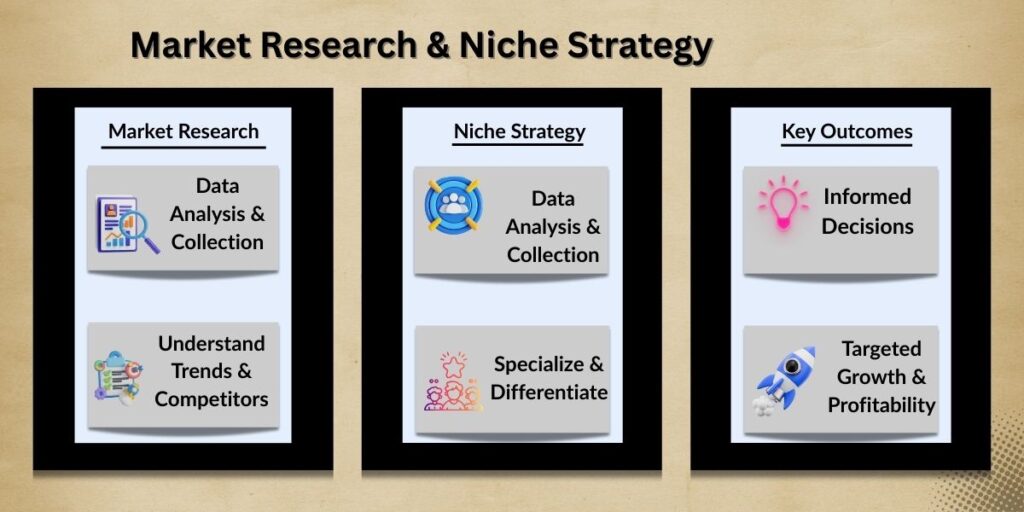
Start with Market Research & Niche Strategy
Uber-like taxi booking app development is not like creating similar apps like others. You need to understand your target audience before building your ride-hailing app. Is your taxi app providing comfort, convenience and solving real mobility problems? Finding your niche is like finding your expertise, which sets you apart from your competitors like Uber or Lyft. Conduct in-depth research and decide what you can offer and what makes you different from others.
Ask Yourself
Who will use your on-demand taxi booking app: corporate travelers, daily commuters, or tourists?
What issues are they facing with existing ride-hailing apps, safety, availability, and cost?
Which cities or demographics are underserved?
Choose Your Business Model
Every business model is different, so are their needs. Choosing the right business model is crucial. This helps you determine how your business generates revenue, it depends on your Uber-like taxi app business model. The most common models for ride-hailing platforms include commission-based, surge pricing, subscription model, corporate accounts, in-app advertising and partnerships. Make a revenue plan that fits with your market size, pricing strategy and operational costs.
Choose the Right Tech Stack
To develop an Uber-like app it’s crucial to choose the right tech stack that determines the performance, scalability and safety of your on-demand taxi booking app.
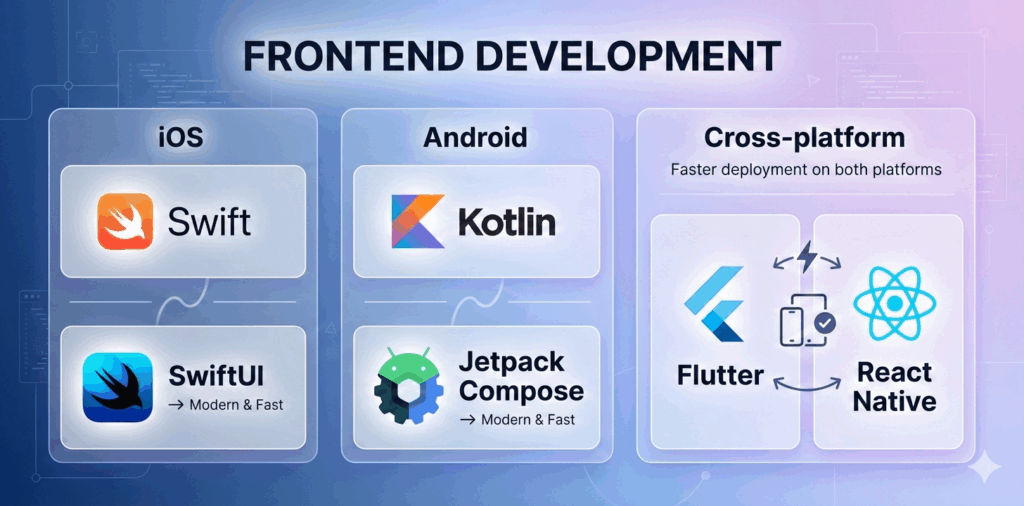
Front Development
iOS: Swift or SwiftUI
Android: Kotlin or Jetpack Compose
Cross–platform: Flutter or React Native for faster deployment on both platforms
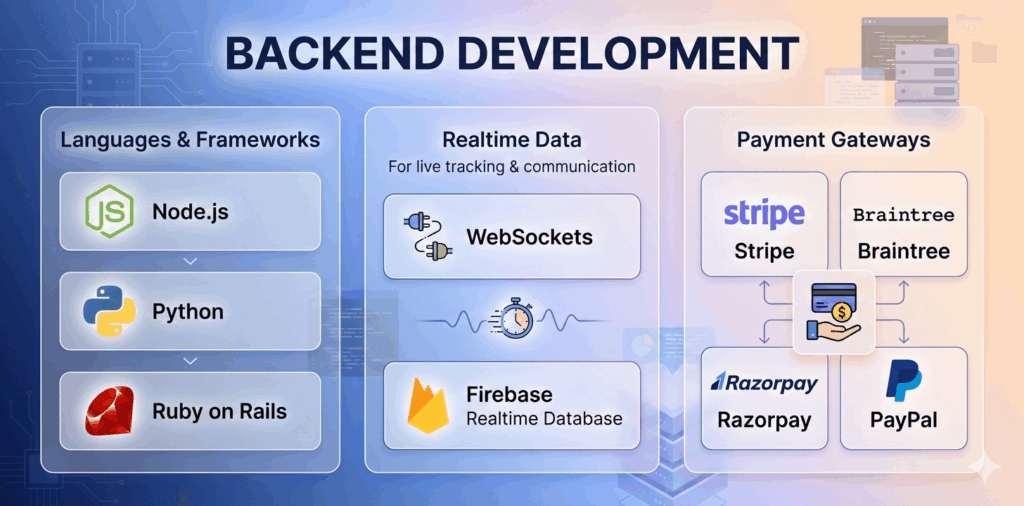
Backend Development
Node.js, Python, or Ruby on Rails
WebSockets or Firebase Realtime Database for live tracking
Payment gateways like Stripe, Braintree, Razorpay, or PayPal
Maps and Location Services
Google Maps API for accurate tracking
Mapbox for cost-effective mapping solutions
Cloud Hosting and Infrastructure
AWS, Google Cloud, or Microsoft Azure
Docker and Kubernetes for scalability
GitHub Actions or GitLab CI for continuous integration
Focus on UI/UX
Good UI/UX increases high engagement and retention. It should be fast, simple, smooth and easy-to-use for your users. Use design tools like Figma, Adobe XD, or Sketch to prototype and test your UI/UX before development begins. Your taxi app success depends on the smooth user-experience and usability.
Build an MVP
When building an Uber like taxi app, it is important to focus on the minimum viable product (MVP). That MVP shall have the must have taxi app features to ensure smooth operations for passengers, drivers and administrators, which allows space for future improvements. After your MVP is live, you can add more advanced features like ride-pooling, loyalty rewards, scheduled rides, and multilingual support.
Admin App
Control Riders, Drivers and Users
Fixed Commissions and Fares
Monitor Performance and Track Rides
Handle Complaints
Find a Trusted Uber-like Taxi App Development Company
If you are a startup, want to start a taxi business and upgrade your taxi business into a fully functional mobile app, but do not have proper knowledge of how to make an app like Uber, partnering with the most trusted Uber-like taxi app development company, Apptechies, is your perfect choice. They have an expert team of developers who are always up-to-date with the latest technologies, which guarantees youan AI-powered, feature-rich, custom on-demand taxi booking app according to your business requirements.
Legal Compliance and Safety Features
Register your business, get a local license and follow data protection security laws. To increase trust, add safety features in your ride-sharing app such as an SOS button, driver background check and ride-sharing with trusted contacts.
Scale with Advance Features
After gaining popularity, plan the expansion. Target new markets with similar user behavior patterns. Use AI to improve ride matching to reduce the wait time. Implement new services that include premium rides, eco-riding options, and multilingual support. Make sure your taxi app is automatically expandable and flexible. Use analytics to track performance, storage, and customer behavior to run smart updates. Continuous improvement ensures that your riding app remains competitive.
Develop, Test, and Launch
Building your MVP begins the development phase, followed by strict internal testing to fix any performance problems or errors. It is recommended to launch a beta version in a single city or area, where you can collect feedback from early users.
The tests must contain functional checks to ensure they function properly, usability testing to make sure the booking process is seamless, load tests to evaluate performance under high traffic, and safety tests for user data safety. When you are assured stability of your taxi booking app like Uber, you can plan to start a full-scale launch with marketing campaigns aimed at both passengers and drivers.
Launch and Market
When your Taxi app is ready, the time has come to go live on platforms like Google Play and Apple App Store. Before publishing, the user conducts a complete security audit and input test to ensure safety. Customize the app to fulfill each match guideline, then kick off a strong marketing campaign both online and offline to create awareness and attract your first wave of passengers.
Ongoing Development & Support
Launching an app is not the end of the Uber-like taxi booking app development process. Regular updates keep it compatible with new OS versions, fixes bugs and improves features. Regular security updates protect user data, while a dedicated support team ensures that drivers and passengers get quick support. Continuous maintenance keeps your app safe, reliable and one step ahead from your competitors.
Apptechies Have Different Strategies to Build Your Taxi App like Uber
At Apptechies, we believe that creating a taxi app like Uber is not just about adding features, it’s about creating a smart, more trusted platform that makes you different from your competitors and gives competitive advantage in the riding-hailing market. Our strategies are designed to provide smooth operations that draw the user’s attention and ensure long-term development.
Deliver Word-class Experience
Whether it’s quick booking, secure payment, personalized route or loyalty rewards. We design each feature with a customer-first approach to increase the user’s satisfaction and address and solve real travel issues. We focus on what will convince riders to choose an Uber-like taxi app over others.
Enter High Potential Untapped Markets
We identify geographical regions with high demand, but limited options for ride-hailing. We help you establish a strong position before the arrival of competitors by adapting to these markets quickly and tailoring services to local preferences.
Create Value for Specific Rider Segment
Whether it is an environmentally friendly trip, premium luxury cars, or solutions for elderly and disabled passengers, we create features that meet the needs of unique targeted groups. This targeted approach increases loyalty and separates your app in the saturated market.
Partner for Growth
From hotels and airports to business offices and organizers, we assist you in connecting your app with companies that can operate a stable stream of customers. These alliances not only extend your accessibility but also strengthen the reliability and operational efficiency of your brand.
When you work with Apptechies, you not only build another Uber-like taxi booking app, you’re building a tailored, powerful solution that resonates with riders, drivers, and partners alike.
Final Thought
In 2026, developing a taxi app like Uber or Lyft is not about copying them. It requires identifying a niche, solving real problems, and executing effectively. How to make an app like Uber is a very common question everyone asks. I hope our blog will guide you to develop an Uber-like app. The market is still expanding, and with the right strategy, technology, and operations, anyone can build a ride-hailing app and compete with competitors and earn huge profits.
If you want to speed up your journey, our industry experts at Apptechies, a trusted mobile app development company in USA, can help you design, develop, and launch your on-demand taxi booking app successfully with advanced technologies and the right strategies.
Frequently Asked Questions
Q: How Much Does it Cost to Build an Uber Like Taxi app?
Ans: The cost of Uber-like taxi app development can vary widely depending on several factors, including the complexity of features, development methodology, development team location, and the platform (iOS, Android or both).
Basic MVP (minimum viable products): $25,000 to $40,000
Mid-level app with advanced features: $50,000 to $80,000
Fully functional Scalable app: $100,000 and more
Custom UI/UX design, real-time GPS tracking, payment gateway integration, and backend infrastructure may also increase costs. Partnership with a reliable taxi app development company like Apptechies and starting with MVP is a smart way to gradually manage the budget and scale.
Q: What Features are Necessary to Develop an Uber-like app?
Ans: To create a successful on-demand taxi booking app like Uber or Lyft, you must include the facilities required for both the rider and the driver, with a strong admin panel. These features ensure a smooth user experience, operational efficiency and scalability. Here are major features included in the ride-hailing app:
For Riders App
Easy Registration and Login
Ride booking and scheduling
Real-time GPS tracking
Estimated Fair
Multiple Payment Options
Feedback and Rating
Riding History
SOS/Emergency Button
For Driver App
Driver Profile and Verification
Ride Request Alerts
Navigation and Route Optimization
Earning Dashboard
Availability Toggle
Administrator Panel
User and Driver Management
Ride Analytics and Reports
Payment Tracking
Promotional Code and Discount management
Dispute Resolution Tools
Q: How to Find the Best Taxi App Developers?
Ans: Finding the best taxi app developers begins with checking their experiences in mobility and ride-hailing solutions. Look for developers who are up-to-date with technologies. Reviewing portfolios, client testimonials and case study can provide you insight into their technical abilities and design experiences. If you are looking for a team that combines technical expertise with a practical, budget-conscious approach, Apptechies is a name worth considering for your taxi app development.
Q: How Much Time is Required to Build a Taxi Booking App Like Uber?
Ans: The timeline of the development depends on the difficulty, features, size of the team, and many other factors. Here is a joint breakdown:
Basic taxi app: 3 to 4 months
Mid-level taxi app: 5 to 7 months
Advanced level app: 8 to 12 months
Author Bio: AJ Chaudhary, CEO of Apptechies. He is a full-stack & AI Mobile app developer with 10+ years of experience developing web & mobile applications. He has successfully delivered projects for different industries and helped companies turn concepts into scalable solutions. Passionate about technology, he simplifies complicated tech topics for entrepreneurs and startups by sharing insights.
If you are a startup founder or business owner and want to build an app but are confused about the niche, then this blog is just for you. In this blog, we have curated a list of top-trending app Ideas that will make you rich this year. There are currently 8.93 million mobile applications live in the App Store.
2026 is the golden era for mobile innovation, AI, 5G, personalization, and native generations, driving huge demand, so this is your time to choose an app idea and start your journey. If you’re looking for app development, partnering with the best mobile app development company can be the best choice.
List of Top Trending App Ideas That Make You Rich This Year
Explore the best trending app ideas for startups, to achieve the app ideas, and provide deep market insights, which work for you, what users want, and guide you to achieve success.
AI Personal Assistant App
In the most trending app ideas for startups, an AI personal assistant provides tremendous potential. According to projections, the market of global Artificial Intelligence will grow at a CAGR of 38.1% from $2.23 billion in 2024 to $56.3 billion by 2034. The smart, voice-enabled tools are in demand. Powered by Natural Language Processing (NLP), over time, this app can automate planning, reminders, and task management when learning user preferences. For startups, it provides an opportunity for high development to innovate user experience, personalization, and cross-platform integration.
Why It’s Trending
People want to save time, automate tasks, and make quick decisions. An AI assistant app can manage schedule, email, reminders, voice memos, and even recommendations for health, productivity, and lifestyle.
AI Personal Assistant App Features
Natural language processing for smart conversation (NLP)
Voice control and chat interface
Integration with calendar, to-do apps, and smart devices
Target Users
Busy professionals, students, entrepreneurs
Virtual Interior Designz App
If you are searching for the best mobile app ideas for mobile, a virtual interior design app is a creative and high-demand option. This app lets users imagine and optimize their stay in 3D using all real furniture, textures, and layouts from their mobile devices. Using natural language treatment (NLP), AR, and AI, users can describe style preferences or space needs. This mobile app can immediately generate designs and recommendations. This mobile app idea combines convenience, customization, and immersive technology, which is a smart decision to build an android and Iphone app for the future of interior design.
Why It’s Trending
Homeowners and real estate buyers want to imagine interiors before buying furniture or decorations. With AR/AI, they can now do it in seconds.
Top Virtual Interior Design App Features
Upload a space photo and automatically generated design ideas
AR-based 3D furniture placement
Color-matching and layout suggestions through AI
Target users
Homeowners, real estate agents, interior architects
Food Delivery App (Niche Specific)
As one of the most trending app ideas for startups, the niche-specific food delivery app offers a new option for mainstream platforms. Instead of serving all dishes, this app focuses on a targeted section, such as regional food, local chef food, or vegan food. It is estimated to reach $442 billion by 2032, with the global food delivery market, with niche platforms to offer authenticity, customization, and socially powered experiences. This mobile app idea is ideal for startups to build loyal user bases and stand out in a crowded market.
Why It’s Trending
Instead of generic delivery platforms, niche food delivery (such as home-cooked, vegan-only, or ethnic cuisines) is expanding quickly.
Food Delivery App Features To Add
AI-based taste prediction
Local chef marketplace
Individual health-based food recommendation
Target Users
Health-Conscious, Food lovers, Vegan lovers
AI Resume & Job Seeker App
One of the best trending startup app ideas in 2026 is the AI CV and job seeker app, which is a smart platform designed to streamline the job hunt. By using natural language processing (NLP) and machine learning, the app can automatically generate CVs. You can customize them to the search tracking system (ATS) and match users with relevant positions in real time. According to the CNBC studies, this app idea capitalizes on a rapidly growing market, since more than 65% of job seekers use AI tools, while 70% of companies use AI to filter applications.
Why It’s Trending
Job seekers require more than a static CV. They require real-time optimization, suggestions for skill matches, and customized coaching.
AI Resume & Job Seeker App Features
AI-generated resume and cover letter
Job-match scoring mechanism
Interview practice with AI chatbots
Target Users
Students, job seekers, freelancers, HR startups
Fitness & Mental Wellness App
As health tech continues to progress, a fitness and mental wellness app stands among the most trending app ideas for entrepreneurs. The app offers guided workouts, mindfulness exercises, sleep tracking, and stress relief tools all on one platform. This app combines physical training with mental health care support. In 2025, the Wellness App market is expected to reach $12.78 billion, with an expected to increase $33.78 billion by 2032, growing at a CAGR of 14.9%. Meanwhile, the fitness app market reached $10.59 billion in 2024, and by 2030, it was estimated to climb $23.21 billion with a CAGR of 13.88%.
Why It’s Trending
Hybrid apps that blend physical fitness with mental health are becoming more popular. Users want a balanced life and an app that understands them.
Smart Investing App strengthens users with AI-supported insights, personal strategies, and real-time market tracking. This is one of the most practical trending app ideas in fintech. According to recent reports, AI-featured investment platforms such as MAXE and Wealthfront have helped users improve portfolio performance up to 74% with over 10,000+ downloads.
Why It’s Trending
The investment becomes social, simplified, and beginner-friendly. A smart investment app that uses AI to guide economic development is in great demand.
Smart Investing App Features
Risk analysis AI
Combination of Crypto + traditional investment
Using social feed for micro-investment
Target Users
First-time Investor, student, freelancer
AI Content Creator Tool
This AI content creator tool gives users the right to generate both images and text immediately. It is perfect for students, teachers, and creators who want quick content without compromising quality. From blog posts to infographics, it simplifies content creation with a few clicks. Generative AI in creating content global market size is estimated to increase from $11.6 billion in 2023 to $175.3 billion by 2033, which is a surprising CAGR of 31.2%. This bounce shows the demand for tools that combine automation, creativity, and scalability.
Why It’s Trending
From markets to students, everyone creates content. An AI-powered app that assists in creating posts, captions, videos, and designs is a goldmine.
AI Content Creator Tool App Features
AI Copywriting (blog, post, SEO content)
Text-to-image and text-to-video generation
Customization of the brand voice, caption, and hashtag
Target Users
Influencers, Business, Students, Creators
Smart Language Learning App
The Smart Language Learning app converts how users learn new languages. AI-featured text, speech recognition, and practice to promote the practice. Whether you are a student, a working professional, or anyone who loves to learn new languages, this app is beneficial for you and your goals. Research shows that apps for language learning have improved grammar and vocabulary up to 60%. According to the Straits research, the global market of smart language learning apps was $3.3 billion in 2023, and by 2033, it is expected to grow to $24.39 billion.
Why It’s Trending:
Instead of just practicing vocabulary, this app uses AI conversation simulators and real-life scenarios to teach language naturally.
Smart Language Learning App Features
Voice-based accent points
Cultural reference lesson (for travelers)
AI chat partner for daily practice
Target Users
Passengers, students, immigrants, enthusiasts for language
On-Demand Home Services App
On-Demand Home Service app combines users with reliable professionals to users from plumbing and cleaning to tool repair and pest control. With real-time booking, transparent prices, and confirmed service providers. It simplifies domestic management for busy individuals and families. At a CAGR of 14.3%, the global market of home service market was projected to reach 2024 valuation of $5.29 billion to $9.03 billion by 2028. This growth is fueled by increasing urbanization, the use of smartphones, and immediate, reliable home solutions.
Why It’s Trending
Home service platforms stand between today’s most useful trending app ideas for startups because they provide speed, convenience, and trust that make them essential assets for modern life. People want an affordable cleaner, electrician, plumber, or pet groomer on demand and quickly.
On-Demand Home Services App Features
Real-time service tracking
AI-powered cost estimators
Ranking and repeat booking system
Target Users
Busy Households, Elderly, Working Professionals
AI-Powered Dating App
AI featured dating apps revolutionize how people connect by smart algorithm with emotional insight. These platforms provide customized matchmaking according to user compatibility, behavior, and preferences. As digital romance becomes an ideal, the industry is estimated to reach $25.25 billion by 2032, indicating tremendous innovation capacity. Developers can integrate features such as planning of real-time dates or emotion-based recommendations in the most popular dating apps. This is not just about the swipe; it’s about meaningful connections in a digital world. This is one of the best app ideas that can make you a millionaire.
Why It’s Trending
Swipe fatigue is real. People now want smart matching, not just visual appearance. AI can customize matches according to compatibility analysis and user behavior.
AI-Powered Dating App Features
Personality Quiz + NLP Chat Matching
Virtual AI date coach
Relationship Journey Tracker
Target Users
Millennials, Gen Z, Relationship seekers
Education App
Education applications are transforming how we access and connect to learning. With the expanding global edtech market estimated to be over $400 billion by 2026, the opportunity for innovation is great. These apps allow users to learn on their own premises through gamified learning to multilingual content delivery. The key to success lies in choosing top education app development services that create scalable, safe, and attractive platforms for diverse learners. Whether it is formal education or skills building, these apps connect technology and education. It makes learning smarter, faster, and more inclusive, and places them among the most promising best app ideas of our time.
Healthcare and Personal Care App
According to Grand View Research, the mobile health applications market is expected to rise to $1.07 trillion by 2030, which is growing from ~ 45% Cagr, which starts in 2025. Meanwhile, the global market of mHealth apps was around $37.5 million in 2024, projected to exceed $86 million by 2030 (CAGR ~14.8%)
That means telemedicine, wellness monitoring, appointment booking, and AI-driven diagnostic technologies are rich opportunities. By including features like chat-based health guidance and secure EHR access. It is the most popular app idea for startups; they can start or invest in a healthcare app that is both highly developed and necessary.
Child Care App
Although accurate global numbers for apps are limited, the price of the childcare market in the United States alone was $60.4 billion in 2022, with a stable approximately CAGR of ~ 4.2%. Platforms such as BUMO, which allow last-minute childcare reservations. By solving the pain points of parents, which increased the initial funding in 2024.
This is one of the best trending app ideas for startups. Parents are looking for digital solutions that simplify planning, track milestones, or provide caretakers’ contacts. Social and community-focused niche apps are quite successful.
Animal Lovers App
By 2023, the estimated $320 billion global market of pet care is expected to cross $500 billion by 2030, according to the pet food industry research. As pet ownership stabilized in the post-pandemic, technology became important, for example, monitoring wearable devices or remote veterinary consultations. Businesses such as Rover and BarkBox demonstrate the high level of consumer confidence in pet technology.
The potential of this type of trending app idea is very high. Include app features such as veterinary booking online, health reminders, social pet profiles, or AI behavioral tips. Stickiness is increased by monthly membership plans.
Grocery Delivery App
Online grocery delivery grew from ~$90 billion in 2018 to $294 billion by 2021, and quick-commerce (rapid grocery & meal delivery) is expected to hit $1 trillion globally in the upcoming years. Demand for diet-specific meal plans and local chef networks continues to grow.
Diet-based ordering, AR menus preview, or connecting local vendors with customers. When the grocery delivery app is customized to the user’s preferences, it succeeds in urban regions or growing markets.
Taxi Booking App
A taxi app is one of the most popular modern innovations and trending app ideas, which transformed urban mobility through instant ride booking, safe digital payments, real-time tracking, and quick ride scheduling. By 2026, the global market of ride-hailing apps is estimated to be more than $185 billion. Startups have a great chance to build a customized solution with expert taxi app development services with AI-powered features that meet modern customer demands.
How to Choose the Right Mobile App Idea?
To choose a million-dollar mobile app idea for your startup. All you need is a pain-point solving, user-first, and scalable app concept. Let’s discover how to find it:
Observe Trends: Use platforms such as Product Hunt, Indie Hackers, and Reddit to identify new ideas.
Talk To People: Ask real users, parents, freelancers, agents, and students about their pain points that they face regularly.
Explore App Store: Check the top paid and free apps to find what is trending in real time.
Follow Industry Blogs: Be informed about the updates of a large mobile phone app development company.
Final Thought
In 2026, the startup ecosystem will encourage bold ideas that use technology to solve actual real problems. The moment to innovate is now, whether you are looking for top trending app ideas for beginners or planning an enterprise-level product. Your idea may be the next big success. Don’t wait to convert your vision to reality; take the first step by partnering with a reliable, trusted mobile app development company.
Author Bio: AJ Chaudhary, CEO of Apptechies. He is a full-stack & AI Mobile app developer with 10+ years of experience developing web & mobile applications. He has successfully delivered projects for different industries and helped companies turn concepts into scalable solutions. Passionate about technology, he simplifies complicated tech topics for entrepreneurs and startups by sharing insights.
An online web application example is a program running in your web browser. This allows you to do specific tasks online without the need to install anything on your device. In the modern world of connectivity, there is a possibility that you have already used an example of a web app before you finish your morning coffee. If you want to build a web app, then partnering with the best web app development company is your perfect decision.
Whether you are working with your team checking your emails, or streaming your favorite shows, popular web apps. These examples of web based programs have had a huge impact on industries and daily life. But what exactly is a website application? How does this work? And what are the best web applications that shape the digital landscape? In this blog, we will dive deep into a web app, and list of web based applications that are not only functional but also globally popular.
What is Web Application & How it Works?
A web application is a software or program that you can access online using a web browser. Unlike traditional software, that you downloaded on your computer. Web apps use your browser to access features that are hosted on the remote server.
Pros & Cons of Web Application
Like any technology, the web app comes with its sets of benefits and boundaries. Let’s find out both:
Static web applications are the simplest form of online web based solutions. HTML, CSS and sometimes minimal JavaScript are used to create these apps. It provides predefined materials that are not changed until they are manually updated by the app developer. There is no database interaction or real-time user interactivity. They are light, fast loading and extremely safe due to the absence of the server’s side.
Common examples of web based programs in this category include basic landing pages, portfolios, and brochures. They are ideal for companies that require direct web based softwares with little updates.
Dynamic Web Applications
Dynamic web applications are interactive and are linked with the database and backend server. These apps update the data in real time based on user features or inputs. Techniques such as PHP, Node.js or Python are often used to create such applications. They let users do tasks such as logging in, posting content or getting customized information. Social media platforms, online forums and e-learning platforms are the major web app examples. For content or user-centered websites that need frequent updates, dynamic applications are perfect.
Single Page Applications (SPAs)
Single Page Apps (SPAs) loaded a single HTML page and updated the content dynamically without updating the entire page. It provides a smooth and fast user experience similar to an original mobile app. JavaScript frameworks such as Reacts, Angular or Vue are usually used to develop the SPAs. Gmail, Trello and Google Maps are popular examples of web based applications in this category. SPAs are best suited for applications that require real -time interaction and fast navigation like dashboards and productivity tools.
Content Management System (CMS)
Content management systems are known as web applications, it is simple for users to generate, manage and publish digital content easily, often without any code. Popular web application examples are WordPress, Joomla and Drupal. These platforms are very flexible and scalable, making them suitable for blogs, news sites and marketing sites. The CMS web app frequently comes with admin panel, plugins, and themes that let non-technical users easily handle posting schedules, layout, and SEO.
eCommerce Web Applications
eCommerce web applications are especially created for buying and selling online. These apps include product catalogs, payment integration, shopping carts and storage control. Widely used examples of web based programs designed for eCommerce are Shopify, Magento and WooCommerce. These feature-rich platforms can support everything from small shops to a large-scale marketplace. They also include customer management, tracking orders and promotional opportunities, which makes them important for online stores.
Animated Web Applications
Animated web applications use movement graphics, transitions and interactive elements to attract users. These apps provide an engaging user experience. They are developed with technologies like, HTML5, CSS3 animation, JavaScript, SVG or WebGL. They are usually used in creative portfolio, product display or storytelling sites. As they are visually appealing, these apps require careful performance adjustment and are often heavier than standard web apps. They are ideal for brands focused on design, innovation and user engagement.
Rich Internet Applications (RIAs)
Rich Internet apps (RIAs) are advanced web apps that provide similar functionality to desktop software, but work in a browser. These apps rely on client-side processing using tools like Ajax, Flash (out of date). Silverlight, JavaScript, or JavaFX are examples of modern frameworks. Features such as drag-and-drop, offline use, real-time data synchronization and multimedia. Advanced online editors such as Canva and collaborative platforms like Google Workspace are two web app examples. RIAs is best suited for complex features such as graphic design, project management or interactive data visualization.
Progressive Web Applications (PWAs)
Progressive Web Applications (PWAs) bridges the native mobile apps and the traditional web app. These web applications work offline, load immediately and can be installed on the user’s home screen without using the App Store. PWAs are created with modern web technologies such as responsive design, service workers, and web app manifests. Popular web app examples are Pinterest, Twitter lite, and Starbucks PWAs. PWAs is best for businesses looking to improve mobile accessibility without investing on separate Android & iPhone app development.
Cloud-Based Web Applications
Cloud-based Web Applications are run on remote servers and are accessible through browsers on any device with internet connection. These apps are scalable, affordable and ideal for collaboration. Google Docs, Dropbox and Microsoft 365 are few examples. Cloud-based web apps may vary from simple file storage programs to company level software such as CRM and ERPs. They are often made with cloud platforms such as AWS, Google Cloud or Microsoft Azure. These applications are perfect for those organizations and teams that prefer remote work, data accessibility and real-time collaboration.
Here, we are sharing a curated list of web based applications. These top 10 web application examples are not only innovative, but which are deeply inherent in our professional and personal lives. From creativity to cooperation, these are the most popular web apps to redefine modern productivity and convenience.
Google Workspace (Docs, Sheet, Drive)
When it comes to cloud-based productivity Google Workspace is at the top of the list of web app examples. Google Drive, Sheets and Docs are all web-based applications. This web app is important for remote teams, schools and workplaces. Documents allow real-time editing and collaboration, which makes teamwork uninterrupted with commenting features and version history. Google Sheets offers spreadsheets with proficient functions from formulas to data visualization. The Drive connects everything, provides safe cloud storage and easy sharing. The integration with AI for suggestions and automation Gmail and other Google tools creates a complete ecosystem to handle digital work, which is available anywhere from any browser.
Microsoft 365 Online (Word, Excel, Teams, Outlook)
Microsoft 365 has successfully transformed its classic software as a collection of web-based applications. Word, Excel, Outlook and Teams are all available in Microsoft 365 Online. Users can create documents, analyze data and collaborate and work together in real-time. Its integration with OneDrive ensures safe file access and sharing anywhere. AI Copilot now assists with writing and data modeling. For educational organizations, professionals and businesses, It is an ideal web-based software solution. It depends on the reliability of Microsoft’s environment.
Netflix Web App
Netflix is more than a simple video platform, it’s a powerful example of a web application. According to the Statista study, with millions of daily users accessing entertainment worldwide. Netflix provides a smooth experience in any modern browser. AI-powered Netflix web app proves that rich media content can be smoothly delivered. Netflix offers HD playback with adaptive streaming, multi-profile support and personalized recommendation.
Canva
Professionals used to be the ones who could design, but Canva, a drag-drag-based web app software and generative AI features, made it easier for everyone. From Instagram posts to business presentations Canva is used as a most popular designing tool. Canva provides thousands of templates and real-time collaboration features. Nowadays, Canva is the most common website application for content creators, marketers, teachers and entrepreneurs looking for fast, beautiful designs without installing software.
Zoom Web App
In 2026, virtual meetings are common as e-mail, and the Zoom web app makes it much easier than before. No download required, simply join the meeting from your browser by clicking on a link. Screen sharing, group meetings, live captioning and AI-powered summaries are all supported by the Zoom website application. For communication, it is the most effective web app example. It’s perfect for teams, events planners, and educators, seeking smooth, browser-based conferencing.
Trello
Trello is one of the most widely used web applications for managing projects. Its visual boards, drag-end-drop cards and real-time updates simplify the tasks. Team collaboration, due date, checklist, AI tagging and advanced integration with tools such as Slack and Google Drive are supported by Trello. For professionals seeking simple, but effective monitoring tasks. Trello is the most user-friendly web app program for both individuals and businesses.
Figma
For collaboration design, Figma is the latest online web-based software. Designers, developers and product teams can create and review wireframes, UI elements and prototypes in a browser tab. Real-time interaction, commenting and developer handoff features. For UI/UX design Figma is the favorite tool preferred by designers. As an example of a web app to change the creative space, Figma proves that powerful software no longer needs to be installed.
Spotify Web Player
Spotify is one of the best free offline music apps. The browser version of Spotify provides a comfortable experience with AI-curated playlist, mood-based recommendations and future discovery. Its artificial intelligence (AI) engine understands your taste, activity. It also schedules serving you the right soundtrack at the right time. Whether you work or rest, Spotify’s web application ensures smooth and personalized listening experience.
Uber Web App
The Uber web application has developed into a fully-function platform with AI features. Users can book rides, check the estimated price, track driver sites and manage payment settings from all browsers. It is especially useful for users who want a quick ride without waiting. This Taxi booking app is popular and serving in several countries. The Uber web app maintains a smooth, spontaneous design similar to the mobile app which makes it a very highly accessible web app.
Slack Web App
Slack uses AI for workplace communication powerhouse, smart message summary, automatic workflow and priority alert. Now improved with generative AI in Slack. Slackbot detects emotions, draft replies, task scheduling in team discussions. As a top web application for team collaboration, Slack enables smart communication and works through its browser-based platform.
Alternatives of Web Applications
Coursera
A leading online education provider. Coursera provides online access to certified courses from top universities and companies. Best for students or working professionals.
Airbnb
Airbnb offers short-term or long-term holiday homestays. Through its responsive web platforms, travelers can browse listings. You can chat with hosts and make reservations all within the browser. Best for travelers or tourists who are seeking luxury or affordable stays at your favorite city.
Notion
Notion adds notes, tasks and databases into a single workspace. AI assistants summarize the notes, auto-tag content and create content blocks based on indications. Best web app between authors, developers and teams that require flexible and smart documentation.
Facebook
Facebook is a well-known social media platform. Its web application plays an important role in social connection. This platform offers short-form video content, live streaming, group and Facebook Marketplace. Users can manage their profiles, page and advertising campaigns directly in the browser.
Medium
Medium is a powerful online publication platform. This is best for authors, bloggers, journalists and writers. Its clean, writing-centered application for websites lets users publish blogs and stories and get in touch with readers globally.
WhatsApp Web
WhatsApp Web allows web users to send messages, share photos and videos, voice calls and manage group chats from your web browser. It is the same as a mobile app by syncing real-time messages and creating a smooth communication experience. Especially useful for professionals and multitaskers. With end-to-end encryption and support for voice messages and status updates, it is a must-have web communication app.
Reddit
Reddit is a discussion forum and platform, where people gather, discuss and share their knowledge of interest. Its web app offers feeds, subscriptions, real-time threads, voting systems and AMAS (ask me anything sessions). Reddit has increased its web experience. With more dynamic content, native videos and better moderation tools. Reddit is the best community-driven web application. Reddit offers both entertainment and knowledge sharing.
Dropbox
Dropbox is a cloud-based web application for sharing and storing files. The Dropbox web app allows users to upload, manage, preview and share documents directly through the browser. It also includes facilities such as file comments, version history and Dropbox Paper to create documents. Its safe infrastructure and easy to use interface. It is ideal for both individuals and companies to manage large versions of digital assets.
Gmail
No list of top web apps will be completed without Gmail. As Google’s flagship email platform. Gmail is famous for smooth connection with its speed, smart inbox, advanced spam filter and other Google services. Gmail AI-driven e-mail suggestions, smart answers and dynamic setups features. Whether for business or personal use, Gmail is one of the most reliable and effective online communication platforms on the Internet.
What Are the Functions of Web Applications?
Web applications are made to do a lot of variety of things. They help users interact, manage and communicate through a browser. Let’s find out the most common and useful features of web applications in everyday life.
User Authentication & Authorization
One of the most basic but important tasks of a web application is to let the user register, log in and reach the information. This includes different user roles such as password security, secure access and administrator or guest. Whether it’s your Gmail account or online shopping profile, the first step is log in.
Data Collection & Management
Web apps are very good at handling data. Users can fill out the form, upload the document or submit feedback and the app can save their data safely. Think about booking a hotel, searching online jobs or updating your profile. The app collects your information and processes it in real time.
Real-Time Communication
Many web applications let users chat, make video calls or leave comments. Apps like Zoom, Slack or Microsoft Teams are created for this. Without the need to install anything, you can message your coworkers, have a quick call or live collaboration.
Content Management
Web apps allow users to create and manage content such as blog posts, articles or images. Tools such as Blogger, WordPress or Note allow you to write, edit and share content within your browser. Without a developer you can publish your content professionally.
E-commerce Transactions
E-commerce web apps such as Amazon allows users to browse products, compare prices, shop and track delivery. They handle the payment safely and provide users updates on their orders. These features are now required by each online store.
Collaboration Tools
Web apps make teamwork super simple. Web applications examples like Trello and Google Docs. People can work on similar tasks or documents from anywhere in the world. You can assign activities, leave comments, upload files and check updates, all in one place.
Data Visualization & Reporting
Some web applications are created to analyze and visualize data. For example, it shows performance-based graphs and charts on the sales dashboard. This visual report helps people make decisions as soon as possible, without examining them through a spreadsheet.
Search & Navigation
Most web applications are made with a search function to find out what they need faster. Whether you search movies on Netflix or look for clothes on the shopping app. Web applications help you filter the results, use categories and get whatever you want quickly.
Media Streaming
Apps like Spotify or Netflix are designed to stream the content directly on your browser. Whether it is movies, songs, live events or podcasts. These web applications provide users a smooth experience with minimal loading and high-quality playback. Without downloading these apps you can access them freely.
Notification & Alerts
Web apps often send push notifications, emails or notifications in the app to keep users informed. Whether it’s a reminder of a meeting or an upcoming sale from your favorite store, these are helping people involved and updated.
Why Developing a Web Application is a Better Option?
Users can open a web app on any device, desktop, mobile phone, or tablet by only using a browser.
It is not necessary to download or install anything, which saves time and storage.
You just need to make it once, and it works on all platforms, which makes it cost-effective.
Web apps can be developed and launched faster, which is perfect for startups and MVPs.
Updates are simple, make a change on the server, and all users see it immediately.
Great for real-time teamwork and collaboration, such as editing documents or tracking tasks at the same time.
Web apps can be visible on the search engines, which can help more people search for your business.
With the correct security practice, your web app can be safe and reliable for all users.
Web applications grow easily with your user base, so you don’t have to rebuild your business scales.
Final Thought
The given list of top web applications examples shows that all you need is a browser to access powerful digital tools. From productivity and design to communication and learning. The most popular web apps simplify, speed up and connect people in several ways. These examples of web based programs highlight the future of online software, scalable and safe.
Whether you are a business owner and want to streamline workflows, a student participating in virtual classes or a creator designing your next big idea, integrating modern website applications is the key to digital success. It’s best to work with a web app development company like Apptechies that ensures your project runs smoothly and meets the business goals.
Although we used to access both the websites and the web applications that are run in browsers, they serve very different purposes.
A website is mostly used to present the content. Consider a news portal or blogging sites. Visitors come to read, browse and consume information.
However, a website application is interactive. This allows users to take action. For example, registering, making content, sending messages or managing data. Platforms such as Google Dox, Trello or Canva are well-known web app examples.
A web application is run in a browser and works on all devices without download. While a native app is specially designed for iOS or Android, and it must be installed from the App Store. Native apps provide intensive integration with device features such as GPS or camera, but they take more time and cost more to develop. Web apps are fast, more cost-effective and easy to maintain, making them ideal for startups or businesses. A web app development company like Apptechies can help you decide which option is best for your goals or even build both over time.
Its complexity, functions and designs determine the cost of developing web applications. The cost of a basic web app with minimum functionality can cost between $ 3000- $ 7000. A mid-level app with user accounts, dashboards and third-party integration can range from $ 8,000 to $ 20,000. And a fully-functional web app with AI features can exceed $ 25,000 to $ 70,000. These figures may vary depending on the development team’s experience, location and the timeline of the project. A trusted web development company will assess your goals and provide a customized estimate and help you get the best price for your budget.
The timeline to create web applications can vary from 1 month to 5 months, depending on how complicated it is. For example, simple tools such as contact form or task trackers may take 3-4 weeks. However, if you are building a large system of user accounts, dashboards, payment or third-party integration, it may take 10-16 weeks or more time. The development time also includes design, testing and customer reviews. While partnering with experienced web app development companies like Apptechies, you will find a clear project plan, regular update and a realistic delivery date.
Web applications can increase business growth with more accessible, automated operations and customer engagement. Whether you need to handle orders, make online sales or manage tasks, a web app improves productivity and smooth workflow. It works on all devices, gives customers 24/7 access to your services, and valuable data insights for direct decision-making. By collaborating with a professional web app development company like Apptechies. They create customized digital tools that not only meet current needs but also grow.
Author Bio: AJ Chaudhary, CEO of Apptechies. He is a full-stack & AI Mobile app developer with 10+ years of experience developing web & mobile applications. He has successfully delivered projects for different industries and helped companies turn concepts into scalable solutions. Passionate about technology, he simplifies complicated tech topics for entrepreneurs and startups by sharing insights.
Are you planning to build a taxi booking app like Uber or Lyft? But don’t know about the must-have taxi app features to include. You are not alone. The taxi industry is growing rapidly, but to stand out in this competitive market, your taxi app just needs more than basic app functionality. It requires advanced AI-powered features that provide convenience, safety, speed, and a smooth user experience. Understanding the ride-hailing app features is necessary to create a well-designed, fully functional, and user-friendly cab booking app.
Whether you are an entrepreneur or digitize your fleet services. In this guide, we will discover top must-have features for a successful taxi app, why your cab business needs the best taxi app, and how to find the right taxi app development company that drives growth to your business.
Taxi Booking App Market Overview
According to Statista, the ride-hailing and taxi industry is estimated to reach revenues of $ 179.70 billion by 2025, with more than 1.45 billion users worldwide. By 2030, with 2.34 billion users, it is expected to reach $229.98 billion. With the demand to increase urban mobility, widespread use of smartphones, and preference for transport on request, ride-hailing apps are now necessary. Although there is intense competition, there is a huge chance for success. To build a successful taxi business, your taxi app requires more than basic taxi booking app functionality. If you are thinking of stepping into the taxi industry, now is the right time to start a taxi business.
List of Key Features for Taxi App Development in 2026
If you are committed to making a high-performing taxi app, choosing the right taxi app features is important. It is the foundation of long-term growth, while creating an iOS app or an Android app. The success of a best taxi app like Uber depends on various factors. From smooth UI/UX design to location intelligence and secure payment, here is the list of top key features that your taxi app needs to compete with industries such as Uber and Lyft.
Use-friendly Interface
The foundation of any profitable taxi app is an easy-to-use UI. A smooth UI/UX design assures that users can easily browse the application. Whether they book a ride, pay, or track the driver. A simple and smooth user experience leads to better retention as well as involvement. Good design is not just a visual. It improves the function of the taxi app by eliminating friction and reducing the number of taps to complete an action. Prioritize the responsible layouts, intuitive icons, and platform-friendly navigation to provide a smooth experience on Android and iOS devices.
Real-time tracking
Real-time GPS tracking allows passengers to monitor the driver’s live location and ETA on a map. It creates faith, improves security, and improves communication. This main function helps to reduce the uncertainty during pickups and ensures that riders remain informed throughout the journey. This feature is necessary for modern taxi booking apps to offer visibility and control in real time.
Multiple Payment Options
Give users the freedom to pay with their favorite method, credit/debit card, mobile wallet, UPI or cash. Providing safe, flexible payment options improves the convenience, increases the riding order, and serves a wider audience. It also improves the user’s satisfaction and reduces cart abandonment during the payment process.
Ride Scheduling
Ride scheduling allows users to book rides in advance for a future time or date. This feature is convenient, reliable, and ideal for business travel or airport pickups. It also helps drivers to optimize their time and allows the platform to manage resources more efficiently for peak-hour requirements.
Driver & Vehicle Details
Displaying the driver’s name, photo, ranking, and car information (model, license plate) adds a layer of openness and trust. The passenger feels safer by being aware of who is picking them up. This allows users to identify vehicles at overcrowded pickup points, which increases both safety and efficiency.
Wait Time Charges
If a driver has to wait beyond a specific time frame, it can add the charge automatically into your booking system. It encourages pickup on time and prevents drivers from wasting time or earnings. This motivates riders to be on time, promotes fairness, and better coordination between riders and drivers.
Ride Booking History
Allow users and drivers to access information about their entire riding history. This taxi app features include the previous travel details, fare summary, and payment modes. This helps users monitor expenses and provide transparency, while drivers can check completed rides and revenues. It is useful for both commitment and convenience.
Rider & Driver Registration
A safe, streamlined registration process lets riders and drivers onboard easily. With taxi app features such as mobile verification, document upload, and creating a profile. It ensures authenticity and compliance. It creates faith in the platform and prevents unauthorized access or fake accounts.
Geo-Location
Geo-Location automatically detects the current location of the user, simplifies pickup requests, and ensures accurate navigation. This speeds up the booking process and helps drivers reach the exact location effectively. This is a must-have feature for taxi apps that depend on real-time, location-based services.
Route Tracking
This feature uses live traffic data to customize routes and avoid overloaded roads. This reduces the fuel cost, delay, and travel time. Both the user and the driver benefit from early and more efficient trips. Real-time route tracking also adds a security layer to your taxi booking system by letting users share the progress of the journey.
Fare Summary
After every journey, give passengers a detailed fare breakdown that includes distance, duration, basic fare, and extra fees. A transparent pricing model creates confidence, reduces disputes, and helps users feel more in control of their expenses. It is an essential factor of user satisfaction.
In-App Messaging
Enable private chats in the riders and drivers app to easily communicate without sharing personal contact information. This ensures better coordination and reduces confusion, especially at unknown pickup sites. Messages in the app are also safer and more professional than relying on external message apps.
Safety Features
Include SOS buttons, emergency contact alerts, and ride-sharing options to increase user safety. These properties ensure users, especially on late-night or long-distance trips. Prioritizing security increases user trust and makes your taxi app stand out in the competitive market.
Security-Related Features
Provide data protection with safe login, two-factor authentication, and encrypted payment. Protecting user and driver data increases reliability and compliance with privacy laws such as GDPR. A safe taxi app creates security and reduces the risk of fraud or privacy violations.
In-App Voice & Video Call Features
Provide safe voice and video calls for better coordination, especially for premium services or complex pickup. It reduces the cancellations and wait times while maintaining privacy. It also improves professional experience for both the rider and the driver in the app.
Features & Filters for Discovery
Help users find the right trip with filters such as fare estimate, vehicle type, AC/non-AC, and driver review. Customized discovery improves the user’s satisfaction and increases their booking rates. This is an easy but effective way to improve the experience of riding choices.
Monetize & Subscription Model
Generate revenue through commission, advertisement in the app, driver membership, and premium plans. A flexible monetization strategy ensures long-term growth and stability by offering added value to both users and drivers through exclusive features and benefits.
Analytics & User Feedback
Monitor important data via an analytics dashboard, such as booking, cancellation, peak hours, and driver performance. Collection of user feedback helps to refine services, fix problems, and improve user satisfaction. This app is required to improve and make data-driven decisions.
Why Your Taxi Business Needs a Taxi Booking App?
Your taxi business becomes more efficient, smart, and customer-friendly with the help of a taxi booking app. Users can book rides immediately, track drivers in real time, choose payment options, and see all the fare details from their phone. These AI-powered taxi app features improve the user experience, create confidence, and increase customer retention. If you want to know how a taxi booking app works, then check this out: Taxi Booking App Live Demo.
Businesses save time and money by using apps to automate ride dispatch, fare calculation, and driver tracking. With the underlying analysis and response, you can monitor performance, improve service, and increase revenue. Additionally, a personalized taxi app also improves brand visibility and gives you a significant edge over competitors in the ride-hailing industry.
How to find the best taxi booking app development company?
For taxi business owners, finding the best and trusted taxi booking app development company is important. Start by evaluating the company’s experience in developing a taxi booking app. Check their portfolio for similar projects, user reviews, and case studies to assess their expertise and success rates.
Look for a team that offers end-to-end services from UI/UX design and development for testing, launch, and support after launch. Make sure they understand the most major features, such as tracking in real time, safe payment options, and route optimization. The right mobile app development company should offer customized solutions, use modern tech stacks, and prioritize scalability, performance, and data security. There should also be transparent prices, open communication, and continuous support.
Why Choose Apptechies For Your Taxi Booking App Development?
Whether you are a startup or a well-established fleet business, Apptechies helps you stay ahead in the ride-hailing market with innovative, future-ready custom solutions. We ensure that your taxi booking app is fast, safe, and scalable.
White Label App Development
Market speed is a major advantage of developing a white label app. Our tailor-based custom taxi app solutions help you launch quickly while maintaining your brand identity.
AI-Powered Features
We integrate smart technologies such as AI-based price prediction, automatically assign drivers, and route optimization to improve riding efficiency and user satisfaction.
Skilled Developers
Our highly skilled developers build high-performing and cross-platform taxi apps using modern technologies like Flutter, Kotlin, and Node.js.
Affordable Pricing
Wondering about the development cost of a taxi app like Uber? Apptechies helps you to provide an affordable taxi booking app development solution within your budget. Mostly, the cost of an app is based on your specific features, platforms, and business models.
24/7 Support
Our technical support team is available 24/7. We ensure that your app remains safe, up to date, and completely functional even after the launch day.
Conclusion
Understanding what your users need is more important than copying others while developing taxi apps like Lyft or Uber. By integrating the taxi app features listed above, you will be on your way to start a taxi app that is functional, user-friendly, scalable, and ready to disrupt the market. If you are clear about the features and want to create an app like Uber, consider Apptechies, the best taxi app development company in the USA.
Frequently Asked Questions
Q. How to build a taxi app like Uber?
Ans: Start by identifying the targeted market to develop a taxi app like Uber. By specifying essential features such as ride scheduling, payment integration, driver management, and real-time GPS tracking. Create a user-friendly UI/UX design for both the rider and the driver app. Choose a reliable tech stack and rent the best mobile app developers to create scalable, safe backend systems. Test well before launching your taxi booking app on platforms like Android and iOS.
Q. What are the benefits of a taxi booking app?
Ans: A taxi booking app provides real-time riding requests, cashless payment, GPS tracking and fast communication between riders and drivers. It improves the user’s convenience, operational efficiency, and scalability. For taxi owners and startups, it provides a customized cab booking app with complete control. Improved customer data and regular income opportunities. It is important in modern taxi booking app development.
Q. What technologies are used in taxi app development?
Ans: Taxi app development typically consists of technologies such as Swift or Objective-C for iOS. Java for Android and frameworks like React Native or Flutter for apps across platforms. Backend technologies include Node.js, Python, or PHP, while Firebase, AWS, or Azure support scalability. Payment gateways and tracking API in real time and maps (Google/Mapbox) are important to ensure a spontaneous taxi booking system and excellent app functionality.
Q. How does the taxi app work?
Ans: A taxi app like Uber connects riders with nearby drivers using GPS. Users book a trip, track the driver in real time, pay through the app, and leave a rating. The taxi booking system manages riding requests, tracking routes, payments, and feedback, which ensures a seamless experience through smart app functionality and clean UI/UX design.
Q. How to choose the best mobile app developers for taxi apps?
Ans: Look for experience in taxi app development, knowledge of scalable architecture, and specialization in creating UI/UX design when choosing the best mobile app developers for taxi apps. They should be skilled in both iOS and Android platforms, API integration, and real-time features. Check their portfolio, review, and technical road maps before you are hired.
In today’s modern digital world, the power of AI in mobile app development is growing rapidly. Over time, Artificial Intelligence has become the most important part of mobile app development. Have you ever wondered? Whenever you use a mobile app, how do you get what you are looking for? Whether it’s your shopping app or a music app, you get a notification or suggestion of your favorite product that you need. It’s not just magic, it is AI working behind the mobile app evolution, making apps smarter, more intuitive, and highly efficient.
Every business is implementing AI in mobile apps for a better user experience and successful growth. Nowadays, AI is a technology trend that every business needs. Market.US studies indicate that by 2034, the market value of Global AI in Mobile Apps is projected to grow approximately $354.09 Billion. Revenue In 2024 is expected to rise $21.23 Billion with Compound Annual Growth Rate of 32.5% from 2025 to 2034.
Artificial Intelligence is completely changing how we use our mobile devices. From real-time image recognition and voice assistants like Siri to intelligent chatbots like ChatGPT and customized recommendations. Businesses are integrating AI in the mobile app development process to fulfill users’ needs. In this blog, we will discuss the role of AI in mobile app development, its advantages, how to find the right AI-powered mobile app development company and the best AI tools for app development.
What is Artificial Intelligence?
Artificial Intelligence (AI) is the science of making machines smart to carry out activities like humans by learning human intelligence. AI is the combination of computer science, deep learning, machine learning and natural language processing (NLP), computer vision, robotics, and neural networks. It allows apps or computers to analyze data, identify patterns and adapt user behavior. Instead of following a pre-set of rules. That means, like human machines are capable of making decisions and can do multiple tasks more quickly.
Why use AI in App Development?
The demand for Artificial Intelligence is rising in the digital era. Using AI in app development elevates the performance of the app, making it smarter, quicker, and more adaptable. AI improves customer satisfaction by letting apps learn and adapt from user behavior. This is why many companies integrate artificial intelligence in mobile apps to stay ahead in a competitive market.
Additionally, it also helps to reduce manual efforts and improve decisions with future prediction analysis. However, the cost to build an AI mobile app is based on a number of aspects. Increases in customer retention and ROI are noticed by businesses who invest in Artificial Intelligence app development.
Benefits of using AI in Mobile App Development
How the integration of AI in mobile app development has changed how apps work, interact with users and give advantage to companies. Artificial Intelligence improves the performance, purpose and intelligence of mobile apps in different industries. Below are the major benefits of using AI in the development of mobile apps:
Personalized User Experience
AI allows Apps to understand user activity, preferences and use patterns to give customized suggestions. This results in a more attractive user experience, high satisfaction and better engagement. For example, AI-based shopping apps recommend products according to the history of searching and buying behavior.
Intelligent Chatbots and Virtual Assistants
AI chatbots enable real-time customer help without human interference. These bots can understand and respond, handle complaints and help with tasks. This improves communication and reduces operating costs. Voice assistants such as Google Assistant and Siri are examples of AI in app development.
Predictive Analytics
The AI system can analyze user data history to predict future activities. This helps businesses make informed decisions, such as the priority of providing or personalized information. Predictive analysis also improves marketing efforts and meets users’ needs.
Enhanced Search Capabilities
Artificial Intelligence improves app’s search tasks’ accuracy and productivity. Through functions such as voice search, processing of natural language, and auto-complete. It makes it easier for AI users to find out quickly and accurately what they exactly need.
Improved App Security
AI contributes a major role in mobile apps safety by identifying suspicious activities and potential real time threats. This can monitor the user activity to identify and prevent fraud. Biometric authentication systems, such as face identification and fingerprint scanning, are operated by AI algorithms.
Automation of Routine Tasks
AI makes it possible to automate timing and repetitive processes such as customer service, generating content, and data collection. This allows businesses to increase operating efficiency and manage resources more efficiently, and maintain accuracy and stability.
Cost Efficiency and Better ROI
While the AI app development costs may be higher in the beginning, the return is often higher in the long term. AI-driven apps reduce the requirement for manual processes, improve customer interaction. This also streamlines operations, which can increase revenue and lead to low maintenance costs.
Real-Time Language Translation
AI-based translation tools enable apps to support many languages by translating real-time materials. This helps companies reach a global audience and meet users with different linguistic backgrounds without the need for other versions of the app.
Deeper User Insight
AI can process and understand large datasets to detecting trends and preferences in user activity. This insight helps companies to better adjust the app features, content, and marketing strategies to the user’s needs and expectations.
Competitive Advantage
Integrating artificial intelligence in mobile apps lets companies separate themselves from their competitors. Apps with AI-powered features are smarter and easier to use. It helps to improve brand image and user satisfaction. In a crowded app marketplace, this makes you stand out from others.
Latest AI Trends in Mobile App Development
Hyper-Personalization
AI in mobile apps allows the distribution of highly personalized experiences by analyzing user data. Unlike simple customization, personalized uses machine learning to estimate what users need. AI examines large amounts of user data like places, preferences, internet surfing and real-time behavior.
For instance, shopping apps can display products based on recent activity or interest. Streaming platforms can suggest things that fit the user’s taste. This accuracy level improves the user interest, engagement and general satisfaction.
AI-Powered Chatbots & Voice Assistants
AI chatbots and voice assistants change how users interact with the mobile app. These tools can now understand complex language inputs, respond with relevant and real-time solutions 24/7. Without the involvement for human interaction.
Integrated with smartphones, such as voice assistants, is now common in finance and e-commerce apps. By using simple voice commands, they manage tasks like navigation, scheduling or customer service.
AI for security and fraud detection
Safety is one of the most important areas where AI has a major impact. With increasing cyberthreats and data breaches. AI in app development helps to identify suspicious behavior, prevent fraud, and secure data through real-time monitoring.
AI algorithms analyze patterns, identify deviations, and trigger security protocols immediately. Artificial Intelligence is faster than humans in identifying any type of threat. Mobile banking, payment portals and health platforms are implementing AI-based biometric authentication, facial recognition and behavioral insights for strong security.
Super apps and AI in AR/VR
Super apps are all-in-one platforms that offer multiple services under a single interface, such as messages, payment, shopping, and ordering. AI plays an important role in managing these services by activating smart navigation, relevant recommendations and personalizing cross-functional.
AI-powered Augmented Reality (AR) and Virtual Reality (VR) apps provide interactive, intelligent, and user experiences. AI makes AR/VR apps smarter and more attentive by AI-object detection, scene understanding, and tracking of movement in games, virtual shopping, education, and real estate.
Real Examples of AI in Mobile Apps
ChatGPT (by OpenAI)
ChatGPT is one of the most well-known app in recent times. By using advanced natural language treatment (NLP) to engage users in human conversations. Whether users are looking for general information or need coding help, ChatGPT responds accordingly. With over the time learning from user guidelines and modifying the results.
Using NLP and Machine learning to handle complex questions. Adaptive learning of user behavior. This indicates how artificial intelligence app development can create a versatile assistant for both personal and business use.
Snapchat
Snapchat continues to innovate by integrating AI and AR (improved reality) into their mobile experience. From real-time identification of faces to interactive Augmented Reality filters. AI is used by the Snapchat app that captures facial features, detects gestures and smoothly uses animated effects.
Real-time object and face identification. AR Lens using machine learning for customization. Recommend relevant filters. Featuring Artificial Intelligence in app development and AR/VR for compelling and real-time experiences.
Google Lens
Google Lens lets users find the real world through their camera. Whether it is identifying plants, translating the text in real time or scanning the QR code. Google Lens uses Artificial Intelligence to scan images, identify objects and provide immediate action-rich insights by using Artificial Intelligence.
Computer Vision and Image recognition. Using NLP for real-time translation. Visual search based on reference and environment. Integrating several AI fields such as a scale, vision, language and search in artificial intelligence.
Replika
An AI chatbot called Replika is designed for mental health and companionship. It uses deep learning and context AI to offer emotional support, personal reflection and human interactions. Is it unique that the user has their ability to learn and develop based on user interaction and modify responses. It becomes more sympathetic and attractive.
Emotional intelligence imitation. Individual conversation. Continuous learning according to users tone and emotions. A great example of Artificial Intelligence in the development of mobile apps focusing on mental health.
Amazon Shopping App
AI plays a major role in the Amazon app, especially in its product recommendation engine. To suggest products that match the user’s interest by analyzing the user’s history, buying patterns, location and search results. Even before the user searches for them.
Using analytics to predict recommendations. User categorization and behavior modeling. Optimization of stocks and price adjustments. A powerful use of AI in Mobile app development in e-commerce increases the customer experience and drives sales.
Cost of AI in App Development
The cost of AI mobile app development might be between $10,000 and $150,000. App development costs include the complexity of the app and the type of artificial intelligence elements you plan to include.
For example, a basic app that uses AI for features such as chatbots or product recommendations can cost between $10,000 and $25,000. Mid-level apps that include voice recognition, Natural Language Processing (NLP) or image analysis, usually in the $25,000 to $60,000 range. On the other hand, high level AI apps like real-time data analysis, face identification or integration with AR/VR can be more than $100,000 or more.
Many factors affect the AI app development costs, including the depth of AI integration. Whether you use pre-informed models or the customized machine learning algorithms, and the platforms you are targeted (iOS, Android or both). Other additional factors to consider are Backend infrastructure, data size and whether your app needs to work in real time. Design complexity, user experience and development team or expertise also plays a major role. To manage costs, many companies start with MVP using the existing AI API before scaling for more advanced abilities.
How to Calculate App Development Cost?
Here is the formula to calculate the mobile app development cost is given below;
Time required to develop an App * Developer’s per hour charge = Total App Development Cost
Conclusion
AI in apps is no longer a choice for businesses, it becomes a need. As the user’s expectations increase, AI in mobile app development ensures that your app is intelligent, relevant and future-ready.
Whether you are a startup founder or a growing business, artificial intelligence app development is one of the most smart decisions you can make. And with the right partner, like Apptechies, you can create AI-driven Android or iOS App that impress your customers. It also gives you an advantage in the digital market. So what are you waiting for? The future of apps is here, and it is powered by AI.
Frequently Asked Questions
Q. What is Meant by AI in Mobile App Development?
Ans: The Artificial Intelligence in mobile app development to integrate technology such as AI, machine learning, NLP and computer Vision in apps to enable smart features such as privatization, automation and intelligent decisions-making.
Q. What is the future of AI in mobile application development?
Ans: The future of AI in mobile apps, prioritize super-personalization, conversational AI, real-time automation, emotion detection and AI-in AR/VR. This will drive futuristic apps that learn, adapt and develop with user behavior.
Q. What challenges come in adding AI in mobile apps?
Ans: Common challenges are, high AI app development cost is high, privacy problems, integration complexity, quality datasets and real-time performance without eliminating mobile resources.
Q. What is the role of artificial intelligence in modern app development?
Ans: AI plays an important role in enabling intelligent user interaction, automating regular tasks, analyzing user data for insight, increasing security and providing real-time, personal experience.
In today’s fast-changing world, the IT industry is key to driving new ideas and shaping different parts of the economy. In order to succeed in this competitive area, aspiring professionals must be equipped with the knowledge and abilities necessary to keep up with the ever-evolving technological environment.
Where theoretical knowledge plays an important role in education, practical training or industrial training in Chandigarh plays a specific role in job placement. Especially in the IT industry, you must have practical skills to gain stunning opportunities for your career.
In this blog, we will explore what it actually is industrial training, how it matters in the modern world, and their goals to succeed in their career. We’ll also review the industrial training courses you need to check out. So, let’s get begin!
What is Industrial Training?
Industrial Training is defined as a program designed to offer organized, practical training within a specific time range. Government agencies and private sector companies both offer this training.
Industrial training helps students become the best and most successful professional engineers by providing them with valuable practical knowledge and skills. The main goal of industrial training is to give students the best and most relevant theoretical knowledge in a set time frame. Students complete their industrial training in 12 to 14 weeks and must pass an assessment to graduate.
It offers an opportunity to work on live projects and internships to select career paths with various work settings and exposure to the newest technology. Also, it’s being utilized by a significant and pertinent industry, among other things.
Why Does Industrial Training Matter In The Modern World?
Industrial training is crucial in today’s fast-paced world because it bridges the gap between theoretical knowledge and real-world application. It provides the hands-on experience that is essential for career success. Here’s why it matters:
Skill Enhancement
Industrial training helps to boost your practical skills on live projects. It makes sure students are ready for the challenges of their future careers by exposing them to the newest technology, techniques, and industry best practices.
Career Enhancement
Industrial training has long been seen as a key way to develop new engineering graduates. It’s a common method for shaping talented engineers into skilled professionals who are ready to excel in their fields.
Technological Advancements
With rapid technological changes, industrial training helps individuals to stay updated with the latest tools, machines, and technologies. This ensures that the workforce can efficiently use modern equipment and software. Also, this leads to increased productivity and innovation.
Better Job Opportunity
While doing industrial training in the IT domain, you will gain significant skills that help you get a job. This training not only shapes your practical skills but also improves your soft skills like communication, presentation skills, problem-solving skills, and many more. This will surely open your door to new opportunities that help you succeed in your career.
Practical Projects and Case Studies
At Apptechies, we focus on hands-on learning with practical projects and real-life case studies. Participants work on industry-specific projects that simulate real work situations. This helps them to develop problem-solving skills and critical thinking abilities. Moreover, our unique learning sessions will help you to gain skills according to your learning ability.
Placement Assistance
The industrial training program aims to equip you with the knowledge and skills necessary to land your ideal job and provide training. This training offers work opportunities and places candidates who are prepared for employment. Moreover, we have created a course syllabus that will make sure you get the most out of your internship.
What Will You Study During The Industrial Training Course?
At Apptechies, we offer excellent, unique courses for your industrial training in the IT sector. Our training program is tailored for high school graduates, college students, dropouts, small business owners, and individuals starting their careers.
During industrial training, we offer various development courses and IT service-based courses such as PHP, MySQL, MERN, MEAN, Mobile App development, company internships, marketing and sales, and HR and recruitment. Participants also gain hands-on experience with live projects.
Let’s have a brief look at some courses
PHP
Introduction to PHP
PHP Syntax and Variables
Control Structures
Functions in PHP
Arrays in PHP
String Manipulation
Forms and User Input
Working with Databases
Object-Oriented Programming (OOP) in PHP
AJAX and jQuery in PHP
Web Services and API Integration
Advanced Security Practices
Testing and Debugging Strategies
Content Management Systems (CMS) Development
Python
Introduction to Python
Python Basics
Data Structures
Object-Oriented Programming (OOP) in Python
Advanced File Handling
Concurrency and Multithreading
Networking and Socket Programming
Database Connectivity and ORM
Python and the Web (DJANGO)
Python and the Web (FLASK)
Data Analysis and Visualization
Introduction to Machine Learning with Python
Java
Introduction to Java
Java Basics
Object-Oriented Programming (OOP) in Java
Exception Handling
File Handling
Collections Framework
Multithreading
Java Database Connectivity (JDBC)
GUI Programming with Swing
Networking in Java
JavaServer Pages (JSP) and Servlets
Introduction to Spring Framework
Hibernate Framework
Introduction to RESTful Web Services
Project Work and Real-world Applications
Full Stack Web Development
Introduction to Web Design
HTML
CSS
Responsive Web Design
JavaScript
User Experience Design
Web Design Tools and Technologies
Web Animation & Design Project
Introduction to React
JavaScript Frameworks
React Advanced Topics
Node.js Fundamentals
Express.js Fundamentals
MongoDB Fundamentals
Digital Marketing
Introduction to Digital Marketing
Learning WordPress
Search Engine Optimization (SEO)
Social Media Optimization & Marketing
Google Analytics 4
Google Tag Manager (GTM)
Content Marketing
YouTube Marketing
App Store Optimization (ASO)
Google My Business (GMB)
Google Ads
Facebook Ads
Email Marketing
Online Reputation Management (ORM)
Final Thoughts
Industrial training is an important part of aspirants’ education, offering more than just theory. It gives individuals a comprehensive understanding of their field, enhancing both technical skills and professional preparation.
At Apptechies, we provide top-notch industrial training with a range of IT courses. Experience a FREE DEMO CLASS where you can join live sessions with industry experts to discuss your syllabus, clear doubts, and explore our learning materials. Why wait? Enroll in industrial training at Apptechies in Chandigarh today! Reserve your spot for the free demo class now.
In the dynamic realm of web development, choosing the right structure is crucial for creating apps. It facilitates developers’ production of the most striking and responsive online output.
These days, mobile app development companies in the USA want to develop high-quality web apps quickly. The number of tools and frameworks available is growing, and the web continues to gain popularity and demand.
You can choose from a wide variety of React JavaScript frameworks available today to build a high-quality online application. In the web world today, React and Vue are acknowledged as two of the most well-liked frameworks. However, a fundamental question frequently arises: Which of the two frameworks is the best?
This blog post offers you a clear overview, covering basics, stats, features, examples of apps using each option, brands that use them, and their pros and cons. It also highlights key similarities and differences. If you’re a business owner looking to hire mobile app developers, this guide will help you make the best choice.
What is React And Vue?
Choosing between React and Vue for your web app development can be tough, as both are popular technologies. To make the right decision in the React VS Vue debate, it’s important to understand what each technology offers individually for web development.
Below, we mentioned some basic explanations of both technologies:
What is React?
A JavaScript library called React is open source and used to develop complex user interfaces for online apps. Facebook developed it in 2013 as a tool to design dynamic user interfaces for different websites. React is based on the virtual DOM, which is a representation of DOM elements created with React components.
React lets developers create custom reusable components, speeding up development. Additionally, its quick page loading helps with search engine optimization.
What is Vue?
Vue.js, commonly referred to as Vue. It is an open-source, progressive JavaScript framework. It builds user interfaces and web apps. It was created by Evan You in 2014 as an alternative to heavier frameworks like AngularJS and React. It is available as an open-source project. Developers prefer Vue.js over React for its simplicity and flexibility. So, it has a higher adoption rate.
Also, Vue.js’s adaptability makes it ideal for both new web apps and existing ones. Also, web apps’ detaching features and customizable modules let developers expand their functionality.
Why React and Vue are So Popular in 2026?
React
React popularity has grown in the last five years. React has at least 1644 contributors and 216K+ stars on GitHub. React used to develop over 13.55 million live web pages, due to its extensive community of contributors. Also, React.js got 42.87% of the votes in the 2023 StackOverflow survey on web frontend tech.
Below are the benefits of React that make it a top choice for developers in 2026:
Key Features of React
Let’s explore the top-notch benefits of the React.js for your web app development:
Simple UI library
React’s popularity is evident, with over 13.55 million live websites built using it. Unlike other front-end frameworks, React is easy to use. It has a component-based design and a clear lifecycle. It uses a specific syntax known as JSX. This allows it to use both HTML and JavaScript.
Dynamic Web Development
React.js uses JSX to display code components more easily. JSX is a JavaScript extension that supports HTML quotes and syntax. Also, React uses HTML strings and machine-readable code. It builds dynamic web apps.
Reusable Components
React.js is comprised of several parts, each executing short, reusable HTML code lines with its own logic and controls. Thus, you can easily construct and manage your web application by utilizing its components wherever needed. To construct intricate applications, you can even make nested components.
Enhanced Web App Performance
The virtual DOM that React.js uses to work with HTML, XML, or XHTML helps to speed up your web application. The finest part is that its virtual DOM runs in memory and updates code there, resulting in extremely fast applications.
Large Community: React is an open-source JavaScript library. It has a global developer community of over 14.7 million. They work to improve ReactJS and help other developers.
SEO-Friendly
React has confirmed that JavaScript frameworks are typically not search engine optimization-friendly. React JS frontend also functions on the server side, and with the help of the Next.js script, the Virtual DOM is shown in the browser as a standard web page.
Drawbacks of React JS
Act as a library, not a framework
Although React is a leading front-end JavaScript library, it does have some drawbacks. Its flexible code structure can be beneficial but may also lead to inconsistent code. This makes it harder for developers who aren’t familiar with the project to grasp it.
Tricky Syntaxes
ReactJS uses JSX, which necessitates writing code by assembling JavaScript and HTML into components. While it has its advantages, some could view it as a drawback, particularly for novices.
Continuous Updates
React is updated frequently, so developers need to keep up with new changes and what’s being removed. This means staying actively involved with the latest React.js developments.
Vue.JS
Vue.js has emerged as a top framework in 2026. With a Reddit community of 99k members, it ranks in the top 5% by size. According to BuiltWith, over 1.6 million live websites use Javascript Vue, and it’s the 4th most popular JavaScript library among the Top 10k sites. According to StackOverflow, about 18.82% of developers worldwide prefer Vue.
Benefits of Vue
Simplicity
Vue.js uses a single-file component system that combines HTML, CSS, and JS in one file. This makes it easier for developers to test, understand, optimize, and fix specific app parts.
Variety of Support Tools
It is incredibly powerful and has a wide range of tools, yet it has a small file size. To be more specific, Vue CLI, a globally installed npm package, makes it possible to scaffold a new project quickly using Vue Create.
Lightweight
The Vue.js framework only weighs about 20 kilobytes. As a result, it takes up little space on your computer and is easy to download and install.
Integrates with other Frameworks
Vue.js has no issues with other frontend tech, like Angular and React, in a micro-frontend web app. Also, Vue.js works well with these two front-end technologies. It lets you modify your app’s UI to meet project specs.
Drawbacks of Vue.js
Lost in Translation
Most people in the Vue.js community are from China, where the framework was developed and launched. As a result, developers who wish to use it face a language barrier. Most of its documentation is not translated into other languages.
Less Expertise
Vue.js is still evolving, so it has fewer contributors, and you might find it challenging to hire Vue.js developers who meet your needs.
Limited Plug-ins
The Vue.js framework uses plug-ins less frequently than competing frameworks. Furthermore, this can be a little difficult for developers who are used to having access to support tools.
Frequent Updates
It gets upgraded too quickly, compared to other front-end tech. This makes it hard for novices to learn and explore.
In-Depth Comparison of Rect vs Vue
Vue.js and React.js share many similarities, but choosing between them depends on their key differences. Let’s look at these differences to help you make a decision.
Data Flow Scale
React.js
Smart components in React.js manage state. Dumb components decide what to do in specific scenarios.
Since their main duty is to “present” items to the DOM, dumb components are also known as presentational components. A React.js application can operate more quickly with these elements, which lets intelligent React components run in the virtual DOM.
Vue.js
Vue uses a system similar to React’s Vuex for managing state, with a one-way data flow. It also supports two-way reactive data binding, which makes managing data easier by automatically handling updates. Vue’s built-in reactivity system makes it simple to track changes and update the DOM.
Performance in React Vs Vue
In ReactJS, updating the state triggers a re-render of the entire component subtree. ReactJS handles replacing the state with a new object quickly and has faster startup performance. It also performs well with large tables and many simple cells. However, to optimize performance, you may need to manually update shouldComponentUpdate or use pureRenderMixin.
When it comes to any type of in-place data mutation, VueJS is unquestionably the finest. There are exactly as many triggers as there are changes. It takes a little longer if new objects replace the entire state. However, VueJS excels at creating complicated, multi-component apps because it optimizes runtime performance by default.
Popularity in React vs Vue
Over the last five years, ReactJS has grown in popularity. However, VueJS has not grown very quickly but has remained steady. It remains in the game. Remarkably, just a few significant nations utilize ReactJS, whereas Vue has users practically everywhere in the world. If you compare the two in terms of users, ReactJS comes out on top. ReactJS and VueJS are merely four steps apart.
Community Support
Being open-source, ReactJS benefits from a large and active global contributor community. It also has a greater content library than Vue. In 2021, 70% of the community cast ballots in support of it. In contrast, VueJS requires more contact and problem-solving. There is a robust community supporting VueJS.
Vue is very popular on GitHub, although it’s not widely used. This suggests that those who have tried it are happy with it and would recommend it. Plus, the VueJS community focuses heavily on developing and building new features.
React makes it easier to create interactive UIs. It refreshes and shows only the needed parts when your data changes. This is important if you design simple views for each app phase.
Mobile Development in React vs Vue
Vue is working with NativeScript to create cross-platform apps. Meanwhile, React lets developers easily build native iOS and Android apps with React Native.
React Native was released by Facebook with a special emphasis on mobile app development. Because you can share up to 90% of the code across many OSs, developers often rank it as a top cross-platform framework.
On the other hand, Vue is not a strong alternative to React Native. It supports mobile app frameworks like Weex and NativeScript. But, it is less recognized than Facebook’s invention. Additionally, we have discussed a thorough comparison of React and React Native. As a result, you can understand these new technologies quite well.
State Management in ReactJS and VueJS
In ReactJS, dynamic properties are managed through state. There are four main types of states: local state, global state, server state, and URL state. Each React component has its own dynamic data store. You can manage the state using popular libraries like Redux, MobX, or the native context API. MobX is the easiest option.
In Vue, state management is a self-contained system with three main parts. The state is the core data that drives the app. The view is a clear display of this state. Actions are how the state changes in response to user interactions with the view.
Application Size in React vs Vue
When comparing React vs. Vue JS, basic React apps tend to be larger (1-2 Mb), whereas Vue apps are typically smaller (50-100 kb).
React does not create smaller apps despite being a library rather than a full-fledged framework. However, the React team has been working on it, and in the most recent version, they successfully reduced the app’s size by 30%.
On the other hand, due to the lightweight framework, Vue apps are incredibly minimal. Developers can reduce the code size and improve load times by using lazy loading components.
Things to Consider Before Choosing React and Vue
When considering the use cases for Vue, React, and other JavaScript frameworks, each of them offers impressive capabilities. Let’s look at some specific use scenarios where Vue or React might be better suited so you can make an informed choice:
React.js Use Cases
Mobile App Development
React Native makes use of React’s components. It enables you to reuse code between online and mobile applications if your project involves developing mobile apps.
Large-Scale & Complex Apps
React is a powerful competitor for complex and large web applications, especially those involving substantial data processing, because of its performance and scalability.
High-Performance Apps
React’s virtual DOM and state management features are ideal for high-performance applications like data dashboards and real-time systems.
Enterprise-Level Apps
React’s ecosystem provides the tools required to build enterprise applications with scalability and a wide range of features.
Established & Large Communities
React JS frontend is advantageous for projects that need extensive community support, third-party libraries, and a wide range of solutions.
Vue.js Use Cases
Single-Page Applications (SPAs)
Building SPAs is an ideal application for Vue’s component-based design, as code modularity and maintainability meet essential requirements.
Projects with Tight Deadlines
Vue can be used for projects with tight schedules because of its mild learning curve, enabling developers to be more productive quickly.
Small to Medium-Sized Apps
Vue is a great option for smaller apps when speedy development and little overhead are essential because of its simplicity and decreased bundle size.
Prototyping
Vue is the best tool for prototyping and trying out new concepts because of its rapid development capabilities and ease of understanding.
Growing Startups
Vue can be an excellent choice for startups because it achieves flexibility and scalability without being overly complex.
What Should You Consider For Your Next Project?
Any requirements and needs can be met by implementing both web development technologies. With their assistance, you can create user interface elements, web apps, and single-page applications.
You can use React and Vue components in the same app. There are scenarios where one technology may be more suitable. Below is a comparison table to help you choose between React and Vue.js based on various factors:
Conclusion
In conclusion, Vue and React are both effective technologies for building complex web applications. Their development has advanced significantly. Both technologies have been improved in new versions, which aid developers in their jobs and enhance user experience.
If you still have any queries, don’t hesitate to contact the web experts at Apptechies. With a proven track record of delivering innovative solutions, Apptechies can be your trusted IT partner. We provide full-service solutions, covering everything from design to development.
Ans: You can seamlessly incorporate Vue components into your React application, blending the advantages of both frameworks. Similarly, React components can be seamlessly added to your Vue.js projects, opening up new possibilities and enhancing your development workflow.
Q. What Is The Main Difference Between Vue & React?
Ans: React exclusively uses JSX, while Vue also utilizes HTML templates. Its team has produced many widely-used tools, and Vue offers a range of community-made solutions. All of React’s functionality is contributed by its community; it just supplies components and DOM manipulation.
Q. Does Facebook Use Vue or React?
Ans: Facebook primarily uses React. React was created by Facebook and is extensively utilized across their platforms. This includes Facebook itself, Instagram, and WhatsApp. Vue is not used by Facebook. It is a separate framework created by Evan You and is used by other companies and projects.
Q. Why Do People Prefer Vue Over React?
Ans: People prefer JavaScript Vue over React for its simplicity, easier learning curve, clear documentation, and straightforward integration. Vue’s intuitive design makes it ideal for quick development and smaller projects.
 Xcode is one of the best iOS app development software and it is developed by Apple. It is the officially Integrated Development Environment (IDE) for creating native iOS, iPadOS, macOS and watchOS apps using Swift or Objective-C. It provides smooth integration with Apple’s frameworks like Core ML (AI), ARKit and RealityKit. For coding, troubleshooting and testing, it is a complete integrated suite.
 ple has developed a modern, declarative framework for creating user interfaces for all of its platforms. The Swift programming language and SwiftUI are integrated to make the UI development process more efficient and user-friendly.
















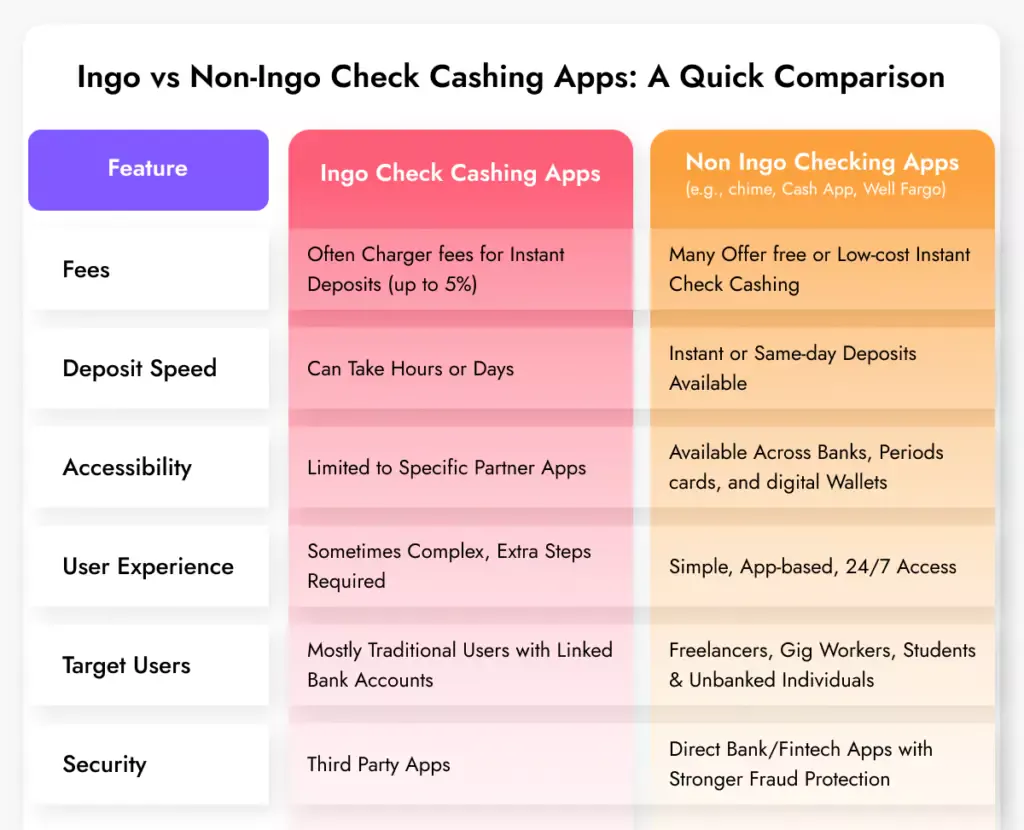
















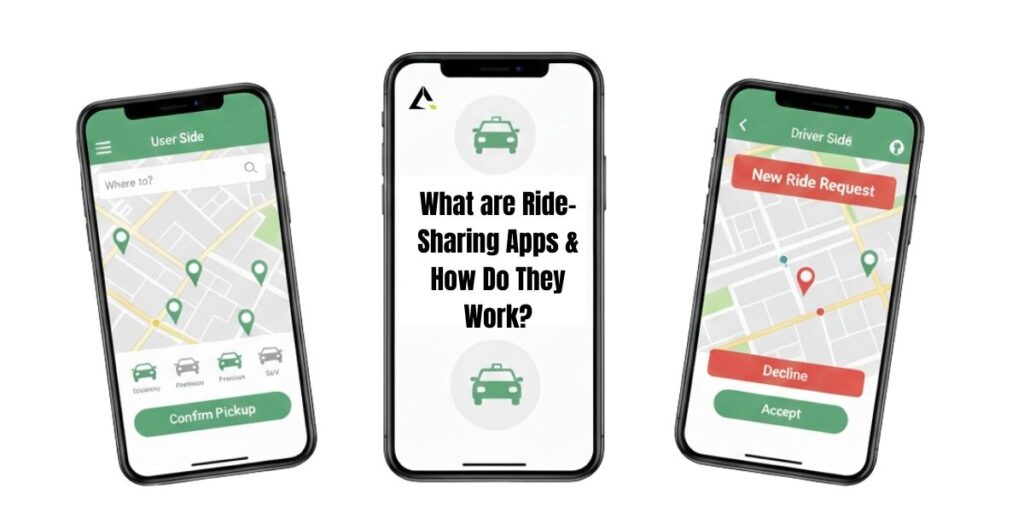 Here’s the process of how ride-sharing apps work: