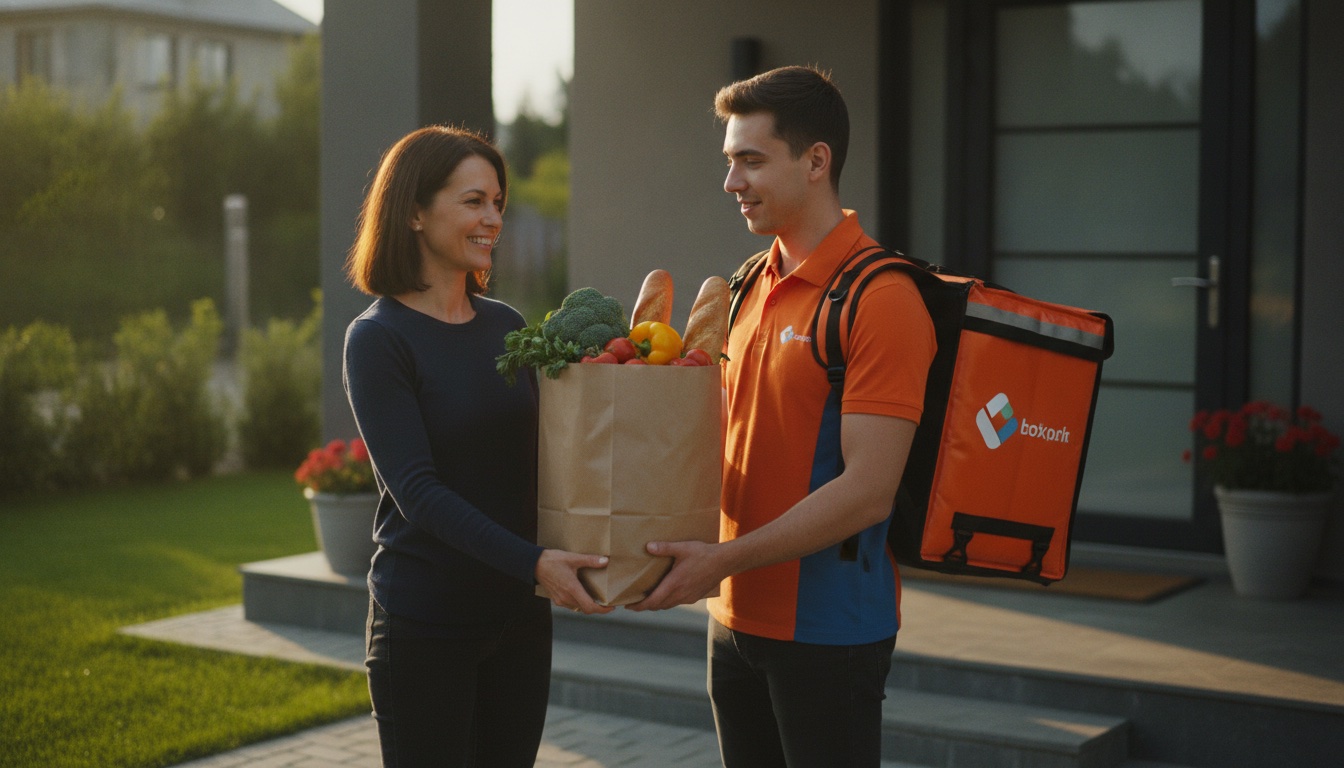
We build grocery delivery platforms engineered around the details that actually break at scale — real-time inventory sync with store POS, dark-store picking workflows, delivery slot scheduling, and substitution handling that keeps a basket from getting cancelled over one out-of-stock item.
Sub-second inventory matching & automated out-of-stock prevention.
Real-time item replacement approvals that prevent basket abandonment.
Dynamic delivery window guarantees and cold-chain route optimization.
Grocery app development is the process of building the software that lets shoppers browse a store's catalog, schedule or request instant delivery, and pay in-app — while the store, warehouse, or dark-store side gets real-time inventory, picking, and dispatch tools that keep the promise the app makes.
The build differs a lot depending on the model: a single supermarket chain digitizing its own delivery operation needs something structurally different from a multi-vendor marketplace connecting dozens of local grocers, or a dark-store quick-commerce platform built around a 10–30 minute delivery SLA. We scope and build the model that actually fits your operation.
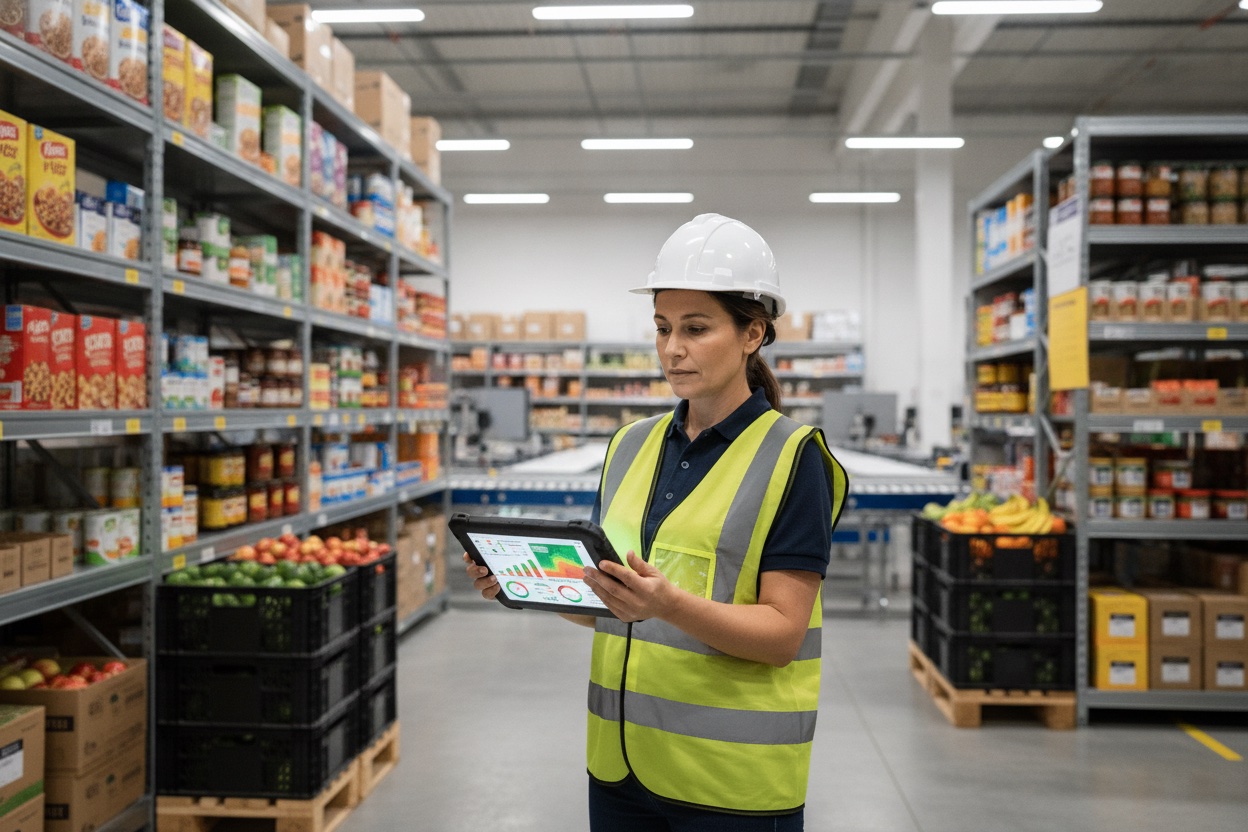
These aren't nice-to-haves — they're the features that determine whether a grocery app survives its first busy Friday evening.
Two-way POS and warehouse integration so stock levels stay accurate to the item, not the hour.
Configurable delivery windows, from a scheduled hour to instant dark-store dispatch.
Cards, digital wallets, and stored credit with a checkout that doesn’t lose baskets.
Real-time courier location and order status from picking through doorstep drop-off.
Rule-based or shopper-approved substitutions that keep an order complete when an item is out.
Per-store pricing, availability, and commission logic for marketplace-style platforms.
Most clients arrive with the model half-decided. We help pressure-test it against real operational constraints before a single screen gets designed.
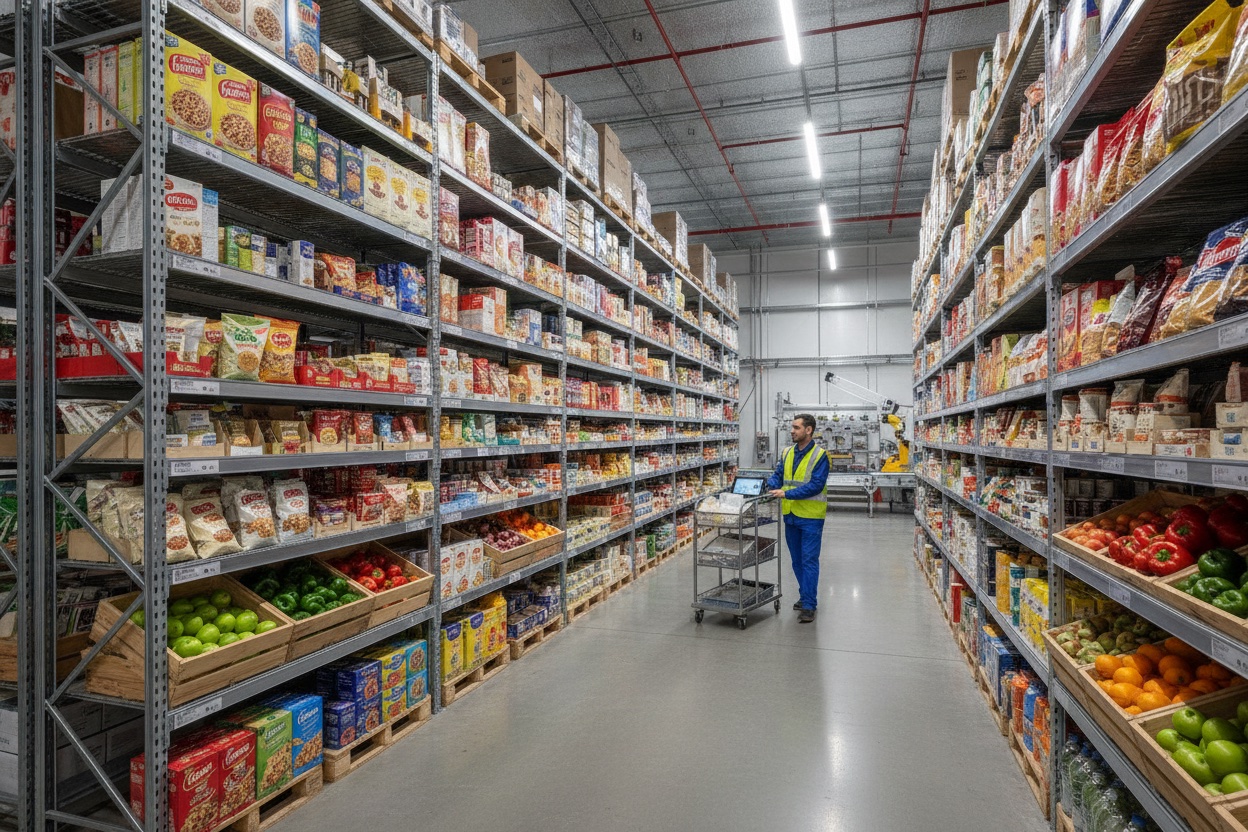
Micro-fulfillment centers built for 10–30 minute delivery SLAs, with picking workflows optimized for speed over breadth.
A platform connecting shoppers with multiple local grocers, supermarkets, or specialty stores under one app.
A dedicated ordering and delivery app for one supermarket chain’s own operation, tied directly to its POS.
Online ordering paired with a scheduled in-store or curbside pickup, without a full delivery fleet.
This is the sequence that actually determines whether a 15-minute delivery promise holds up during a Friday evening rush.
The moment an item is added to a basket, it’s reserved against live stock so two shoppers can’t buy the same last unit.
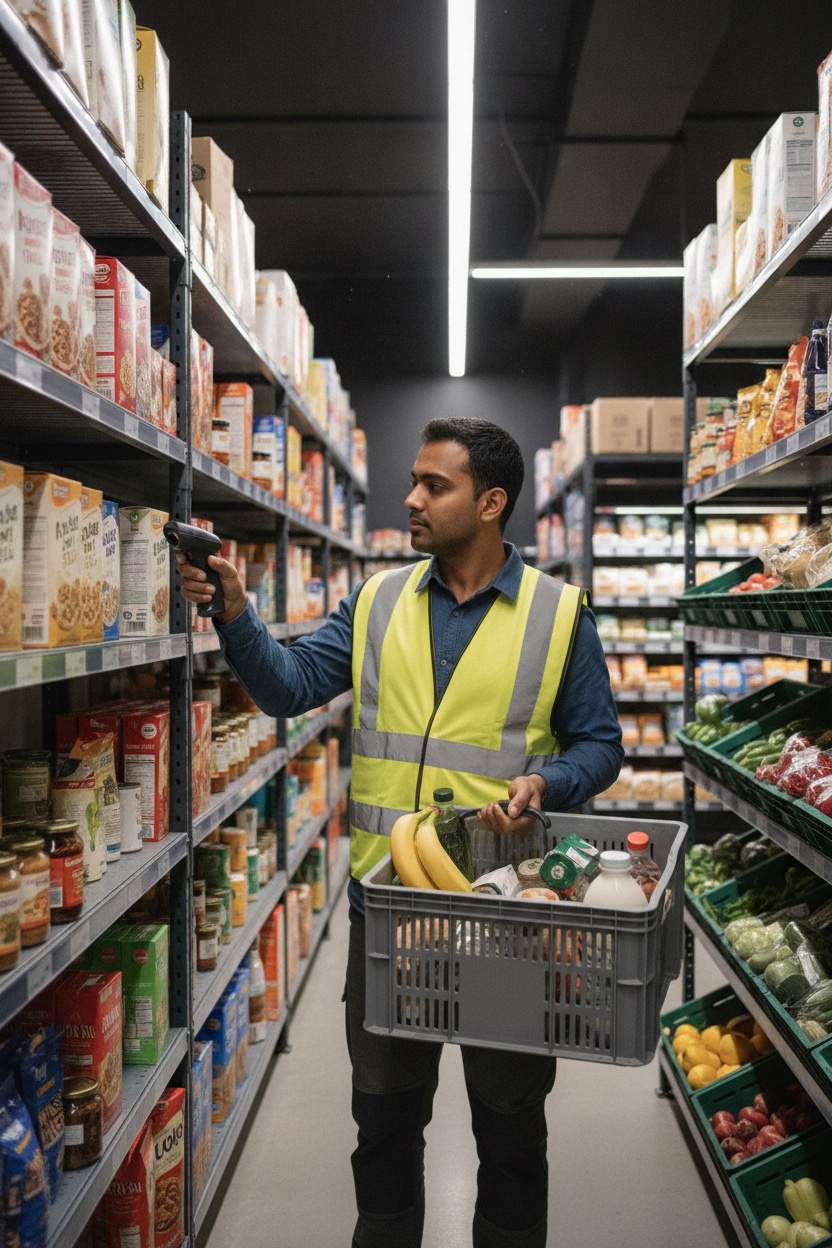
Pickers follow an optimized in-aisle route, scan each item, and verify weight or count before bagging.
Out-of-stock items trigger an instant substitution prompt to the shopper instead of a silent cancellation.
A courier is pre-matched as picking finishes, with turn-by-turn routing to the delivery address.
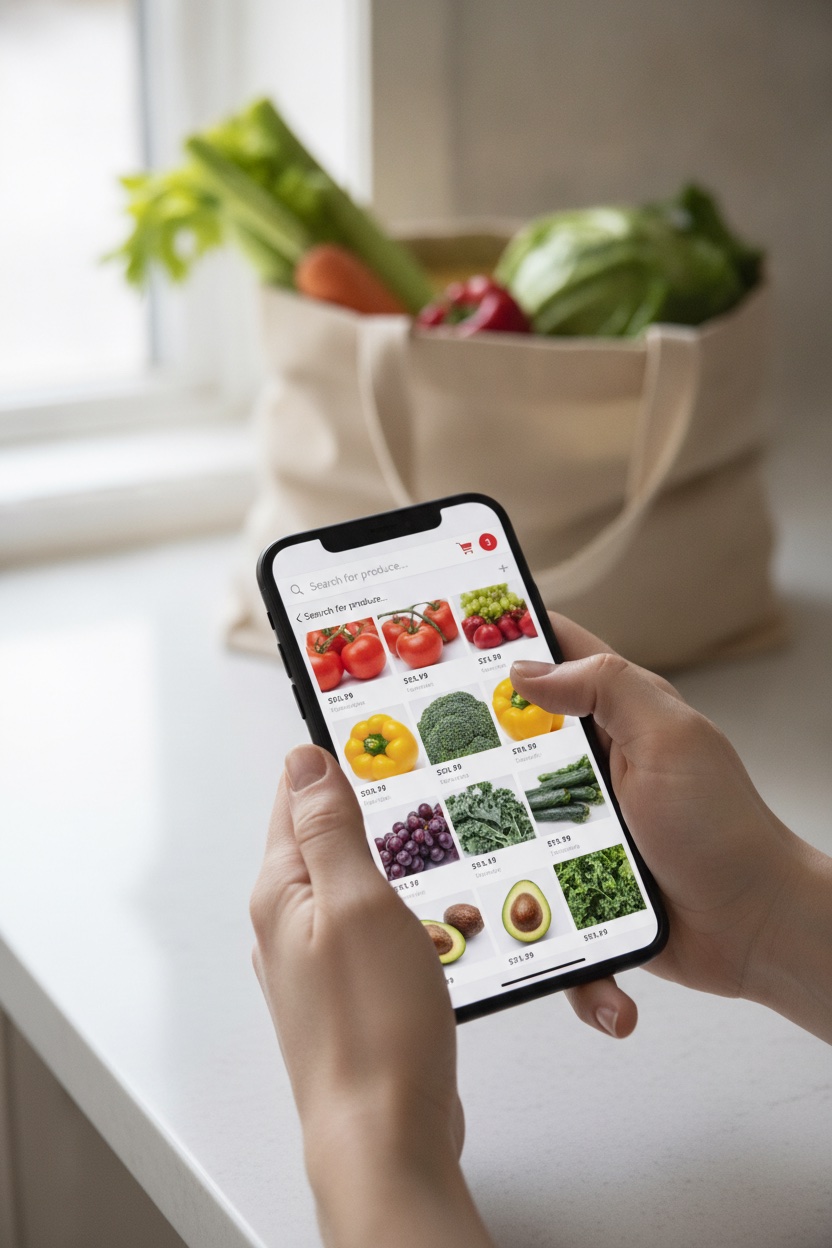
Fast discovery, easy checkout
We haven't shipped a public grocery-specific case study yet — but the same real-time, multi-vendor architecture behind these platforms is exactly what a grocery or quick-commerce build needs.
A community-commerce app connecting local businesses and independent workers — domestic workers, gardeners, tradespeople — directly with nearby customers, with rewards for supporting local.
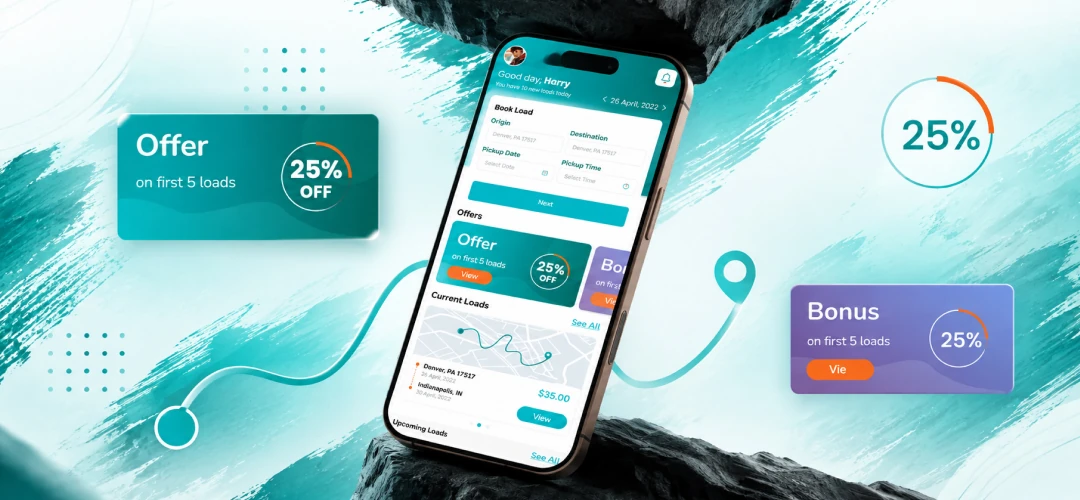
A logistics marketplace connecting shippers and businesses with reliable, secure cargo carriers — real-time booking, tracking, and carrier discovery.
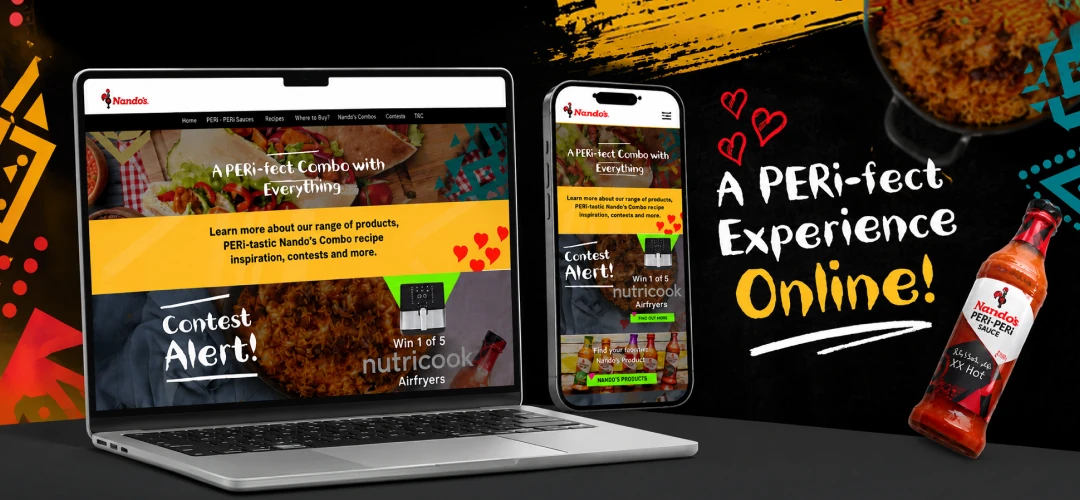
Restaurant ordering and engagement experience for Nando's across the UAE and Qatar — menu discovery, restaurant locator, combo promotions, and loyalty campaigns.
“FreshHook wouldn’t exist without Apptechies’s innovative approach to perishable goods delivery. They built a platform that handles our delivery promise with real-time GPS tracking and smart inventory management.”
A delivery promise is only as good as the routing and tracking underneath it. This is the stack we build that on.
Dispatch logic that routes couriers around live traffic, not a straight-line estimate.
Connected devices and location pings that keep the shopper’s map accurate to the meter.
API and webhook connectors into the retail systems you already run inventory on.
Historical order data turned into staffing and inventory forecasts for peak windows.
We run every grocery build through the same structured process as the rest of our work — described in full on our How We Work page.
Mapping your operation and delivery model before scoping a single feature.
Inventory, dispatch, and payment architecture decided upfront.
Checkout and picking flows tested against real shopping habits.
Working software in testable increments, reviewed as we build.
Tested against peak-load and out-of-stock scenarios, not just the happy path.
Rollout planned around your busiest shopping days, not our sprint calendar.
Monitoring, iteration, and support that continues past launch day.
Whether you're standing up your first micro-fulfillment center or connecting dozens of local grocers under one app, we'll help you scope the build that actually fits your delivery promise.
Ordering, kitchen, and rider platforms for restaurants.
Fleet, dispatch, and delivery coordination software.
Storefronts, catalogs, and checkout built for scale.
Marketplace and instant-service platforms of any kind.
Connected devices and sensor networks for tracking.
Connect store POS, ERPs, and third-party data.
iOS and Android apps for shoppers, pickers, and couriers.
Turn order and inventory data into decisions.
Dedicated engineers for demand forecasting models.
End-to-end engineering talent, flexibly engaged.
Scalable infrastructure for order and inventory data.
Purpose-built platforms for how you actually operate.
Answers to the questions grocery operators and quick-commerce founders ask us most — and a direct line to our team if you don't see yours.
A focused single-store delivery app typically runs $40,000–$90,000. A full multi-vendor marketplace or dark-store quick-commerce platform with picking workflows and real-time inventory sync ranges from $150,000–$350,000+ depending on scope.
A single-store MVP typically launches in 10–14 weeks. A full multi-vendor marketplace or dark-store platform with warehouse picking and automated substitution usually takes 5–8 months.
A dark-store model suits a single operator committing to fast, 10–30 minute delivery from micro-fulfillment centers. A multi-vendor marketplace suits connecting shoppers with multiple local grocers under one app. Most clients start with one store or format and expand once demand proves out.
We build direct API and webhook connectors to your store POS or warehouse system that update stock counts within minutes, automatically hiding out-of-stock items and reserving inventory the moment it’s added to a basket — which is what prevents the cancelled-order problem that hourly batch syncing causes.
Our dispatch engine matches couriers to orders as picking finishes, then routes them using live traffic data rather than a straight-line estimate. Delivery zones, fees, and SLAs are configurable per store or region.
We commonly integrate Stripe, Razorpay, Apple Pay, and Google Pay alongside cash-on-delivery and in-app wallet credit, chosen based on your target markets and existing payment relationships.
For most first-time grocery platforms, we recommend an MVP scoped to one store or delivery zone — enough to validate real order volume and fulfillment timing before investing in multi-vendor or dark-store infrastructure that only pays off at scale.
Tell us about your grocery operation or quick-commerce idea — we'll respond within 24 hours with real next steps, not a sales script.