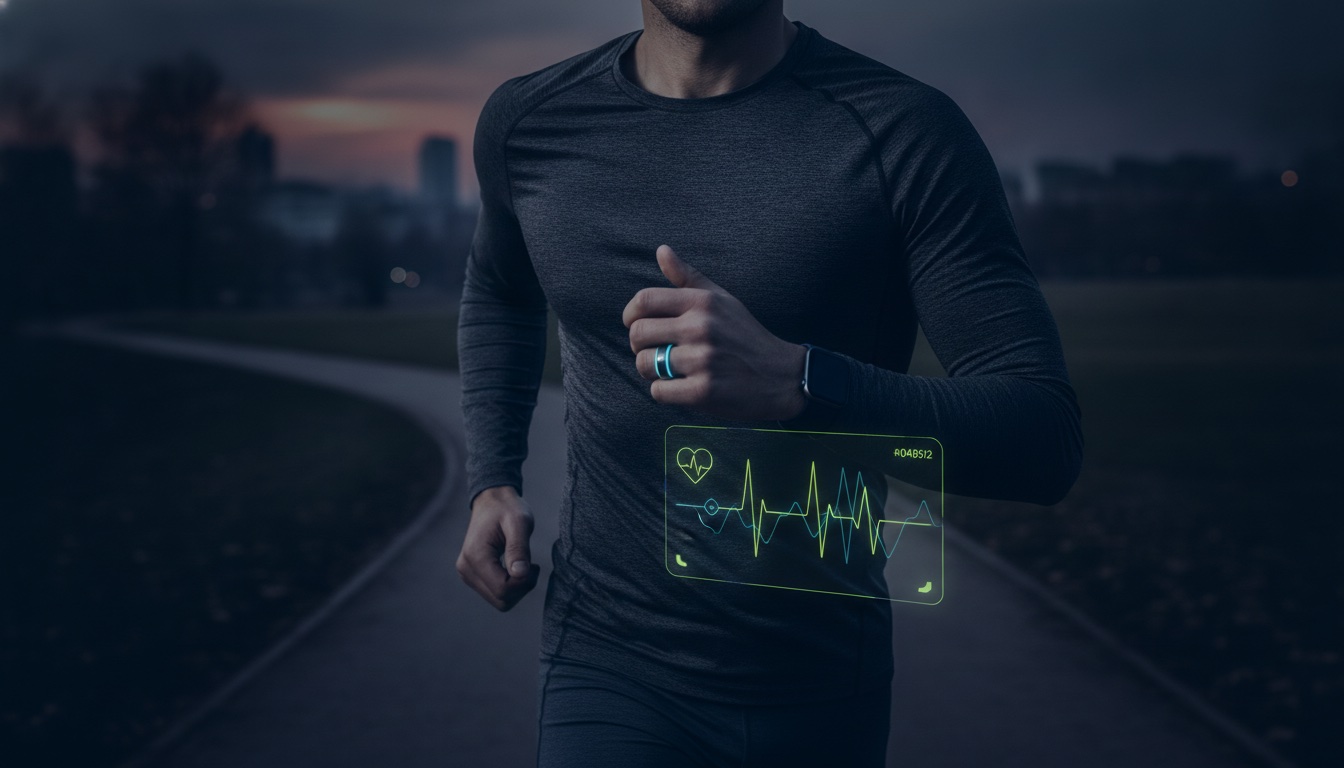
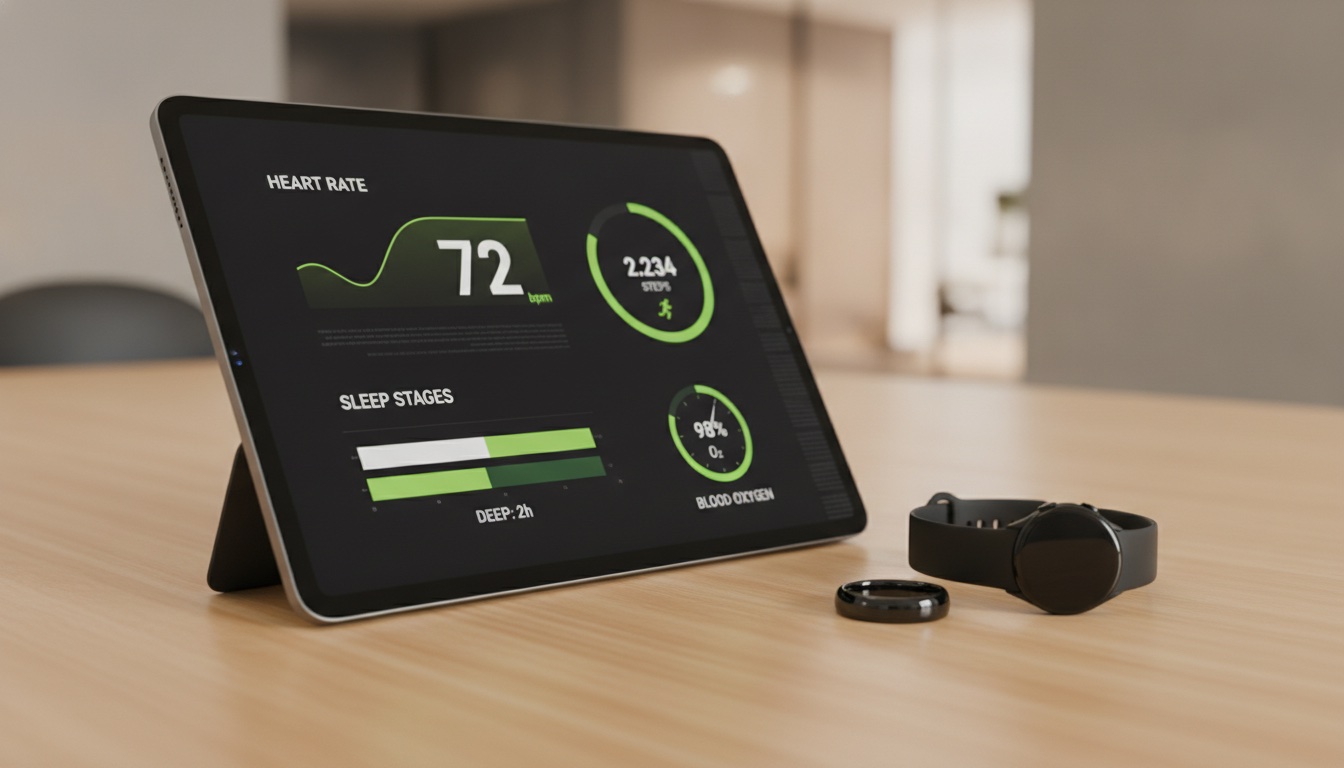
We build companion apps, Apple Watch and Wear OS native software, BLE sensor telemetry pipelines, and continuous biometric monitoring systems engineered for battery efficiency and background reliability.
Wearable device app development is the process of building companion mobile apps, native watchOS or Wear OS experiences, and the cloud infrastructure that syncs sensor data from a wearable in real time. It combines low-power BLE connectivity, HealthKit and Google Fit integration, and privacy-aware data pipelines with real product decisions — what to surface glanceably on a 1.5-inch display, when it's worth waking the phone, and how to keep syncing tens of thousands of biometric samples a day without draining the battery by lunchtime. A focused companion app for an existing certified device typically takes 10–14 weeks; a full sensor-to-cloud platform with AI-driven insights usually runs 6–9 months.
A wearable is only as useful as what it does with the noise its sensors collect. AI is what turns a raw accelerometer stream into a fall alert, and a season of heart-rate data into a recovery score a wearer actually trusts. We build these capabilities through our AI development services team, scoped to your sensor data and battery budget — not a generic model bolted onto the UI after the fact.
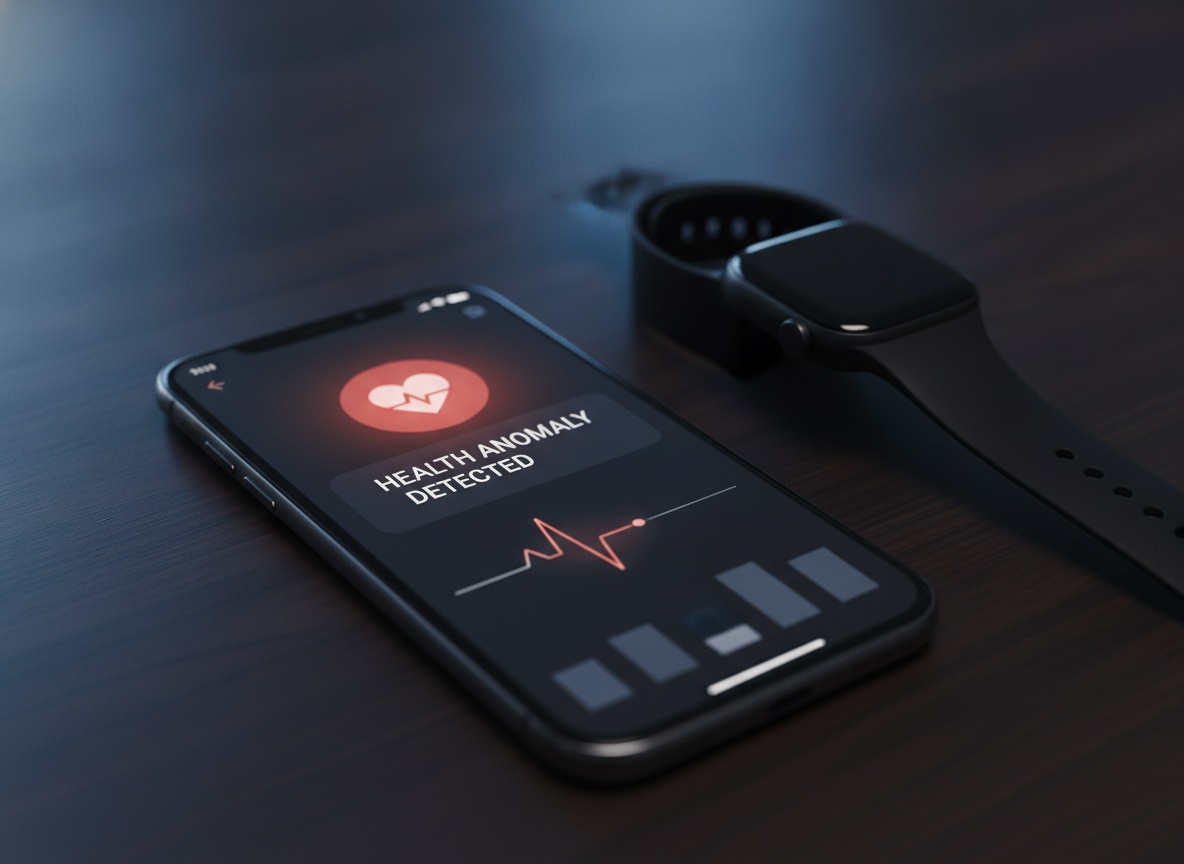
From a single companion app for an existing certified device to a full sensor-to-cloud platform, here's the range of wearable products we've built and can build for you.
Continuous heart rate, SpO2, and ECG tracking paired with clinician-facing dashboards that flag exceptions instead of drowning a doctor in raw data.
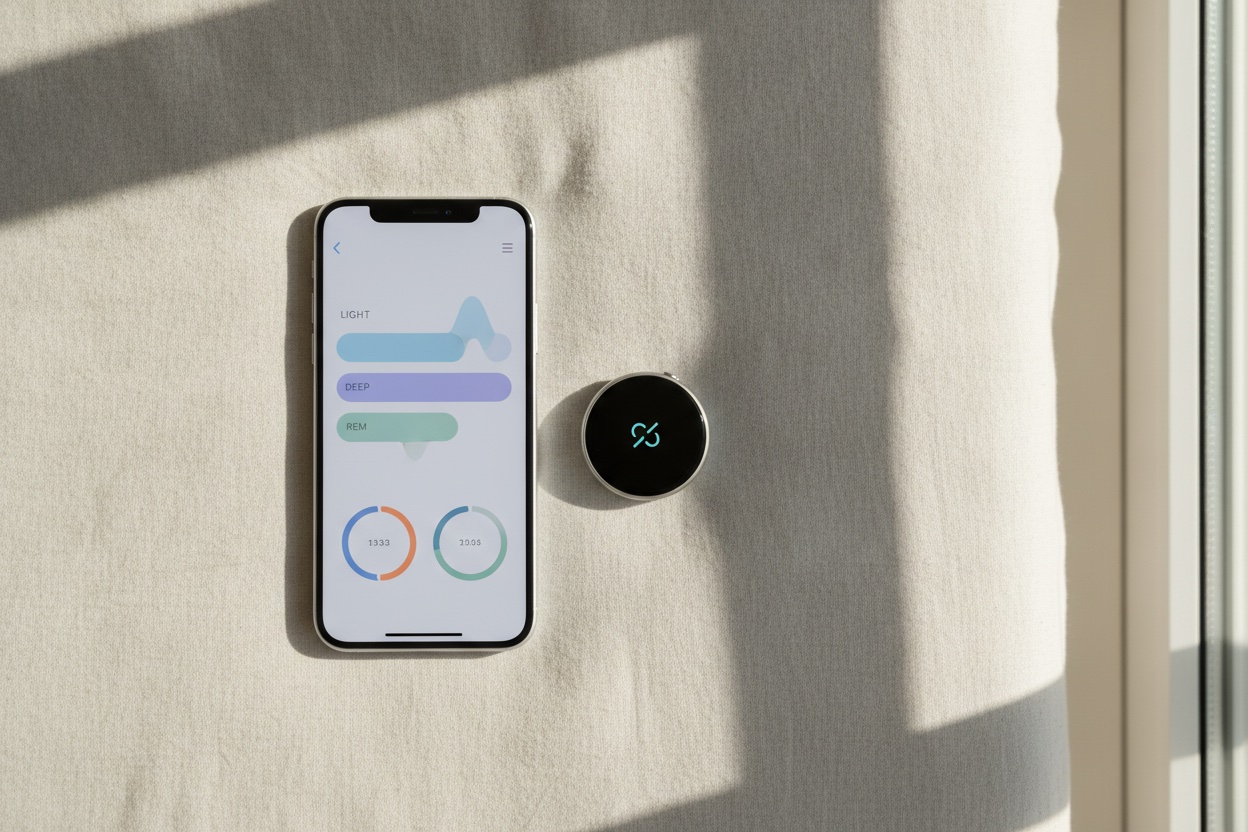
A wearable app lives or dies on four decisions made before the first line of UI code — here's how we make them.
Custom Bluetooth Low Energy services with optimized connection intervals so the radio isn’t what kills the battery.
DSP filtering and edge inference isolating true biometric signal from motion artifacts before a single byte leaves the device.
Native iOS and Android background transfer that keeps data flowing without waking the phone more than it has to.
End-to-end encrypted pipelines from sensor to cloud, with access controls built around how sensitive biometric data actually needs to be handled.
A wearable product rarely lives on a single platform — your companion app usually needs to talk to several of these at once.
Native SwiftUI watch apps, complications, and background HealthKit workouts.
Jetpack Compose tiles, watch faces, and Health Connect data sharing.
Bidirectional vitals, workout, and sleep data sync with a user’s existing Health app.
Cross-app activity and biometric data sharing on Android, normalized to one schema.
Core Bluetooth and Android BLE stacks paired with custom GATT services for any sensor.
AWS IoT and Firebase pipelines streaming sensor data the moment a device reconnects.
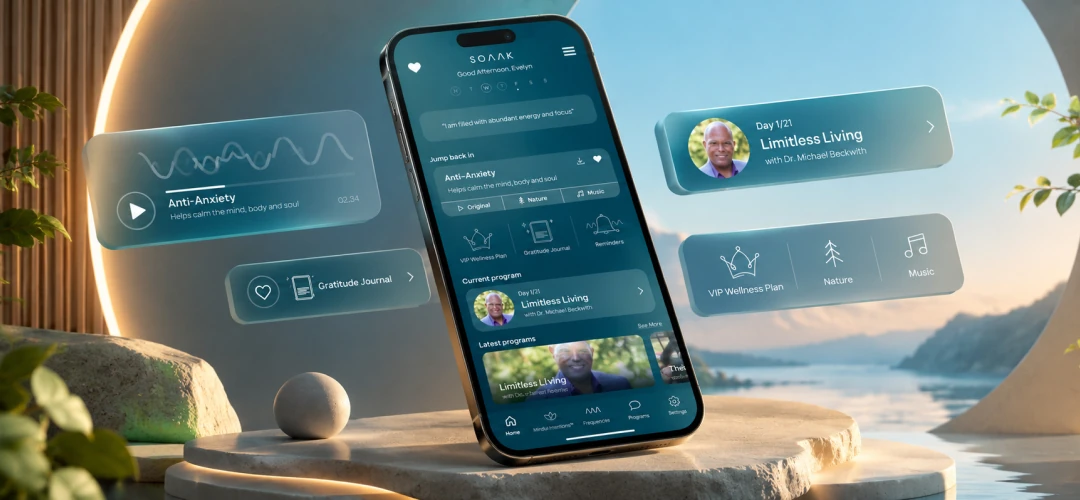
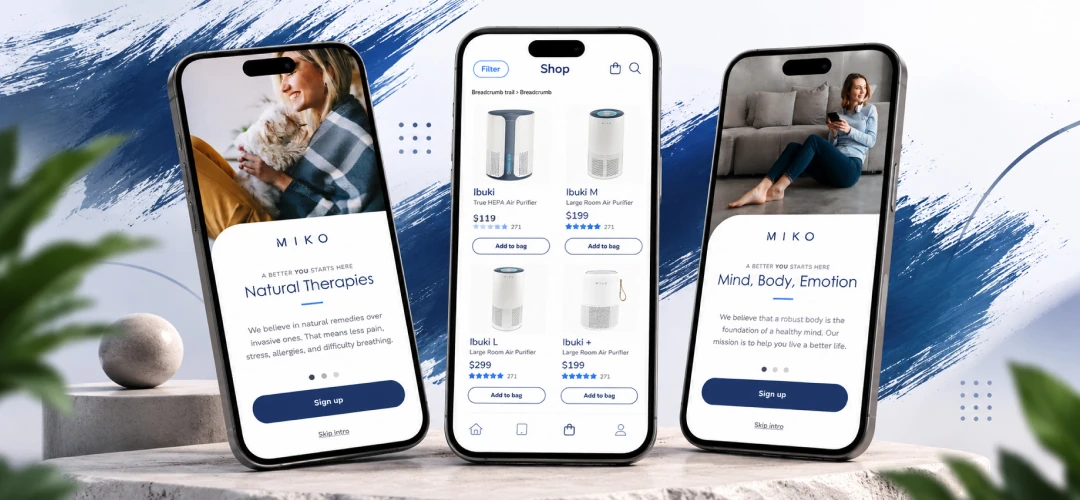
Soaak's biometric-tracking wellness platform and MyMiko's smart-device companion app are the closest real analogs to a wearable build — the same device-pairing, sensor-data, and connected-hardware discipline a wearable product needs.
A clinically curated sound-frequency platform for human performance optimisation — personalised wellness programs, biometric tracking, and a VIP practitioner-guided membership dashboard.
A companion app for Miko's smart foot massagers, air purifiers, and humidifiers — device pairing, usage guidance, and a connected wellness shopping experience.
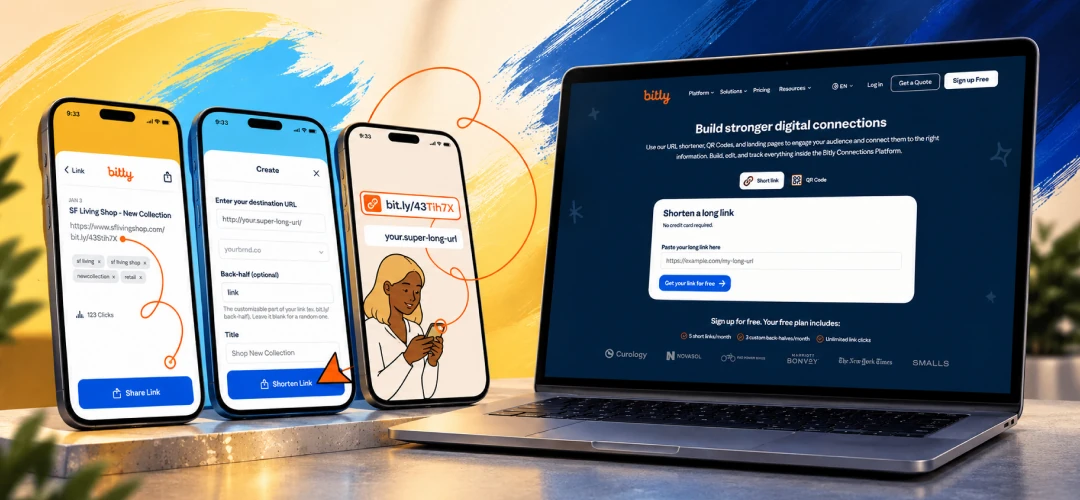
Engineering support for the widely used link-management platform — branded short links, QR code generation, and click analytics used by marketers and enterprises worldwide.
“The AI-powered fitness platform Apptechies developed integrates personalized workout plans, nutrition tracking, and real-time progress monitoring in one beautiful app. Their technical execution has been exceptional.”
8+ building software, 600+ solutions shipped across 25+ industries — here's what that experience actually changes for a wearable build.
Every BLE profile and sync interval is designed around real battery budgets, not tuned after a device ships at 4 hours of life.
Firmware, companion app, and cloud pipeline from one accountable team — not a hardware vendor and a software vendor pointing at each other.
MyMiko’s device-companion architecture and Soaak’s biometric-tracking platform are live proof of this, not a slide deck.
We help you scope the right platform before writing a line of firmware — including when the answer is a simpler MVP.
We run every wearable build through the same structured process as the rest of our work — described in full on our How We Work page.
Mapping your device, target ecosystem, and battery constraints before scoping a single feature.
BLE protocol, data model, and sync strategy decided upfront, not bolted on after a battery test fails.
Interfaces designed for a glanceable 1.5-inch display first, then scaled up to the companion phone screen.
Working firmware and app builds in testable increments, reviewed against real device hardware as we go.
Tested against dropped-connection scenarios and real sensor noise, not just a simulator happy path.
App-store and OTA firmware rollout planned around your certification timeline, not our sprint calendar.
Monitoring, iteration, and support that continues through firmware updates and the next hardware revision.
End-to-end encryption from sensor to cloud, on-device processing that keeps raw data off the network when it doesn't need to leave the device, and access-control architecture reviewed against HIPAA-aligned practices for regulated use cases.
Sensor networks and connected-device platforms beyond a single wearable.
Workout tracking, coaching, and wearable-sync mobile apps.
Telehealth, RPM, and clinician-facing platforms.
Companion apps for iOS and Android, built to pair reliably.
Anomaly detection and predictive-coaching models.
Turn sensor and biometric data into decisions.
Scalable infrastructure for real-time sensor data.
Connect wearables, EHRs, and third-party health platforms.
Dedicated engineers for biometric and predictive models.
Cross-platform companion app engineering talent.
Answers to the questions hardware teams and digital health companies ask us most — and a direct line to our team if you don't see yours.
A focused companion app for an existing certified device typically runs $35,000–$80,000, while a full firmware-to-cloud platform with AI-driven health insights can run $120,000–$320,000+ depending on certification and connectivity scope.
A companion app for an existing device typically takes 10–14 weeks. A full sensor-to-cloud platform with AI-driven insights usually runs 6–9 months depending on certification requirements.
Yes. We build custom Bluetooth Low Energy GATT profiles and pairing flows for existing sensor hardware, tuning connection intervals and payloads around your device’s specific battery budget.
Yes. We build native SwiftUI apps and complications for watchOS, and Jetpack Compose tiles and watch faces for Wear OS, alongside the paired iOS and Android companion apps.
We build end-to-end encryption from sensor to cloud, push filtering and processing on-device wherever possible so raw data doesn’t need to leave the device, and access-control architecture reviewed against HIPAA-aligned practices for regulated use cases.
Yes. We build integrations with HealthKit, Google Fit and Health Connect, Garmin Connect, and similar platforms, normalizing the data so your product isn’t locked to a single device brand.
We push lightweight inference on-device for time-sensitive signals like anomaly and fall detection, and reserve heavier cloud-side models for insights that don’t need to run in real time — keeping cloud round-trips off the device’s critical battery path.
Tell us about your device or wearable app idea — we'll respond within 24 hours with real next steps, not a sales script.