Author: Ajay Chaudhary

  • What is Industrial Training: Everything You Need to Know

    What is Industrial Training: Everything You Need to Know

    In today’s fast-changing world, the IT industry is key to driving new ideas and shaping different parts of the economy. In order to succeed in this competitive area, aspiring professionals must be equipped with the knowledge and abilities necessary to keep up with the ever-evolving technological environment.industrial training students at apptechies during pracctical session

    Where theoretical knowledge plays an important role in education, practical training or industrial training in Chandigarh plays a specific role in job placement. Especially in the IT industry, you must have practical skills to gain stunning opportunities for your career.

    In this blog, we will explore what it actually is industrial training, how it matters in the modern world, and their goals to succeed in their career. We’ll also review the industrial training courses you need to check out. So, let’s get begin!

    What is Industrial Training?

    Industrial Training is defined as a program designed to offer organized, practical training within a specific time range. Government agencies and private sector companies both offer this training.

    Industrial training helps students become the best and most successful professional engineers by providing them with valuable practical knowledge and skills. The main goal of industrial training is to give students the best and most relevant theoretical knowledge in a set time frame. Students complete their industrial training in 12 to 14 weeks and must pass an assessment to graduate.

    industrial traIning in chandigarh

    It offers an opportunity to work on live projects and internships to select career paths with various work settings and exposure to the newest technology. Also, it’s being utilized by a significant and pertinent industry, among other things.

    Why Does Industrial Training Matter In The Modern World?

    Industrial training is crucial in today’s fast-paced world because it bridges the gap between theoretical knowledge and real-world application. It provides the hands-on experience that is essential for career success. Here’s why it matters:

    Skill Enhancement

    Industrial training helps to boost your practical skills on live projects. It makes sure students are ready for the challenges of their future careers by exposing them to the newest technology, techniques, and industry best practices.

    Career Enhancement

    Industrial training has long been seen as a key way to develop new engineering graduates. It’s a common method for shaping talented engineers into skilled professionals who are ready to excel in their fields.

    Technological Advancements

    With rapid technological changes, industrial training helps individuals to stay updated with the latest tools, machines, and technologies. This ensures that the workforce can efficiently use modern equipment and software. Also, this leads to increased productivity and innovation.

    Better Job Opportunity

    While doing industrial training in the IT domain, you will gain significant skills that help you get a job. This training not only shapes your practical skills but also improves your soft skills like communication, presentation skills, problem-solving skills, and many more. This will surely open your door to new opportunities that help you succeed in your career.

    Practical Projects and Case Studies

    At Apptechies, we focus on hands-on learning with practical projects and real-life case studies. Participants work on industry-specific projects that simulate real work situations. This helps them to develop problem-solving skills and critical thinking abilities. Moreover, our unique learning sessions will help you to gain skills according to your learning ability.

    Placement Assistance

    The industrial training program aims to equip you with the knowledge and skills necessary to land your ideal job and provide training. This training offers work opportunities and places candidates who are prepared for employment. Moreover, we have created a course syllabus that will make sure you get the most out of your internship.

    students in the conference room

    What Will You Study During The Industrial Training Course?

    At Apptechies, we offer excellent, unique courses for your industrial training in the IT sector. Our training program is tailored for high school graduates, college students, dropouts, small business owners, and individuals starting their careers.

    During industrial training, we offer various development courses and IT service-based courses such as PHP, MySQL, MERN, MEAN, Mobile App development, company internships, marketing and sales, and HR and recruitment. Participants also gain hands-on experience with live projects.

    Let’s have a brief look at some courses

    PHP

    • Introduction to PHP
    • PHP Syntax and Variables
    • Control Structures
    • Functions in PHP
    • Arrays in PHP
    • String Manipulation
    • Forms and User Input
    • Working with Databases
    • Object-Oriented Programming (OOP) in PHP
    • AJAX and jQuery in PHP
    • Web Services and API Integration
    • Advanced Security Practices
    • Testing and Debugging Strategies
    • Content Management Systems (CMS) Development

    Python

    • Introduction to Python
    • Python Basics
    • Data Structures
    • Object-Oriented Programming (OOP) in Python
    • Advanced File Handling
    • Concurrency and Multithreading
    • Networking and Socket Programming
    • Database Connectivity and ORM
    • Python and the Web (DJANGO)
    • Python and the Web (FLASK)
    • Data Analysis and Visualization
    • Introduction to Machine Learning with Python

    Java

    • Introduction to Java
    • Java Basics
    • Object-Oriented Programming (OOP) in Java
    • Exception Handling
    • File Handling
    • Collections Framework
    • Multithreading
    • Java Database Connectivity (JDBC)
    • GUI Programming with Swing
    • Networking in Java
    • JavaServer Pages (JSP) and Servlets
    • Introduction to Spring Framework
    • Hibernate Framework
    • Introduction to RESTful Web Services
    • Project Work and Real-world Applications

    Full Stack Web Development

    • Introduction to Web Design
    • HTML
    • CSS
    • Responsive Web Design
    • JavaScript
    • User Experience Design
    • Web Design Tools and Technologies
    • Web Animation & Design Project
    • Introduction to React
    • JavaScript Frameworks
    • React Advanced Topics
    • Node.js Fundamentals
    • Express.js Fundamentals
    • MongoDB Fundamentals

    Digital Marketing

    • Introduction to Digital Marketing
    • Learning WordPress
    • Search Engine Optimization (SEO)
    • Social Media Optimization & Marketing
    • Google Analytics 4
    • Google Tag Manager (GTM)
    • Content Marketing
    • YouTube Marketing
    • App Store Optimization (ASO)
    • Google My Business (GMB)
    • Google Ads
    • Facebook Ads
    • Email Marketing
    • Online Reputation Management (ORM)

    Final Thoughts

    Industrial training is an important part of aspirants’ education, offering more than just theory. It gives individuals a comprehensive understanding of their field, enhancing both technical skills and professional preparation.

    At Apptechies, we provide top-notch industrial training with a range of IT courses. Experience a FREE DEMO CLASS where you can join live sessions with industry experts to discuss your syllabus, clear doubts, and explore our learning materials. Why wait? Enroll in industrial training at Apptechies in Chandigarh today! Reserve your spot for the free demo class now.

  • Top 7 Best NFC Payment Apps: You Should Try in 2026

    Top 7 Best NFC Payment Apps: You Should Try in 2026

    In 2026, the payment mode is almost cashless! Everyone uses their smartphone to make all their payments. According to one study, 99% of smartphones will be able to make contactless transactions worldwide by 2027! This is all due to NFC.

    Near Field Communication technology is also known as NFC. It’s a technique that lets customers use their phone to securely complete a transaction at a close distance (around 4 cm). You only need to put your smartphone close to the terminal or tap on it to process anything. Thus, it is a major reason that the convenience and speed of NFC payment apps attract consumers and businesses.

    Implementing NFC into mobile app development is an excellent approach for cashless & contactless payment apps. In this blog, we will discuss what exactly NFC payment, NFC payment apps & how they work. So, buckle up your seats & let’s get started.

    What Are NFC Payment Apps?

    NFC mobile payment is a contactless way to pay using your phone, tablet, or even a credit card. It connects easily with NFC-enabled readers, making payments quick and simple. This payment solution is perfect for many businesses like restaurants and retailers. They can explore new product ideas to see how NFC payments can benefit their operations and improve the customer experience.

    An NFC-enabled reader is needed for NFC mobile payments. A point-of-sale (POS) system can trigger an NFC-enabled reading tool, which then sends out a signal to find an NFC-enabled payment device. The payment device transmits the payment details to the reader upon detecting the NFC-enabled device’s antenna. The payment is then completed.

    Today, NFC technology is used in Android, Windows, and iOS app development. This makes Android apps for NFC payments more important than ever, especially for mobile payments. Moreover, this has made mobile payments easier and more convenient for users across different platforms.

    You Can Read Also: Top 10 Web Application Examples

    How Does it Work?

    The working of the apps for NFC payment is completely simple & secure. Below, we mention some key steps of how it works:

    • You can open your payment app or the best app on your phone and tap the credit card terminal to set up a connection via NFC.
    • You can enter your PIN or scan your fingerprint to approve the transaction.
    • A secure element (SE) chip verifies the transaction. It then sends the authorization back to the NFC modem.
    • Once authorized, the payment process is just like a regular credit card swipe.

    Not only does Google Pay allow mobile payments, but it’s more than just that when it comes to the best NFC Android apps available today. With NFC tags, a skilled user can utilize the phone to automate a variety of functions, such as sending contacts, opening apps, and adjusting Wi-Fi settings.

    Why Should We Use NFC Payment Apps?

    NFC payment apps offer a fast, easy, and secure way to make payments. By selecting from the top tap and pay apps, you’re using cutting-edge technology that simplifies transactions. These apps provide a digital payment gateway that’s both advanced and user-friendly. Discover how the best NFC apps are making payments mobile, quick, and secure, transforming the way you handle transactions with just a tap.

    Seamless & User-Friendly Experience

    Let’s discuss how to make paying easier. The top mobile payment apps provide convenience at your fingertips. Consider safely saving your credit card information on your phone alone. As there are apps for iOS and Android devices that make the checkout process easier, you can leave your money at home. These apps allow you to quickly tap and pay using mobile NFC technology. Not only does it simplify in-store payments, but it also makes internet shopping easier. Fortunately, the majority of these apps are free to use.

    Extensive Reach and Accessibility

    You’ll adore how well-accepted NFC payment apps are. These days, a lot of payment apps connect to innumerable retailers worldwide. These applications are easily accessible for both iOS and Android. They are a reliable method of payment that will help you no matter where you go. The app for your device is available whether you need to transfer or receive money. Additionally, the rise of app creation indicates that availability will only increase.

    Authentication Measures

    The NFC payment apps must have authentication features. Using your iOS or Android app, you can increase your defense by adding a fingerprint or PIN. Ensuring the authenticity of your mobile payments is crucial. Consider that this extra shield is what the top pay apps provide. Understanding that your online transaction is private to you alone gives you an additional sense of peace of mind.

    Encrypted Data Transmission

    Don’t forget about encrypted data transmission! You might wonder, “What does that mean?” It’s a bit technical but very important. When NFC tags and your mobile payment options communicate, they use a secret code. This means that when you use your mobile wallet app on iOS or Android, your information stays hidden during the payment process. It’s like a secure conversation that only your phone and the payment system can understand. So, every tap is a safe exchange—now that’s smart technology at work!

    Broad Recognition and Accessibility

    The widespread use of NFC payment apps is something you’ll adore. Many payment apps these days are compatible with thousands of stores worldwide. On both the iOS and Android platforms, these apps are simply accessible. No matter where you go, they provide a dependable payment option. The app is available for your device, so you can send and receive money. Furthermore, the number of apps being developed is rising, suggesting even more accessibility.

    Contactless Transactions

    We all know NFC payment apps for tap and go are the future. In the age of touchless interactions, it’s crucial. Paying with the app means no need to touch screens or buttons at checkout. This is a big plus during times of health concerns, like with COVID. This payment method connects directly to your device’s NFC modem, guaranteeing a secure and seamless transaction. These apps are free to use. They also work with contactless payment terminals. So, they are among the best NFC mobile payment solutions.

    Fraud Protection Solutions

    Security is crucial right now. Particularly when it comes to the information on your credit card, your peace of mind counts. 2026’s NFC payment apps have the best security measures available. Tokenization is used in this safe NFC configuration, keeping your actual card information private. iOS and Android payment apps are also designed to keep your privacy private. You can also pay using contactless. Therefore, the payment option not only protects you from fraud but also maintains hygienic conditions.

    Security and Privacy

    These days, security is paramount. Your peace of mind matters, especially when it comes to protecting the data on your credit card. The best security features are present in NFC payment apps released in 2026. This secure NFC setup uses tokenization, which protects the privacy of your actual card information. Payment apps for iOS and Android are similarly made with your privacy in mind. Contactless payments are also an option. As a result, the payment option keeps things hygienic and guards against fraud.

    You Can Read Also: Top 15 Dating Apps in USA

    The List Of The Top NFC Payment Apps

    Google Pay

    Google Pay was first released in 2018 and has since helped customers with their personal banking needs. It offers end-to-end encryption for safe transactions between devices. Google Pay is the result of merging Android Pay and Google Wallet. Sending and receiving money is now easier due to numerous mobile payment apps like Google Pay. GPay has more than 150 million monthly users across 42 countries, according to Statista. Today, NFC payment technology is used in millions of physical establishments.

    Do you know how Google Pay makes payments so fast? When you open the Google Pay app, you’ll see various payment options on the dashboard. To send or receive money, simply choose a method like UPI, barcode, contacts, banking details, or QR code. When sending money, just select the appropriate banking detail, and the app processes the payment by quickly sending the information to its backend. It’s a simple and efficient way to handle transactions!

    Also, the program allows payment for purchases from various physical places, phone apps, and some vending machines. The bulk of the big mobile phone carriers, such as T-Mobile, Verizon, and AT&T, also process payments via this service.

    Key Benefits of Google Pay

    • No additional fees for using the app.
    • Offers cashback rewards and other perks.
    • Ideal for both businesses and individuals.
    • Provides end-to-end encryption with multiple security layers.
    • Enables fast money transfers for sending and receiving.
    • Easy API integration with no extra cost.
    • Pay rent, electricity, and utility bills with a single click.

    Apple Pay

    In November 2015, Apply Pay was introduced in collaboration with American Express. One of the factors contributing to its success is that It offers virtual account numbers rather than storing actual credit or debit card numbers. The iOS NFC payment app does not store personal data.

    This software lets you make in-app purchases directly from your iPhone or iPad. Available on iPhone 6 and later, as well as Apple Watch, Apple Pay is easy to set up by locking your screen with a passcode and Touch ID. You can implement your Touch ID or your passcode to approve payments. Moreover, you can use a 6-digit code instead of the standard 4-digit PIN to raise more security. Apple Pay protects your card info with tokenization. It keeps your payment details off your device and makes transactions safe.

    Although the features of Android NFC payment apps may be limited, you can make in-app purchases on your iPhone or iOS device using Apple Pay. Because integrated features can significantly affect the total cost of developing a mobile app, businesses must pay particular attention to them.

    Key Features of Apple Pay

    • Contactless Payments
    • Two-Factor Authentication for Enhanced Security
    • The app does not disclose your personal information to merchants.
    • Each transaction utilizes a tokenization method.
    • You can disable the app using Apple Pay’s “Find My” feature if your device is lost.
    • Users can deactivate Apple Pay through the iCloud system if they suspect their account may be compromised.

    PayPal

    PayPal is one of the best apps for contactless payment that has existed since its 1998 launch. Due to frequent updates, users love the app. Because PayPal is the safest option for international payments, most firms utilize it when paying freelancers. It works with both Android and iOS.

    Also, it works with GPay and Apple Pay. Users can send up to $10,000 in a single transaction after opening their account. With 426 million users, PayPal’s ongoing success can be partly attributed to its no-cost usage and the absence of an annual membership fee. This makes it an attractive option for businesses developing eWallet apps like PayPal.

    This software’s best feature is its instant notifications. It alerts you whenever you send, receive, or spend money via PayPal. This makes it easier to track everything. You can find everything you need in our safe payment software. This applies whether you are using PayPal Credit, your balance, your bank, or your debit and credit cards to make a PayPal payment.

    Key Features of PayPal

    • Send International Payments
    • Support for multiple languages
    • Secure and quick transfer
    • No extra costs
    • The Tap and Pay app
    • Numerous in-person and online payment options
    • Interactive and user-friendly user interface

    Samsung Pay

    Samsung Pay is transforming the payment landscape with its innovative blend of NFC (Near Field Communication) and MST (Magnetic Secure Transmission) technologies. This duo lets users pay at millions of locations. It works with both NFC terminals and magnetic stripe readers.

    With over 100 million users, Samsung Pay isn’t just convenient; it’s versatile. You can link multiple cards, including PayPal and transit cards, and even manage ATM transactions—all from your Samsung device. The app prioritizes security. It requires biometric authentication for every transaction. This keeps your financial data safe.

    In a world where speed and ease matter, Samsung Pay stands out as a reliable digital wallet. It makes everyday purchases as simple as tapping!

    Key Benefits of Samsung Pay

    • Transfer money using a mobile number from your wallet.
    • Safely scan QR codes for payments.
    • Generate one-time codes for transactions made with merchants.
    • Send money from your wallet using your mobile number.
    • Access deals, gift cards, promotions, and offers from thousands of local and national retailers with Samsung Pay.
    • Samsung Pay provides an extra layer of security through biometrics, PINs, and fingerprints.

    Square Wallet

    The Square Wallet is a contactless payment app that can be downloaded on iOS and Android smartphones. Credit cards can be linked to this location-based software. The app will notify the companies you are attempting to pay that you have started using your linked Square account to make a payment.

    The software lets you bookmark your shipper and offers a portable checkout alternative. Telling your name is all that is required at checkout. You can earn points for future purchases while you shop at these establishments. If the cost of developing an eWallet app is low, this app is the ideal option.

    Key Features of Square

    • Customer-driven and in-built checkout.
    • Several ways to pay
    • App for contactless payments
    • Several security layers
    • Rewards and discounts.

    Lifelock Wallet App

    Identity theft security company LifeLock created its own digital wallet platform, “LifeLock Wallet,” after purchasing Lemon Wallet in December 2013. One of the greatest NFC payment apps is LifeLock Wallet, which offers identity theft protection only within the app and lets you save debit, credit, ID, insurance numbers, and loyalty cards.

    It examines millions of transactions per second to identify and notify you of identity concerns. Additionally, an Identity Restoration Specialist is committed to your case to resolve the matter from beginning to end if you regrettably fall victim to identity theft.

    Key Features of LifeLock Wallet

    • Real-time threat protection
    • Identity theft protection
    • Credit monitoring
    • Alerts for bank and credit card activity
    • Home title monitoring
    • Social Security number alerts
    • Identity restoration support
    • Million-dollar protection package
    • Ransomware protection

    Venmo

    Venmo is the top contactless payment app that lets you easily exchange money with friends and family. PayPal owns it. It operates like other popular apps, such as Apple Pay, Google Pay, and Samsung Pay. After downloading and installing Venmo, simply link it to your debit or credit card or wallet, and you’re all set to send or receive payments in no time!

    Venmo is where you can start buying cryptocurrency. Additionally, Venmo offers excellent support for your cryptocurrency payments. Sending money to friends and family is simple. In addition, you have the option to provide customized messages with those payments. In 2021, Venmo surpassed 70 million users and is gaining market favor. Given the rise, if you want to create an NFC payment app similar to Venmo, you can enlist the aid of a skilled eWallet app development company.

    Key Features of Venmo

    • ACH payment processing.
    • Customer service.
    • Safeguarding data.
    • Data synchronization.
    • Debit and credit card processing.
    • Payments are made online.
    • In-person exchanges.
    • Mobile access is available.

    Wrapping Up

    Therefore, these are the best NFC Android apps for 2026 They are the top NFC mobile payment apps used worldwide for daily payments. As demand for NFC payment apps grows, more retailers see their benefits. They want to offer clients NFC payment options.

    Are you a merchant in need of an NFC tap-and-pay app? Look no further! We specialize in custom software development for startups and have extensive experience creating tailored NFC-based mobile app solutions. Contact us today to bring your payment app idea to life!

    If you have questions about Windows Phone NFC payments, we’re here to help! This includes mobile app development costs, app creation time, and steps to develop great payment apps. Reach out to us through our contact form, and one of our experts will get back to you quickly. Best of all, the consultation is completely free! Don’t hesitate to connect with us!

    Frequently Asked Questions

    Q. Which Payment App Uses NFC?

    Ans: The top payment apps that use NFC are  Google Pay, Apple Pay, PayPal, Samsung Pay, Square Wallet, and more

    Q. Are NFC Payments Secure for Businesses?

    Ans: The NFC transaction technique prioritizes security and speed. Customers and organizations find NFC payments a handy option because of their quickness, ease of use, and security features, including device verification and data encryption.

    Q. What App Lets You Tap & Pay?

    Ans: Google Wallet provides quick, secure access to your daily essentials. With just your phone, you can tap to pay at any location that accepts Google Pay, board flights, watch movies, and more. It keeps everything in one safe spot, making it convenient and secure, no matter where life takes you!

    How to Handle Search Engine Optimization Challenges?

  • React VS Vue | Everything You Need to Know

    React VS Vue | Everything You Need to Know

    In the dynamic realm of web development, choosing the right structure is crucial for creating apps. It facilitates developers’ production of the most striking and responsive online output.

    These days, mobile app development companies in the USA want to develop high-quality web apps quickly. The number of tools and frameworks available is growing, and the web continues to gain popularity and demand.

    You can choose from a wide variety of React JavaScript frameworks available today to build a high-quality online application. In the web world today, React and Vue are acknowledged as two of the most well-liked frameworks. However, a fundamental question frequently arises: Which of the two frameworks is the best?

    This blog post offers you a clear overview, covering basics, stats, features, examples of apps using each option, brands that use them, and their pros and cons. It also highlights key similarities and differences. If you’re a business owner looking to hire mobile app developers, this guide will help you make the best choice.

    What is React And Vue?

    Choosing between React and Vue for your web app development can be tough, as both are popular technologies. To make the right decision in the React VS Vue debate, it’s important to understand what each technology offers individually for web development.

    Below, we mentioned some basic explanations of both technologies:

    What is React?

    A JavaScript library called React is open source and used to develop complex user interfaces for online apps. Facebook developed it in 2013 as a tool to design dynamic user interfaces for different websites. React is based on the virtual DOM, which is a representation of DOM elements created with React components.

    React lets developers create custom reusable components, speeding up development. Additionally, its quick page loading helps with search engine optimization.

    What is Vue?

    Vue.js, commonly referred to as Vue. It is an open-source, progressive JavaScript framework. It builds user interfaces and web apps. It was created by Evan You in 2014 as an alternative to heavier frameworks like AngularJS and React. It is available as an open-source project. Developers prefer Vue.js over React for its simplicity and flexibility. So, it has a higher adoption rate.

    Also, Vue.js’s adaptability makes it ideal for both new web apps and existing ones. Also, web apps’ detaching features and customizable modules let developers expand their functionality.

    Why React and Vue are So Popular in 2026?

    React

    React popularity has grown in the last five years. React has at least 1644 contributors and 216K+ stars on GitHub. React used to develop over 13.55 million live web pages, due to its extensive community of contributors. Also, React.js got 42.87% of the votes in the 2023 StackOverflow survey on web frontend tech.

    Below are the benefits of React that make it a top choice for developers in 2026:

    Key Features of React

    Let’s explore the top-notch benefits of the React.js for your web app development:

    Simple UI library

    React’s popularity is evident, with over 13.55 million live websites built using it. Unlike other front-end frameworks, React is easy to use. It has a component-based design and a clear lifecycle. It uses a specific syntax known as JSX. This allows it to use both HTML and JavaScript.

    Dynamic Web Development

    React.js uses JSX to display code components more easily. JSX is a JavaScript extension that supports HTML quotes and syntax. Also, React uses HTML strings and machine-readable code. It builds dynamic web apps.

    Reusable Components

    React.js is comprised of several parts, each executing short, reusable HTML code lines with its own logic and controls. Thus, you can easily construct and manage your web application by utilizing its components wherever needed. To construct intricate applications, you can even make nested components.

    Enhanced Web App Performance

    The virtual DOM that React.js uses to work with HTML, XML, or XHTML helps to speed up your web application. The finest part is that its virtual DOM runs in memory and updates code there, resulting in extremely fast applications.

    Large Community: React is an open-source JavaScript library. It has a global developer community of over 14.7 million. They work to improve ReactJS and help other developers.

    SEO-Friendly

    React has confirmed that JavaScript frameworks are typically not search engine optimization-friendly. React JS frontend also functions on the server side, and with the help of the Next.js script, the Virtual DOM is shown in the browser as a standard web page.

    Drawbacks of React JS

    Act as a library, not a framework

    Although React is a leading front-end JavaScript library, it does have some drawbacks. Its flexible code structure can be beneficial but may also lead to inconsistent code. This makes it harder for developers who aren’t familiar with the project to grasp it.

    Tricky Syntaxes

    ReactJS uses JSX, which necessitates writing code by assembling JavaScript and HTML into components. While it has its advantages, some could view it as a drawback, particularly for novices.

    Continuous Updates

    React is updated frequently, so developers need to keep up with new changes and what’s being removed. This means staying actively involved with the latest React.js developments.

    Vue.JS

    Vue.js has emerged as a top framework in 2026. With a Reddit community of 99k members, it ranks in the top 5% by size. According to BuiltWith, over 1.6 million live websites use Javascript Vue, and it’s the 4th most popular JavaScript library among the Top 10k sites. According to StackOverflow, about 18.82% of developers worldwide prefer Vue.

    Benefits of Vue

    Simplicity

    Vue.js uses a single-file component system that combines HTML, CSS, and JS in one file. This makes it easier for developers to test, understand, optimize, and fix specific app parts.

    Variety of Support Tools

    It is incredibly powerful and has a wide range of tools, yet it has a small file size. To be more specific, Vue CLI, a globally installed npm package, makes it possible to scaffold a new project quickly using Vue Create.

    Lightweight

    The Vue.js framework only weighs about 20 kilobytes. As a result, it takes up little space on your computer and is easy to download and install.

    Integrates with other Frameworks

    Vue.js has no issues with other frontend tech, like Angular and React, in a micro-frontend web app. Also, Vue.js works well with these two front-end technologies. It lets you modify your app’s UI to meet project specs.

    Drawbacks of Vue.js

    Lost in Translation

    Most people in the Vue.js community are from China, where the framework was developed and launched. As a result, developers who wish to use it face a language barrier. Most of its documentation is not translated into other languages.

    Less Expertise

    Vue.js is still evolving, so it has fewer contributors, and you might find it challenging to hire Vue.js developers who meet your needs.

    Limited Plug-ins

    The Vue.js framework uses plug-ins less frequently than competing frameworks. Furthermore, this can be a little difficult for developers who are used to having access to support tools.

    Frequent Updates

    It gets upgraded too quickly, compared to other front-end tech. This makes it hard for novices to learn and explore.

    In-Depth Comparison of Rect vs Vue

    Vue.js and React.js share many similarities, but choosing between them depends on their key differences. Let’s look at these differences to help you make a decision.

    Data Flow Scale

    React.js

    Smart components in React.js manage state. Dumb components decide what to do in specific scenarios.

    Since their main duty is to “present” items to the DOM, dumb components are also known as presentational components. A React.js application can operate more quickly with these elements, which lets intelligent React components run in the virtual DOM.

    Vue.js

    Vue uses a system similar to React’s Vuex for managing state, with a one-way data flow. It also supports two-way reactive data binding, which makes managing data easier by automatically handling updates. Vue’s built-in reactivity system makes it simple to track changes and update the DOM.

    Performance in React Vs Vue

    In ReactJS, updating the state triggers a re-render of the entire component subtree. ReactJS handles replacing the state with a new object quickly and has faster startup performance. It also performs well with large tables and many simple cells. However, to optimize performance, you may need to manually update shouldComponentUpdate or use pureRenderMixin.

    When it comes to any type of in-place data mutation, VueJS is unquestionably the finest. There are exactly as many triggers as there are changes. It takes a little longer if new objects replace the entire state. However, VueJS excels at creating complicated, multi-component apps because it optimizes runtime performance by default.

    Popularity in React vs Vue

    Over the last five years, ReactJS has grown in popularity. However, VueJS has not grown very quickly but has remained steady. It remains in the game. Remarkably, just a few significant nations utilize ReactJS, whereas Vue has users practically everywhere in the world. If you compare the two in terms of users, ReactJS comes out on top. ReactJS and VueJS are merely four steps apart.

    Community Support

    Being open-source, ReactJS benefits from a large and active global contributor community. It also has a greater content library than Vue. In 2021, 70% of the community cast ballots in support of it. In contrast, VueJS requires more contact and problem-solving. There is a robust community supporting VueJS.

    Vue is very popular on GitHub, although it’s not widely used. This suggests that those who have tried it are happy with it and would recommend it. Plus, the VueJS community focuses heavily on developing and building new features.

    React makes it easier to create interactive UIs. It refreshes and shows only the needed parts when your data changes. This is important if you design simple views for each app phase.

    Mobile Development in React vs Vue

    Vue is working with NativeScript to create cross-platform apps. Meanwhile, React lets developers easily build native iOS and Android apps with React Native.

    React Native was released by Facebook with a special emphasis on mobile app development. Because you can share up to 90% of the code across many OSs, developers often rank it as a top cross-platform framework.

    On the other hand, Vue is not a strong alternative to React Native. It supports mobile app frameworks like Weex and NativeScript. But, it is less recognized than Facebook’s invention. Additionally, we have discussed a thorough comparison of React and React Native. As a result, you can understand these new technologies quite well.

    State Management in ReactJS and VueJS

    In ReactJS, dynamic properties are managed through state. There are four main types of states: local state, global state, server state, and URL state. Each React component has its own dynamic data store. You can manage the state using popular libraries like Redux, MobX, or the native context API. MobX is the easiest option.

    In Vue, state management is a self-contained system with three main parts. The state is the core data that drives the app. The view is a clear display of this state. Actions are how the state changes in response to user interactions with the view.

    Application Size in React vs Vue

    When comparing React vs. Vue JS, basic React apps tend to be larger (1-2 Mb), whereas Vue apps are typically smaller (50-100 kb).

    React does not create smaller apps despite being a library rather than a full-fledged framework. However, the React team has been working on it, and in the most recent version, they successfully reduced the app’s size by 30%.

    On the other hand, due to the lightweight framework, Vue apps are incredibly minimal. Developers can reduce the code size and improve load times by using lazy loading components.

    Things to Consider Before Choosing React and Vue

    When considering the use cases for Vue, React, and other JavaScript frameworks, each of them offers impressive capabilities. Let’s look at some specific use scenarios where Vue or React might be better suited so you can make an informed choice:

    React.js Use Cases

    Mobile App Development

    React Native makes use of React’s components. It enables you to reuse code between online and mobile applications if your project involves developing mobile apps.

    Large-Scale & Complex Apps

    React is a powerful competitor for complex and large web applications, especially those involving substantial data processing, because of its performance and scalability.

    High-Performance Apps

    React’s virtual DOM and state management features are ideal for high-performance applications like data dashboards and real-time systems.

    Enterprise-Level Apps

    React’s ecosystem provides the tools required to build enterprise applications with scalability and a wide range of features.

    Established & Large Communities

    React JS frontend is advantageous for projects that need extensive community support, third-party libraries, and a wide range of solutions.

    Vue.js Use Cases

    Single-Page Applications (SPAs)

    Building SPAs is an ideal application for Vue’s component-based design, as code modularity and maintainability meet essential requirements.

    Projects with Tight Deadlines

    Vue can be used for projects with tight schedules because of its mild learning curve, enabling developers to be more productive quickly.

    Small to Medium-Sized Apps

    Vue is a great option for smaller apps when speedy development and little overhead are essential because of its simplicity and decreased bundle size.

    Prototyping

    Vue is the best tool for prototyping and trying out new concepts because of its rapid development capabilities and ease of understanding.

    Growing Startups

    Vue can be an excellent choice for startups because it achieves flexibility and scalability without being overly complex.

    What Should You Consider For Your Next Project?

    Any requirements and needs can be met by implementing both web development technologies. With their assistance, you can create user interface elements, web apps, and single-page applications.

    You can use React and Vue components in the same app. There are scenarios where one technology may be more suitable. Below is a comparison table to help you choose between React and Vue.js based on various factors:

    Conclusion

    In conclusion, Vue and React are both effective technologies for building complex web applications. Their development has advanced significantly. Both technologies have been improved in new versions, which aid developers in their jobs and enhance user experience.

    If you still have any queries, don’t hesitate to contact the web experts at Apptechies. With a proven track record of delivering innovative solutions, Apptechies can be your trusted IT partner. We provide full-service solutions, covering everything from design to development.

    Share your requirements with us today, and let’s turn your investment into valuable returns for a brighter business future.

    Frequently Asked Questions

    Q. Can I Use Vue With React?

    Ans: You can seamlessly incorporate Vue components into your React application, blending the advantages of both frameworks. Similarly, React components can be seamlessly added to your Vue.js projects, opening up new possibilities and enhancing your development workflow.

    Q. What Is The Main Difference Between Vue & React?

    Ans: React exclusively uses JSX, while Vue also utilizes HTML templates. Its team has produced many widely-used tools, and Vue offers a range of community-made solutions. All of React’s functionality is contributed by its community; it just supplies components and DOM manipulation.

    Q. Does Facebook Use Vue or React?

    Ans: Facebook primarily uses React. React was created by Facebook and is extensively utilized across their platforms. This includes Facebook itself, Instagram, and WhatsApp. Vue is not used by Facebook. It is a separate framework created by Evan You and is used by other companies and projects.

    Q. Why Do People Prefer Vue Over React?

    Ans: People prefer JavaScript Vue over React for its simplicity, easier learning curve, clear documentation, and straightforward integration. Vue’s intuitive design makes it ideal for quick development and smaller projects.

  • What is Custom Software Development | A Complete Guide

    What is Custom Software Development | A Complete Guide

    In today’s fast-changing business world, using technology has become essential. Custom software development is now a key tool that helps companies stay ahead and succeed. Custom software can help. It can simplify operations, boost customer engagement, and give you a competitive edge. It will let you innovate and transform your business.

    Recent studies show that about 90% of businesses are now digital. This trend will grow due to tech giants’ multibillion-dollar investments in big data, ML, IoT, and AI. Additionally, the global market for custom software development is anticipated to grow at a compound annual growth rate (CAGR) of 22.3% between 2022 and 2030, reaching USD 24.46 billion.

    This guide will delve into custom software development, comparing it with off-the-shelf solutions and highlighting its benefits. You’ll discover various types of custom software and the essential stages of the development process. Understanding custom software will help you make smart choices that advance your business. Let’s explore how custom software development can become the cornerstone of your technological success.

    You Can Read Also: Top Trending App Ideas for Startups

    What is Custom Software Development?

    The process of developing specialized computer software exactly suited to a person or business’s needs is known as custom software development. It entails taking the concepts and specifications of a client and turning them into a software program that precisely satisfies their needs.

    Custom Software Development

    No matter the industry or type of business, customized application software development helps improve operations, boost customer experience, and stay ahead of the competition. It also helps understand customer pain points and predicts future needs.

    Unlike off-the-shelf services, this agile software development is custom-built to match the client’s needs. Custom software development is growing in popularity. It allows businesses to provide unique solutions that generic software cannot.

    What Are The Types of Custom App Development Solutions?

    The needs of your organization and your industry should help you choose the right custom software. Consulting with a seasoned custom software development company is a key initial step in this process.

    Here are some of the most popular custom software apps to consider:

    Industry-specific Software

    Custom software is made to fit the specific needs of industries like healthcare, education, finance, manufacturing, or retail. These solutions usually include features and rules specific to each industry.

    Content Management System (CMS)

    A content management system (CMS) lets you update your website’s content, like posts and blogs, without needing a web developer. As a result, it makes fundamental activities easier for businesses to handle and improves the main sections of their websites. You may add new pages to your website with a content management system (CMS) without starting from scratch with coding. It also saves a lot of money that would otherwise be spent on handling other important tasks, storing images, and building web pages.

    Operations Management Software

    Operations management software lets businesses run many processes at once. It can also automate manufacturing. However, this software aims to ensure efficient, successful procedures. It seeks to provide the best outcomes for clients.

    SaaS Development

    Software as a service (SaaS) is one of the computing industry’s fastest-growing categories. According to IT, the SaaS industry will be valued at over $700 billion by 2030.

    This eliminates the need for costly and intricate hardware administration and enables SaaS providers to grant their customers access to web applications. Adopting a suitably designed solution can easily meet any SaaS customer’s unique requirements.

    Customer Relationship Management (CRM)

    Customer Relationship Management (CRM) software, as the name implies, enables organizations to keep track of individuals, including vendors for the marketing and sales department, customers, and referrals. Additionally, keeping your customer information organized in one place helps you manage customer relations more effectively. As it automates routine activities, tracking performance and productivity is simple.

    Video Streaming Software

    In today’s fast-changing digital world, streaming platforms are very popular and widely used. They let people watch content offline after downloading it without an internet connection. A well-known example is Netflix, which offers movies and series exclusively for its users. Another example is YouTube, where users can watch videos and upload their own content.

    Fintech Software

    Fintech software helps manage banking, digital wallets, crowdfunding, and crypto. It benefits both financial institutions and their clients. Secure fintech solutions can greatly improve user experience at financial firms. They can also protect clients from fraud and data theft.

    Healthcare Software

    Healthcare software is a great solution for both medical professionals and patients. It helps manage patient records, book appointments, create personalized treatment plans, and schedule doctor visits. Developing custom software makes it easier to handle many tasks, improving efficiency and care.

    What is the Difference Between Custom Software and Off-the-Shelf software?

    Every company is different from the next in terms of size, nature, and mode of function. These are the issues that every business faces. Prepackaged off-the-shelf software solutions are insufficient to address the particular problems that every firm faces.

    For instance, some businesses need a solution for data analysis or workflow automation, while others want an application to handle their e-commerce shipping and fulfillment.

    Here’s a quick comparison of off-the-shelf vs. custom software to guide your decision-making:

    Who Requires Custom Software Solutions?

    Developing custom applications is a great way to blend business creativity with your company’s expertise. If you know what you want and how to get it, creating corporate or custom software will be simple. Companies considering software development outsourcing want to assess prospective technology partners according to their capabilities.

    When choosing an outsourcing partner, consider past performance, tech skills, and how well they understand your business needs. Let’s review some key factors to consider.

    Startups

    Custom software solutions help startups quickly create software tailored to their unique and evolving needs. Since startups often have specific requirements that change, custom software is a great way to meet these needs efficiently.

    Small and medium-sized businesses (SMBs)

    SMBs may not have the budget for expensive off-the-shelf software. Custom software offers more affordable and specialized solutions tailored to their needs.

    Enterprises

    If you want to boost your productivity, automate tasks, and make your workflows more efficient, custom software is an excellent solution! It will surely help you improve overall performance and organization.

    Nonprofit organizations

    Custom software assists nonprofits with limited budgets by simplifying tasks like fundraising, scheduling volunteers, and processing donations, making their operations more efficient and tailored to their needs.

    Government agencies

    Custom software helps government agencies cut costs, increase efficiency, and enhance services for citizens. By using tailored solutions, they can streamline operations and better meet the needs of their communities.

    Pros & Cons of Custom Software Development

    Pros of Custom Software

    Custom software solutions do have some limitations. As a leading mobile app development company in the USA, we know a lot about both off-the-shelf and custom software. We’re here to help you decide which is better for your business. Keep reading to find out the main benefits and drawbacks of custom software development!

    Custom-Made Solution for Your Business Needs

    Custom-made software has a key benefit over off-the-shelf options. It lets you create exactly what your business needs.

    This indicates that you can address a particular issue instead of serving a broad market. As a result, your company will stand out from the competition and gain a competitive advantage. Also, you will have complete control over the software. It will let you add important features, modify it, and incorporate user input.

    More Customer Personalization

    The modern user prefers a customized experience over a service with a generic appearance. In fact, 80% of consumers prefer companies that offer personalized service. This is a result of customers’ desire to be treated like individuals.

    Custom software development improves business-customer interactions. It allows for more personalized solutions. Customer happiness, retention, and loyalty will all rise as a result.

    Boost Your Return on Investment

    In the long term, custom software offers a greater return on investment despite its high cost. Payment for unnecessary hardware or needless functionality won’t be required. Regardless of price, your program is a wise purchase if it is valuable.

    Scalability and Flexibility

    Every business wants to grow, but using off-the-shelf solutions can keep you in place. It’s almost impossible to adjust these off-the-shelf solutions to fit your company’s growth or new market needs. They’re not flexible, and changing them might violate licensing agreements.

    Scalability and Flexibility

    However, custom software development evolves to meet the changing requirements and needs of your business. You can upgrade to new technologies, adjust as needed, and do maintenance.

    Improved Security

    You are in charge of software security because you are starting from scratch and can incorporate it. Off-the-shelf software is free and uses open-source code. So, it’s very easy to hack. This indicates that attackers are already aware of this software’s vulnerabilities.

    Custom-made software is different because it’s a closed-source project. Plus, your developers can set up secure DevOps practices before coding.

    Seamless Integration

    If your business already uses certain tools or technologies, custom software can help them work together smoothly. You might need your business systems to talk to each other. Or, create interfaces to make data sharing easier.

    These features can be difficult to locate in an already prepared tool, particularly due to random APIs. However, custom software development can add this compatibility to a special program. The integration of off-the-shelf software with other apps might not be as smooth as you’d like, despite some alternatives.

    Improved Software Support

    Involving a reliable tech support staff in all development phases ensures quality in custom software. They are experienced with your software, so they can handle any issue. If you include SLAs in your contracts, you’ll get faster responses and resolutions.

    Cons of Custom Software

    Takes More Time To Build

    Custom software development can take a while, especially if you don’t choose the right development team. It requires careful design and can take weeks or even months to see the final product.

    Custom development yields unique solutions even when commercial software requires less assembly time. Additionally, the process can be sped up if you’re ready to pay more for quicker results.

    The Upfront Costs Are Higher

    No matter what kind of industry you want a custom solution, it is always more expensive than a commercial version. This is especially true for custom software development. It’s very important for your organization. However, you save money on security, licensing, and customization.

    Custom software development generally costs between $24 and $35 per hour per developer. However, nearshore developers may charge less due to their local cost of living.

    Demands More Involvement In Management

    Custom software development needs more time and more management from the business. Custom development offers your business more options for your website than conventional solutions.

    Higher Maintenance Cost & Took Time to Complete

    Custom development can bring big benefits but also comes with higher costs. These costs include backups, performance improvements, updates, bug fixes, and testing. Custom-built software needs a specific team of developers to run it. In contrast, commercially licensed software can be managed by many developers.

    However, if your code was written from scratch, you’ll depend on those who can handle it. If there are serious problems, this may lead to increased expenses and service delays if the team is preoccupied with other tasks.

    What Things To Keep In Mind When Developing Custom Software?

    You’ve decided to go with custom software development, but you’re finding that it may be rather overwhelming. To optimize your ROI, you must consider many factors. These include: defining the task, recording specs, hiring developers, and overseeing the project.

    We’ll go over a few procedures that you must follow to guarantee a seamless bespoke software development process.

    Things To Consider When Developing

    Define The Outline Your Business Goals

    It’s important to assess the scope of your custom software from a forward-thinking angle. Setting goals and standards, allocating funds and resources, and becoming ready to act on them are all necessary to achieve this. When building anything, especially apps, it’s crucial to set your method, goals, and how to measure success. These terminology concepts are crucial to the project life cycle as a whole.

    The most suitable clients are those who understand how their application should function and look. Give yourself plenty of time to consider the application’s functions, features, and appearance.

    Identify Key Elements for Successful Project Implementation

    Several factors determine whether a project is effective. Determining whether custom software enhances your business’s value is also crucial. This is a significant issue that must be considered when deciding on the scope and objectives.

    A software development project would help a company in many ways. It could generate leads, improve customer experience, and enhance support. It would also boost scalability, create new revenue, and increase adaptability and income. Ensure your custom software helps your firm grow and scale and gives you an advantage over competitors.

    Hire Skilled Developers for Custom Software

    Hire dedicated developers to ensure a seamless development process. Investing in senior developers will undoubtedly cost more, but it will save you stress, time, and money in the long run.

    While it may seem cost-effective to handle tasks in-house, there are drawbacks. Your IT team has its own work. If you pull them away, it can hurt company performance. Additionally, they may lack design expertise. Outsourcing this phase is often beneficial. You’ll work with experienced teams with a proven track record in designing and testing web applications.

    Aim to Stick to Schedules

    When working with software development services, it is important to be actively involved in the process. This helps ensure your ideas are understood correctly and avoids costly redesigns later. Custom software requires both time and money, so review your schedule and be flexible with your technical team.

    Determine the resources, personnel, and time that you should invest. Decide on a meeting time. Don’t be the reason your programmers are waiting. They will charge you while they twiddle their thumbs.

    Focus On Prototypes And UI/UX

    Making a fantastic bespoke program or application requires extensive testing. Design and development are important. Your software will be built on your prototype. You should have a vision for your program while building a prototype. You must decide how your app will look during the prototyping process.

    Next, focus on the UI/UX design of the app or program. The design should be engaging, motivating, and visually appealing, ensuring the app is easy to use. This step is crucial because real user feedback can help improve the app’s appearance and functionality. You can achieve this through full-stack development services or by hiring dedicated developers.

    Planning To Integrate New Software With Your Current System?

    Before developing your custom software, ensure it works with your existing systems. Some companies have outdated systems. So, integrating custom software with them can take time and effort.

    Custom techniques should integrate with existing systems, procedures, and apps. They should form a cohesive framework. Custom software can bring many benefits. It can improve sales, create new revenue streams, and satisfy customers. Also, it can offer user-friendly solutions, be accessible, and encourage interaction.

    Find Key Project Risks

    You should strive to fall as gently as possible, even though things are still not going well. To do this, find the risk tracker that has plans for minimizing and resolving risks early in the cycle. Software development providers should create a risk management plan. It should proactively identify risks and notify clients of potential issues. All the major risk variables need to be anticipated.

    Stay cautious by thinking ahead and listing all possible problems during project implementation. By identifying potential issues early, you’ll feel more prepared and ready to handle them effectively.

    Keep Clear Communication With Your Development Team

    A successful software project reduces misunderstandings, delays, and errors. It does this with clear, effective communication. Whatever the task’s level, communication is essential. Having open lines of communication is essential when starting a project. As a customer, you should clearly communicate the specifics of your product and your plans for it.

    Clearly communicating your needs helps software development companies deliver exactly what you want. To keep everyone aligned, document the project scope.

    Test Properly Before Launching

    Before launching the new program across your company, make sure to test it first. Testing has two stages. Developers and IT check the tech. Then, beta users test if it works and meets their needs.

    Software development companies should check, verify, and approve the execution report. When you release the product, you should review and focus on what worked well and what did not during the project life cycle. This will enable the team to adjust the plan for the next project accordingly.

    Keep Decision-Makers To A Minimum

    Custom software development rarely involves one person. Some of your software’s components will likely require updates from your team members. The project team needs input from all stakeholders. But, one person must keep the project’s integrity.

    When different decision-makers are involved, a project can quickly deviate from its original plan. Gathering input from all involved parties is essential. But, you must name a single point of contact for any project inquiries. This will assist you in maintaining system focus and guarantee that the project stays on course.

    Mistake to Avoid When Developing

    Overcomplicate the UX design

    A complicated user experience can reduce satisfaction. It can also increase costs and challenges by prolonging development. The more complex the design, the more time it takes to code, test, and fix. Focus on user-centered design principles to keep things simple and meet user needs:

    • Find the simplest way to meet your users’ needs. When unsure, remember to focus on what your users really need. That should be the heart of your design.
    • Design with ease of use and simplicity in mind. When it comes to UX, less really is more. Cut out extraneous components and concentrate on the essential ones that directly assist the user.
    • Use recognizable and consistent design patterns to make navigation intuitive. Your software should be self-explanatory so users don’t need to learn how to utilize it.

    Improperly Manage User And Business Data

    Business executives shouldn’t cut corners on software security when developing custom software solutions. Security lapses can be expensive for the company, erode consumer confidence, and harm the company’s brand. It is crucial to invest in safe software development. It will safeguard the business, its customers, and its information. This will ensure the company meets industry standards, like the GDPR. It will also help prevent costly security breaches.

    Be aware of the risks when sharing your data or intellectual property with a software development partner. Sharing sensitive information can lower your security. This risk is sometimes necessary. But, consider the impact before sharing your data with vendors.

    Avoid Integration Requirements

    Every business will require a different level of software integration. Many off-the-shelf software systems have integration services. But, they may not be the best fit for your business. You can choose which enterprise apps or current software to combine with your own software. Direct integration with other software has two benefits. It improves efficiency and cuts costs from third-party integration solutions.

    The software development phase must include all required integrations. These should be extensively tested and documented in the requirements-gathering phase before deployment.

    Minimize The Impact Of Changes In Scope

    Custom software development is expensive and time-consuming. Changes to the project’s scope may greatly affect its budget and schedule. To prevent an unexpected cost increase or delay, take these precautions:

    • Document your project requirements clearly from the start. Many businesses think they know what they want, but as development begins, they often find important details are missing. Missing requirements can change the project scope and increase costs.
    • Avoid adding new features during development. Although it may seem alluring, adding more features might cause delays and increased expenses.
    • Get an accurate cost estimate. It’s tough to predict development costs. A detailed estimate reduces the chance of unexpected expenses.

    The most important thing to realize is that, despite your hopes, modifying the project’s scope probably won’t be easy. A minor change may require updates to the software, UI/UX design, and resource allocation. It may also affect the budget and cause delivery delays. This means before a modification is sent to the software engineers, it should be thoroughly thought through.

    Take Too Long To Initiate User Testing

    An excellent testing plan is essential for software development. Don’t wait until the software is complete; test it at each stage of development. This way, you get feedback early and can make improvements to the design.

    Make sure you have enough workers to help with ongoing testing and collaborate closely with your software development business to design a QA test plan.

    Neglect Post-Deployment Support

    Remember to account for support and upkeep when developing custom software for your company. To keep your software secure and reliable, monitor its performance, advance its tech, and provide on-call support.

    You must understand the exact post-launch support that is covered. Also, know how to contact the crew if you need help later.

    What Is The Process For Developing Custom Software?

    If you’re starting a business or developing software for a small company, follow these 5 points. They explain custom software development. Let’s examine each stage in a straightforward manner.

    Step: 1 Identify Your Business Challenges

    Start by identifying your main business challenges. Every business has unique processes and needs. So, a one-size-fits-all software won’t work for everyone. You need a custom solution designed to address your specific business problems, such as:

    Identify Your Business Challenges

    • Taking charge of a big workforce
    • Increasing productivity at work
    • Increasing revenue for businesses

    You must decide which company concerns are most important to you before developing your custom software program. Concern to your management group, company executives, and staff members in-depth about your needs and issues.

    You must now check the requirements. They can help you reduce the issues you’ve had after this phase of discovery.

    Step: 2 Requirements Analysis and Planning

    The requirements gathering and analysis stage is a crucial first step in custom software development. This is when the dev team works closely with the client. They seek to fully understand the client’s needs, goals, and software expectations. This step sets up the project for success.

    At this stage, the following are essential activities:

    Identifying the client’s needs: The development team talks with the client to gather details about their goals and the problems they want to solve with the software.

    Specifying the extent

    Based on the gathered requirements, the project’s scope is defined, outlining what the software will and will not include.

    Selecting Methodology & Technologies

    The team picks a development method (e.g., Agile, Waterfall) and a tech stack (programming languages, frameworks, tools) to build the software.

    Making a plan for the project

    A detailed project plan specifies the timeline, milestones, resource allocation, and budget for the software development.

    After gathering requirements, the custom software company analyzes them. It then develops a solid plan for the business’s unique software. This step is important to make sure the development team can meet the client’s needs. The client’s goals are turned into a clear plan that matches both the client’s and the team’s vision.

    An SRS document contains the client’s needs. It guarantees mutual understanding and clarity. This document guides the product’s design and development. It helps avoid misunderstandings later. Both parties must review and verify the SRS document before moving on to the next development stage.

    Step: 3 Hire a Custom Software Development Company

    Undoubtedly, many top software development companies exist in the IT industry. So, it’s hard to find a perfect development company. They must understand your goals and help you boost your ROI with great results.

    Many large businesses choose to work with top software development outsourcing companies. The global outsourcing market will reach about $1,138 billion in 2026. Here are some benefits of outsourcing to a custom software development company.

    • Conserves time
    • Minimize risks in software development
    • Facilitates scaling
    • More skilled professionals are available
    • Availability of several services

    When you need to choose the right software development company, you must choose Apptechies. We believe in offering the best and custom solutions according to the needs of your goals. We analyze your business needs and create software solutions to make your brand stand out. Our top NYC app developers can create a perfect mobile product for your business.

    We’re a leading force in New York’s mobile app market, known for successful partnerships and cutting-edge solutions. Our job success rate is 100%, and we have completed more than 950+ projects. Our technical experts are excellent communicators, and we offer ZERO upfront fees. So, bring your app idea to Apptechies in New York, and we’ll help you turn it into a successful business!

    Step: 4 Development and Testing

    Development and testing are key phases in custom software development. They transform the design into a working product. This stage usually needs the most time and resources as it involves the actual coding and software implementation.

    Start the software development process by signing an NDA. It will protect your ideas and information. This step takes time, but it’s crucial for creating a custom software solution. As a business owner, you must ensure everything is on track and the development is going well.

    You can frequently contact the technical development team or the project managers for this purpose. Plan execution can be faster if all components align. This includes the system requirements, architecture, and wireframe.

    The software team will test your app as soon as it’s ready. Testing is done to find and fix errors in a finished product, before release. During testing, testers conduct various types of both functional and non-functional tests. They focus on evaluating key features such as:

    • Essential features of an application
    • Installation on computers with localized settings
    • Compatibility across various devices
    • Text input

    If any bugs are found, they are fixed and retested. Until the software satisfies quality standards, testing is conducted continuously. The software needs to be tested by both the client’s team and the developer’s team. The kinds of software testing methods listed below are what you should use to evaluate the quality of your custom program:

    Below, we mention the types of testing software that you must implement in your custom software development process:

    Functional Testing

    Functional testing entails examining a software application’s features and functionalities. When conducting functional tests, you must test every single program function. You also need to assess whether or not you are achieving the desired outcomes.

    Functional tests can be run manually or automatically. Functional testing can be conducted using Selenium, soapUI, Watir, and JUnit.

    Various types of functional testing consist of

    • Unit testing S
    • moke testing
    • Interface testing
    • Whitebox testing
    • Black box testing
    • Acceptance testing
    • Regression testing
    • End-to-end testing
    • Integration testing

    Non-functional Testing

    Non-functional testing assesses the non-functional elements of an application, including performance, security, usability, and reliability. It is done after functional tests.

    Non-functional testing can significantly improve the quality of your program. It examines numerous aspects of the software’s operation in addition to its functionality.

    Various types of non-functional testing consist of

    • Load testing
    • Failover testing
    • Security testing
    • Usability testing
    • Endurance testing
    • Efficiency testing
    • Performance testing
    • Reliability testing
    • Localization testing

    Step: 5 Software Deployment and Maintenance

    Releasing a software application involves careful testing to ensure it works well and is reliable. Even after release, the project isn’t truly “complete.” The real test happens when the software is used in real situations where unexpected issues might come up. Some problems need quick fixes to keep things running smoothly, while others can be improved in future updates. This shows a commitment to continuous improvement.

    When deploying software, you need to choose between cloud-based or on-premise deployment.

    When software is deployed on-premise, it is housed on the business’s servers and firewalled inside. This used to be the sole method of fusing external programs or software with the company’s source. It is advantageous if total control over integrations with external services is necessary for your organization.

    On the other hand, cloud-based deployment means using a virtual computing environment. This approach offers flexible and scalable resources through cloud platforms like AWS, Azure, and Google Cloud.

    Custom software benefits from ongoing maintenance. The custom software development company continues to support your project after release, handling upgrades and adding new features as needed.

    Best Practices For Custom Software Development

    Integrating custom software with your current systems needs careful planning to ensure everything works well together. Here are some best practices to follow when using custom software development services:

    Analyze Your Current Workflow & Future Requirements

    Before you start developing your own application, you must understand and clearly outline the goals you are trying to accomplish. Why do you want these bespoke business applications? What purpose, enterprise, or other objective can they fulfill?

    As you develop custom software, never forget who your end user is. The main goal and why you need to create a custom application should be evident from the beginning to the end of the building process. However, you can change or add targets as needed. As a result, be careful to understand the following:

    • What are the process and terms of service?
    • Why are changes needed for cloud computing, if any?
    • What are the ideal conditions?

    Hire the Best Software Developers

    Every business is unique in its own way and has requirements that differ from those of a custom software application development company. Therefore, consider the two factors on the checklist listed below before hiring a software developer.

    Don’t choose the cheapest option – a small budget doesn’t mean you should go for the lowest quality.

    Check their portfolio – see who they’ve worked with before and if they’ve had success. Understand their track record before making a decision.

    Outsourcing this checklist makes the most sense. You can work directly with a dev team. They have built and used similar tech for clients.

    Design Realistic Goals and Timeframes

    Naturally, there are some activities that take longer than others, so you should be aware of this. However, the longer a software development project takes than it has to, the more money it will cost. Therefore, you still need to figure out a timeline for your company’s custom software development project.

    Ensure your goals are realistic—building complex processes and shipping frameworks in a week isn’t feasible. Set clear milestones to keep your software project on track. You can also hire a pre-sales professional to create your project’s Work Breakdown Structure (WBS) document.

    At a given time, several growth targets need to be met at regrowth levels. You should review the project to see if any changes need to be made to the planned timeline.

    Perform Accurate Testing

    This is one of the best practices you can do. It often boosts the company’s strong sales model and raises brand recognition. It also saves time and money by fixing tough issues that are often ignored due to a lack of testing.

    Thus, test it before releasing the newest software update to the public. Generally speaking, for any custom software development, the test can be run on two levels:

    • Technical testing: Developers and IT professionals conduct research to ensure that the basic components are functioning correctly.
    • Beta testing: Company beta users test the software to confirm it performs as intended and meets their expectations.

    Communicate Clearly With Team

    No software project will succeed if its teams and individuals are not interacting with one another. It’s essential to maintain constant communication with project participants. This applies to both software design houses and outsourced manufacturing organizations.

    However, this does not imply that you have to hold pointless meetings all the time. Be aware of the developments in the projects, the company, and the mobile software development process.

    Document the Entire Process

    Documentation is crucial for every stage of the process and implementation to determine what you have and what you want. What can you record?

    Test planning and checklist

    Ensure your custom software is thoroughly vetted.

    Scope declaration

    Avoid struggling with multiple tech issues by defining the project scope.

    Implementation strategy

    Plan who will start using the program and how.

    Training schedule and usage notes

    Provide clear, training to prevent confusion as we roll out the new software.

    Estimated Cost of Developing Custom Software

    It is difficult to estimate the precise cost of custom software development in 2026 because there are so many moving parts. To gain some idea of the typical cost of developing custom software, we might utilize industry knowledge.

    Custom software development could start at a starting point of between $20,000 and $50,000 for smaller projects with fewer needs. These could be simple mobile apps or rudimentary web applications.

    Ascending the ladder, mid-sized projects with additional features and intricacies could fall within the $50,000 to $200,000 bracket. E-commerce platforms and apps with system interconnections may fall under this category.

    Large-scale projects with complex functions, AI capabilities, and numerous interconnections (such as enterprise-level software) may require custom software development at a cost of up to $1 million, easily surpassing the $200,000 mark.

    Why Should You Choose Apptechies for Develop Your Custom Software?

    At Apptechies, we create top-quality custom software solutions for all kinds of businesses. By using the latest technologies like AI, blockchain, and IoT, we build strong and scalable solutions just for you. Here’s why you should choose Apptechies for your next project:

    Expertise & Experience

    Our team of experts has deep knowledge of various technologies. Together, we have completed many projects in different industries. Our success shows we can tackle tough tasks. We provide creative solutions that can tackle the toughest tasks’ needs. When you rely on Apptechies, you can be sure that you are working with a company that has the knowledge and experience to realize your vision.

    Communication Skills

    Our team of experts is easy to work with, communicative, and always quick to respond. Make sure they’re ready to work closely with your team to guarantee a smooth development process. Your group needs to have a well-defined communication strategy.

    Agile Development

    The complexity of software development necessitates a carefully chosen methodology. We prefer the agile development method. It allows for flexibility and improvement. It ensures your software evolves with your business.

    Comprehensive Documentation

    Clear and consistent documentation is essential to the creation of successful software. Our thorough documentation ensures a clear roadmap and makes future improvements easier. It covers every facet of the project, from requirement specifications to user manuals.

    Continuous Testing

    Our method of test-driven development ensures high-quality code. We thoroughly test the program at every level to ensure it is dependable, safe, and error-free.

    Budget-Friendly with No Upfront Costs

    We plan time and budgets realistically to make sure your project succeeds. Our clear and accurate estimates help you make smart decisions and keep your project on track.

    Performing thorough Code Reviews

    Our skilled engineers conduct code reviews. It ensures the software meets the highest standards for functionality and quality.

    Maintenance and Support

    At Apptechies, our dedicated team ensures your software runs smoothly and improves over time. We offer reliable support and timely updates to fix any issues and adapt to your changing needs. Partner with us to take care of your software’s maintenance and optimization so you can focus on running your business.

    By following these refined practices, Apptechies consistently delivers custom software. It is both technically sound and aligned with our client’s business goals.

    Final Thoughts

    Custom software development is key for businesses wanting to gain an edge in today’s fast-changing market. Custom solutions help companies. They can solve problems, improve security, and gain control. They also need flexibility and growth to succeed.

    However, custom software has advantages. It is more secure. It boosts productivity. And, it can be tailored to an organization’s needs.

    You must work with a trustworthy, experienced development company if you want to develop custom software. Skilled developers can guarantee that your software solution is made to impress your clients and satisfy your unique needs.

    Frequently Asked Questions

    Q. What Does a Custom Software Developer Do?

    Ans: Custom software developers use their tools, tech, and frameworks. They design and create software from scratch, or modify existing software to meet specific business needs.

    Q. What Are Customized Software Examples?

    Ans: Examples of customized software include tailored CRMs, bespoke inventory tools, custom ERPs, and specialized medical record systems. These solutions meet specific business needs. They have unique features, not found in off-the-shelf software.

    Q. What Does Custom Mean in Coding?

    Ans: The process of designing and creating apps from the ground up is called custom code development. In custom development, a developer writes code to create new software for your business. They consider its specific requirements.

    Q. How Do You Create Custom Software?

    Ans: Below we mention steps to develop custom software:

    • Identify the problem you aim to address.
    • Develop a new idea.
    • Select a software development agency.
    • Clearly outline your requirements and establish KPIs.
    • Launch your software.


    Apptechies Profile on DesignRush


    How Much Does It Cost to Develop an iOS App?
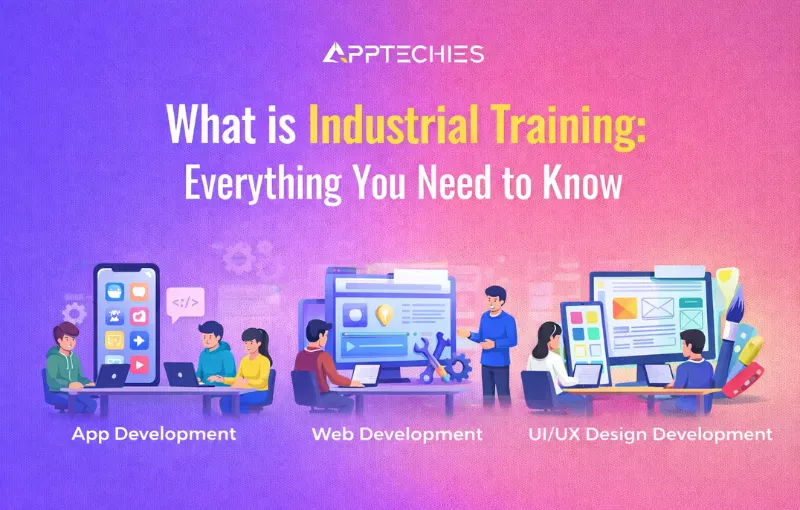
  • How Much Does it Cost to Build a Taxi App in 2026?

    How Much Does it Cost to Build a Taxi App in 2026?

    Investing in the taxi business is an excellent choice. The taxi market will reach $234,621 million by the end of 2025. Whether you’re an entrepreneur exploring how to start a taxi business or a fleet owner or you’re running a taxi business, going online in 2025 is essential. An online taxi booking app can handle all your needs, helping you reach more passengers and boost your ROI. Also, some successful companies like Lyft, Uber, Careem & InDrive are ruling the taxi market. 

    Taxi App Projected Market Size


    But to succeed, you’ll need smart tech, intuitive and trusted taxi booking app development company. Now the question is how much it costs to develop a taxi booking app. This article seeks to address all of your issues related to taxi mobile app development. It will explain the costs of using a taxi booking app. Before we cover the expenses, we’ll cover the types of taxi apps. We’ll also cover their features and how they’re developed. Let’s explore the world of taxi booking apps and understand their development process and costs. Keep reading!

    Taxi App Development Market: A Brief Overview 

    Below, we mention some points. They can help you in understanding the market data for the creation of taxi apps:

    The global taxi app market is expected to hit $283 billion by 2028, growing steadily at 4.2% each year. 

    Over 300 million people use taxi apps worldwide. DiDi and Uber have about 150 million of those users.

    The Asia-Pacific region dominates the global taxi market, holding 73.14% of it. App-based taxi services are set to grow significantly in the coming years.

    App-based taxi services are 72-75% of the market. They will keep this share as smartphone use keeps rising.

    By 2026, the market is projected to reach $327.54 billion, with an annual growth rate of 8.95% from 2021 to 2026.

    What are the Types of Taxi Apps?

    Choosing the best business strategy is essential when creating an app for booking taxis. It affects both the development process and the overall cost of creating the app.

    There are mainly two popular types of taxi apps to consider:

    Dedicated Taxi Booking App

    This is the ideal choice for businesses that have their own network of cabs and drivers. Customers can easily get taxi services. The taxi booking app lets owners run their operations online and in person.

    This approach goes a long way toward reaching a large audience. Under this idea, there won’t be any middlemen between the taxi service and its clients. All interactions would be direct.

    Customers will provide information. They will give the type of car, pick-up location, and other details. After that, the taxi service dispatches a driver to transport them to the specified location at the prearranged rates.

    Aggregator Taxi App

    It is a website. Automobile owners and taxi services can list their vehicles and offer rides. To be more specific, drivers and taxi-hailing applications collaborate to provide rides. In order to compensate for the services they offer, the aggregators typically charge a convenience fee.  

    Further, the on-demand taxi booking app or the simple taxi booking app are the two approaches to putting this strategy into practice.

    A Simple app

    Customers only need to submit one application and a list of several taxi drivers and their businesses is needed. Users can schedule and make a cab call right from the app when necessary. 

    On-Demand App

    One app is needed for drivers, while another is for passengers. In addition to having several cutting-edge features, it offers on-demand taxi services. However, in contrast to the other types, this one needs a larger investment. Uber, Ola, and Lyft are a few well-known apps for on-demand cab reservations. 

    What are the Key factors that affect the cost of developing a taxi app?

    A fixed cost is never associated with developing a mobile application. Many factors influence the development cost of an app similar to Uber. Let’s explore below:  

    Right Choice of Platform

    Choosing the right platform is a crucial decision for your taxi app but first learn the difference between android and iOS app. The two main options are Android and iOS.

    Android App Development

    Android’s large user base makes it a popular solution. However, because of the wide range of devices and versions, testing and optimization take a lot of time, which raises the cost and lengthens the development period. The price range for developing an Android taxi app can range between US $20,000 and $50,000.

    iOS App Development

    Although iOS is usually more costly, it provides an identical user experience across devices. Developing a taxi app for iOS will cost you anything from US $25,000 to $60,000.

    Apart from that, you can minimize the cost of mobile app development by choosing cross-platform app development.

    Cross-platform app development is cost-effective because you can write code once and use it on multiple platforms. Popular frameworks like React Native and Flutter make this possible. The estimated cost for a cross-platform app ranges from $20,000 to $55,000, depending on the framework and the app’s complexity.

    Features and Functionalities of App 

    The most important component of the development process is the features and functionality you want to include in your taxi app. The key factor influencing costs is the range of features; the more complex the features, the higher the price.

    Taxi booking apps typically have basic features like ride booking, GPS tracking, fare estimation, and payment integration. You can also add advanced features like driver ratings, multiple vehicle options, promo codes, split payments, and more.

    The cost for a taxi app with basic features is typically between $20,000 and $50,000. Adding advanced features can raise the cost to $50,000 to $80,000 or more, depending on the app’s complexity and size.

    App Complexity

    The complexity of a taxi app varies based on the features you include, such as third-party integrations, APIs, designs, and more. This complexity is further divided into three parts. Let’s have a look below:

    Basic Complexity Apps

    These apps offer basic functions and have a simple UI design. They usually have a single user type—rider or driver—and simple interactions. The cost for a basic, low-complexity taxi app ranges from $20,000 to $40,000.

    Moderate Complexity Apps

    The app with moderate complexity offers more interesting and dynamic features, such as real-time location tracking, payment gateways, and other features. It features several user categories with a minimal degree of interaction (driver, passenger). The price ranges from US $40,000 to $80,000. 

    High-Complexity Apps

    A complex app has advanced features and intricate algorithms. It uses cutting-edge technology and offers a seamless user experience. Such apps typically cost between $80,000 and $100,000 or more.

    taxi App development Complexity

    Third-Party Integration 

    Any app must go through both technical and strategic phases to be built. But when it comes to a taxi booking solution, you’ll also need to complete certain third-party integrations. For example, strong payment gateways offer more ways to make payments.  

    Adding third-party integrations can help a lot. They include metadata, Google Maps, and push notifications. They can significantly enhance the user experience of a taxi booking app. Adding features like social media, SMS, and chatbots can improve the app. So can adding marketing tools.

    The technology stack required to build a taxi booking application includes:

    Programming Languages

    JavaScript, React Native, or Flutter for cross-platform development.

    Frameworks: React Native or Flutter 

    Backend: Java, Python, Go, Swift

    Frontend: React, Angular,Django,Vue

    SMS & Phone verification: Nexmo, Twilio

    Alerts: Twilio

    Analytics: Big Data, Apache, IBM, Hadoop

    Cloud: AWS, Azure, Google

    Payments: Braintree, PayPal, Stripe

    Database: MongoDB, PostgreSQL Server-Side Programming: Node.js, Python, Ruby on Rails, or Java

    taxi app development tech stack & development cost table

    UI/UX Design

    Another important factor affecting development expenses is the UI/UX design of your taxi app development cost estimation. It needs investment. But, a simple and pretty design can make users more engaged and happy.

    Minimal graphics save time and money using a straightforward UI/UX design with a straightforward layout. However, advanced animations for a design with an interactive transition need industry pros. They also need a time commitment.

    Backend Development

    The backend of your taxi app handles data processing, business logic, and server operations. This affects development costs. A basic backend covers simple functions. These include user logins, data storage, and handling ride requests. Developing a basic backend typically costs between $15,000 and $30,000.

    If your app needs a complex backend, the cost can rise to $50,000. Moreover, if you are looking for a complex backend with advanced features, it may boost the cost up to US $50,000. Hire mobile app developers to optimize development costs and ensure your taxi app’s backend is robust, secure, and meets user expectations.

    Testing & QA

    Testing is important to development since it finds and fixes possible problems. The cost for manual testing typically ranges from $5,000 to $25,000, with human testers addressing and fixing any bugs. Although it offers specific testing, it can be laborious and raise the development price. 

    The cost range for automated testing is US $15,000 to $35,000, which is pricey yet saves money over time. To use both types, most business owners choose comprehensive testing. It combines automated and manual testing. The price range is between $20,000 and $40,000 in the US. 

    Maintenance and Updates

    You must do regular maintenance and updates. They are crucial to keep your app current and performing well after launch. This involves fixing bugs. It also involves improving security and adding new features. These changes enhance the user experience. Maintenance helps ensure your app runs smoothly and securely.

    Development Process of taxi app

    How Much Time Does Taxi App Development Take?

    Whenever we are working on the development of the taxi mobile app, the timeline depends on the number of features and functionalities of the app. While some phases of the project may finish in a few hours, others take a few weeks. 

    Complex projects take longer for developers to finish while white-labeling an app is quicker. Here’s an estimation look at how long each phase of the development process typically takes.

    UI/UX Designing: 150 – 200 Hours

    Design is crucial for a smooth user experience. It determines how easy it is for users to navigate the app and how well it looks and works. The designer is in charge of making sure everything is user-friendly and visually appealing.

    The time is a small part of the project. But, a skilled designer may use it to make a user interface that’s easy to use in 200 hours. Keep in mind that people will only stay in contact with solutions that facilitate their experience.

    Front-end App development: 200 – 450 Hours 

    During the UX/UI design phase, the user experience is the primary consideration for every application feature. The next step, front-end development, involves implementing this functionality.  

    The term “front-end” simply means creating the application’s user interface or what each user sees on their screen. This phase alone adds many features to an Android taxi app. They include payment integration, user registration, push notifications, fare computation, car tracking, and booking history.

    It takes a team of developers at least 200 to 350 hours to implement all the features and functionalities. 

    Backend development: 200 Hours

    Backend development manages all the processes that occur behind the scenes. It’s essential to make sure all the app’s features and functions work properly. Although users don’t see it like the front-end, it’s just as important for the app’s success.

    In fact, the backend gives the admin full control over the application. Any changes or updates to the app can only be made through the backend team.

    Web development: 150 – 200 Hours

    The web application known as the admin panel is in charge of ensuring that the taxi booking application runs smoothly overall. Administrators utilize this portal to manage, administer, and keep an eye on the passenger and driver apps.

    Testing & QA: 150 – 200 Hours

    But it doesn’t stop there. Testing and QA are the final steps in app development. We must test the app for bugs and performance problems before launching. This is to ensure it works well and is successful.

    A team of testers is committed to mobile app development. They collaborate with app developers and designers to identify issues. They prepare the app for its final release to the market.

    How Much Will It Cost To Build Your Taxi App?

    As we discussed above, the cost of the taxi mobile app depends on various factors. Now, let’s look at the average estimation of the cost with basic to advanced features of taxi app development. Most businesses opt for Android and iOS app development solutions to maximum reach and revenue.

    An API will cost around $30K, and a taxi service app for one platform will be about $25K. These are just rough estimates. The final cost will depend on the project’s size, details, and features you choose.

    Cost To Build Your Taxi App

    Set aside a budget for marketing campaigns. Do this in addition to these for app promotion.

    Your company’s ultimate goal is to reach as many people as possible, and in order to do so, you must run promotions.

    List of the best Essential Components for Accurate Taxi App Development Cost Estimation

    As they say, features are the building blocks of every application. They may give you an edge over competitors in this tough marketplace. This section will cover some of the most crucial elements you should never neglect when creating an Android taxi app.  

    Every Android taxi app has many panels. They have various features made for the many involved stakeholders. The three panels are the passenger, admin, and driver panels.

    Features of Driver Panel

    • Login and Registration Portal: This portal lets users create profiles. They can add details like their name, address, and contact info.
    • Vehicle Information: Includes details like vehicle type, registration, location, driving license, and driving experience.
    • Push Notifications: Alerts users about new ride requests, messages from passengers, and other relevant activities.
    • GPS Tracking: Helps drivers locate passengers and choose the best route to their location.
    • Calling and Messaging: Enables communication with passengers without sharing personal contact details.
    • Trip History: Provides a record of all completed trips over time.
    • Ride Acceptance/Rejection: Allows drivers to accept or reject ride requests based on provided information.
    • Passenger Ratings & Reviews: Let passengers rate and review their experience.

    Features of Passenger Panel

    • Sign-Up Option: Allows passengers to register with personal details.
    • Notifications: Provides timely updates and information.
    • Taxi Selection Portal: This lets users choose from different taxi types, calculate fares, and view taxi options.
    • Ride Booking: Offers options for instant or scheduled ride bookings.
    • Vehicle Tracking: Displays the real-time location of the taxi.
    • In-App Calling & Messaging: Facilitates communication with the driver.
    • Travel History: Keeps a record of past trips for reference or dispute resolution.
    • Fare Calculation: Estimates ride costs to help passengers choose within their budget.
    • Driver Ratings: Allows passengers to review and rate driver performance.

    Features for Admin Panel

    • Driver Management: Includes verifying drivers, blocking fleets, deactivating profiles, and approving requests.
    • Passenger Management: Enhances user experience by ensuring safety and improving ride-hailing services.
    • Complaint Management: Streamlines the process for receiving and addressing issues from stakeholders.
    • Ride Details Access: Provides comprehensive information for each ride, including details from both the passenger’s and driver’s perspectives.
    • Push Notifications: Sends updates and alerts to all app users.
    • Live Map Tracking: Allows real-time tracking of the driver and passenger during the trip.
    • Financial Information Access: Provides details on all transactions and financial activities within the app.

    Tips & Tricks From Industry Experts To Build A Competitive Taxi App 

    Building a successful and beneficial taxi booking app requires careful planning and execution. The market is filled with ride-hailing applications. Thus, there are a few things you should consider when creating an Android taxi app. 

    We’ve offered some advice below to assist you in making sure you’ve made the best decision while developing a taxi app.

    1. Build an MVP for Swift launch.

    An MVP is a sample of your product that gives important stakeholders a sense of what the finished product will look like. It includes navigation, features, functionalities, and general design, among many other things.

    Thus, it becomes simple for you to provide the required recommendations. However, making recommendations at the right moment. This ensures that you can launch the app directly after development. You won’t have to worry about comments from your end.

    Furthermore, incorporating the adjustments into the project at this point will not significantly affect the cost or the timetable. 

    2. Keep the things simple

    One of the most crucial elements in attracting consumers to mobile apps is still their simplicity. Carefully consider making an easy-to-use and easy-to-understand user interface.

    Uber’s current success is due, in part, to its simple service design. This design played a key role in Uber’s rapid global expansion. This blog post is especially useful if you’re interested in learning how to create an app similar to Uber.

    3. Explain Your USP (Unique Selling Proposition)

    Your Unique Selling Proposition (USP) should be unique for your brand proposition to stand out in the market. Brand propositions need to be memorable and appealing.

    The USP, or unique selling proposition, must explain why customers will choose your service. It must also explain why your software is distinct from the competition. 

    It might be through incentives, pricing, or service. Your USP should fit the target market and meet their unique needs. 

    4. Choose your Niche 

    Many people don’t realize that the taxi industry has many different niches. There are lots of opportunities to find a specific segment where your business can thrive. Choosing the right model can help you connect better with a particular community.

    The services that can be put in place are women-only taxis driven by women, on-demand bike taxis for urban travel, and green electric taxis. You can set yourself apart from the competition. Also, you can do this by customizing your software for a certain market. This can help you build a devoted user base.

    5. Monetization Strategy Matters

    You will learn about several ways to make money from your business. Choosing a model for your audience is essential. Even though all will make you money.

    To keep consumers using your app, avoid a monetization strategy that hurts the user experience.

    6. Adopt Cross-Platform Development

    Make your app available on both iOS and Android to reach more users. Cross-platform development gives a consistent experience on any device and saves you time and money. HTML5, JavaScript, and CSS are technologies. They help make apps and websites interactive and engaging.

    7. Prioritize Essential Features

    AI is the future and when creating your taxi app, discover must-have AI features for taxi booking app like Uber or Lyft, which are most crucial and focus on implementing them. Don’t add unnecessary features. They will raise costs and affect usability. 

    Identify the key features of your specific target market through market research and user testing. Then, incorporate them appropriately into the development roadmap. 

    Why Apptechies Is the Top Choice for Building a Successful Taxi App?

    Apptechies is a leading on-demand mobile app development company USA. They work with your teams to create better apps. These apps are made to meet your company’s goals and needs.  

    We offer good UI/UX design. We also do smooth front-end and back-end programming. We do thorough quality assurance testing, deployment, and ongoing maintenance. These are part of our on-demand app development services.

    Our team of pros offers great customer care. They have lots of knowledge in app development. They guarantee a custom strategy for both new and established companies.

    Contact us today to start your journey towards creating innovative taxi booking apps. We offer a TAXI BOOKING APP FREE DEMO to help you visualize your ideal app and address any questions. Don’t wait—book your free consultation now and take the first step towards your dream taxi app! 

    Final Thoughts

    In conclusion, businesses have a great chance. They can capitalize on the rising demand for on-demand transportation services in 2025 by making a taxi app. When making a taxi app, you must consider many things. These include market research. It’s about finding the target audience. Then, pick features and estimate costs and schedules.  

    By following these steps and using the right tools, we help you turn your vision for a taxi app into reality. You will also tap into the growing market for on-demand rides. If you’re ready to join the ride-hailing revolution and want to learn how to create a taxi app in 2026, now is the time to start. Partner with us to revolutionize the taxi industry together. Contact us today to see how we can make your vision a reality and boost your business to new levels of success.

    Frequently Asked Questions

    Q. How Much Does it Cost to Build a Taxi App like Uber or Careem?

    Ans. Taxi app development costs can range between $20,000 to $60,000 for a simple app with basic features. If you want to build a taxi app with advanced features, then it might cost you $80,000 to $150,000+. If you are looking for a cost-effective taxi app development solution, consider Apptechies. They help businesses grow successfully.

    Q. What are the Key Benefits of Building a Taxi Booking App?

    Ans. A taxi booking app helps taxi businesses automate operations, reduce manual costs by 30% to 40% and improve customer retention. Features such as real-time tracking and cashless payments improved user trust. Apptechies create taxi apps that improve productivity while creating new revenue opportunities.

    Q. What Factors Affect the Cost of Taxi App Development?

    Ans. The most important cost factors are feature complexity, type of platforms (iOS, Android or both), UI/UX design, third-party APIs and backend scalability. Taxi app development cost rises by 20% to 30% with advanced features like real-time analytics or dynamic pricing. Apptechies help you prioritize features to keep your budget under control.

    Q. Is a White-Label Taxi App more Cost-effective?

    Ans. Yes. A white-label taxi app can minimize app development costs by 40% to 60% and help you launch fast as compared to building an app from scratch. Apptechies provides customizable white-label taxi app development solutions for your taxi business. 

    Q. Which is the Best Taxi App Development Company?

    Ans. The best taxi booking app development company is one that offers proven experience, transparent pricing, scalable solutions, and reliable post-launch support. It should understand real taxi business challenges, not just app coding. Apptechies stands out by delivering custom and white-label taxi apps with a strong focus on performance, usability, and long-term growth, making it a reliable choice for startups and established taxi businesses alike.

  • Blockchain in Payments: A Complete Guide

    Blockchain in Payments: A Complete Guide

    Blockchain transforms the way of the payment gateway by offering secure, unprecedented speed & transparency. This offers a world where the transaction is efficient, reliable & secure.

    The worldwide blockchain market is experiencing major growth, with predictions indicating it will reach $469.49 billion by 2030.

    Blockchain technology is changing how businesses work in shopping, shipping, healthcare, and property. It’s also transforming how we make global payments, making things faster and more transparent for a better future.
    Explore how blockchain works in payment transactions, uncovering its advantages, challenges, and real-world use cases to understand it better.

    What is a Blockchain Payments System & How Does it Work?

    A blockchain payments system is a way to send and receive digital payments that leverage blockchain technology to facilitate secure and direct transactions without relying on traditional intermediaries.
    Blockchain allows direct trading by verifying and recording transactions on a shared digital ledger through agreement algorithms. Compared to standard payment methods, secret codes ensure that transactions are authentic and safe. Usually, cryptocurrencies like Ethereum or Bitcoin are used.
    Additionally, the immutability of blockchain and payments records makes them equivalent to a permanent history of transactions. Also, it makes it more difficult for someone to fake or tamper with them and reduces the chance of duplicity.

    How does the Blockchain Payments System Work?

    A blockchain is a type of database where information is stored, similar to spreadsheets. However, the key difference lies in how data is structured and accessed. In a blockchain, programs called scripts handle tasks like entering and accessing information, saving, and storing it. Unlike traditional databases, a blockchain is distributed, with multiple copies stored on different machines, all needing to match for validity.

    Transaction information is collected and added to a block, similar to a cell in a spreadsheet. When the block is full, the information undergoes encryption, creating a hash (hexadecimal number). This hash is then included in the next block header, forming a chain of interconnected blocks.

    Transaction Process

    The transaction process varies depending on the blockchain for payments. Using Bitcoin as an example, initiating a transaction through your cryptocurrency wallet enters a memory pool. It waits for a miner or validator to pick it up. Once included in a block, the block is closed and encrypted using an algorithm, triggering the mining process.
    Miners simultaneously work to “solve” the hash by generating random hashes with a nonce (number used once). With a valid hash, the winning miner receives the reward, completing the transaction. However, confirmation requires five additional validated blocks, taking about one hour on average due to the 10-minute block creation time.
    Not all blockchains follow this process; Ethereum, for instance, randomly selects a validator from users with staked ether, making it faster and less energy-intensive than Bitcoin.

    Blockchain Decentralization

    Blockchain decentralizes data across multiple network nodes, ensuring redundancy and data fidelity. This prevents unauthorized alterations, as the consensus of other nodes acts as a safeguard. The distributed nature and encrypted proof of work make information and transaction history irreversible.
    Beyond cryptocurrency transactions, blockchains can securely store diverse data, including legal contracts, state identifications, or company inventories.

    Blockchain Transparency

    The decentralized nature of the Bitcoin blockchain ensures transparent transactions visible to anyone through personal nodes or blockchain explorers. Each node maintains an updated copy of the chain, allowing real-time tracking of bitcoins. While transactions are encrypted for privacy, wallet addresses are publicly recorded, enabling traceability. For instance, in cases of exchange hacks, the movement of stolen cryptocurrency can be traced, providing transparency without compromising user anonymity.
    blockchain transparency

    Pros of Using Blockchain in Payments

    Blockchain technology offers fast, secure & low-cost international payment processing services through encrypted distributed ledgers. It provides trusted real-time verification of transactions without the need for intermediaries such as correspondent banks and clearinghouses.
    Blockchain technology initially enabled the cryptocurrency Bitcoin, but it now provides additional features. Furthermore, there are many other advantages. Let’s have a look:

    Eliminates Intermediaries

    The existing payment system relies on multiple intermediaries, like payment gateways and issuers. That introduces complexities, charges, and delays despite their role in ensuring payment authenticity. These intermediaries pose drawbacks, such as service fees and increased transaction times.
    In contrast, blockchain payment systems offer a revolutionary shift. Transactions are seamlessly settled, authenticity is maintained without intermediaries, and peer-to-peer transfers are effortlessly facilitated. The system allows secure transaction data storage and swift creation of cryptocurrency wallets for efficient payments.
    One of these benefits of blockchain has prompted banks to integrate blockchain transactions & streamline processes. Moreover, it accelerates settlements and eliminates intermediaries for enhanced efficiency and cost-effectiveness.

    Transparency and Safety

    Among the remarkable advantages of blockchain technology is its unparalleled transparency. Every transaction on a blockchain network is not only stored within the blockchain and payments. But is also immutable and visible to all participants.
    This means that there’s no need to concern yourself with record-keeping during payments. The blockchain automatically secures and preserves transaction details, ensuring data integrity.
    Furthermore, the chronological linkage of blocks through their hashes makes tampering virtually impossible. Any attempt to alter records would be immediately apparent, reinforcing the blockchain’s reputation for incorruptible and secure data.

    Reliable & Fast Cross-Border Payments

    Cross-border payments involving individuals in different countries have long faced challenges like multiple intermediaries, high costs, extended processing times, unclear privacy regulations, and a lack of transparency. Blockchain, however, transforms this landscape:

    • Swift Fund Transfers: Blockchain payment systems enable rapid cross-border transactions, reducing processing time from days to a few hours.
    • Reduced Intermediaries: Blockchain’s authenticity and transparency diminish the need for numerous intermediaries, streamlining the payment process.
    • Enhanced Safety: The immutability of blockchain data ensures the safety of payments and information, offering a secure platform.

    For instance, Ripple (XRP) is a cryptocurrency intermediary that simplifies cross-border transactions by converting currencies seamlessly. If someone in India wants to send money to a friend in the USA, it’s transferred as XRP and received as USD, illustrating blockchain’s efficiency in overcoming traditional challenges.

    Smart Contract Automation

    Smart contract automation is a huge benefit, particularly for business owners and operators. With smart contracts, you can:

    • Shorten the duration of the payment
    • Assist in enabling immediate payments
    • Payflows should be automated.

    It is important to provide all terms and conditions for payment transfers in smart contract authoring. The interested party is immediately paid after the requirements are satisfied.

    How can you overcome the challenges of blockchain payment systems?

    Scalability and Interoperability

    These are the main barriers that businesses need to overcome. For effective and seamless integration across many systems, overcoming the interoperability concerns between distinct blockchain platforms is imperative.
    A deep understanding of blockchain technology and its business implications is essential for successful integration. It is crucial to make appropriate plans, invest appropriately, and follow the law. Complete and well-executed research is required on NFTs, cryptocurrency, payment systems, and other commercial issues.

    Scalability Issues

    As the blockchain industry grows in size & usage & scalability becomes a critical concern. Due to their limits in terms of transaction throughput, traditional blockchains may experience delays and congestion.
    Technologies, including sharding, layer-two protocols, and efficient consensus algorithms, are being investigated to improve scalability.

    Lack of Understanding

    Blockchain technology is not easy to learn & adapt. Integrating blockchain technology with current systems can be quite difficult. A substantial financial commitment, technical expertise, and patience are required to ensure the new system integrates seamlessly with the old one.
    Furthermore, the primary challenges with blockchain payment systems are compatibility and interoperability, which might make them challenging.

    Legal and Administrative Aspects

    The novelty of blockchain tech has brought about a lot of confusion regarding rules and laws.
    It’s important to set up clear and thorough rules to get more people to use and trust blockchain payments. These rules should cover keeping data private, ensuring people are who they say they are, and following all the right guidelines. Getting these rules straight is a big deal for making blockchain payments more popular and accepted.

    User Experience & Adoption Challenges

    In order to encourage widespread adoption, blockchain payment systems need to offer smooth experiences and user-friendly interfaces.
    Making things like managing keys, using wallets, and doing transactions less complicated is really important. When blockchain payments are simple and hassle-free, more folks will want to try them.

    Things to Consider Before Implementing Blockchain in Payment Systems

    If you are thinking of investing in a blockchain payment system, you must consider a few things that affect not only your business but also our target audience. It’s not only about the impact on your business but also how your target audience will perceive it. Key factors include assessing the cost, anticipating the audience’s response, and ensuring transparency and security. It’s like ensuring everything fits and works well before trying something new.

    Implementation costs of Blockchain

    Blockchain deployment can be costly. Thus, estimating and evaluating the expenses involved is best before moving forward.
    If implementing blockchain has longer-term advantages than short-term costs, it is a wise strategic move for the company’s future, as determined by a thorough cost-benefit analysis.
    cost of blockchain

    On-Chain or Off-Chain

    One essential decision is to make architectural decisions while working on Blockchain-specific products. Whether it is going off-chain or where it is on-chain. It is critical when business validation and transaction data are involved.
    The main obstacle arises from network latency resulting from data replication across the Blockchain network, with latency increasing as data replication levels rise. That requiring auditability or transaction validation must be on-chain, while off-chain storage is suitable for referential data.
    Businesses can enhance overall throughput without additional network resources by conducting transactions off-chain, updating only the initial and final states on-chain if eventual consistency is satisfactory.

    Adoption by Users

    Before starting any business, we always consider our users or target audience. When making any kind of change or adding a new feature, it is important to determine if the users would accept the changes. The same is the case for the blockchain payment system.
    So, we must consider our user’s feedback or customer surveys to measure acceptance levels and tailor their rollout strategies accordingly. Then, businesses can plan how to introduce it based on what customers like. Also, it’s important to make sure that the way people use the new payment system is easy and makes sense. So, keeping it simple and user-friendly is key.

    Integration with Current Systems

    It is essential to seamlessly integrate a new blockchain payments system with current legacy solutions. It is paramount to minimize disruptions in ongoing operations. A smooth integration not only maintains the efficiency of business operations but also introduces additional transaction options through blockchain, enhancing user experiences.
    Instead of presenting a challenge, blockchain should seamlessly complement and fortify existing workflows, enabling organizations to demonstrate enhanced performance.

    Enhanced Safety Measures

    Safety measures are essential to considering and implementing heightened security measures before adopting a blockchain payment system. This involves evaluating the robustness of blockchain technology to safeguard sensitive financial data and transactions.
    By prioritizing enhanced safety measures, businesses can instill confidence in users and ensure the integrity and security of their payment processes when transitioning to a blockchain payments system.

    How to Set Up a Blockchain in Payments System

    Define the objective of the Project

    When outlining your project scope for implementing a blockchain payment system, it’s essential to determine the approach you will take. Several strategies can be considered:

    1. Developing a new blockchain network and creating a cryptocurrency.
    2. Crafting a new token on an existing blockchain network, such as Stellar or Tezos.
    3. Employing a crypto-payment gateway.
    4. Implementing a payment system using platforms like Ripple or Stellar.

    Careful consideration of these strategies is crucial to align your Project with specific goals and requirements.

    Choose your approach for your Technology Stack:

    Once you’ve established the parameters of your project, the subsequent crucial step is to define your front-end technology stack. This involves clarifying the type of front-end application you intend to offer users and selecting the appropriate technology stack to support it.

    Select your Blockchain Platform

    After selecting your tech stack, you must select your blockchain platform. Numerous platforms offer significant benefits for implementing a blockchain payment system in your business. However, it depends on the approach you choose.
    Thus, you must always review the features and costs of well-known blockchain platforms if you intend to design a blockchain network and token from scratch.
    On the other hand, if your goal is to launch a new token on an already-existing platform, you should carefully consider all of your possibilities before deciding on one.

    Consider how the user flow & payment system will work

    Ensure you have outlined your solution’s working principles and procedures before beginning the development process. You must outline the steps involved in initiating, validating, recording, and verifying transactions in your blockchain.
    Additionally, work with UX/UI designers to give your payment system an easy-to-use interface. By ensuring this, users could easily explore and complete transactions, enhancing their entire customer experience.

    Start Development Process

    An accomplished team is needed for the development of blockchain payment systems. As a result, you need to assemble a team of experts knowledgeable in blockchain technology, smart contracts, and secure coding techniques. This team should include project managers, business analysts, blockchain developers, and consultants.
    Furthermore, it guarantees that the team is equipped to manage all regulatory and compliance facets linked to developing a payment system.

    Test, Deploy, and Launch the System

    Before deploying the solution, you must perform thorough quality assurance testing to find and address any bugs or security flaws. Following deployment, monitor user feedback and system performance to make the necessary upgrades and improvements.

    Top Blockchain Payment Use Cases

    Blockchain technology offers various use cases for blockchain applications in payments, providing an innovative way of carrying out and handling transactions.
    Let’s explore the significant use cases for blockchain technology in payments below:

    Blockchain payments in Cross-Border

    Due to various issues, sending money across borders through traditional methods can be slow and expensive. The major issues are intermediaries, exchange current, processing fees, transparency & security.
    However, blockchain offers a reliable & seamless solution by providing a decentralized system that makes cross-border transactions swift and cost-effective. Thus, it eliminates the need for the intermediate, which helps reduce extra charges and delays and makes it easy to transfer. Moreover, its transactions happen almost instantly, which is ideal for today’s tech world.

    Peer-To-Peer (P2P) Transfers in Blockchain

    With blockchain, people can do direct transactions with each other, skipping the need for middlemen like banks. This means no extra fees, and transfers happen faster and smoother. All you need is a good internet connection to send, get, and move money around.
    Every time people trade directly with each other using blockchain, it’s all written down in a super secure and clear way. This creates a track that everyone involved can check and be sure of. The decentralized nature of blockchain adds extra security, making it a great choice for smooth and trustworthy transactions.

    Retail Payments in Blockchain

    Retail Payments in Blockchain offer numerous benefits to both sellers and buyers. With the help of this technology, retailers receive immediate, fixed transaction records, lowering the risk of fraud and improving auditing. Additionally, they can automate procedures like return policies and warranties using smart contracts, which would improve operational efficiency.
    Whereas buys can use this technology plays a crucial part in maintaining the reliability and safety of crypto payments. Also, they can take benefit of rewards schemes driven by blockchain technology, which offers cutting-edge features like token exchanges with other users and reward conversions.
    Retail Payments in Blockchain

    Blockchain in Cryptocurrency Payments

    Think of blockchain as the key tech behind crypto payments. It’s very important because it keeps transactions safe and dependable. It uses basic cryptographic principles to ensure transactions are real, adding an extra layer of trust to digital payments.
    Cryptocurrency transactions are resistant to single points of failure because blockchain distributes transaction data across numerous computers. This enhances the overall security of the cryptocurrency payment system by preventing fraud and authenticating transactions, in addition to the sophisticated security features of the blockchain.

    Insurance Payouts in Blockchain

    Payout processes for traditional insurance are usually difficult and lengthy.  However, with blockchain technology, things can get faster. It works by doing transactions without needing lots of middlemen, making the process quicker. Also, blockchain helps keep lots of data safe and makes it harder for people to cheat the system. It makes sure insurance claims are fair and trustworthy.

    Insurance Payouts in Blockchain

    Getting money from insurance usually takes a long time and involves many complicated steps. But with blockchain tech, things can speed up. It works by doing transactions in a way that doesn’t need lots of intermediaries, making the process faster. Also, blockchain helps keep lots of data safe. It makes it harder for people to cheat the system, ensuring fair and trustworthy insurance claims.

    Royalty Payments  in Blockchain

    Using blockchain for paying artists, creators, and publishers can improve things.
    Usually, paying royalties is tricky, and it can cause problems and delays. But with blockchain, it becomes easier. Blockchain is like a clear and open system that ensures artists get paid directly and on time by tracking how their work is used.
    Also, blockchain lets you tokenize the rights to a piece of work. This means you can split ownership into smaller parts, creating new ways for creators to make money.

    Conclusion

    Blockchain is changing how we pay for things by making it safe, fast, clear, and cheaper. It works well for various payments, like sending money to a friend or doing business across borders.
    If you’re thinking about developing blockchain for your payments, tecHangouts is a top blockchain development company that can help you navigate your business idea. We can create a blockchain solution that fits your business perfectly.
    Contact us today, and let’s work together to improve the future of payments!

    Frequently Asked Questions

    Q. What is Public vs private blockchain?

    Ans: Public blockchains are decentralized and open to anyone, offering transparency like Bitcoin and Ethereum. Meanwhile, private blockchains are restricted to authorized participants to provide enhanced privacy and control suitable for business applications.
    Public blockchains are publicly accessible, while private ones are permissions restricted to specific entities.

    Q. Is Blockchain Secure?

    Ans: Blockchain technology is by itself extremely secure. You can anticipate strong encryption in blockchain networks, as this technology supports cryptocurrency. Still, the reality of data security in blockchain extends beyond it.

    IoT In Automotive Industry | A Complete Guide

  • Web App vs Mobile App Development: Which One Best?

    Web App vs Mobile App Development: Which One Best?

    In the modern world, an organization or brand must have a strong online presence. Developing web and mobile apps is one of the primary ways of achieving this. But with so many options, deciding whether to invest in a website or an app can be difficult.

    According to a 2023 report by Statista, mobile devices accounted for 58.67 percent of global website traffic. Additionally, 85% of all internet traffic originated from mobile devices.

    Both mobile apps and web apps are excellent for reaching users, but their distinctions go beyond development methods. In this blog, we’ll highlight the significance of mobile and web app development services. Also, it will help you to choose which is ideal for your business: a web or mobile app.

    The Web App vs Mobile App: Market Trends & Latest Stats

    To understand the market trends & latest stats of web apps or mobile apps, we must dive into the data given below:

    • In 2022, 92% of global Android user time on mobile was spent on apps and gaming, with only 8% on mobile browsers.
    • As of 2023, the global mobile app market is expected to reach $756 billion by 2027, growing at a CAGR of 8.58% during 2022-2027.
    • Mobile apps achieve 3.5x higher conversion rates compared to web apps.
    • The average smartphone user dedicates over 5 hours daily to the internet, with over 90% of that time spent on apps (Statista).

    Mobile technology has a bright future ahead of it. We may get ready for a future in which technology is even more pervasively used in our daily lives by being aware of its projected rise. Let’s examine web apps and mobile apps in more detail.

    What is a Mobile App?

    A mobile app is a software application designed for mobile devices like Android OS or iOS. Unlike web-based apps, mobile apps are downloaded directly to the user’s device, enabling offline functionality.

    Let’s delve into mobile app development to gain a better understanding. It involves developing applications tailored for mobile devices like smartphones and tablets. These apps are downloaded directly onto users’ devices, ensuring convenient access and a smooth user experience for both iOS and Android platforms.

    The mobile app development process expert developers follow:

    • Mobile app ideation
    • Analysis and Planning
    • UI/UX Design
    • App Development
    • Application Testing
    • Deployment
    • Support and Performance Monitoring.

    Thus, multiple programming languages are needed while developing mobile applications, depending on the target operating system.

    App developers use either Objective-C or Swift for iOS. In the same way, Android programmers utilize C++, Java, or Kotlin. Companies who want cross-platform applications can use Xamarin or React Native.

    What is a Web App?

    A web app is a software program accessed through a web browser, not via download or installation. Web technologies like HTML, CSS, JavaScript, React, Python, and so forth are used to create web applications.

    A web browser (such as Google Chrome, Firefox, or Safari) accesses and sends the code for an application from a distant server to the user when they enter the app’s URL. An example of a web app is Google Docs. Users can create, edit, and collaborate on documents directly through a web browser without downloading or installing software.

    Whereas, web app development services eliminate the need for downloads or installations residing on remote servers and accessed through a URL. The choice of essential features depends on project needs, requiring adherence to an agile development methodology for optimal outcomes.

    The following is the procedure for creating a web application:

    • Requirement Gathering & Analysis
    • Identify Key features
    • Choose third-party vendors
    • Select Technology and Structure
    • Execute development and testing
    • Launch & Maintenance

    Moreover, because of their adaptability, web apps appeal to companies trying to expand their customer base across various channels.

    Mobile App or Web App Development: Which is Ideal for Business

    Investing in mobile or web app development depends on various factors, including your business goals, target audience, and functionality requirements. Here are some considerations to help you decide where to invest:

    Do You Want to Interact with a Larger Target Audience?

    A web app reaches a broader audience than a mobile app. For a company in the US providing web and mobile analytics, only 21% of their traffic comes from mobile devices. Utilizing web apps allows easy promotion through SEO and Google Ads, leading to increased popularity. In contrast, mobile apps depend on app store discoverability, potentially limiting their reach.

    What Speed Target are you Setting for the App?

    Mobile apps outpace web apps in speed due to the local storage of user data settings on the phone. Unlike web apps that download data from servers, native mobile apps provide a superior user experience, making them the preferred choice in the mobile app vs web app debate.

    What are your Development Budget and Timeline?

    Mobile app development generally costs more than web app development. If budget constraints are a concern, opting for a web application is cost-effective. You can always scale up your project later. Basic mobile app development costs $15,000, while feature-rich apps can exceed $100,000. For a quick launch, choose a web version, as development time is shorter—around 1-2 months for a simple web app compared to 2-4 months for mobile app development. Cross-platform compatibility in a feature-rich app may extend the timeline even further.

    Does your Use of the Devices Require Specific Features?

    The demand for device-specific functionalities largely influences the decision between web and mobile apps. Apps that provide camera access or real-time navigation mainly rely on the mobile device’s hardware, such as the GPS and cameras. Web apps can’t replicate these features to the same degree.

    It is better to use a native mobile app if your app must work with the device’s features. Nonetheless, web apps can now access some device functionality, such as the camera and geolocation capabilities, thanks to technological breakthroughs like HTML5 and Web APIs.

    Which Is Best in 2026: A Mobile App Vs Web App

    After examining the unsung war between mobile apps and web apps, the issue of whether the platform is best for your organization needs to be answered. Your company’s demands and goals will determine how you respond to this inquiry.

    Web app development is cost-effective, faster, and more accessible, catering to a broader user base with a single build. However, it may compromise usability, engagement, and retention, especially among mobile users.

    On the other hand, mobile apps demand more investment and effort, primarily designed for a specific platform. Striking a balance, building both web and mobile apps proves optimal for reaching diverse user segments.

    Additionally, the rise of progressive web app (PWA) development introduces an enticing avenue, seamlessly combining web accessibility with app-like features. This innovation offers businesses a potential game-changer.

    When choosing this, it’s critical to thoroughly evaluate your target audience, budget, and the functions you want. Based on your unique needs, seeking advice from a reliable web app development business or mobile app development company will assist you in making wise investment selections.

    Conclusion

    It’s important to consider the benefits and drawbacks of investing in web development versus app development for your company. While app creation offers superior user experience, offline access, and platform-specific capabilities, web development offers versatility, regular upgrades, and cost-effectiveness.

    You should make your choice based on your company’s demands and objectives, target market, necessary features, financial constraints, and timeframe. Keeping up with the latest developments and collaborating with skilled developers is critical to ensure your digital solution satisfies your needs. Always keep in mind that websites and apps both need constant upkeep. Decide after taking into account all the information.

    However, your business will grow significantly with the right development team and resources. Apptechies is a leading mobile and web app development company ready to help you through this creative era. In addition, we offer end-to-end web app development services to guarantee the platform’s excellent performance, security, and functionality.

    Frequently Asked Questions

    Q. What Distinguishes a Web App from a Mobile App?

    Ans: Native mobile apps are tailored for specific platforms like iOS or Android, downloadable from app stores, and leverage system resources like GPS and the camera. They operate on the device itself.

    Q. In Terms of Cost Effectiveness, Which is Preferable – Web or Mobile App Development?

    Ans: The choice depends on project requirements. Web development can be more cost-effective for wider reach, whereas mobile apps may provide a more immersive user experience. Consider consulting a mobile app development company such as Apptechies for tailored solutions.

    Q. What is the Typical Timeframe for Developing a Mobile or Web App?

    Ans: Timelines vary based on factors like complexity, team size, developer experience, and more. Simple apps with minimal features might take a few weeks, while complex, feature-rich apps may extend over several months.


    How Do Free Apps Make Money

  • How AI is Revolutionizing the Future of Social Media

    How AI is Revolutionizing the Future of Social Media

    The rapid evolution of AI (artificial intelligence) is reshaping various industries, technology, science, health, and business marketing. AI has revolutionized the way people engage with social media, offering a more personalized experience, improving customer support, and even generating innovative content.

    Artificial Intelligence significantly transforms social media utilization, management, and interactions through chatbots and content curation. This article delves into the profound influence of AI on social media, exploring how businesses and users can harness this technology to enhance their overall social media experience.

    What Does Artificial Intelligence Mean?

    Artificial intelligence (AI) is the scientific pursuit of simulating human intelligence in machines. This encompasses various capabilities, from perceptual awareness (think image recognition) to reasoning and problem-solving. Through machine learning and deep learning, AI systems can analyze data and adapt their behavior, blurring the lines between human and machine intelligence.

    The future of AI holds immense potential. AI has the potential to transform our lives completely through innovation and intelligent assistants. We can anticipate much more potent and revolutionary applications to emerge as AI research develops, influencing the direction of technology and society.

    Latest Statistics of AI in the Social Media Market

    • The global AI in social media market size is expected to reach $7.25 billion by 2029, growing at a CAGR of 28.04% from 2024 to 2029. 
    • Social media algorithms powered by AI have led to a 7% increase in time spent on platforms. 
    • AI-powered chatbots, like Snap’s My AI, have received 10 billion messages from 150 million users in just two months after launch.
    • 33% of marketers use AI to generate ideas and inspiration for social media content
    • ChatGPT’s social media traffic comes primarily from YouTube (60%), followed by WhatsApp, Facebook, and Twitter.
    • Meta’s Llama 2 open-source language model received 150,000 download requests in its first week.
    • More than 100 million people in the U.S. will use generative AI by 2025. By 2026, that number is expected to reach 175.1 million.
    • 96% of executives say generative AI is a hot topic of discussion with their boards.

    How to Use AI in Social Media?

    AI has revolutionized the social media industry, playing a pivotal role in every platform. Projections indicate rapid growth, with the AI-for-social-media sector anticipated to reach $2.1 billion by 2023, underscoring its deep impact and future revolution.

    Digital marketers leverage artificial intelligence to guide many social media decisions & speed up the entire process. Let’s explore the uses of AI in social media analytics and a glimpse into the promising future ahead:

    Content Recommendation

    AI-powered algorithms evaluate your online activity, past interactions, and preferences to deliver personalized content recommendations based on context. This feature improves the user experience and makes it easier for users to discover and take in a variety of content created exclusively for them.

    Moreover, AI algorithms utilize user search history to suggest relevant content and information on a particular topic, saving time and effort. This concept is a form of personalized recommendation & a prevalent application of AI in various platforms.

    Customized Ads & Promotions

    AI-driven advertising transforms social media marketing by targeting demographics, predicting behavior, and offering personalized promotions. This elevates user experience, making ads more relevant and boosting conversion rates. For instance, if you search for a product, AI shows related ads, improving businesses’ targeting.

    Additionally, AI tailors promotions based on individual preferences, offering discounts on frequently purchased brands. This trend of AI-driven personalization in social media is expected to evolve as technology advances.

    Sentiment Analysis

    AI-driven sentiment analysis enables understanding social media posts to determine the emotions and intentions embedded within them. This ability empowers brands and organizations to craft marketing strategies aligned with their target audience by gaining profound insights into audience sentiments.

    Additionally, it can indicate which aspects clients value, which ones they don’t, and where work still needs to be done. Brands can benefit greatly from this knowledge since it allows them to better target their marketing initiatives to the demands of their target audience.

    Client’s Support Satisfaction and Chatbot

    AI-driven chatbots excel in delivering personalized customer messages, offering tailored product recommendations based on purchase history and browsing behavior. This transforms social media support into a revenue-generating channel. Additionally, these chatbots handle numerous inquiries simultaneously, enhancing customer engagement and satisfaction by providing swift, personalized, and real-time support, revolutionizing the customer support industry.

    Conversational AI Assistant

    Conversational AI elevates chatbot interactions, employing natural language processing for engaging chats. This technology enables chatbots to understand intent, handle complex queries, offer personalized recommendations, and even upsell products.

    In social media, it reduces the need for extensive backend support, as smart chatbots can promptly respond to user queries 24/7, saving time and resources and improving overall customer experience.

    Predictive Analytics

    AI is used to predict user analysis with emerging trends to provide valuable insight to the users. By leveraging this algorithm, AI can identify the user behaviors, emotional intent & preferences. So, marketers can use this data to provide customized solutions to the target audience.

    Influencer Marketing

    Finding the right influencer for your brand will take your business to new heights. But what is the right path to take effectively? AI-powered tools can help you identify influencers for your brand by examining engagement rates, follower counts, and content quality.

    Additionally, by using AI-powered tools, marketers can determine if an influencer’s following is representative of the target market for the brand.

    influencer marketing

    For example, L’Oréal uses AI generative to find influencers for their virtual campaigns. They ensure genuine collaborations that impact their audience by evaluating engagement rates, follower counts, and content.

    Furthermore, a brand can use technology to build an AI influencer—a completely AI avatar similar to representing them on social media around the clock.

    Content Moderation

    Content moderation in social media uses AI algorithms to process vast amounts of content, analyzing text, images, and videos. This protects from harmful elements like hate speech, misinformation, and violent threats. Moreover, this ensures a safer online environment by preventing the dissemination of inappropriate material.

    Video filtering

    Think your Instagram stories with perfect flawless skin & vibrant backgrounds. AI filtering is doing exactly the same. They recognize & analyze your facial structure & details to apply edited filters that offer more content quality and authenticity.

    For Example, TikTok’s “AI Greenscreen” instantly removes backgrounds, letting users seamlessly teleport anywhere. This empowers creative storytelling and drives platform virality.

    Explore the Benefits of AI in Social Media

    There is no doubt AI is transforming social media from personalized feeds to smarter ads. Let’s dive into the benefits that are reshaping how we connect and create online:

    Improved Efficiency

    AI technology’s primary function is to carry out tasks as fast and efficiently as feasible. Because of this, utilizing AI in social media is the ideal approach to increase your productivity immediately. Your staff will be able to concentrate on areas that require human attention by having the ability to automate certain tasks, such as content generation and curation.

    Eliminate Cost

    Businesses can lower the cost of social media management and marketing by streamlining processes and boosting productivity. Artificial intelligence (AI) systems can analyze data and generate insights (such as keyword research and idea generation) that would require hours of work from human analysts. This eliminates the need for manual labor and the related expenses.

    To begin with, you can set up chatbots to automatically reply to clients when you’re not in the workplace. In this manner, you avoid hiring a costly 24/7 customer service staff.

    Enhance Responsiveness

    As social media usage grows, it has become commonplace for customers to turn to these platforms for support. McKinsey reports that 81% of consumers won’t recommend a brand if they seek support on social media and receive no response. Additionally, brands that respond to social media customer service requests see a 20-40% increase in customer spending.

    McKinsey suggests that 40% of consumers expect a response within the first hour. Businesses can leverage AI-powered chatbots on their social media accounts to meet this demand. These chatbots serve as a quick response system, ensuring customers receive timely assistance even when human representatives are unavailable.

    Businesses can instantly respond to often-asked questions by setting up these chatbots. Additionally, it can direct clients to the right division by posing preliminary follow-up inquiries regarding their requirements.

    Enhanced Customer Engagement

    Aligned with those above, using AI for social media management ensures timely customer responses. Whether addressing queries or assisting with issues, an AI chatbot delivers the expected responsiveness. This allows your social media team to concentrate on offering high-quality responses for more intricate conversations beyond the chatbot’s capabilities.

    Furthermore, AI tools assist in identifying more effective methods to engage your audience. For instance, you can ascertain which headlines or media options yield the highest engagement.

    Effective Comment Moderation

    Managing social media comes with challenges, as the comments section often becomes a breeding ground for negativity, spam, and scams. This poses a significant threat to the user experience and can be especially harmful to brands that foster a positive and engaged community.

    However, the issue is that this can take a lot of time. It could be possible to set up alerts to receive notifications whenever there are new comments on your postings on social media. There’s a potential that many customers’ experiences will have been spoiled by the time you get to handle the comments if those rogue accounts and bots attack when your team is not in the office.

    AI tools now offer a solution by automating comment moderation. For example, the Smart Moderation app monitors your comments section in real time. It swiftly filters out profanity, abusive language, illegal words, and spam and troll comments, ensuring a safer and more enjoyable interaction for your followers, even when manual monitoring is not feasible.

    Augmented Customer Satisfaction

    AI chatbots can provide instant customer support, answer questions, and personalize interactions, keeping your audience engaged and satisfied. By offering quick fixes or answers to their issues, you’re proving to your audience that you’re there to assist them. Moreover, in the future of AI in social media, AI analyzes user data to suggest relevant content, products, and services, sparking deeper connections and boosting engagement.

    Increased Revenue Generation

    Artificial intelligence can also help your social media efforts by pointing out opportunities to increase sales. Conversational analytics can be used by the correct AI technologies to identify new audience segments and forecast trends. Moreover, AI can forecast which audiences will likely behave and spend more money. You may use this information to target your ads more precisely and send them tailored messages.

    Optimize Content Creation Processes

    One of the primary challenges for brands on social media is consistently creating high-quality content. Regular content creators’ posts are often given preference by the majority of social media algorithms.

    Fortunately, AI is now available to assist you with this. You may reduce the stress of constantly coming up with new ideas by using tools to help create text content for social media. Additionally, the tool will create the material for you automatically.

    AdCreative.ai and other tools can help you further optimize your social media creatives. This application automatically generates images and graphics for social media so you can drive high levels of engagement. The algorithm generates creatives that look amazing and successfully engage your audience by drawing inspiration from the best-performing social media posts.

    Data-driven Insights

    AI can identify the kinds of content its target audience is most interested in by analyzing data on user engagement. One advantage of using AI in social media for businesses is that it increases the probability that their content will be viewed, liked, and shared.

    Tailored Customer Experiences

    AI will assist you in giving social media users engaging with your brand a better-tailored experience.

    AI-driven social listening systems will monitor consumer discussions on social media and forecast future trends with precision. Additionally, these tools will help you understand your target audience’s requirements, preferences, and pain points. This will allow you to better serve your audience by addressing them in your content & providing greater value.

    Moreover, AI chatbots contribute to the experience’s increased personalization with dialogues catering to each user’s requirements. These chatbots may be coupled with your data systems and CRM to customize every encounter, from sending out unique greets to bringing up client and purchase details.

    Thus, your brand’s contact experience can be greatly improved by combining individualized interactions with specially designed content.

    Optimized Advertising Campaigns

    Brands increasingly use paid advertising to reach the proper audience on social media as organic visibility declines. Unfortunately, many firms also find it difficult to maximize their advertising budgets. Consequently, they waste their valuable resources and marketing budget on ineffective advertisements.

    Fortunately, AI tools are available to tackle this issue in various ways. Firstly, AI can assist in identifying social media users who are most inclined to make purchases from your brand. Then, utilizing the social media networks they frequent most, you may show them extremely relevant advertisements. This means that you may successfully increase your targeting by determining the most appropriate interests and keywords.

    Additionally, AI is widely used for creating social media ads. Tools offer language and messaging recommendations for impactful ad content, driving clicks and purchases.

    Challenges Arising in the Progress of AI in Social Media

    Every technical revolution has unique features and possible drawbacks. And AI on social media is not exceptional. Before making the decision, consider the following points:

    Privacy & Data Protection

    Massive volumes of user data are needed for social media AI algorithms to work properly. It brings up issues with data security, privacy, and the misuse of personal data. Building trust in social media networks requires protecting user privacy and offering personalized experiences.

    privacy & data change

    Bias Algorithm

    Large datasets are used to develop AI algorithms, which may inadvertently introduce biases. It may lead to discriminatory actions, echo chambers, and the spreading of contentious ideas on social media. Ensuring openness in the decision-making processes of AI systems and addressing algorithmic bias is crucial for upholding equity and inclusivity.

    Misinformation

    Social media sites are now hubs for the spread of false information and fake news. The inability of AI algorithms to distinguish between trustworthy and faulty sources makes it difficult to counteract false information effectively. It is imperative to develop artificial intelligence (AI) systems to identify and stop the spread of false information without compromising the right to free speech.

    Ethical use of AI

    The quick development of AI creates moral dilemmas for its application in social media. Careful thought must be given to consent, responsibility, and the possibility of AI manipulation. Ethical rules and laws governing the use of AI in social media must be established to achieve responsible and advantageous outcomes.

    AI Future Trends in Social Media

    Conversational AI and Chatbots

    Conversational AI and chatbots revolutionize communication in the future of AI in social media, providing automated yet personalized interactions. These technologies simulate human-like conversations, addressing user queries, offering support, and facilitating engagement. Due to developments in natural language processing, they improve user experience, expedite customer support, and support 24/7 real-time communication on social media.

    Augmented Reality (AR) Filters

    AR has transformed social media, making it more dynamic and interesting. Most organizations use branded AR experiences and interactive ad campaigns to engage consumers using augmented reality. Businesses utilize AR filters on platforms like Instagram and Snapchat to promote user engagement and brand awareness.

    AI Content Generation

    AI is crucial in content creation, helping businesses generate high-quality and tailored content for their target audience. Analyzing user behavior and preferences, AI algorithms empower content creators to understand what resonates with their audience. AI-generated content, including articles, product descriptions, and social media posts, efficiently saves businesses time and resources.

    Video Analysis and Recognition

    The popularity of video content prompts social media platforms to incorporate AI-driven tools for video analysis and recognizing objects, text, and faces. This adoption enables businesses to enhance their understanding of user-generated content, extract valuable insights, and elevate video engagement through features like auto-captioning, sentiment analysis, and personalized video recommendations.

    Influencer Marketing Optimization

    Influencer marketing optimization involves leveraging AI tools to identify, analyze, and optimize influencer partnerships. AI algorithms assess influencers’ audience engagement, demographics, and content performance, ensuring businesses collaborate with influencers who align with their brand and objectives.

    Data Security and Privacy

    Data security and privacy must be prioritized as AI gathers and analyzes more user data. Companies are keeping up with the constantly shifting laws and security protocols about artificial intelligence for social media. Businesses seek methods to address users’ growing worries about how their data is being used to build and maintain trust.

    Personalized User Experiences

    Artificial intelligence is redefining personalization by delivering hyper-personalized content and suggestions based on unique user preferences and behavior. This trend emphasizes using AI in social media, so businesses have a rare chance to interact directly with consumers, boosting customer happiness and loyalty.

    Predictive Analytics for User Behavior

    Predictive analytics for user behavior employs AI algorithms to forecast user actions based on historical data, preferences, and online interactions. Businesses can anticipate user behaviors, tailor marketing strategies, and enhance user experiences by analyzing patterns. This proactive approach enables more targeted and effective engagement with users on social media platforms.

    Deepfake Detection

    AI-driven Deepfake Detection is pivotal in upholding content authenticity on social media. This technology adeptly identifies and flags manipulated content, such as deceitful videos or images, employing sophisticated algorithms. Its crucial role is fostering trust and security, curbing the spread of misinformation, and countering fraudulent content on social platforms, ensuring a more reliable online environment.

    Regulatory Submission

    In the future, stricter laws about AI and data protection are anticipated. This would further protect their business activities and user trust by requiring social media enterprises to adjust and adhere to the changing legal frameworks.

    How Can Apptechies Empower AI Integration in Social Media?

    Artificial intelligence integration into your social media strategy is becoming more than simply a choice in a world where social media is the most important component of digital communication.

    One of the top AI development company, Apptechies, can work with you strategically to revolutionize your social media app through AI. To meet specific business objectives and ensure maximum ROI in this dynamic environment, we can be your strategic partner, whether you want to build a brand-new app from the ground up or seamlessly incorporate cutting-edge AI-powered features in your current app.

    Our professionals can ensure your social media plans stay on top of the latest advances in technology and trends, giving you a competitive advantage. Moreover, our social media app development services can guarantee your social media brand’s highest return on investment by fully utilizing AI to improve user engagement, streamline marketing processes, and enable data-driven decision-making.

    Connect with us to discover how we can assist you in utilizing AI for social media transformation and business growth.

    Frequently Asked Questions

    How does AI work in social media?

    Artificial intelligence is used in social media to target advertisements, personalize information, and identify hate speech and false accounts. It can also evaluate user behavior to improve user experience and provide pertinent material.

    Can AI make social media posts?

    Yes, AI can craft social media posts. Tools like Artie, Lately, and Hugging Face’s DALL-E can produce captions and hashtags and even generate images for posts.

    How do I create a social media post with AI?

    You can use AI-powered products like Canva and Wordsmith to generate social media posts. These websites create text, videos, and images for social media by using machine learning.


    How To Choose the Right Android App Development Company?

  • How to Build an ERP System: Everything You Need to Know?

    How to Build an ERP System: Everything You Need to Know?

    It can be a thrilling experience, but owning your own business has numerous obstacles to address. Managing the many decisions that need to be made on a daily basis at work is one of the most difficult. From planning growth to trying out new tech to leading the team, something always needs attention.

    As businesses expand, the need to handle workspace tasks efficiently is on the rise, and that’s where Enterprise Resource Planning (ERP) comes in. ERP systems integrate many company components and facilitate decision-making by acting as all-in-one solutions. Businesses can focus more on their areas of expertise.

    In this blog, we’ll explore how to build an ERP system & your business could benefit from an ERP software app:

    What is an ERP System & why is it Necessary for your Business?

    ERP is software businesses need to manage Accounting, purchasing, project management, risk management and compliance, and supply chain operations. Businesses may increase productivity, simplify processes, and get performance insights thanks to its provision of a single source of truth for all organizational data.

    ERP systems are necessary for businesses of all sizes. Let’s explore how the ERP system works & its several key benefits:

    • Improved Efficiency and Productivity
    • Employees may concentrate on higher-value positions because ERP systems automate many tedious tasks.
    • Enhanced Decision-Making
    • ERP systems provide real-time visibility into business data, enabling managers to make informed decisions quickly.
    • Reduced Costs

    ERP functionality can help businesses save money by streamlining processes, reducing errors, and optimizing resource allocation.

    Improved Collaboration

    These systems break down silos between departments, facilitating communication and collaboration.

    Increased Compliance

    ERP can help businesses comply with industry regulations and standards.

    In today’s competitive business environment, an ERP system is no longer a luxury but a necessity for businesses that want to succeed.

    How Does ERP Work?

    Based on an Oracle study, companies using ERP systems may raise their Internet of Things (IoT) budget by 15%, reduce IT expenditures by 40%, and enhance productivity by an average of 46%.

    Based on an Oracle study, companies using ERP systems may raise their Internet of Things (IoT) budget by 15%, reduce IT expenditures by 40%, and enhance productivity by an average of 46%.

    Employees can devote more time to important and strategic projects like customer service, product development, and market research.

    Example

    Imagine a condition when a client orders a new product online. In addition to automatically updating inventory levels and creating a sales order, the ERP system will alert the shipping department to prepare the order for shipment. If this were done by hand, it would take much longer and be more prone to error.

    ERP systems can offer several advantages to companies of all sizes. ERP systems can assist companies in reaching their goals and prospering in the cutthroat business world by optimizing processes, enhancing productivity, and offering real-time visibility into corporate data.

    What Are the Features of ERP Software?

    An ERP software system can be reinforced with various features to increase its efficiency and usefulness. The top features that can be included are as follows:

    Integration

    ERP provides a suitable and user-friendly platform for overseeing, analyzing, and performing vital data-related tasks. In simple terms, ERP in software stores and analyzes data from all parts of a business, promoting communication among different departments.

    ERP provides a suitable and user-friendly platform for overseeing, analyzing, and performing vital data-related tasks. In simple terms, ERP in software stores and analyzes data from all parts of a business, promoting communication among different departments.

    Using a single source (ERP) eliminates issues of compatibility between departments. This reduces the need for multiple disparate systems, which can improve efficiency and reduce errors.

    For example: If a user places an order online. In that case, the ERP system will automatically create a sales order, update inventory levels, and notify the shipping department to prepare the order for shipment.

    Automation

    ERP systems can automate many manual tasks, such as order processing, inventory management, and payroll. So, that employee attention can then be focused on more strategically oriented & high-value tasks.

    Here are some examples of how ERP software apps can automate tasks:

    • Reporting
    • Accounting
    • Invoicing
    • Order entry

    Thus, ERP in software apps can help businesses increase visibility into their operations by providing real-time data on sales, inventory, and other key metrics.

    Data Analysis

    ERP systems collect and store vast data about a company’s operations. This data can help you make better decisions by analyzing trends and pinpointing opportunities for development.

    An ERP system can monitor sales patterns, determine client preferences, and assess inventory levels, among other things. Moreover, it helps to make more informed decisions about pricing, marketing, and production can be made using this information.

    Reporting

    The ERP app’s ability to provide relevant, useful, and easy-to-understand descriptive reports is among its best features.

    These reports avoid irregular and dubious behavior and are traceable, error-free, and fixed. These ERP systems ensure that you consistently perform better by assisting you in identifying your company’s areas for improvement.

    Relationship# Management

    ERP systems that include integrated CRM features incorporate customer relationship data, broadening the perspective on the business. Everything about a customer—like contacts, order history, purchase orders, and prospect status—is stored in a shared and easily accessible database.

    CRM systems allow businesses to automate tasks. These are like completing purchase orders, sending reminders for accounts receivable, and triggering notifications for an account executive. So, follow up when a prospect reaches a predefined stage in a sales pipeline.

    Accounting

    The capacity to monitor, store, and analyze financial data, including accounts receivable (AR), accounts payable (AP), general ledger (GL), forecasts, and budgets, is provided by ERP accounting features. More complex operations like revenue recognition, tax management, fixed asset management, and multi-currency reconciliation may be carried out by systems.

    Month-end closes always take longer than CFOs would like since time is money. This ERP functionality reduces the time it takes to reconcile and close monthly financial statements.

    Sales and Marketing

    ERP software can provide businesses with sales and marketing features to help them improve their customer relationships, increase their sales, and grow their business. Some of the key sales and marketing features of ERP in software include:

    • Customer Relationship Management (CRM)
    • Sales Order Management
    • Marketing Automation
    • Lead Management
    • Campaign Management

    In order to deliver an exceptional client experience across the entire sales pipeline, sales and marketing teams interact closely with their finance and operations rivals to use ERP services.

    What Are the Different Types of ERP Systems?

    ERP systems can be categorized based on their deployment method, which refers to how the software is installed and managed. Here are the four main types of ERP software deployment:

    On-premise ERP

    Most companies installed On-premise ERP software for their own computers and servers.

    The number of users and the size of the firm both affect the cost of this system. Opting for the entire expense of a one-time perpetual license upfront is an option. However, it’s important to note that ongoing expenses for periodic training, support, and updates will still apply.

    An on-premises ERP buyer can completely control the system and alter each module and feature. You must employ IT specialists to ensure your software is consistently maintained and updated.

    Let’s examine the advantages and disadvantages of the on-premise ERP:

    Pros of the On-premise ERP:-

    • As an organization, you must only pay a one-time upfront license fee, not ongoing subscription fees.
    • Organizations can tailor the ERP system to your specific business needs and processes.
    • With ERP System, your company’s data remains on-site, providing better control over data privacy and security.
    • Independence from vendors will allow you to not rely on a third-party software vendor for maintenance or updates.
    • On-premise systems are not affected by internet outages, ensuring consistent operation.

    Cons of the On-premise ERP:-

    • On-premise ERP requires significant upfront software licenses, hardware, and IT infrastructure investments.
    • To operate, maintain, and upgrade the ERP system, businesses must engage and pay for IT staff, which raises continuous expenses.
    • If the ERP system is not promptly updated, cybersecurity risks may increase, making the system more susceptible to cyberattacks.
    • In-house data backups may not be foolproof and could contain corrupted files, posing a risk to data integrity.
    • Cloud ERP

    An enterprise resource planning system that is housed on a vendor’s servers and accessible online is known as a cloud-based ERP.

    An ERP hosted on the cloud is less expensive than one hosted on-site. Its cost structure has been set, including training, support, and update costs, in addition to a monthly or yearly membership. Because of its low initial cost, Cloud ERP is the ideal solution for small enterprises.

    As vendors handle data security in cloud-based ERPs, some consumers are wary. If opting for a less-known ERP vendor, prioritize data security by choosing a reputable one with robust requirements or undergoing a third-party security assessment.

    Some well-known examples of ERP systems include Oracle Netsuite, Microsoft Azure, Acumatica Cloud ERP, etc.

    Pros of the Cloud ERP

    • Accessible from any Internet-connected device, anywhere, at any time.
    • It offers various billing plans to suit different business needs in terms of software features & pricing.
    • It reduces IT staff costs to maintain and upgrade their own IT infrastructure & reduces hardware.
    • The cloud system needs low upfront costs that reduce the need for large upfront investments in software licenses & hardware.

    The software provider updates it automatically, ensuring customers always have control over the fresh features and security updates.

    Cons of the Cloud ERP

    • Your business may have to pay extra for a cloud ERP system over time.
    • It might be able to customize less than with on-premise ERP systems.
    • It could take some time for software manufacturers to create or address bugs in the ERP software system & add new features that users want.
    • Hybrid ERP

    A hybrid ERP system merges the strengths of on-premise infrastructure and cloud-based solutions. This includes the utilization of both private and public clouds for services, storage, data access, and various applications. This hybrid model optimizes efficiency and flexibility in managing enterprise resources.

    Pros of the Hybrid ERP

    • It allows businesses to combine on-premise infrastructure with cloud-based services, providing a flexible and scalable solution.
    • Hybrid ERP eliminates the need for additional company-owned servers and network equipment, reducing IT infrastructure expenses.
    • The addition of on-premise data into a hybrid ERP system gives the organization greater flexibility over feature extension and customization.

    Cons of the Hybrid ERP

    • The hybrid system keeps the old system in place.
    • Customers who only employ cloud-based software have more freedom to modify the entire system.
    • Multi-cloud ERP

    A multi-cloud ERP system utilizes multiple third-party cloud apps & services to enhance the functionality and capabilities of the core ERP system. It can be cloud-based and incorporate a private cloud component, but it does not require one. This flexible approach allows businesses to leverage the strengths of different cloud providers and services to optimize their ERP deployment.

    Pros of the Multi-cloud ERP

    • Businesses can expand their ERP capabilities by integrating best-of-breed third-party cloud-based solutions.
    • Multi-cloud ERP can strengthen financial controls & mitigate fraud risks by leveraging specialized cloud-based solutions.
    • Multi-cloud ERP integration creates a unified system with a single login, streamlining operations and achieving business goals.
    • It enables businesses to tap into the shared resources of public cloud services. Also, enhance disaster recovery capabilities & ensure data availability.

    Cons of the Multi-cloud ERP

    • Managing layered security systems across multiple cloud providers can be challenging, requiring specialized IT expertise.
    • Integrating third-party cloud-based software introduces potential hacking opportunities if bugs or vulnerabilities arise.
    • Implementing and maintaining a multi-cloud ERP system can be more expensive due to the need for additional IT resources and cloud service fees.

    Why is Today the Greatest Time to Implement an ERP System?

    ERP systems first emerged around 1990, primarily serving the manufacturing industry. Their ERP development drew inspiration from earlier systems like Material Requirements Planning (MRP) and Economic Order Quantity (EOQ), introduced in 1964 and 1913, respectively.

    The ERP market has continuously evolved and refined over the past thirty years. Initially, ERP systems were simple client-server applications deployed on-premises. As technology moved, they transitioned into web-based solutions hosted on physical servers. With the advent of cloud computing, ERP systems have leaped forward, migrating to the cloud & inducing on-premises software obsolete.

    While startups bloom and raise huge funds to advance the ERP market, industry leaders strive to hold onto their positions. But why are market leaders unable to meet current demands? Let’s discuss this.

    Leading ERP Companies & their Challenges:

    Microsoft, Oracle, and SAP are prominent ERP players. While holding leading positions, they must recognize that they encounter challenges. Let’s explore the difficulties they face & how they navigate through them:

    Microsoft

    With the increasing frequency of cyber threats, safeguarding sensitive business data within ERP systems is a perpetual challenge.

    Solution

    Microsoft continually enhances security features in its ERP products, adopting advanced encryption, authentication, and authorization measures. Regular updates & patches are also issued to address emerging security threats.

    Oracle

    Many businesses using Oracle ERP solutions may have legacy systems, making integrating new technologies with existing infrastructure complex.

    Solution: Oracle invests in middleware solutions and offers comprehensive integration tools to facilitate the seamless connection between its ERP applications and legacy systems.

    SAP

    Given the quick evolution of technologies like AI and IoT, it can be difficult to ensure SAP ERP systems remain at the forefront of innovation.

    Solution: SAP embraces emerging technologies by integrating them into its ERP offerings. Regular updates and partnerships with tech innovators enable SAP to stay current.

    Reasons to Implement & Build your own ERP System

    The following are some reasons to look into it to improve the chances of a successful implementation:

    If your company is undergoing swift expansion or has become more intricate regarding projects, clients, and operations, considering an investment in ERP software is advisable. Implementing ERP systems can streamline operations, handle growing data volumes, and enhance efficiency.

    Implement to boost ROI

    Do a complete ROI research to find out if the advantages of having an ERP system in place—like higher productivity, lower operating expenses, and improved decision-making—outweigh the initial investment and continuing maintenance costs.

    Implement to enhance Security Control

    Building your ERP system provides greater control over data security, allowing you to implement customized measures such as encryption and access controls, ensuring the protection of sensitive.

    Implement to Tailored to Your Needs

    Building your own ERP system allows you to customize it according to your business processes, ensuring a perfect fit and smooth integration with existing workflows.

    What Are the Important Considerations for ERP Implementation?

    Consider ERP Implementation as a Strategic Investment

    An ERP system’s implementation is an investment that will pay off in the long run for your business. An ERP system is an investment in a system that will enhance your company’s operations for many years.

    The ROI you realize is based on the value you gain from the system throughout its lifetime. Therefore, when you begin planning & making selection decisions, choosing a system that meets your current requirements and those you anticipate for the future is critical.

    Before selecting, thoroughly assess your current and future business needs. Check out your ERP system as an investment in your company’s future rather than focusing on the immediate purchase cost. The long-term cost savings & process improvements can far outweigh the initial investment. While the right solution may not be the least expensive, paying more now for a system that will meet your needs in the long run is preferable.

    Hire an Expert Project Lead

    An experienced project manager is essential for successfully implementing an ERP system. Their expertise in managing complex projects and their familiarity with ERP implementation processes make them well-positioned to guide your team through the project.

    They will effectively coordinate with both the internal team and the implementation partner, ensuring seamless collaboration and optimal outcomes. Their experience will also enable them to manage the expectations of key stakeholders, keeping them informed and engaged while maintaining the project’s momentum.

    If you lack an individual with prior ERP implementation experience, consider assigning the task to your most capable, conscientious, and project-oriented managers.

    Optimize Your Data Flow

    Implementing new software in your organization offers an ideal solution to streamline your data. Your data may reside across disparate platforms or systems, potentially in varying formats, inconsistencies, and accuracy levels.

    Transitioning to a new system provides an ideal chance to rectify these data issues. You can locate, cleanse, deduplicate, and reformat the data, even eliminating outdated information, to ensure it is optimized for efficient use.

    Migrating data from various systems allows you to determine the optimal data format. Gaining consensus on this aspect can be challenging, as it involves users with diverse priorities.

    Implement Rigorous Software Testing

    Inadequate testing throughout the ERP implementation process contributes to project failures. Resist the temptation to curtail testing in favor of meeting tight implementation deadlines.

    Thorough testing involves identifying your organization’s key business scenarios, and process flows and developing comprehensive test cases around these scenarios. Engage your organization’s power users in testing to ensure realistic and effective test scenarios.

    During testing, meticulously verify the accuracy of data and reporting, ensuring that all transactions flow seamlessly through the ERP system. Stress testing is also essential to evaluate the system’s capacity to handle anticipated transaction volumes.

    Assure Cross-Company Engagement with the Project

    The entire business is impacted when new ERP software is implemented. Thus, the project lead must get support for it from all departments inside the company. Senior stakeholders who support this go beyond the C-suite, the board, and the management group; other department heads, managers, and supervisory staff also need to be involved.

    Everyone who participates has a direct interest in the project’s success. This raises the project’s perceived value inside the organization, ensures that it is prioritized by those involved, and motivates staff members to strive toward the same objectives.

    How Do You Create an ERP System from Scratch?

    Building an ERP from scratch can be beneficial for many companies in 2026. In the long run, it increases productivity in addition to lowering costs. Let’s have a look at how to create an ERP system from scratch:

    Define your Target & Business Requirements

    It is important to understand the goal & business requirements for higher growth & quality results. You should be open and honest with all team members, regardless of department, about your thoughts and objectives for the project. As a result, the team members can approach any problems with the same perspective.

    ERP software applications can coordinate data across sales, planning, and other departments and automate daily tasks. Thus, businesses typically need an ERP solution for their business functions, including HR, sales, finance, and delivery.

    UI/UX Design

    Design plays an important role in ERP development projects. But when considering ERP systems, UI and UX should be engaging, straightforward & user-friendly. Convenience should be the guiding principle for designing an ERP software application, which typically involves numerous navigation buttons, charts, and other elements.

    The cornerstone of effective design lies in wireframing. Wireframing involves creating a systematic or schematic representation of the interface elements that the app may incorporate in the future. The design team should ensure simplicity is the foundation for all design decisions.

    Consider Technology Stack

    If you plan to develop ideal ERP software, then considering the right tech stack is crucial. The technology completely depends on the platform that you select. Thus, Swift, Objective-C (macOS), C++, or C# will be used by developers to design an ERP platform for desktops.

    Besides this web version, software engineers typically use JavaScript, Bootstrap, Angular, and Node.js.

    Moreover, suppose you are still confused about the right tech stack for your ERP software. In that case, you must consult the software development company. You can Hire a Software Developer who helps you choose and start working on your project.

    Integrating ERP Modules

    Many third-party integrations are used during the ERP system’s development phase. The developers use a number of widely used programs, including Office 365, SAP, FreshBooks, G Suite, and Salesforce. Software developers retrieve the data and show it in the ERP software using various external APIs.

    Final Product Review

    When your ERP development is complete, now is the time for the testing by QA to find out the bugs. For testing, there are several ways to consider the final product:

    Use focus groups to evaluate specific modules and sets of modules.

    Examine whether the ERP system satisfies the initial security, functionality, and integration criteria.
    Try out the ERP’s functionality by running sales or accounting tasks across several modules. Also, calculate the accuracy of the final results.

    What is the Cost of Creating Your Own ERP Software?

    Before starting any project, it is crucial to conduct thorough cost estimations. This also applies to ERP system development, where understanding the market size and trends is necessary. The ERP market is experiencing rapid growth, with a projected value of over $49.5 billion by 2025. In 2019, the global ERP software market witnessed a 9% growth, reaching a total software revenue of approximately $39 billion.

    Moreover, the 2022 ERP research revealed that an ERP project’s average budget per user is $9,000. The total cost of an ERP deployment for a mid-sized business might be between $150,000 and $750,000 when extra costs and the anticipated number of users are applied.

    There are various factors, including the complexity of your company’s operations, the number of connectors required, and the need for customization, which will affect the overall cost of deploying an ERP.

    What are the difficulties of using ERP software and how may Apptechies assist you?

    ERP Software is a powerful tool, but despite the benefits, it has some challenges. Choosing the right technology member is essential to guiding these challenges. Apptechies stands out as an ideal partner, offering comprehensive support & expertise to help businesses overcome these challenges:

    ERP implementation

    We offer comprehensive assistance in planning, implementing, and managing your ERP system, ensuring a smooth and successful transition.

    Training and Ongoing Support

    Our team of expert software developers provides thorough training for your employees on the new system. Additionally, we offer continuous support to help resolve any issues they may encounter, ensuring optimal utilization.

    Data Migration

    Data migration can be a complex task. Our experts at Apptechies specialize in guiding you through the process, ensuring a seamless data transfer from your old system to the new ERP system. This guarantees accuracy and completeness in data transition.

    Integration

    Our dedicated team boosts the effective integration of your ERP system with other existing systems. This ensures a cohesive and seamless operation across all integrated platforms, enhancing overall efficiency.

    Final Thoughts

    It’s necessary that you manage everything to reduce load when running a business. ERP software is the best tool for managing all business-related tasks.

    ERP software streamlines business processes, automates tasks, and integrates various departments. By automating API-driven ecosystems, you can streamline workflows, empower your team, and expand your reach, paving the way for revenue growth.

    Furthermore, ERP software can transform customer experiences by enabling faster, more personalized interactions. Customers can access self-service portals, receive real-time updates, and enjoy seamless interactions, fostering loyalty and satisfaction.

    Get in touch with our team of experts if you’re searching for an effective ERP system to streamline your company’s operations. To help you increase productivity and achieve your company targets, we offer top-notch ERP software development services customized to your requirements.


    How to Develop an Android App: Everything You Need to Know

  • PHP Vs Python: Everything You Need to Know

    PHP Vs Python: Everything You Need to Know

    In the world of web development and programming, two popular languages stand out: PHP and Python. Both have their own unique strengths and weaknesses, and developers often find themselves debating which one to choose for their projects. PHP and Python are the most prominent server side languages that are widely used by development companies. This complete guide dive deep into the comparison of Python and PHP, exploring their features, use cases, and key differences. After reading this complete article, you will be able to choose the best language that suits your needs best.

    What is PHP & Python?

    PHP originally stood for Personal Homepage, but today its abbreviation is Hypertext preprocessor. It is the most popular server-side scripting language for creating dynamic HTML content over the web. It is widely used for Flash animations, PDF files, generating XML documents, graphics, and many more.

    Features of PHP

    Ease of use

    PHP is more well-known because of its familiarity, simplicity, and ease of learning due to its straightforward syntax. Even individuals with a basic understanding of programming may comprehend and grasp the use of language. The availability of several comprehensive predefined functions is the strength of PHP. The core distribution makes it very simple for you to construct dynamic web pages with safe data.

    Open Source

    Every PHP framework is open source and may be used to test databases and communicate with web servers. All PHP versions can be customized to your specifications without cost. Even in app development companies, the overall cost of software development has decreased, allowing for greater flexibility and dependability. Developers are free to report bugs, review codes, and contribute to existing code.

    Loosely Typed Language

    You can utilize a variable in PHP without specifying its data type. The data type variable contained on its value will be taken automated while execution. Dynamically changing variables even allows for name changes.

    Cross-platform Compatibility

    PHP is cross-platform and renowned for its portability because it can operate on any operating system and in Windows contexts. Since PHP is platform-neutral, integrating it with different technologies doesn’t require re-implementation. It successfully conserves a great deal of effort, time, and money.

    Cross-platform Compatibility

    Error Reporting and Exceptions

    PHP produces errors and pertinent warnings at runtime using numerous error-reporting constants. PHP has exception-handling capabilities that are used to generate errors that can be handheld at any time. It has built-in error reporting constants that function while it is running.

    Fast and Efficient Performance

    Users prefer PHP for building websites that can load quickly. PHP takes care of speed which is a crucial component of any web development. An integrated module for a simple and effective database administration system is provided. Additionally, it facilitates managing sessions and deleting unused memory allocation.

    Maintenance

    Code maintenance in PHP is a crucial step in the web development process while working on large projects. There are several PHP frameworks available, which simplify the process of writing and maintaining code. Files of various modules are kept in separate locations.

    Python

    Python is an object-oriented and high-level programming language that supports both straightforward and sophisticated operations. Additionally, it has a large number of built-in modules and libraries that enable it to handle a wide range of programming languages. Python offers dynamic memory allocation and supports procedural and object-oriented programming methods.

    Features of Python

    Free and Open Source

    Python is an open-source programming language which means that anyone can improve it and add to its development. Any operating system can download and use it for free. Python has an online community where programmers congregate every day to advance this language.

    Expressive and Interpreted Language

    Python can do complicated tasks with just a few lines of code. While Java or C require numerous lines to run, it simply needs one. In addition, It is also an interpreted language which means that each line of code is executed separately. It has the ability to make debugging simple and portable as an interpreted language.

    Extensible

    Python is extensible to extend code in many other languages like C++ and other similar ones. The program is transformed into byte code which can be used on any platform.

    Large Standard Library

    It offers a wide variety of libraries for many different disciplines, including machine learning, web development, and scripting. Machine learning libraries include ones like Pandas, NumPy, TensorFlow, PyTorch, Keras, and others. The most widely used frameworks for Python web development are Flask, Django, and Pyramids.

    GUI Support

    Python can be bound in platform-specific technologies having numerous GUI frameworks and other cross-platform solutions. It offers a variety of toolkits that facilitate the quick and easy creation of GUI. Python supports a wide range of GUIs that allow for rapid interpreter loading.

    Dynamic Memory Allocation

    In Python, you do not need to specify the data type of the variable. It automatically allocates the memory to the variable while executing and assigning some value to the variable.

    Highly Portable

    Python is one of the most portable languages in the industry that can be easily used on different machines. You do not need to change the code for different operating systems to achieve the same.Darkweb, darknet and hacking concept. Hacker with cellphone. Man using dark web with smartphone. Mobile phone fraud, online scam and cyber security threat. Scammer using stolen cell. Darkweb, darknet and hacking concept. Hacker with cellphone. Man using dark web with smartphone. Mobile phone fraud, online scam and cyber security threat. Scammer using stolen cell. AR data code. Highly Portable stock pictures, royalty-free photos & images

    Detailed Comparison Between PHP and Python

    These two languages make a thrilling experience for completing complex projects. Below are some key differences between Python and PHP.

    Which PHP and Python Features Are Similar?

    PHP and Python, both are different programming languages but still have some similarities among them.

    • Both Python and PHP have thorough documentation that can assist you when you are stuck.
    • Both offer specially designed IDEs that you may download and install to increase your productivity.
    • Both are cross-platform and you can run them on different operating systems.
    • Both are cross-platform, you may use several operating systems to operate them.
    • Python and PHP are high-level programming languages that support dynamic typing.
    • The code written in PHP and Python is executed line-by-line without any compilation.
    • Both PHP and Python have a vibrant community that is always ready to answer your questions.

    Which is Better: PHP or Python?

    To understand which one is best among PHP and Python, we have compared these languages on some parameters.

    Performance

    PHP processes huge amounts of data quickly and efficiently, outpacing Python and other languages. The performance of PHP over Python is ultimately improved by its speed and scalability. In comparison to Python and other languages, PHP performs better.

    Community Support

    Both languages almost have the same level of support from the community. PHP has strong community support as it is the most established and widely used server-side language. However, Python is also related to PHP. The majority of well-known companies, such as Google, Instagram, Uber, etc., have adopted this language.

    Documentation

    You can add comments to the documentation page on the comprehensive website that comes with PHP. Both beginner and experienced developers may understand the documentation simply. This might become a disadvantage because older comments might appear at the top of documentation sites, which could be quite confusing. On the other hand, Python does not permit comments and is less conversational. It can occasionally be challenging to read and understand Python documentation. In terms of documentation, PHP documentation is more usable and understandable than Python.

    Library Support

    In this library support factor, Python outperforms PHP since it has more libraries. Many businesses are already making investments in web applications for machine learning. Python has a wide range of machine learning libraries, including Scikit Learn, TensorFlow, and more. For developing ML-based web applications, Python is the preferred choice of organizations and developers.

    Backend

    The database is one of the key components of an app’s backend that stores user input and enables relevant output. Without the need for additional software, linking databases is possible with PHP’s built-in modules and processes. Python requires additional plugins and tools to connect to the MySQL database. As a result, PHP works better with MySQL databases for backend development.

    Security

    The primary aim of every organization is to maintain data availability, confidentiality, and integrity. Creating a safe application increases user confidence, market reputation, and market capital. Python has several built-in tools and modulus that can be used to create reliable business solutions. Python-based applicatFinal Thoughtszions have very few vulnerabilities which make them more secure than PHP.

    Final Thoughts

    Both PHP and Python are powerful languages with their unique strengths. If you prioritize web development and have experience with C-like languages, PHP may be the right choice for you. On the other hand, if you seek versatility, readability, and opportunities in data science or AI, Python might better align with your aspirations.

    Frequently Asked Questions

    Q. Which is faster, PHP or Python?

    Ans: The context of the program affects how quickly an execution proceeds. PHP 5 versions are slow whereas PHP 8.1 is incredibly fast – almost three times as quick as Python. High speed may significantly enhance your performance if you need to process a huge amount of data. Hence, PHP might be a good choice for them.

    Q. Can I replace PHP with Python?

    Ans: Both PHP and Python programming languages have their own capabilities and features in the development process. Sometimes you can use Python instead of PHP for web development using different frameworks. The choice between PHP and Python in web development ultimately depends on the project.

    Q. Will PHP be useful in the future?

    Ans: Yes, PHP has a bright future in the field of web development with rapid growth in digital technologies. 80% of the websites are developed using PHP and have a large community of dedicated adherents. PHP is evergreen and preferable among other programming languages.

    Q. Why do programmers prefer PHP?

    Ans: There are several reasons to choose PHP for web development it:

    • enhances simplicity
    • Accept platform diversity
    • Supports vast community
    • Delivers exceptional performance
    • Works exceptionally well with CMS