Author: Ajay Chaudhary

  • Top Trending App Ideas for Startups in 2026 | Apptechies

    Top Trending App Ideas for Startups in 2026 | Apptechies

    If you are a startup founder or business owner and want to build an app but are confused about the niche, then this blog is just for you. In this blog, we have curated a list of top-trending app Ideas that will make you rich this year. There are currently 8.93 million mobile applications live in the App Store.

    2026 is the golden era for mobile innovation, AI, 5G, personalization, and native generations, driving huge demand, so this is your time to choose an app idea and start your journey. If you’re looking for app development, partnering with the best mobile app development company can be the best choice.

    List of Top Trending App Ideas That Make You Rich This Year

    Explore the best trending app ideas for startups, to achieve the app ideas, and provide deep market insights, which work for you, what users want, and guide you to achieve success.

    AI Personal Assistant App

    In the most trending app ideas for startups, an AI personal assistant provides tremendous potential. According to projections, the market of global Artificial Intelligence will grow at a CAGR of 38.1% from $2.23 billion in 2024 to $56.3 billion by 2034. The smart, voice-enabled tools are in demand. Powered by Natural Language Processing (NLP), over time, this app can automate planning, reminders, and task management when learning user preferences. For startups, it provides an opportunity for high development to innovate user experience, personalization, and cross-platform integration.
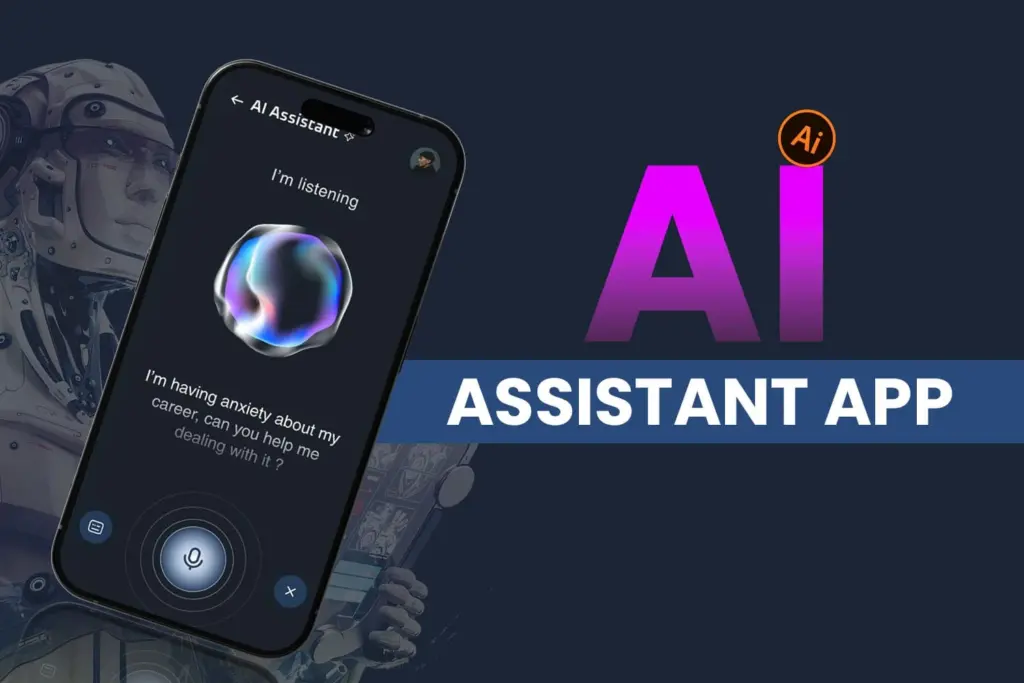
    AI Personal Assistant App

    Why It’s Trending

    People want to save time, automate tasks, and make quick decisions. An AI assistant app can manage schedule, email, reminders, voice memos, and even recommendations for health, productivity, and lifestyle.

    AI Personal Assistant App Features

    • Natural language processing for smart conversation (NLP)
    • Voice control and chat interface
    • Integration with calendar, to-do apps, and smart devices

    Target Users

    Busy professionals, students, entrepreneurs

    Virtual Interior Designz App

    If you are searching for the best mobile app ideas for mobile, a virtual interior design app is a creative and high-demand option. This app lets users imagine and optimize their stay in 3D using all real furniture, textures, and layouts from their mobile devices. Using natural language treatment (NLP), AR, and AI, users can describe style preferences or space needs. This mobile app can immediately generate designs and recommendations. This mobile app idea combines convenience, customization, and immersive technology, which is a smart decision to build an android and Iphone app for the future of interior design.

    Why It’s Trending

    Homeowners and real estate buyers want to imagine interiors before buying furniture or decorations. With AR/AI, they can now do it in seconds.

    Top Virtual Interior Design App Features

    • Upload a space photo and automatically generated design ideas
    • AR-based 3D furniture placement
    • Color-matching and layout suggestions through AI

    Target users

    Homeowners, real estate agents, interior architects

    Food Delivery App (Niche Specific)

    As one of the most trending app ideas for startups, the niche-specific food delivery app offers a new option for mainstream platforms. Instead of serving all dishes, this app focuses on a targeted section, such as regional food, local chef food, or vegan food. It is estimated to reach $442 billion by 2032, with the global food delivery market, with niche platforms to offer authenticity, customization, and socially powered experiences. This mobile app idea is ideal for startups to build loyal user bases and stand out in a crowded market.
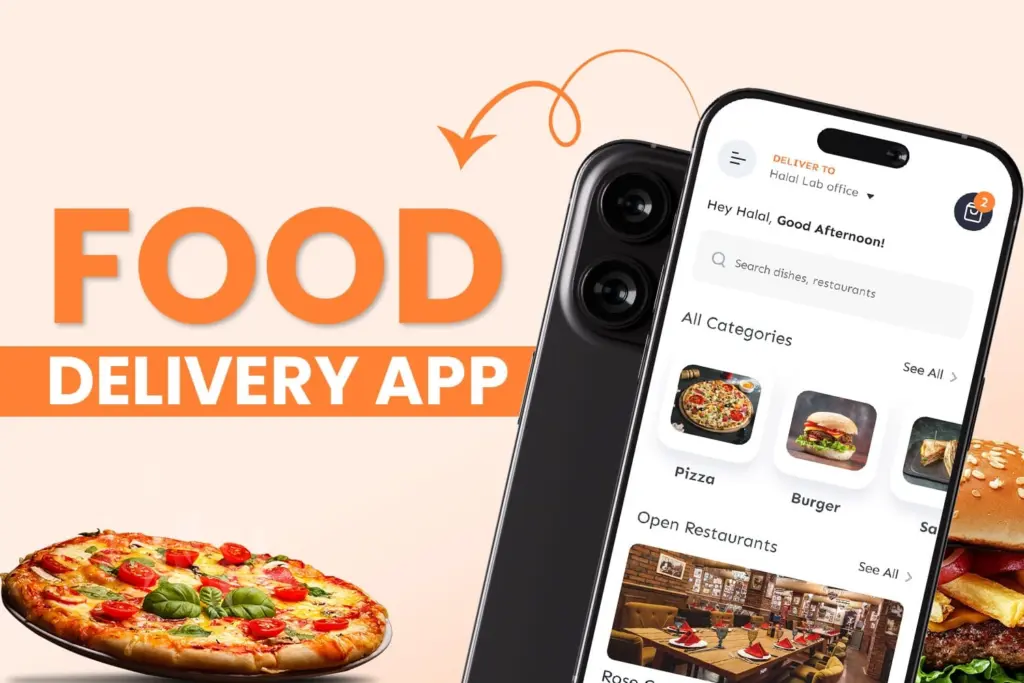
    food delivery apps

    Why It’s Trending

    Instead of generic delivery platforms, niche food delivery (such as home-cooked, vegan-only, or ethnic cuisines) is expanding quickly.

    Food Delivery App Features To Add

    • AI-based taste prediction
    • Local chef marketplace
    • Individual health-based food recommendation

    Target Users

    Health-Conscious, Food lovers, Vegan lovers

    AI Resume & Job Seeker App

    One of the best trending startup app ideas in 2026 is the AI CV and job seeker app, which is a smart platform designed to streamline the job hunt. By using natural language processing (NLP) and machine learning, the app can automatically generate CVs. You can customize them to the search tracking system (ATS) and match users with relevant positions in real time. According to the CNBC studies, this app idea capitalizes on a rapidly growing market, since more than 65% of job seekers use AI tools, while 70% of companies use AI to filter applications.
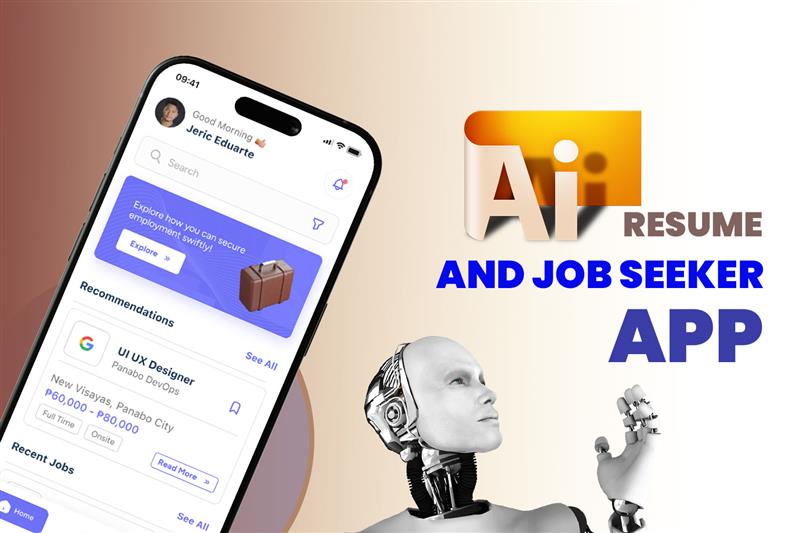
    AI Resume & job seeker app

    Why It’s Trending

    Job seekers require more than a static CV. They require real-time optimization, suggestions for skill matches, and customized coaching.

    AI Resume & Job Seeker App Features

    • AI-generated resume and cover letter
    • Job-match scoring mechanism
    • Interview practice with AI chatbots

    Target Users

    Students, job seekers, freelancers, HR startups

    Fitness & Mental Wellness App

    As health tech continues to progress, a fitness and mental wellness app stands among the most trending app ideas for entrepreneurs. The app offers guided workouts, mindfulness exercises, sleep tracking, and stress relief tools all on one platform. This app combines physical training with mental health care support. In 2025, the Wellness App market is expected to reach $12.78 billion, with an expected to increase $33.78 billion by 2032, growing at a CAGR of 14.9%. Meanwhile, the fitness app market reached $10.59 billion in 2024, and by 2030, it was estimated to climb $23.21 billion with a CAGR of 13.88%.
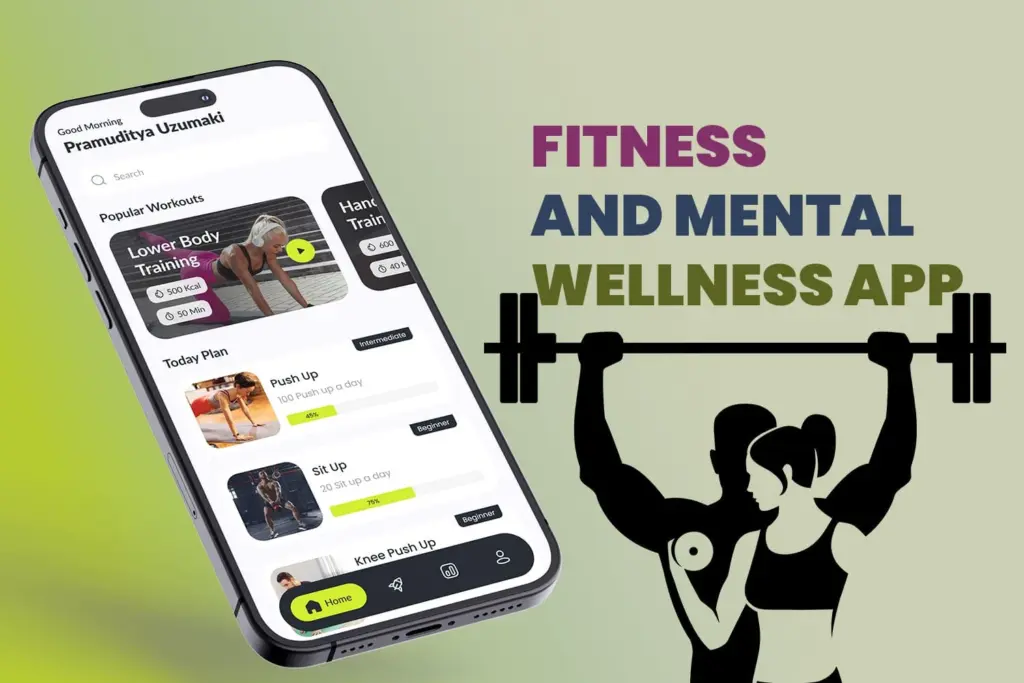
    Fitness & mental wellness app

    Why It’s Trending

    Hybrid apps that blend physical fitness with mental health are becoming more popular. Users want a balanced life and an app that understands them.

    Fitness & Mental Wellness App Must-Have Features

    • Customized training plans + meditation routines
    • Mood tracking + cognitive behavioral therapy (CBT) equipment
    • AI recommendations for fitness + mental balance

    Target Users

    Working adults, Gen Z, Students, Parents

    Smart Investing App

    Smart Investing App strengthens users with AI-supported insights, personal strategies, and real-time market tracking. This is one of the most practical trending app ideas in fintech. According to recent reports, AI-featured investment platforms such as MAXE and Wealthfront have helped users improve portfolio performance up to 74% with over 10,000+ downloads.
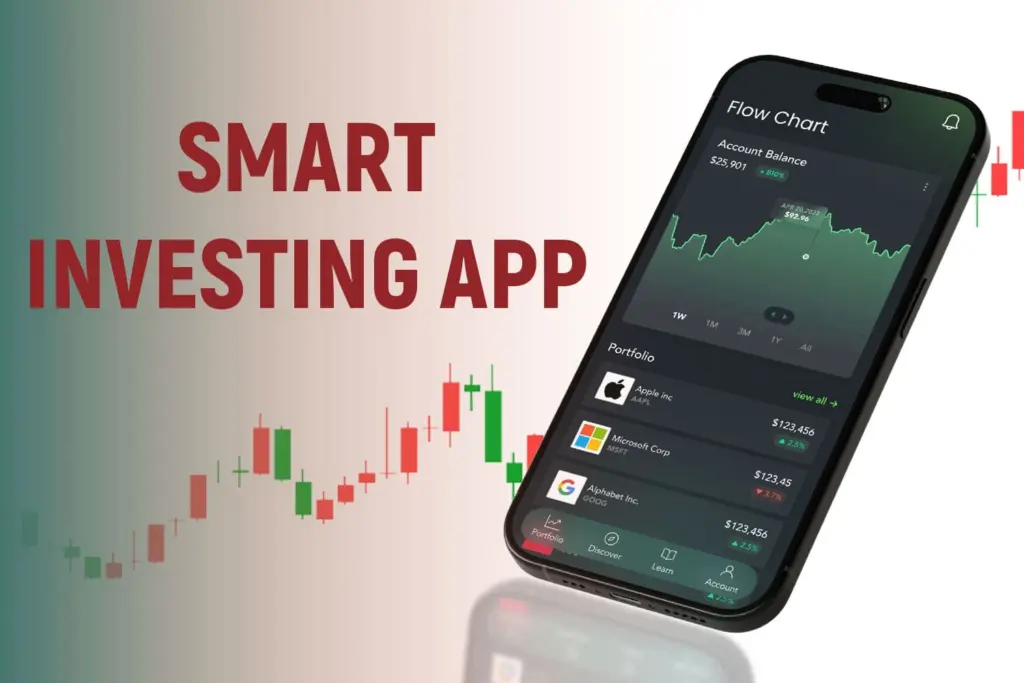
    Smart Investing App

    Why It’s Trending

    The investment becomes social, simplified, and beginner-friendly. A smart investment app that uses AI to guide economic development is in great demand.

    Smart Investing App Features

    • Risk analysis AI
    • Combination of Crypto + traditional investment
    • Using social feed for micro-investment

    Target Users

    First-time Investor, student, freelancer

    AI Content Creator Tool

    This AI content creator tool gives users the right to generate both images and text immediately. It is perfect for students, teachers, and creators who want quick content without compromising quality. From blog posts to infographics, it simplifies content creation with a few clicks. Generative AI in creating content global market size is estimated to increase from $11.6 billion in 2023 to $175.3 billion by 2033, which is a surprising CAGR of 31.2%. This bounce shows the demand for tools that combine automation, creativity, and scalability.
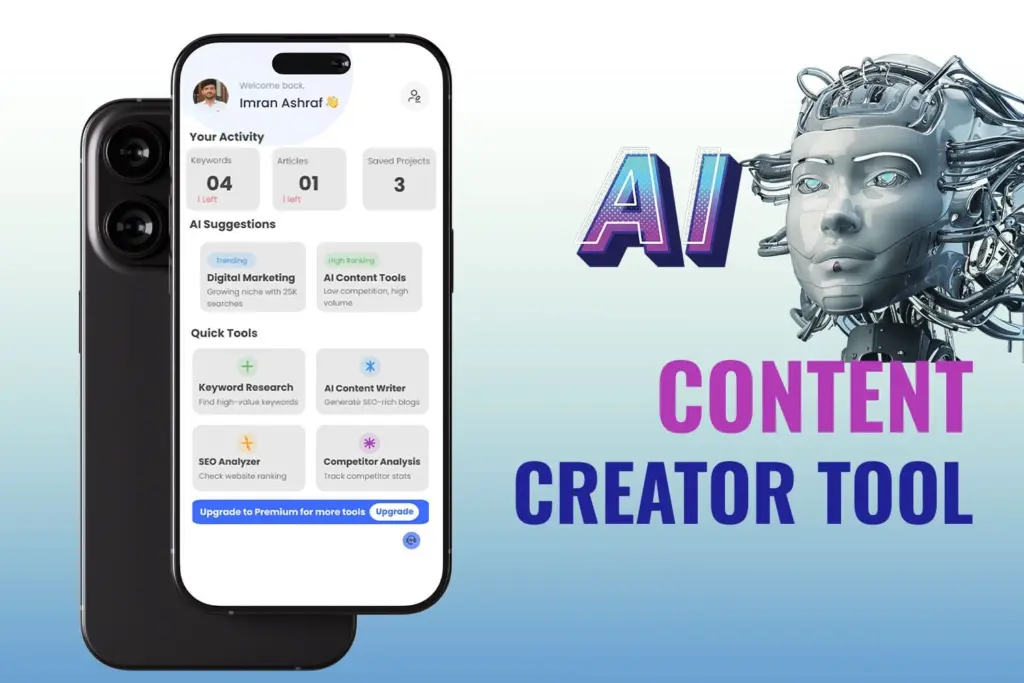
    AI Content Creator Tool

    Why It’s Trending

    From markets to students, everyone creates content. An AI-powered app that assists in creating posts, captions, videos, and designs is a goldmine.

    AI Content Creator Tool App Features

    • AI Copywriting (blog, post, SEO content)
    • Text-to-image and text-to-video generation
    • Customization of the brand voice, caption, and hashtag

    Target Users

    Influencers, Business, Students, Creators

    Smart Language Learning App

    The Smart Language Learning app converts how users learn new languages. AI-featured text, speech recognition, and practice to promote the practice. Whether you are a student, a working professional, or anyone who loves to learn new languages, this app is beneficial for you and your goals. Research shows that apps for language learning have improved grammar and vocabulary up to 60%. According to the Straits research, the global market of smart language learning apps was $3.3 billion in 2023, and by 2033, it is expected to grow to $24.39 billion.
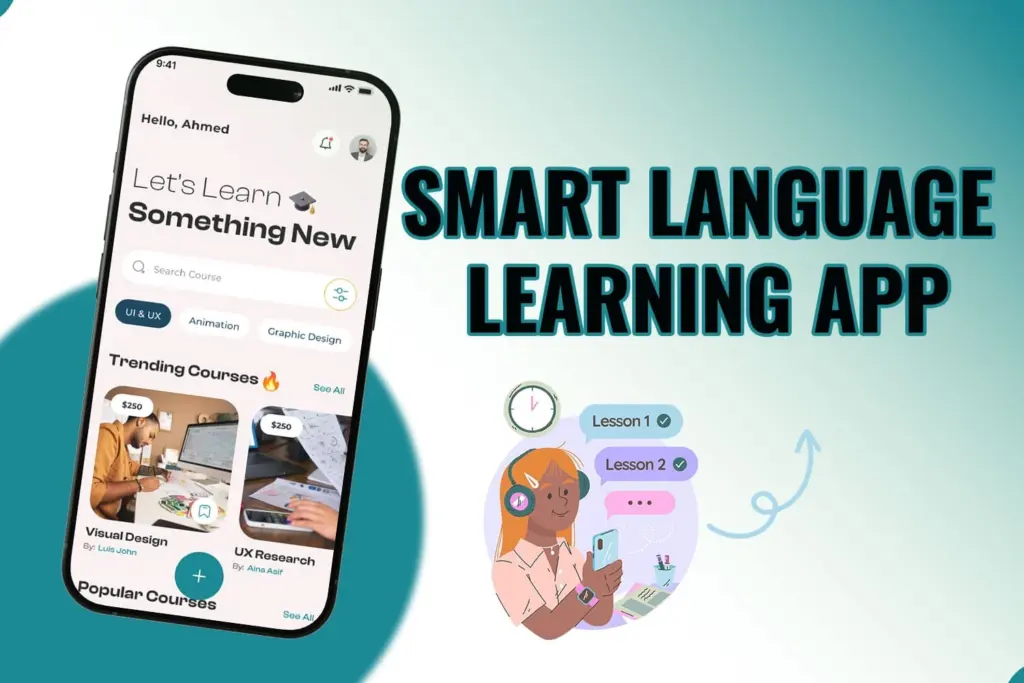
    Smart Language Learning App

    Why It’s Trending:

    Instead of just practicing vocabulary, this app uses AI conversation simulators and real-life scenarios to teach language naturally.

    Smart Language Learning App Features

    • Voice-based accent points
    • Cultural reference lesson (for travelers)
    • AI chat partner for daily practice

    Target Users

    Passengers, students, immigrants, enthusiasts for language

    On-Demand Home Services App

    On-Demand Home Service app combines users with reliable professionals to users from plumbing and cleaning to tool repair and pest control. With real-time booking, transparent prices, and confirmed service providers. It simplifies domestic management for busy individuals and families. At a CAGR of 14.3%, the global market of home service market was projected to reach 2024 valuation of $5.29 billion to $9.03 billion by 2028. This growth is fueled by increasing urbanization, the use of smartphones, and immediate, reliable home solutions.
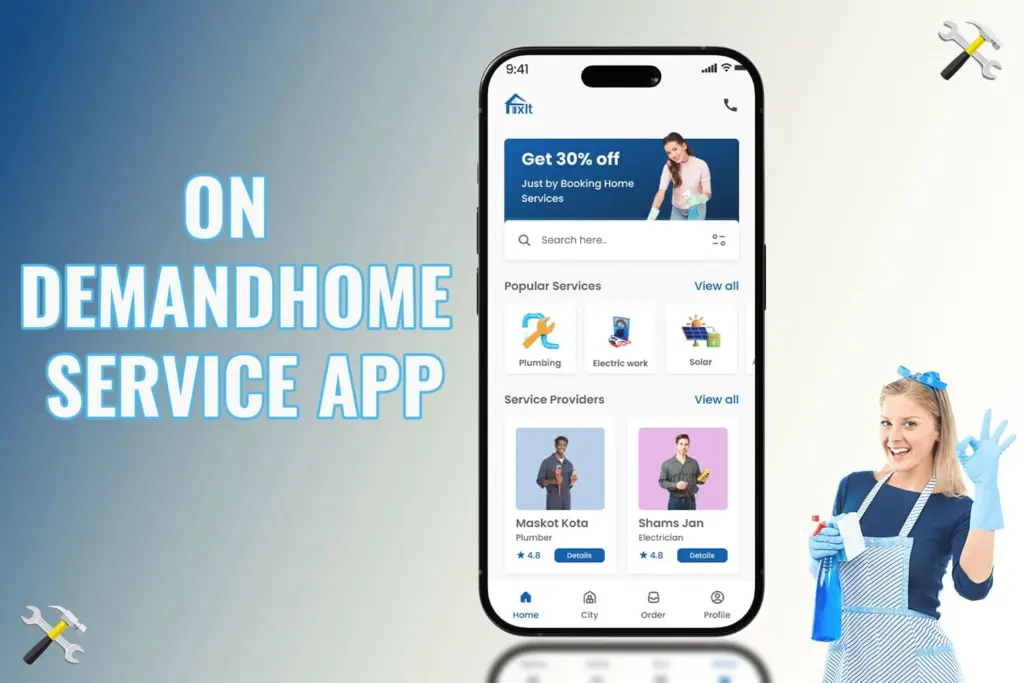
    On-demand home service app

    Why It’s Trending

    Home service platforms stand between today’s most useful trending app ideas for startups because they provide speed, convenience, and trust that make them essential assets for modern life. People want an affordable cleaner, electrician, plumber, or pet groomer on demand and quickly.

    On-Demand Home Services App Features

    • Real-time service tracking
    • AI-powered cost estimators
    • Ranking and repeat booking system

    Target Users

    Busy Households, Elderly, Working Professionals

    AI-Powered Dating App

    AI featured dating apps revolutionize how people connect by smart algorithm with emotional insight. These platforms provide customized matchmaking according to user compatibility, behavior, and preferences. As digital romance becomes an ideal, the industry is estimated to reach $25.25 billion by 2032, indicating tremendous innovation capacity. Developers can integrate features such as planning of real-time dates or emotion-based recommendations in the most popular dating apps. This is not just about the swipe; it’s about meaningful connections in a digital world. This is one of the best app ideas that can make you a millionaire.
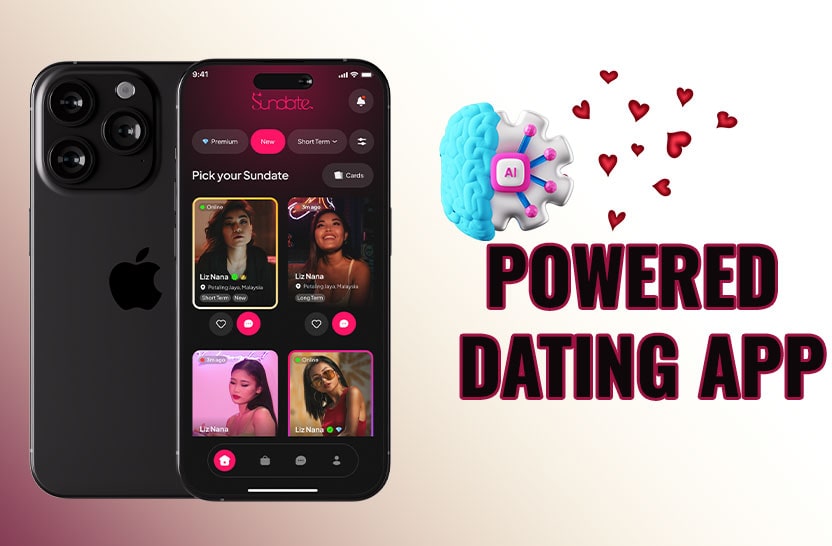
    AI Powered Dating App

    Why It’s Trending

    Swipe fatigue is real. People now want smart matching, not just visual appearance. AI can customize matches according to compatibility analysis and user behavior.

    AI-Powered Dating App Features

    • Personality Quiz + NLP Chat Matching
    • Virtual AI date coach
    • Relationship Journey Tracker

    Target Users

    Millennials, Gen Z, Relationship seekers

    Education App

    Education applications are transforming how we access and connect to learning. With the expanding global edtech market estimated to be over $400 billion by 2026, the opportunity for innovation is great. These apps allow users to learn on their own premises through gamified learning to multilingual content delivery. The key to success lies in choosing top education app development services that create scalable, safe, and attractive platforms for diverse learners. Whether it is formal education or skills building, these apps connect technology and education. It makes learning smarter, faster, and more inclusive, and places them among the most promising best app ideas of our time.
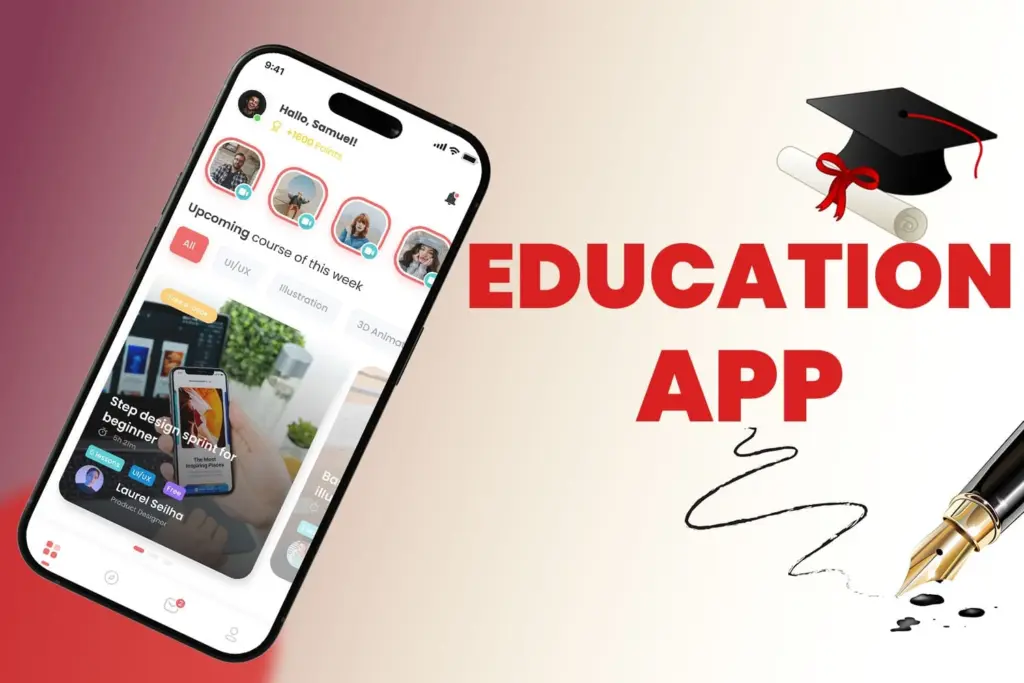
    education app ideas for startups

    Healthcare and Personal Care App

    According to Grand View Research, the mobile health applications market is expected to rise to $1.07 trillion by 2030, which is growing from ~ 45% Cagr, which starts in 2025. Meanwhile, the global market of mHealth apps was around $37.5 million in 2024, projected to exceed $86 million by 2030 (CAGR ~14.8%)
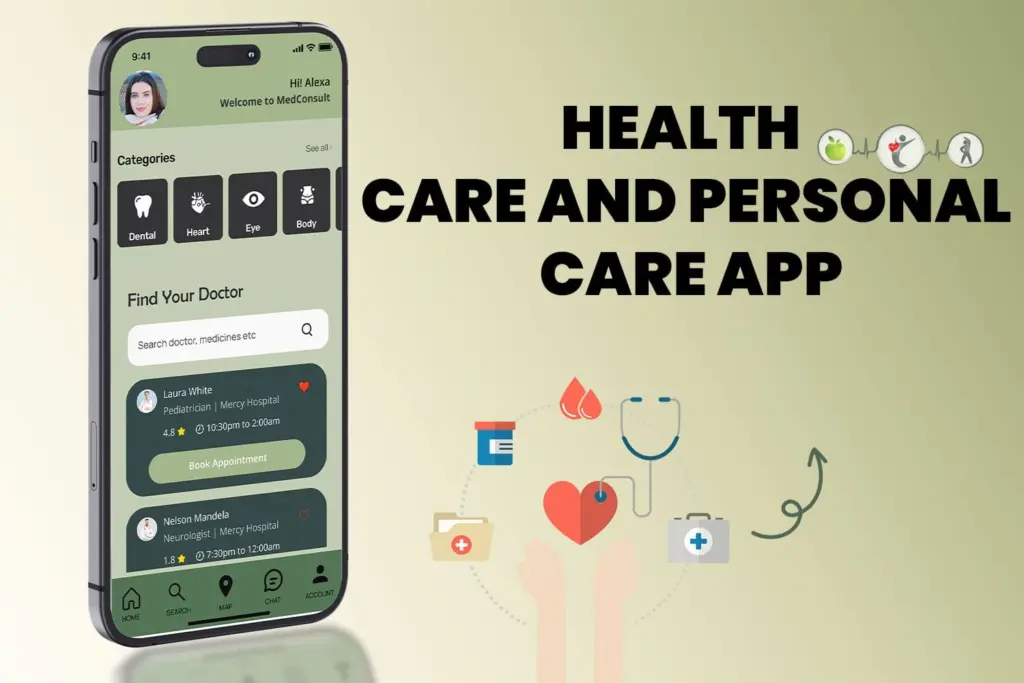
    Healthcare and Personal Care App idea

    That means telemedicine, wellness monitoring, appointment booking, and AI-driven diagnostic technologies are rich opportunities. By including features like chat-based health guidance and secure EHR access. It is the most popular app idea for startups; they can start or invest in a healthcare app that is both highly developed and necessary.

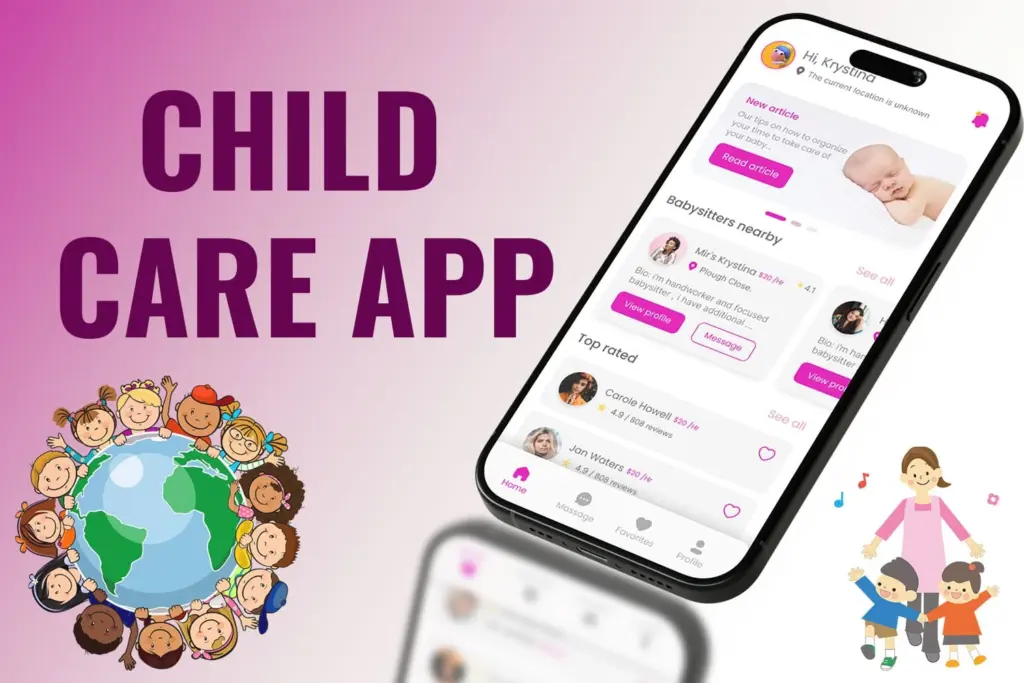
    Child Care App

    Although accurate global numbers for apps are limited, the price of the childcare market in the United States alone was $60.4 billion in 2022, with a stable approximately CAGR of ~ 4.2%. Platforms such as BUMO, which allow last-minute childcare reservations. By solving the pain points of parents, which increased the initial funding in 2024.
    child care app ideas for startups

    This is one of the best trending app ideas for startups. Parents are looking for digital solutions that simplify planning, track milestones, or provide caretakers’ contacts. Social and community-focused niche apps are quite successful.

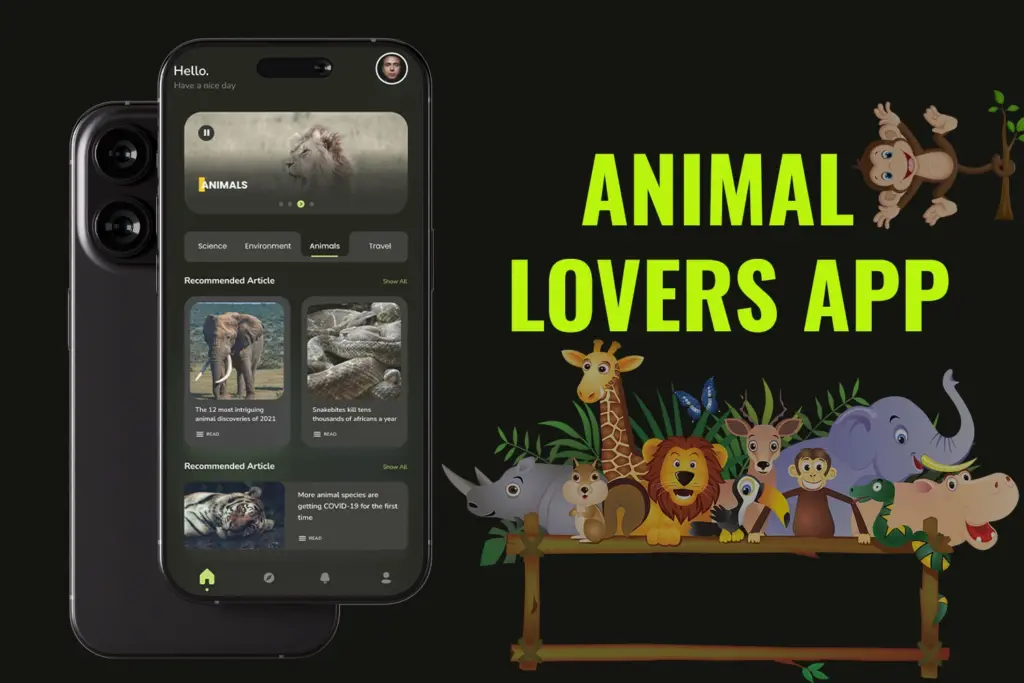
    Animal Lovers App

    By 2023, the estimated $320 billion global market of pet care is expected to cross $500 billion by 2030, according to the pet food industry research. As pet ownership stabilized in the post-pandemic, technology became important, for example, monitoring wearable devices or remote veterinary consultations. Businesses such as Rover and BarkBox demonstrate the high level of consumer confidence in pet technology.
    animal lover app ideas for startups

    The potential of this type of trending app idea is very high. Include app features such as veterinary booking online, health reminders, social pet profiles, or AI behavioral tips. Stickiness is increased by monthly membership plans.

    Grocery Delivery App

    Online grocery delivery grew from ~$90 billion in 2018 to $294 billion by 2021, and quick-commerce (rapid grocery & meal delivery) is expected to hit $1 trillion globally in the upcoming years. Demand for diet-specific meal plans and local chef networks continues to grow.

    grocery delivery app idea for startups

    Diet-based ordering, AR menus preview, or connecting local vendors with customers. When the grocery delivery app is customized to the user’s preferences, it succeeds in urban regions or growing markets.

    Taxi Booking App

    A taxi app is one of the most popular modern innovations and trending app ideas, which transformed urban mobility through instant ride booking, safe digital payments, real-time tracking, and quick ride scheduling. By 2026, the global market of ride-hailing apps is estimated to be more than $185 billion. Startups have a great chance to build a customized solution with expert taxi app development services with AI-powered features that meet modern customer demands.

    taxi app development ideas for startups

    How to Choose the Right Mobile App Idea?

    To choose a million-dollar mobile app idea for your startup. All you need is a pain-point solving, user-first, and scalable app concept. Let’s discover how to find it:

    • Observe Trends: Use platforms such as Product Hunt, Indie Hackers, and Reddit to identify new ideas.
    • Talk To People: Ask real users, parents, freelancers, agents, and students about their pain points that they face regularly.
    • Explore App Store: Check the top paid and free apps to find what is trending in real time.
    • Follow Industry Blogs: Be informed about the updates of a large mobile phone app development company.

    Final Thought

    In 2026, the startup ecosystem will encourage bold ideas that use technology to solve actual real problems. The moment to innovate is now, whether you are looking for top trending app ideas for beginners or planning an enterprise-level product. Your idea may be the next big success. Don’t wait to convert your vision to reality; take the first step by partnering with a reliable, trusted mobile app development company.

  • Top 10 Web Application Examples in 2026

    Top 10 Web Application Examples in 2026

    An online web application example is a program running in your web browser. This allows you to do specific tasks online without the need to install anything on your device. In the modern world of connectivity, there is a possibility that you have already used an example of a web app before you finish your morning coffee. If you want to build a web app, then partnering with the best web app development company is your perfect decision.

    Whether you are working with your team checking your emails, or streaming your favorite shows, popular web apps. These examples of web based programs have had a huge impact on industries and daily life. But what exactly is a website application? How does this work? And what are the best web applications that shape the digital landscape? In this blog, we will dive deep into a web app, and list of web based applications that are not only functional but also globally popular.

    What is Web Application & How it Works?

    A web application is a software or program that you can access online using a web browser. Unlike traditional software, that you downloaded on your computer. Web apps use your browser to access features that are hosted on the remote server.

    Pros & Cons of Web Application

    Like any technology, the web app comes with its sets of benefits and boundaries. Let’s find out both:

    You can read also: Top 10 Best Startup Accelerator Programs

    What Are the Main Types of Web Applications?

    Static Web Applications

    Static web applications are the simplest form of online web based solutions. HTML, CSS and sometimes minimal JavaScript are used to create these apps. It provides predefined materials that are not changed until they are manually updated by the app developer. There is no database interaction or real-time user interactivity. They are light, fast loading and extremely safe due to the absence of the server’s side.

    Common examples of web based programs in this category include basic landing pages, portfolios, and brochures. They are ideal for companies that require direct web based softwares with little updates.

    Dynamic Web Applications

    Dynamic web applications are interactive and are linked with the database and backend server. These apps update the data in real time based on user features or inputs. Techniques such as PHP, Node.js or Python are often used to create such applications. They let users do tasks such as logging in, posting content or getting customized information. Social media platforms, online forums and e-learning platforms are the major web app examples. For content or user-centered websites that need frequent updates, dynamic applications are perfect.


    Single Page Applications (SPAs)

    Single Page Apps (SPAs) loaded a single HTML page and updated the content dynamically without updating the entire page. It provides a smooth and fast user experience similar to an original mobile app. JavaScript frameworks such as Reacts, Angular or Vue are usually used to develop the SPAs. Gmail, Trello and Google Maps are popular examples of web based applications in this category. SPAs are best suited for applications that require real -time interaction and fast navigation like dashboards and productivity tools.

    Content Management System (CMS)

    Content management systems are known as web applications, it is simple for users to generate, manage and publish digital content easily, often without any code. Popular web application examples are WordPress, Joomla and Drupal. These platforms are very flexible and scalable, making them suitable for blogs, news sites and marketing sites. The CMS web app frequently comes with admin panel, plugins, and themes that let non-technical users easily handle posting schedules, layout, and SEO.

    eCommerce Web Applications

    eCommerce web applications are especially created for buying and selling online. These apps include product catalogs, payment integration, shopping carts and storage control. Widely used examples of web based programs designed for eCommerce are Shopify, Magento and WooCommerce. These feature-rich platforms can support everything from small shops to a large-scale marketplace. They also include customer management, tracking orders and promotional opportunities, which makes them important for online stores.

    Animated Web Applications

    Animated web applications use movement graphics, transitions and interactive elements to attract users. These apps provide an engaging user experience. They are developed with technologies like, HTML5, CSS3 animation, JavaScript, SVG or WebGL. They are usually used in creative portfolio, product display or storytelling sites. As they are visually appealing, these apps require careful performance adjustment and are often heavier than standard web apps. They are ideal for brands focused on design, innovation and user engagement.

    Rich Internet Applications (RIAs)

    Rich Internet apps (RIAs) are advanced web apps that provide similar functionality to desktop software, but work in a browser. These apps rely on client-side processing using tools like Ajax, Flash (out of date). Silverlight, JavaScript, or JavaFX are examples of modern frameworks. Features such as drag-and-drop, offline use, real-time data synchronization and multimedia. Advanced online editors such as Canva and collaborative platforms like Google Workspace are two web app examples. RIAs is best suited for complex features such as graphic design, project management or interactive data visualization.

    Progressive Web Applications (PWAs)

    Progressive Web Applications (PWAs) bridges the native mobile apps and the traditional web app. These web applications work offline, load immediately and can be installed on the user’s home screen without using the App Store. PWAs are created with modern web technologies such as responsive design, service workers, and web app manifests. Popular web app examples are Pinterest, Twitter lite, and Starbucks PWAs. PWAs is best for businesses looking to improve mobile accessibility without investing on separate Android & iPhone app development.

    Cloud-Based Web Applications

    Cloud-based Web Applications are run on remote servers and are accessible through browsers on any device with internet connection. These apps are scalable, affordable and ideal for collaboration. Google Docs, Dropbox and Microsoft 365 are few examples. Cloud-based web apps may vary from simple file storage programs to company level software such as CRM and ERPs. They are often made with cloud platforms such as AWS, Google Cloud or Microsoft Azure. These applications are perfect for those organizations and teams that prefer remote work, data accessibility and real-time collaboration.

    You Can Read Also: Top Trending App Ideas for Startups

    Top 10 Web Application Examples

    Here, we are sharing a curated list of web based applications. These top 10 web application examples are not only innovative, but which are deeply inherent in our professional and personal lives. From creativity to cooperation, these are the most popular web apps to redefine modern productivity and convenience.

    Google Workspace (Docs, Sheet, Drive)

    When it comes to cloud-based productivity Google Workspace is at the top of the list of web app examples. Google Drive, Sheets and Docs are all web-based applications. This web app is important for remote teams, schools and workplaces. Documents allow real-time editing and collaboration, which makes teamwork uninterrupted with commenting features and version history. Google Sheets offers spreadsheets with proficient functions from formulas to data visualization. The Drive connects everything, provides safe cloud storage and easy sharing. The integration with AI for suggestions and automation Gmail and other Google tools creates a complete ecosystem to handle digital work, which is available anywhere from any browser.

    Microsoft 365 Online (Word, Excel, Teams, Outlook)

    Microsoft 365 has successfully transformed its classic software as a collection of web-based applications. Word, Excel, Outlook and Teams are all available in Microsoft 365 Online. Users can create documents, analyze data and collaborate and work together in real-time. Its integration with OneDrive ensures safe file access and sharing anywhere. AI Copilot now assists with writing and data modeling. For educational organizations, professionals and businesses, It is an ideal web-based software solution. It depends on the reliability of Microsoft’s environment.

    Netflix Web App

    Netflix is more than a simple video platform, it’s a powerful example of a web application. According to the Statista study, with millions of daily users accessing entertainment worldwide. Netflix provides a smooth experience in any modern browser. AI-powered Netflix web app proves that rich media content can be smoothly delivered. Netflix offers HD playback with adaptive streaming, multi-profile support and personalized recommendation.

    Canva

    Professionals used to be the ones who could design, but Canva, a drag-drag-based web app software and generative AI features, made it easier for everyone. From Instagram posts to business presentations Canva is used as a most popular designing tool. Canva provides thousands of templates and real-time collaboration features. Nowadays, Canva is the most common website application for content creators, marketers, teachers and entrepreneurs looking for fast, beautiful designs without installing software.

    Zoom Web App

    In 2026, virtual meetings are common as e-mail, and the Zoom web app makes it much easier than before. No download required, simply join the meeting from your browser by clicking on a link. Screen sharing, group meetings, live captioning and AI-powered summaries are all supported by the Zoom website application. For communication, it is the most effective web app example. It’s perfect for teams, events planners, and educators, seeking smooth, browser-based conferencing.

    Trello

    Trello is one of the most widely used web applications for managing projects. Its visual boards, drag-end-drop cards and real-time updates simplify the tasks. Team collaboration, due date, checklist, AI tagging and advanced integration with tools such as Slack and Google Drive are supported by Trello. For professionals seeking simple, but effective monitoring tasks. Trello is the most user-friendly web app program for both individuals and businesses.

    Figma

    For collaboration design, Figma is the latest online web-based software. Designers, developers and product teams can create and review wireframes, UI elements and prototypes in a browser tab. Real-time interaction, commenting and developer handoff features. For UI/UX design Figma is the favorite tool preferred by designers. As an example of a web app to change the creative space, Figma proves that powerful software no longer needs to be installed.

    Spotify Web Player

    Spotify is one of the best free offline music apps. The browser version of Spotify provides a comfortable experience with AI-curated playlist, mood-based recommendations and future discovery. Its artificial intelligence (AI) ​​engine understands your taste, activity. It also schedules serving you the right soundtrack at the right time. Whether you work or rest, Spotify’s web application ensures smooth and personalized listening experience.

    Uber Web App

    The Uber web application has developed into a fully-function platform with AI features. Users can book rides, check the estimated price, track driver sites and manage payment settings from all browsers. It is especially useful for users who want a quick ride without waiting. This Taxi booking app is popular and serving in several countries. The Uber web app maintains a smooth, spontaneous design similar to the mobile app which makes it a very highly accessible web app.

    Slack Web App

    Slack uses AI for workplace communication powerhouse, smart message summary, automatic workflow and priority alert. Now improved with generative AI in Slack. Slackbot detects emotions, draft replies, task scheduling in team discussions. As a top web application for team collaboration, Slack enables smart communication and works through its browser-based platform.

    Alternatives of Web Applications

    Coursera

    A leading online education provider. Coursera provides online access to certified courses from top universities and companies. Best for students or working professionals.

    Airbnb

    Airbnb offers short-term or long-term holiday homestays. Through its responsive web platforms, travelers can browse listings. You can chat with hosts and make reservations all within the browser. Best for travelers or tourists who are seeking luxury or affordable stays at your favorite city.

    Notion

    Notion adds notes, tasks and databases into a single workspace. AI assistants summarize the notes, auto-tag content and create content blocks based on indications. Best web app between authors, developers and teams that require flexible and smart documentation.

    Facebook

    Facebook is a well-known social media platform. Its web application plays an important role in social connection. This platform offers short-form video content, live streaming, group and Facebook Marketplace. Users can manage their profiles, page and advertising campaigns directly in the browser.

    Medium

    Medium is a powerful online publication platform. This is best for authors, bloggers, journalists and writers. Its clean, writing-centered application for websites lets users publish blogs and stories and get in touch with readers globally.

    WhatsApp Web

    WhatsApp Web allows web users to send messages, share photos and videos, voice calls and manage group chats from your web browser. It is the same as a mobile app by syncing real-time messages and creating a smooth communication experience. Especially useful for professionals and multitaskers. With end-to-end encryption and support for voice messages and status updates, it is a must-have web communication app.

    Reddit

    Reddit is a discussion forum and platform, where people gather, discuss and share their knowledge of interest. Its web app offers feeds, subscriptions, real-time threads, voting systems and AMAS (ask me anything sessions). Reddit has increased its web experience. With more dynamic content, native videos and better moderation tools. Reddit is the best community-driven web application. Reddit offers both entertainment and knowledge sharing.

    Dropbox

    Dropbox is a cloud-based web application for sharing and storing files. The Dropbox web app allows users to upload, manage, preview and share documents directly through the browser. It also includes facilities such as file comments, version history and Dropbox Paper to create documents. Its safe infrastructure and easy to use interface. It is ideal for both individuals and companies to manage large versions of digital assets.

    Gmail

    No list of top web apps will be completed without Gmail. As Google’s flagship email platform. Gmail is famous for smooth connection with its speed, smart inbox, advanced spam filter and other Google services. Gmail AI-driven e-mail suggestions, smart answers and dynamic setups features. Whether for business or personal use, Gmail is one of the most reliable and effective online communication platforms on the Internet.

    What Are the Functions of Web Applications?

    Web applications are made to do a lot of variety of things. They help users interact, manage and communicate through a browser. Let’s find out the most common and useful features of web applications in everyday life.

    User Authentication & Authorization

    One of the most basic but important tasks of a web application is to let the user register, log in and reach the information. This includes different user roles such as password security, secure access and administrator or guest. Whether it’s your Gmail account or online shopping profile, the first step is log in.

    Data Collection & Management

    Web apps are very good at handling data. Users can fill out the form, upload the document or submit feedback and the app can save their data safely. Think about booking a hotel, searching online jobs or updating your profile. The app collects your information and processes it in real time.

    Real-Time Communication

    Many web applications let users chat, make video calls or leave comments. Apps like Zoom, Slack or Microsoft Teams are created for this. Without the need to install anything, you can message your coworkers, have a quick call or live collaboration.

    Content Management

    Web apps allow users to create and manage content such as blog posts, articles or images. Tools such as Blogger, WordPress or Note allow you to write, edit and share content within your browser. Without a developer you can publish your content professionally.

    E-commerce Transactions

    E-commerce web apps such as Amazon allows users to browse products, compare prices, shop and track delivery. They handle the payment safely and provide users updates on their orders. These features are now required by each online store.

    Collaboration Tools

    Web apps make teamwork super simple. Web applications examples like Trello and Google Docs. People can work on similar tasks or documents from anywhere in the world. You can assign activities, leave comments, upload files and check updates, all in one place.

    Data Visualization & Reporting

    Some web applications are created to analyze and visualize data. For example, it shows performance-based graphs and charts on the sales dashboard. This visual report helps people make decisions as soon as possible, without examining them through a spreadsheet.

    Search & Navigation

    Most web applications are made with a search function to find out what they need faster. Whether you search movies on Netflix or look for clothes on the shopping app. Web applications help you filter the results, use categories and get whatever you want quickly.

    Media Streaming

    Apps like Spotify or Netflix are designed to stream the content directly on your browser. Whether it is movies, songs, live events or podcasts. These web applications provide users a smooth experience with minimal loading and high-quality playback. Without downloading these apps you can access them freely.

    Notification & Alerts

    Web apps often send push notifications, emails or notifications in the app to keep users informed. Whether it’s a reminder of a meeting or an upcoming sale from your favorite store, these are helping people involved and updated.

    Why Developing a Web Application is a Better Option?

    • Users can open a web app on any device, desktop, mobile phone, or tablet by only using a browser.
    • It is not necessary to download or install anything, which saves time and storage.
    • You just need to make it once, and it works on all platforms, which makes it cost-effective.
    • Web apps can be developed and launched faster, which is perfect for startups and MVPs.
    • Updates are simple, make a change on the server, and all users see it immediately.
    • Great for real-time teamwork and collaboration, such as editing documents or tracking tasks at the same time.
    • Web apps can be visible on the search engines, which can help more people search for your business.
    • With the correct security practice, your web app can be safe and reliable for all users.
    • Web applications grow easily with your user base, so you don’t have to rebuild your business scales.

    Final Thought

    The given list of top web applications examples shows that all you need is a browser to access powerful digital tools. From productivity and design to communication and learning. The most popular web apps simplify, speed up and connect people in several ways. These examples of web based programs highlight the future of online software, scalable and safe.

    Whether you are a business owner and want to streamline workflows, a student participating in virtual classes or a creator designing your next big idea, integrating modern website applications is the key to digital success. It’s best to work with a web app development company like Apptechies that ensures your project runs smoothly and meets the business goals.

    Frequently asked questions​

    1. What Sets a Website Apart From a Web Application?

    Although we used to access both the websites and the web applications that are run in browsers, they serve very different purposes.

    A website is mostly used to present the content. Consider a news portal or blogging sites. Visitors come to read, browse and consume information.

    However, a website application is interactive. This allows users to take action. For example, registering, making content, sending messages or managing data. Platforms such as Google Dox, Trello or Canva are well-known web app examples.

    2. How to Build a Web Application?

    The creation of a web app begins with a clear idea of what you want to achieve. Here is a simplified observation:

    Step 1: Plan your app, define its purpose, users and features.

    Step 2: User interface (UI) and user journey design.

    Step 3: Select your stack of technologies (frontend, backend and database).

    Step 4: Start Development, this includes both coding to the user side and the server side.

    Step 5: Test on different devices to fix the error and improve performance.

    Step 6: Launch the web app and monitor how it works.

    If you are not sure where to start, Consider Apptechies, a top web development company that can handle everything for you.

    3. What Sets a Web App from a Native App?

    A web application is run in a browser and works on all devices without download. While a native app is specially designed for iOS or Android, and it must be installed from the App Store. Native apps provide intensive integration with device features such as GPS or camera, but they take more time and cost more to develop. Web apps are fast, more cost-effective and easy to maintain, making them ideal for startups or businesses. A web app development company like Apptechies can help you decide which option is best for your goals or even build both over time.

    4. What is the Cost of Web App Development?

    Its complexity, functions and designs determine the cost of developing web applications. The cost of a basic web app with minimum functionality can cost between $ 3000- $ 7000. A mid-level app with user accounts, dashboards and third-party integration can range from $ 8,000 to $ 20,000. And a fully-functional web app with AI features can exceed $ 25,000 to $ 70,000. These figures may vary depending on the development team’s experience, location and the timeline of the project. A trusted web development company will assess your goals and provide a customized estimate and help you get the best price for your budget.

    5. How much time is needed to build a Web Application?

    The timeline to create web applications can vary from 1 month to 5 months, depending on how complicated it is. For example, simple tools such as contact form or task trackers may take 3-4 weeks. However, if you are building a large system of user accounts, dashboards, payment or third-party integration, it may take 10-16 weeks or more time. The development time also includes design, testing and customer reviews. While partnering with experienced web app development companies like Apptechies, you will find a clear project plan, regular update and a realistic delivery date.

    6. How Can Web Apps Help for Business Growth?

    Web applications can increase business growth with more accessible, automated operations and customer engagement. Whether you need to handle orders, make online sales or manage tasks, a web app improves productivity and smooth workflow. It works on all devices, gives customers 24/7 access to your services, and valuable data insights for direct decision-making. By collaborating with a professional web app development company like Apptechies. They create customized digital tools that not only meet current needs but also grow.

  • Top AI Features Must have in Your Taxi App like Uber & lyft

    Top AI Features Must have in Your Taxi App like Uber & lyft

    Are you planning to build a taxi booking app like Uber or Lyft? But don’t know about the must-have taxi app features to include. You are not alone. The taxi industry is growing rapidly, but to stand out in this competitive market, your taxi app just needs more than basic app functionality. It requires advanced AI-powered features that provide convenience, safety, speed, and a smooth user experience. Understanding the ride-hailing app features is necessary to create a well-designed, fully functional, and user-friendly cab booking app. Whether you are an entrepreneur or digitize your fleet services. In this guide, we will discover top must-have features for a successful taxi app, why your cab business needs the best taxi app, and how to find the right taxi app development company that drives growth to your business.

    Taxi Booking App Market Overview

    According to Statista, the ride-hailing and taxi industry is estimated to reach revenues of $ 179.70 billion by 2025, with more than 1.45 billion users worldwide. By 2030, with 2.34 billion users, it is expected to reach $229.98 billion. With the demand to increase urban mobility, widespread use of smartphones, and preference for transport on request, ride-hailing apps are now necessary. Although there is intense competition, there is a huge chance for success. To build a successful taxi business, your taxi app requires more than basic taxi booking app functionality. If you are thinking of stepping into the taxi industry, now is the right time to start a taxi business.

    List of Key Features for Taxi App Development in 2026

    If you are committed to making a high-performing taxi app, choosing the right taxi app features is important. It is the foundation of long-term growth, while creating an iOS app or an Android app. The success of a best taxi app like Uber depends on various factors. From smooth UI/UX design to location intelligence and secure payment, here is the list of top key features that your taxi app needs to compete with industries such as Uber and Lyft.

    Use-friendly Interface

    The foundation of any profitable taxi app is an easy-to-use UI. A smooth UI/UX design assures that users can easily browse the application. Whether they book a ride, pay, or track the driver. A simple and smooth user experience leads to better retention as well as involvement. Good design is not just a visual. It improves the function of the taxi app by eliminating friction and reducing the number of taps to complete an action. Prioritize the responsible layouts, intuitive icons, and platform-friendly navigation to provide a smooth experience on Android and iOS devices.

    Real-time tracking

    Real-time GPS tracking allows passengers to monitor the driver’s live location and ETA on a map. It creates faith, improves security, and improves communication. This main function helps to reduce the uncertainty during pickups and ensures that riders remain informed throughout the journey. This feature is necessary for modern taxi booking apps to offer visibility and control in real time.

    Multiple Payment Options

    Give users the freedom to pay with their favorite method, credit/debit card, mobile wallet, UPI or cash. Providing safe, flexible payment options improves the convenience, increases the riding order, and serves a wider audience. It also improves the user’s satisfaction and reduces cart abandonment during the payment process.

    Ride Scheduling

    Ride scheduling allows users to book rides in advance for a future time or date. This feature is convenient, reliable, and ideal for business travel or airport pickups. It also helps drivers to optimize their time and allows the platform to manage resources more efficiently for peak-hour requirements.

    Driver & Vehicle Details

    Displaying the driver’s name, photo, ranking, and car information (model, license plate) adds a layer of openness and trust. The passenger feels safer by being aware of who is picking them up. This allows users to identify vehicles at overcrowded pickup points, which increases both safety and efficiency.

    Wait Time Charges

    If a driver has to wait beyond a specific time frame, it can add the charge automatically into your booking system. It encourages pickup on time and prevents drivers from wasting time or earnings. This motivates riders to be on time, promotes fairness, and better coordination between riders and drivers.

    Ride Booking History

    Allow users and drivers to access information about their entire riding history. This taxi app features include the previous travel details, fare summary, and payment modes. This helps users monitor expenses and provide transparency, while drivers can check completed rides and revenues. It is useful for both commitment and convenience.

    Rider & Driver Registration

    A safe, streamlined registration process lets riders and drivers onboard easily. With taxi app features such as mobile verification, document upload, and creating a profile. It ensures authenticity and compliance. It creates faith in the platform and prevents unauthorized access or fake accounts.

    Geo-Location

    Geo-Location automatically detects the current location of the user, simplifies pickup requests, and ensures accurate navigation. This speeds up the booking process and helps drivers reach the exact location effectively. This is a must-have feature for taxi apps that depend on real-time, location-based services.

    Route Tracking

    This feature uses live traffic data to customize routes and avoid overloaded roads. This reduces the fuel cost, delay, and travel time. Both the user and the driver benefit from early and more efficient trips. Real-time route tracking also adds a security layer to your taxi booking system by letting users share the progress of the journey.

    Fare Summary

    After every journey, give passengers a detailed fare breakdown that includes distance, duration, basic fare, and extra fees. A transparent pricing model creates confidence, reduces disputes, and helps users feel more in control of their expenses. It is an essential factor of user satisfaction.

    In-App Messaging

    Enable private chats in the riders and drivers app to easily communicate without sharing personal contact information. This ensures better coordination and reduces confusion, especially at unknown pickup sites. Messages in the app are also safer and more professional than relying on external message apps.

    Safety Features

    Include SOS buttons, emergency contact alerts, and ride-sharing options to increase user safety. These properties ensure users, especially on late-night or long-distance trips. Prioritizing security increases user trust and makes your taxi app stand out in the competitive market.

    Security-Related Features

    Provide data protection with safe login, two-factor authentication, and encrypted payment. Protecting user and driver data increases reliability and compliance with privacy laws such as GDPR. A safe taxi app creates security and reduces the risk of fraud or privacy violations.

    In-App Voice & Video Call Features

    Provide safe voice and video calls for better coordination, especially for premium services or complex pickup. It reduces the cancellations and wait times while maintaining privacy. It also improves professional experience for both the rider and the driver in the app.

    Features & Filters for Discovery

    Help users find the right trip with filters such as fare estimate, vehicle type, AC/non-AC, and driver review. Customized discovery improves the user’s satisfaction and increases their booking rates. This is an easy but effective way to improve the experience of riding choices.

    Monetize & Subscription Model

    Generate revenue through commission, advertisement in the app, driver membership, and premium plans. A flexible monetization strategy ensures long-term growth and stability by offering added value to both users and drivers through exclusive features and benefits.

    Analytics & User Feedback

    Monitor important data via an analytics dashboard, such as booking, cancellation, peak hours, and driver performance. Collection of user feedback helps to refine services, fix problems, and improve user satisfaction. This app is required to improve and make data-driven decisions.

    Why Your Taxi Business Needs a Taxi Booking App?

    Your taxi business becomes more efficient, smart, and customer-friendly with the help of a taxi booking app. Users can book rides immediately, track drivers in real time, choose payment options, and see all the fare details from their phone. These AI-powered taxi app features improve the user experience, create confidence, and increase customer retention. If you want to know how a taxi booking app works, then check this out: Taxi Booking App Live Demo. Businesses save time and money by using apps to automate ride dispatch, fare calculation, and driver tracking. With the underlying analysis and response, you can monitor performance, improve service, and increase revenue. Additionally, a personalized taxi app also improves brand visibility and gives you a significant edge over competitors in the ride-hailing industry.

    How to find the best taxi booking app development company?

    For taxi business owners, finding the best and trusted taxi booking app development company is important. Start by evaluating the company’s experience in developing a taxi booking app. Check their portfolio for similar projects, user reviews, and case studies to assess their expertise and success rates. Look for a team that offers end-to-end services from UI/UX design and development for testing, launch, and support after launch. Make sure they understand the most major features, such as tracking in real time, safe payment options, and route optimization. The right mobile app development company should offer customized solutions, use modern tech stacks, and prioritize scalability, performance, and data security. There should also be transparent prices, open communication, and continuous support.

    Why Choose Apptechies For Your Taxi Booking App Development?

    Whether you are a startup or a well-established fleet business, Apptechies helps you stay ahead in the ride-hailing market with innovative, future-ready custom solutions. We ensure that your taxi booking app is fast, safe, and scalable.

    White Label App Development

    Market speed is a major advantage of developing a white label app. Our tailor-based custom taxi app solutions help you launch quickly while maintaining your brand identity.

    AI-Powered Features

    We integrate smart technologies such as AI-based price prediction, automatically assign drivers, and route optimization to improve riding efficiency and user satisfaction.

    Skilled Developers

    Our highly skilled developers build high-performing and cross-platform taxi apps using modern technologies like Flutter, Kotlin, and Node.js.

    Affordable Pricing

    Wondering about the development cost of a taxi app like Uber? Apptechies helps you to provide an affordable taxi booking app development solution within your budget. Mostly, the cost of an app is based on your specific features, platforms, and business models.

    24/7 Support

    Our technical support team is available 24/7. We ensure that your app remains safe, up to date, and completely functional even after the launch day.

    Conclusion

    Understanding what your users need is more important than copying others while developing taxi apps like Lyft or Uber. By integrating the taxi app features listed above, you will be on your way to start a taxi app that is functional, user-friendly, scalable, and ready to disrupt the market. If you are clear about the features and want to create an app like Uber, consider Apptechies, the best taxi app development company in the USA.

    Frequently Asked Questions

    Q. How to build a taxi app like Uber?

    Ans: Start by identifying the targeted market to develop a taxi app like Uber. By specifying essential features such as ride scheduling, payment integration, driver management, and real-time GPS tracking. Create a user-friendly UI/UX design for both the rider and the driver app. Choose a reliable tech stack and rent the best mobile app developers to create scalable, safe backend systems. Test well before launching your taxi booking app on platforms like Android and iOS.

    Q. What are the benefits of a taxi booking app?

    Ans: A taxi booking app provides real-time riding requests, cashless payment, GPS tracking and fast communication between riders and drivers. It improves the user’s convenience, operational efficiency, and scalability. For taxi owners and startups, it provides a customized cab booking app with complete control. Improved customer data and regular income opportunities. It is important in modern taxi booking app development.

    Q. What technologies are used in taxi app development?

    Ans: Taxi app development typically consists of technologies such as Swift or Objective-C for iOS. Java for Android and frameworks like React Native or Flutter for apps across platforms. Backend technologies include Node.js, Python, or PHP, while Firebase, AWS, or Azure support scalability. Payment gateways and tracking API in real time and maps (Google/Mapbox) are important to ensure a spontaneous taxi booking system and excellent app functionality.

    Q. How does the taxi app work?

    Ans: A taxi app like Uber connects riders with nearby drivers using GPS. Users book a trip, track the driver in real time, pay through the app, and leave a rating. The taxi booking system manages riding requests, tracking routes, payments, and feedback, which ensures a seamless experience through smart app functionality and clean UI/UX design.

    Q. How to choose the best mobile app developers for taxi apps?

    Ans: Look for experience in taxi app development, knowledge of scalable architecture, and specialization in creating UI/UX design when choosing the best mobile app developers for taxi apps. They should be skilled in both iOS and Android platforms, API integration, and real-time features. Check their portfolio, review, and technical road maps before you are hired.
  • What is the Role of AI in Mobile App Development in 2026

    What is the Role of AI in Mobile App Development in 2026

    In today’s modern digital world, the power of AI in mobile app development is growing rapidly. Over time, Artificial Intelligence has become the most important part of mobile app development. Have you ever wondered? Whenever you use a mobile app, how do you get what you are looking for? Whether it’s your shopping app or a music app, you get a notification or suggestion of your favorite product that you need. It’s not just magic, it is AI working behind the mobile app evolution, making apps smarter, more intuitive, and highly efficient.

    Every business is implementing AI in mobile apps for a better user experience and successful growth. Nowadays, AI is a technology trend that every business needs. Market.US studies indicate that by 2034, the market value of Global AI in Mobile Apps is projected to grow approximately $354.09 Billion. Revenue In 2024 is expected to rise $21.23 Billion with Compound Annual Growth Rate of 32.5% from 2025 to 2034.

    Artificial Intelligence is completely changing how we use our mobile devices. From real-time image recognition and voice assistants like Siri to intelligent chatbots like ChatGPT and customized recommendations. Businesses are integrating AI in the mobile app development process to fulfill users’ needs. In this blog, we will discuss the role of AI in mobile app development, its advantages, how to find the right AI-powered mobile app development company and the best AI tools for app development.

    What is Artificial Intelligence?

    Artificial Intelligence (AI) is the science of making machines smart to carry out activities like humans by learning human intelligence. AI is the combination of computer science, deep learning, machine learning and natural language processing (NLP), computer vision, robotics, and neural networks. It allows apps or computers to analyze data, identify patterns and adapt user behavior. Instead of following a pre-set of rules. That means, like human machines are capable of making decisions and can do multiple tasks more quickly.

    Why use AI in App Development?

    The demand for Artificial Intelligence is rising in the digital era. Using AI in app development elevates the performance of the app, making it smarter, quicker, and more adaptable. AI improves customer satisfaction by letting apps learn and adapt from user behavior. This is why many companies integrate artificial intelligence in mobile apps to stay ahead in a competitive market.

    Additionally, it also helps to reduce manual efforts and improve decisions with future prediction analysis. However, the cost to build an AI ​​mobile app is based on a number of aspects. Increases in customer retention and ROI are noticed by businesses who invest in Artificial Intelligence app development.

    Benefits of using AI in Mobile App Development

    How the integration of AI in mobile app development has changed how apps work, interact with users and give advantage to companies. Artificial Intelligence improves the performance, purpose and intelligence of mobile apps in different industries. Below are the major benefits of using AI in the development of mobile apps:

    Personalized User Experience

    AI allows Apps to understand user activity, preferences and use patterns to give customized suggestions. This results in a more attractive user experience, high satisfaction and better engagement. For example, AI-based shopping apps recommend products according to the history of searching and buying behavior.

    Intelligent Chatbots and Virtual Assistants

    AI chatbots enable real-time customer help without human interference. These bots can understand and respond, handle complaints and help with tasks. This improves communication and reduces operating costs. Voice assistants such as Google Assistant and Siri are examples of AI in app development.

    Predictive Analytics

    The AI ​​system can analyze user data history to predict future activities. This helps businesses make informed decisions, such as the priority of providing or personalized information. Predictive analysis also improves marketing efforts and meets users’ needs.

    Enhanced Search Capabilities

    Artificial Intelligence improves app’s search tasks’ accuracy and productivity. Through functions such as voice search, processing of natural language, and auto-complete. It makes it easier for AI users to find out quickly and accurately what they exactly need.

    Improved App Security

    AI contributes a major role in mobile apps safety by identifying suspicious activities and potential real time threats. This can monitor the user activity to identify and prevent fraud. Biometric authentication systems, such as face identification and fingerprint scanning, are operated by AI algorithms.

    Automation of Routine Tasks

    AI makes it possible to automate timing and repetitive processes such as customer service, generating content, and data collection. This allows businesses to increase operating efficiency and manage resources more efficiently, and maintain accuracy and stability.

    Cost Efficiency and Better ROI

    While the AI ​​app development costs may be higher in the beginning, the return is often higher in the long term. AI-driven apps reduce the requirement for manual processes, improve customer interaction. This also streamlines operations, which can increase revenue and lead to low maintenance costs.

    Real-Time Language Translation

    AI-based translation tools enable apps to support many languages ​​by translating real-time materials. This helps companies reach a global audience and meet users with different linguistic backgrounds without the need for other versions of the app.

    Deeper User Insight

    AI can process and understand large datasets to detecting trends and preferences in user activity. This insight helps companies to better adjust the app features, content, and marketing strategies to the user’s needs and expectations.

    Competitive Advantage

    Integrating artificial intelligence in mobile apps lets companies separate themselves from their competitors. Apps with AI-powered features are smarter and easier to use. It helps to improve brand image and user satisfaction. In a crowded app marketplace, this makes you stand out from others.

    Latest AI Trends in Mobile App Development

    Hyper-Personalization

    AI in mobile apps allows the distribution of highly personalized experiences by analyzing user data. Unlike simple customization, personalized uses machine learning to estimate what users need. AI examines large amounts of user data like places, preferences, internet surfing and real-time behavior.

    For instance, shopping apps can display products based on recent activity or interest. Streaming platforms can suggest things that fit the user’s taste. This accuracy level improves the user interest, engagement and general satisfaction.

    AI-Powered Chatbots & Voice Assistants

    AI chatbots and voice assistants change how users interact with the mobile app. These tools can now understand complex language inputs, respond with relevant and real-time solutions 24/7. Without the involvement for human interaction.

    Integrated with smartphones, such as voice assistants, is now common in finance and e-commerce apps. By using simple voice commands, they manage tasks like navigation, scheduling or customer service.

    AI for security and fraud detection

    Safety is one of the most important areas where AI has a major impact. With increasing cyberthreats and data breaches. AI in app development helps to identify suspicious behavior, prevent fraud, and secure data through real-time monitoring.

    AI algorithms analyze patterns, identify deviations, and trigger security protocols immediately. Artificial Intelligence is faster than humans in identifying any type of threat. Mobile banking, payment portals and health platforms are implementing AI-based biometric authentication, facial recognition and behavioral insights for strong security.

    Super apps and AI in AR/VR

    Super apps are all-in-one platforms that offer multiple services under a single interface, such as messages, payment, shopping, and ordering. AI plays an important role in managing these services by activating smart navigation, relevant recommendations and personalizing cross-functional.

    AI-powered Augmented Reality (AR) and Virtual Reality (VR) apps provide interactive, intelligent, and user experiences. AI makes AR/VR apps smarter and more attentive by AI-object detection, scene understanding, and tracking of movement in games, virtual shopping, education, and real estate.

    Real Examples of AI in Mobile Apps

    ChatGPT (by OpenAI)

    ChatGPT is one of the most well-known app in recent times. By using advanced natural language treatment (NLP) to engage users in human conversations. Whether users are looking for general information or need coding help, ChatGPT responds accordingly. With over the time learning from user guidelines and modifying the results.

    Using NLP and Machine learning to handle complex questions. Adaptive learning of user behavior. This indicates how artificial intelligence app development can create a versatile assistant for both personal and business use.

    Snapchat

    Snapchat continues to innovate by integrating AI and AR (improved reality) into their mobile experience. From real-time identification of faces to interactive Augmented Reality filters. AI is used by the Snapchat app that captures facial features, detects gestures and smoothly uses animated effects.

    Real-time object and face identification. AR Lens using machine learning for customization. Recommend relevant filters. Featuring Artificial Intelligence in app development and AR/VR for compelling and real-time experiences.

    Google Lens

    Google Lens lets users find the real world through their camera. Whether it is identifying plants, translating the text in real time or scanning the QR code. Google Lens uses Artificial Intelligence to scan images, identify objects and provide immediate action-rich insights by using Artificial Intelligence.

    Computer Vision and Image recognition. Using NLP for real-time translation. Visual search based on reference and environment. Integrating several AI fields such as a scale, vision, language and search in artificial intelligence.

    Replika

    An AI chatbot called Replika is designed for mental health and companionship. It uses deep learning and context AI to offer emotional support, personal reflection and human interactions. Is it unique that the user has their ability to learn and develop based on user interaction and modify responses. It becomes more sympathetic and attractive.

    Emotional intelligence imitation. Individual conversation. Continuous learning according to users tone and emotions. A great example of Artificial Intelligence in the development of mobile apps focusing on mental health.

    Amazon Shopping App

    AI plays a major role in the Amazon app, especially in its product recommendation engine. To suggest products that match the user’s interest by analyzing the user’s history, buying patterns, location and search results. Even before the user searches for them.

    Using analytics to predict recommendations. User categorization and behavior modeling. Optimization of stocks and price adjustments. A powerful use of AI in Mobile app development in e-commerce increases the customer experience and drives sales.

    Cost of AI in App Development

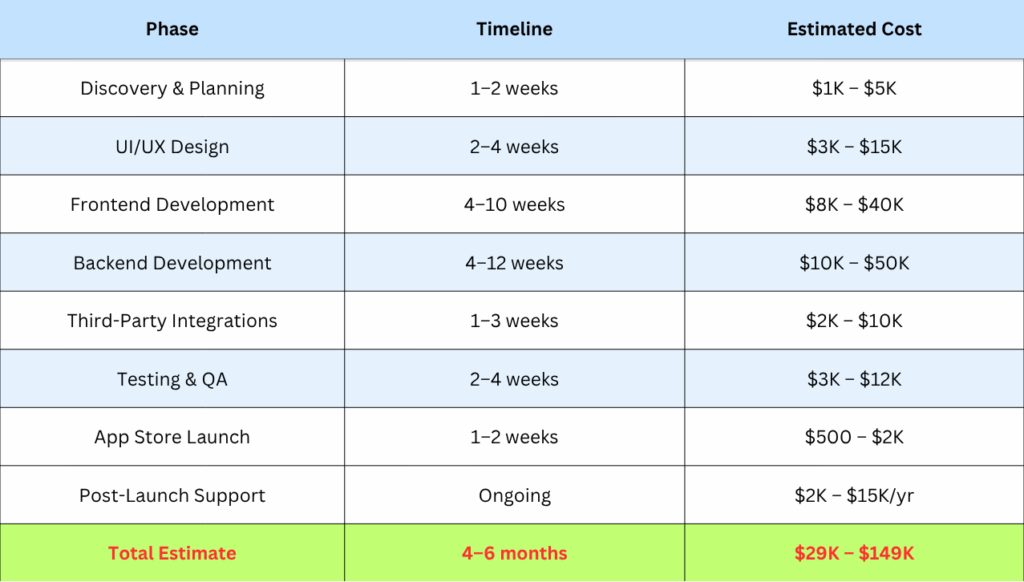
    The cost of AI ​​mobile app development might be between $10,000 and $150,000. App development costs include the complexity of the app and the type of artificial intelligence elements you plan to include.

    For example, a basic app that uses AI for features such as chatbots or product recommendations can cost between $10,000 and $25,000. Mid-level apps that include voice recognition, Natural Language Processing (NLP) or image analysis, usually in the $25,000 to $60,000 range. On the other hand, high level AI apps like real-time data analysis, face identification or integration with AR/VR can be more than $100,000 or more.

    Many factors affect the AI ​​app development costs, including the depth of AI integration. Whether you use pre-informed models or the customized machine learning algorithms, and the platforms you are targeted (iOS, Android or both). Other additional factors to consider are Backend infrastructure, data size and whether your app needs to work in real time. Design complexity, user experience and development team or expertise also plays a major role. To manage costs, many companies start with MVP using the existing AI API before scaling for more advanced abilities.

    How to Calculate App Development Cost?

    Here is the formula to calculate the mobile app development cost is given below;

    Time required to develop an App * Developer’s per hour charge = Total App Development Cost

    Conclusion

    AI in apps is no longer a choice for businesses, it becomes a need. As the user’s expectations increase, AI in mobile app development ensures that your app is intelligent, relevant and future-ready.

    Whether you are a startup founder or a growing business, artificial intelligence app development is one of the most smart decisions you can make. And with the right partner, like Apptechies, you can create AI-driven Android or iOS App that impress your customers. It also gives you an advantage in the digital market. So what are you waiting for? The future of apps is here, and it is powered by AI.

    Frequently Asked Questions 

    Q. What is Meant by AI in Mobile App Development?

    Ans: The Artificial Intelligence in mobile app development to integrate technology such as AI, machine learning, NLP and computer Vision in apps to enable smart features such as privatization, automation and intelligent decisions-making.

    Q. What is the future of AI in mobile application development?

    Ans: The future of AI in mobile apps, prioritize super-personalization, conversational AI, real-time automation, emotion detection and AI-in AR/VR. This will drive futuristic apps that learn, adapt and develop with user behavior.

    Q. What challenges come in adding AI in mobile apps?

    Ans: Common challenges are, high AI app development cost is high, privacy problems, integration complexity, quality datasets and real-time performance without eliminating mobile resources.

    Q. What is the role of artificial intelligence in modern app development?

    Ans: AI plays an important role in enabling intelligent user interaction, automating regular tasks, analyzing user data for insight, increasing security and providing real-time, personal experience.

  • Top 15 Dating Apps in USA | A Complete Guide 2026

    Top 15 Dating Apps in USA | A Complete Guide 2026

    In a world where swiping right can only lead to “the one”, dating apps have become an integral part of American social life. Statista studies says that 60 million of users are using dating apps in the USA. The digital landscape and smartphone addiction is increasing immensely. The popularity of online dating apps in USA continues to increase. According to recent surveys, 30% of American people have used dating sites and apps. And the age of their users is between 18 to 29.

    In addition, the market of US dating apps is set to generate revenues over $3 billion in 2024. By 2027, the worldwide online dating market is anticipated to have grown to a size of over $10 billion. Online dating apps are growing immensely and the cost to build an app can be debatable. Whether you are looking for a lifelong partner or a casual relationship, there are multiple dating apps just for you.

    In this blog, we will explore the 15 best dating apps in the USA for 2026, categorized by user needs, features, and user base. We will also share guidance on choosing the right app and present some dating apps for teens and the elderly. Let’s explore the space of online dating apps and websites!

    What are Dating Applications and Websites?

    Dating Apps and Websites are a digital space that lets people connect socially or romantically. To connect with their ideal match, these platforms use algorithms, location data, interests and user behavior. Dating apps meet many types of needs, from short talks to long-term relationships. If you want to build a dating app like Tinder, you may need to work with a professional mobile app or web app development company. They provide flexibility and scalability to give your dating app a success. Dating apps are available in both free and paid versions. These apps offer various features like unlimited sweeps, advanced filters and prioritized matching.

    List of Top 15 Best Online Dating Apps in USA

    Tinder

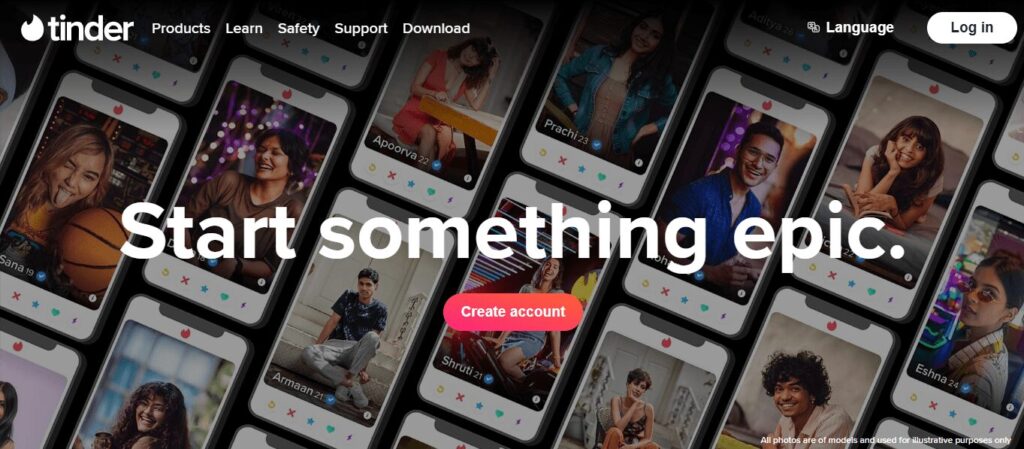
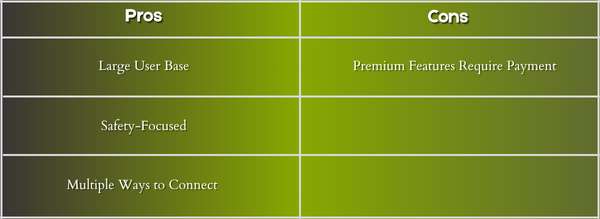
    If you are single and in search of a relationship, or want to start dating or a friendship. Then Tinder is your perfect choice. In Wikipedia it shows, Tinder is one of the most favorite and popular dating app in USA. It was introduced in 2012 and completely changed the dating scene with the help of a smart algorithm and user location. This app is based on swipe-based matching, you can meet new people and make a connection with just a swipe. Tinder offers a fast, exciting and engaging way to explore your best matches. According to the user’s accessibility, interest and preferences, you get your potential match.

    tinder home screen for blog

    What Makes Tinder Unique?

    Tinder is about simplicity and fast connections. You create a profile, add some good pictures, write a bio and start swiping! Its unique features and smart UI/UX design interface. Any users can initiate the conversation, if they match, they can swipe right. Tinder is the top downloaded dating app in the US and has millions of worldwide daily users. 190+ countries are using Tinder, that’s why it is known as the world’s most used dating app.

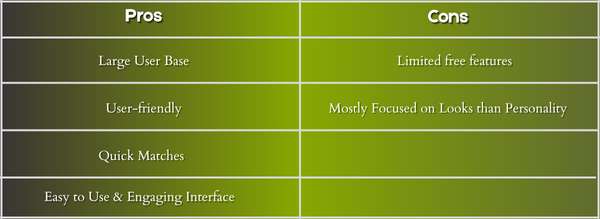
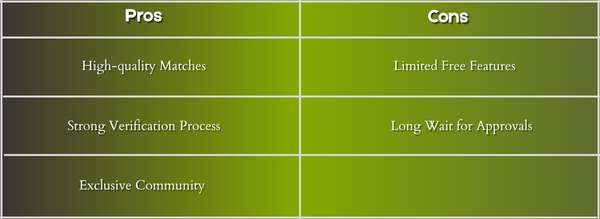
    tinder dating app  pros & cons

    Tinder App Features

    Profile customization, Super Likes, Super Boost, Passport (allows matching with people in different locations), Safety feature, Premium Features (Tinder Gold & Tinder Plus)

    Best Dating App for: People looking for quick or meaningful connections.

    Android: Google Play Store 

    iOS: Apple App Store

    Rating: 4.9/5

    Total Users: Over 100+ Million

    Availability: Android and iOS

    Free Version Available: Yes

    LGBT inclusive: Yes

    Bumble

    Bumble dating app was developed in 2014, because of its gained recognition it came out the best online dating app in USA. It’s not just another dating app, it transformed the online connections due to its exclusive feature. Bumble itself says it is designed to encourage women by initiating the first move in heterosexual matches. Bumble is a multipurpose social media app. In addition to dating, it allows users to find friends and professional connections.

    Bumble home screen for blog

    What Makes Bumble Unique?

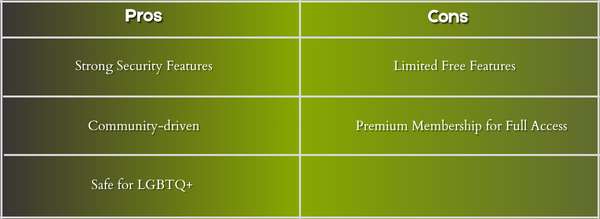
    Bumble gives women more control than other dating apps in USA. It aims to develop deep connections while maintaining safe and respectful interactions. It is also LGBTQ+ inclusive, making it a welcoming space for everyone. Bumble offers every mode for you, whether you are seeking friendship, love or career opportunities.

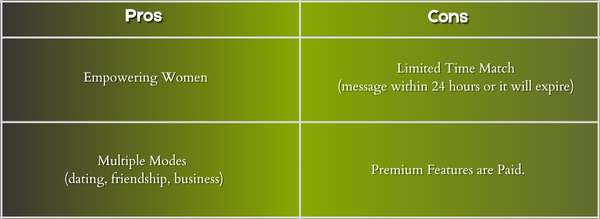
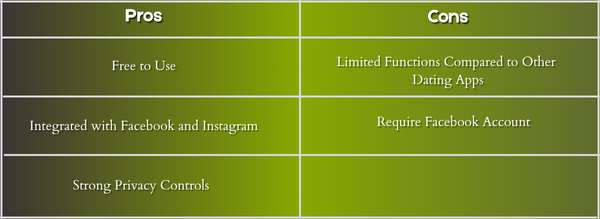
    Bumble dating app pros & cons

    Bumble App Features

    Women First Approach, Bumble Date, Bumble Bff, Bumble Bizz, Verified Profiles, Video Chat, Voice Chat

    Best Dating App for: Women looking for a real connection or job opportunities.

    Android: Google Play Store 

    iOS: Apple App Store

    Rating: 4.8/5

    Total Users: 50+ Million

    Availability: Android and iOS

    Free Version Available: Yes

    LGBTQ+ Inclusive: Yes

    OKCupid

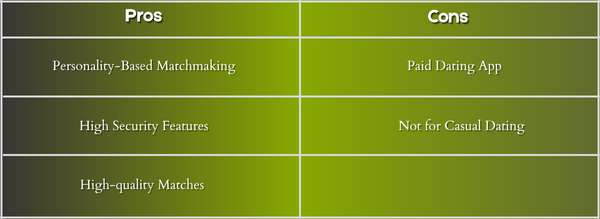
    OkCupid is one of the most famous and top dating apps in USA, it was firstly launched in 2004. The purpose of this dating site and app is to match genuine individuals. This dating app assists users in finding matches based on common interests, values and personality traits. A recent study shows that OkCupid is favorite among millennials with 49% of users of age between 25 to 34. And if you are willing to enter the online dating world and want to launch your dating app you can hire the best mobile app development company. They will help you grow your business to the next level with their custom software development solutions and high-tech features.

    What Makes Unique?

    The OKCupid dating app is perfect for singles who want compatibility, deep connections. This dating site simply connects you with people who match your vibe. OkCupid is not just all about swiping, it brings real and meaningful relationships.

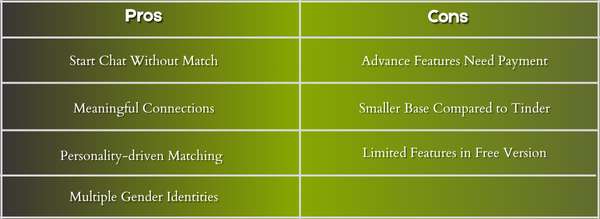
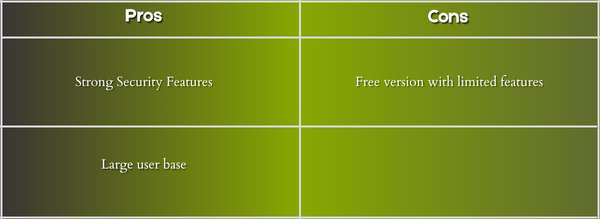
    OKCupid dating app pros & cons

    Features: Detailed profiles, in-depth question and answers, free messaging, compatibility scores.

    Best Dating App for: Millennials, Personality-based matching

    Android: Google Play Store 

    iOS: Apple App Store

    Rating: 4.3/5

    Total Users: 30+ Million

    Availability: Android and iOS

    Version Available: Free/Paid

    LGBTQ+ Inclusive: Yes

    Coffee Meets Bagel

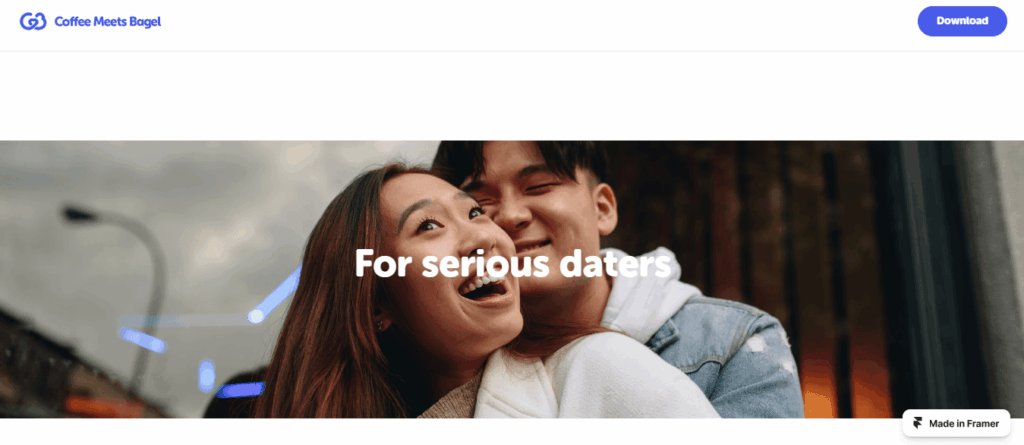
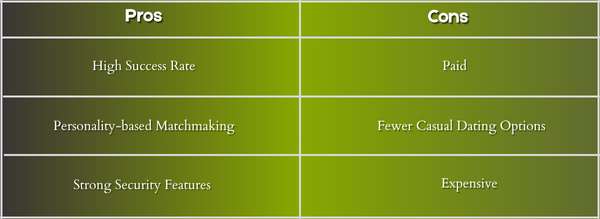
    In Wikipedia it shows that the Coffee Meets Bagel dating app was introduced in 2012. The purpose of this dating app is to assist singles find genuine relationships. Coffee Meets Bagel customized excellent matches based on personality and mutual hobbies.

    cofee meets home screen for blog

    What Makes Coffee Meets Bagel Unique?

    Users can set preferences to find matches that align with their values. Coffee Meets Bagel is among the top dating apps in USA for singles who prefer sustainable relationships instead of casual dating.

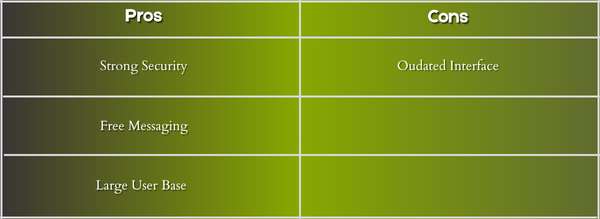
    Coffee Meets Bagel dating app pros & cons

    Features: Daily curated matches, must-have algorithm, prompts, video & chats

    Best Dating App for: Singles looking for real connections

    Android: Google Play Store 

    iOS: Apple App Store

    Rating: 4.0/5

    Total Users: 10M+

    Availability: Android and iOS

    Version Available: Free/Paid

    LGBTQ+ Inclusive: Yes

    Hinge

    Hinge online dating app was introduced in 2012. Hinge dating app itself says that it is “designed to be deleted.” The aim of Hinge dating app or site is to connect people with their ideal match. For singles who want long lasting relationships this dating app is for you.

    hinge home screen for blog

    What Makes Hinge Unique?

    Hinge is very popular in the United States, with 23 million regular users which makes Hinge people’s best choice among the top dating apps in USA. A well-known personality “Pete Buttigieg” found his real connection on Hinge which boosted its reputation.

    Hinge dating app pros & cons

    Features: Voice recording, video chat,

    Best Dating App for: Long-term relationships.

    Android: Google Play Store 

    iOS: Apple App Store

    Rating: 4.2/5

    Total Users: 20+ Million

    Availability: Android and iOS

    Version Available: Free/Paid

    LGBTQ+ Inclusive: Yes

    Happn

    Happn is a unique location-based dating app that helps you get in touch with people you have crossed the track in real life. Unlike traditional sweep-based apps, Happn focuses on interaction in the real world, making it easy to meet people near and far. Happn was developed in 2014 and is also a popular dating app in USA. Available in 40+ countries.

    happn home screen for blog

    What Makes Happn Unique?

    Happn is designed for those who think that love can happen on its own, its a concept of serendipity. This online dating app allows you to connect within your locality or nearby. With over 140 million worldwide users, it’s one of the top dating apps in USA for singles in search of local connections.

    Happn dating apps pros & cons

    Features: Cross Path Matching, Personalized message, Video Chat, Voice Chat, Privacy control, Like & Crush.

    Best Dating App for: Singles looking for real relationships, believe in fate or want to meet people naturally.

    Android: Google Play Store

    iOS: Apple App Store

    Rating: 4.3/5

    Total Users: 140 Million

    Availability: Android and iOS

    Version Available: Free/Paid

    LGBTQ+ Inclusive: Yes

    Grindr

    Grindr is a dating app and social networking site that shows connections based on the user’s location. This app is designed for gay, bisexual, transgender, and queer individuals. Grindr is the first dating app for LGBTQ+ dating that shows matches based on location. It has grown over time and become the largest and most widely used online gay dating mobile app.

    grindr home screen for blog

    What Makes Grindr Unique?

    Grindr stands out among the top dating apps in USA for LGBTQ+ singles, offering instant connections based on proximity. This online dating platform for those searching for friendships, hookups, or serious relationships.

    Grindr dating app pros & cons

    Features: Nearby matches, chats, private album, video calls, incognito mode

    Best Dating App for: LGBTQ+ Singles

    Android: Google Play Store 

    iOS: Apple App Store

    Rating: 4.5/5

    Total Users: 50+ Million

    Availability: Android and iOS

    Version Available: Free/Paid

    LGBTQ+ Inclusive: Yes

    Badoo

    If you want to experience casual dating, serious bonding, love or a new friendship, Badoo makes the dating experience much easier, safe and fun. Badoo was introduced in 2006, and it evolved and became one of the biggest social media and online dating app. This dating site is available in 190+ countries and accessible in 47 languages.

    badoo home screen for blog

    What Makes Badoo Unique?

    Badoo prioritizes real connections and genuine friendships. This dating site allows users to express themselves freely without any hesitation. Badoo mainly focuses on authentic connections with providing a safe, secure and respectful environment. This dating app is best for those who want a relaxed place to interact with people near or far.

    pros & cons of badoo

    Badoo Features: Chat before you match, verified profiles, live video chat, shared interests, deception detector, private detector

    Best Dating App for: Real Connection, Serious Relationships, Deep Friendships or Casual Dating.

    Android: Google Play Store 

    iOS: Apple App Store

    Rating: 4.6/5

    Total Users: 10+ million

    Availability: Android and iOS

    Free Version Available: Yes

    LGBTQ+ Inclusive: Yes

    EliteSingles

    EliteSingles is a premium dating app that was introduced in 2013. This dating app is designed for career-focused and ambitious singles for serious connections. Unlike the random dating apps, it uses a wise matchmaking system based on a personality test to find compatible matches. EliteSingle is USA’s top dating site which brings quality over quantity.

    elitesingle home screen

    What Makes EliteSingles Unique?

    EliteSingles targets professional and aspiring individuals. Best serious dating app for people searching partnerships, commitments and long-term relationships. 85% of users are university educated and if you want to connect like-minded individuals, this app is for you.

    pros & cons of elite single

    Features: Personality test, daily match suggestions, verified profiles, Advance search filters, private messaging

    Best Dating App for: Career-oriented singles, compatible matches, Serious relationships

    Android: Google Play Store

    iOS: Apple App Store

    Rating: 4.1/5

    Total Users: 12+ Million

    Availability: Android and iOS

    Version Available: Free/Paid

    LGBTQ+ Inclusive: Yes

    eHarmony

    eHarmony was founded in 2000, it is listed among the top dating apps in USA. It prefers compatibility and long-term connections. eHarmony uses a scientific matchmaking system to connect according to your compatibility.

    What Makes eHarmony Unique?

    eHarmony is all about to pair with who matches your values, personality and relationship goals. If you are looking for a serious dating app, this app is designed to help you find permanent love.

    pros & cons of eharmony

    Features: Compatibility Quiz, Guided Communication, Video Dating, Personalized Matched List, Verified Profiles.

    Best Dating App for: Serious relationship

    Android: Google Play Store 

    iOS: Apple App Store

    Rating: 4.1/5

    Total Users: 3 Million+

    Availability: Android and iOS

    Version Available: Paid

    LGBTQ+ Inclusive: Yes

    Her

    In 2015, HER dating app was introduced, it is the first dating app and social app exclusively designed for women who are lesbian, bisexual, queer, and non-binary individuals. Unlike mainstream dating apps, HER fosters a safe, inclusive relationship. Her creates a community-driven space and welcoming environment. Where users can connect, build relationships, and engage with LGBTQ+ events and discussions. her home screen for blog

    What Makes Her Unique?

    HER is more than just a dating app, it’s a social platform that connects LGBTQ+ singles in the USA. Among the most widely used online dating apps it has more than 13 million users nationwide, it is one of the most popular women’s favorite dating apps.

    her pros & cons

    Features: Community groups, LGBTQ+ Events, Incognito Mode, Match & Chat

    Best Dating App for: Perfect for LGBTQ+ Singles, Love, Friendship

    Android: Google Play Store 

    iOS: Apple App Store

    Rating: 4.3/5

    Total Users: 5+ Million

    Availability: Android and iOS

    Version Available: Free/Paid

    LGBTQ+ Inclusive: Yes

    The League

    The League is a highly selective dating app and was launched in 2014. This dating app is designed for ambitious, career-driven singles. The League ensures users are educated, successful, and serious about relationships. If you’re tired of endless swiping and want customized matches, this dating app is built for you.

    theleague home screen for blog

    What Makes eHarmony Unique?

    eHarmony is all about to pair with who matches your values, personality and relationship goals. If you are looking for a serious dating app, this app is designed to help you find permanent love.

    pros & cons of the league

    Features: Compatibility Quiz, Guided Communication, Video Dating, Personalized Matched List, Verified Profiles.

    Best Dating App for: Perfect for professional, ambitious individuals finding emotional connections.

    Android: Google Play Store

    iOS: Apple App Store

    Rating: 4.1/5

    Total Users: 500K

    Availability: Android and iOS

    Version Available: Free/Paid

    LGBTQ+ Inclusive: Yes

    Facebook Dating

    Facebook dating is an in-built feature of the Facebook app that helps users find meaningful connections. This app connects people based on shared interests, preferences and mutual friends. Facebook Dating is initially integrated with your existing Facebook profile. This keeps dating life separated from your main account and makes it easier to get in touch with possible matches.

    facebook dating home screen for blog

    What Makes Facebook Dating Unique?

    Facebook is one of the best social media and dating apps in the US for dating single who wants more personal and social prospects for online dating. With its unique features such as Secret Crush and many more. Users can express interest in friends without revealing their identity until there is mutual interest.

    facebook dating pros & cons

    Features: Separate Dating Profiles, Secret Crush, Match suggestion, Instagram Integration, Video & Voice Chat

    Best Dating App for: Singles looking for deep relationships

    Android: Google Play Store

    iOS: Apple App Store

    Rating: 4.5/5

    Total Users:

    Availability: Android and iOS

    Version Available: Free

    LGBTQ+ Inclusive: Yes

    Tantan

    Tantan creates waves in a world of online dating, especially in search of meaningful relationships between singles. Tantan is quickly becoming the most popular dating application in USA. The “Asian Tinder” is another name for the Tantan dating app. This app gives a fun, interactive and safe place for users to meet, chat and build relationships. Whether you are looking for love, friendship or just a random conversation, it becomes easy with Tantan.

    tan tan home screen for blog

    What Makes Tantan Unique?

    Tantan is focused on authenticity and real connections. It’s simply more than a dating app that uses swipes. With advanced photo verification and powerful moderation tools. Tantan ensures that users interact with real profiles, reduce fake accounts and catfishing. This online dating app is accessible in more than 190 countries.

    tan tan pros & cons

    Features: Swipe Match, Live Video Chat, Verified Profiles, Private Mode, Super Like & VIP Membership, Moment feed

    Best Dating App for: Casual dating, flirting, Gen Z, Millennials

    Android: Google Play Store

    iOS: Apple App Store

    Rating: 4.6/5

    Total Users: 50+ Million

    Availability: Android and iOS

    Version Available: Free/Paid

    LGBTQ+ Inclusive: Yes

    Plenty of Fish

    A Plenty of Fish (POF) was founded in 2003, it is among the best dating apps in the United States , which offers an independent and flexible way for a single. Unlike many dating apps, it did not require a match before chatting. POF users allow a message to anyone, making it easier to start interaction and make connections. Whether you are looking for casual dating, serious relationships or just new friendship this dating app is for you.

    plenty of fish dating app home screen for blog

    What Makes Plenty of Fish (POF) Unique?

    POF is recognized for its large user base, with more than 50 million downloads and millions of active users worldwide. This provides detailed profiles so that users can only show their personality beyond images.

    plenty of fish dating app pros & cons

    Features: Swipe match, like, Live streaming, free messaging, personality test

    Best Dating App for: Budget-conscious daters, casual dating, new friendships, variety of dating options

    Android: Google Play Store

    iOS: Apple App Store

    Rating: 3.7.4/5

    Total Users: 50+ Million

    Availability: Android and iOS

    Version Available: Free/Paid

    LGBTQ+ Inclusive: Yes

    How to Choose the Top Online Dating Apps and Sites?

    Choosing the right online dating app or site depends on many factors, including the relationship goals, preferences. Here are some important factors you should consider before choosing a dating app.

    Define Your Dating preferences

    Clear with your preferences, interests or choices while choosing the best dating apps in the USA. If you are in search of casual flirting or dating, then you can go with Tinder or Bumble. For serious relationships you can consider eHarmony and Match.com.

    Check Features & Functionality

    Most of the dating apps in the USA offer different and unique features like free swiping, free messaging, video chat, AI-driven matchmaking, LGBTQ+ friendly or women-first approach dating app (Bumble).

    Check user Reviews & Ratings

    Online free dating apps or paid dating apps with high rankings and positive reviews provide better experience. Check platforms such as PCMag and Forbes Health for expert recommendations

    Safety & Privacy

    Look for online dating apps with strong security measures, such as profile verification and encrypted messages. Best dating apps like Hinge and Bumble prefer the user’s safety.

    Free Vs Paid Options

    Check dating apps are free or paid. Free dating apps offer limited features, whereas paid dating apps offer advanced features. If you are serious about finding a match, it may be worth investing in premium membership.

    Top 5 Best Dating Apps For Teenagers

    It can be difficult to love or even friendship as a teenager. Fortunately, some dating apps are designed for teenagers. These apps provide fun, privacy and suitable connections. These apps will offer age-old, moderated experiences. It stands out in the list of dating apps in United States that allow teens to find matches without compromising security or inclusion. Always remember: The guidance and user awareness are important to make these platforms safe and effective. Here is the list of top dating apps for teens in the US.

    MeetMe

    MeetMe is a social network and online dating app that mixes randomly to chat with live streaming. Although open to users’ 13+, it is more popular with older teens and young adults, who want to flirt, make friends. You can just have a random conversation.

    Meet Me dating app home screen for blog

    Features: Live video chat, Profile creation, direct messaging, location based, virtual gifts

    Meet Me dating app pros & cons

    Best Dating App for: Teenagers, young adults

    Android: Google Play Store

    iOS: Apple App Store

    Rating: 3.5.4/5

    Total Users: 500K

    Availability: Android and iOS

    Version Available: Free/Paid

    LGBTQ+ Inclusive: Yes

    Skout

    The Skout mixes dating and social networks by letting teenagers allow chatting and even livestream. Although used by a comprehensive age limit, it separates teens from adults to ensure safe interaction.

    Skout Dating app home screen

    Features: Live video chat, Profile creation, direct messaging, location based, virtual gifts

    pros & cons of Skout dating app

    Best Dating App for: Teenagers, young adults

    Android: Google Play Store

    iOS: Apple App Store

    Rating: 3.7/5

    Total Users: 50+ Million

    Availability: Android and iOS

    Version Available: Free/Paid

    LGBTQ+ Inclusive: Yes

    Yubo

    Yubo brings a revolution in youth relations with his group. It sounds like a hangout space compared to a traditional dating app. And its focus on real-time interaction helps teens and meet friends organically.

    Yubo home screen for blog

    Features: Real-time video chats, YouTube streaming, topic-based rooms

    Yubo pros & cons

    Best Dating App for: Teenagers, livestreams and group video hangouts

    Android: Google Play Store

    iOS: Apple App Store

    Rating: 4.5/5

    Total Users: 10+ Million

    Availability: Android and iOS

    Version Available: Free

    LGBTQ+ Inclusive: Yes

    Hoop

    Hoop is not your peculiar dating app, it is connected with Snapchat and causes teenagers to meet new people and exchange snap handles. This is a low-pressure method to create new connections and create friendship over time.

    hoop dating app home screen for blogFeatures: Add friends via Snapchat, mutual like system
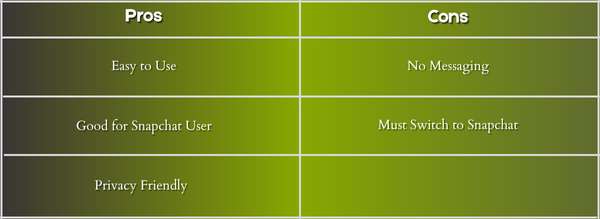
    hoop dating app pro s& cons

    Best Dating App for: Teenagers, Snapchat-based connections, socializing

    Android: Google Play Store

    iOS: Apple App Store

    Rating: 4.0/5

    Total Users: 10+ Million

    Availability: Android and iOS

    Version Available: Free

    LGBTQ+ Inclusive: Yes

    MyLOL

    MyLOL has been around for many years and is especially suited for teenage dating. It provides personal messages, profiles. It also offers moderate platforms to help users interact safely.

    MyLOL dating app home screen for blog

    Features: Private messaging, profile creation, forum.

    MyLOL dating app pro and cons

    Best Dating App for: Teenagers, young adults

    Android: Google Play Store

    iOS: Apple App Store

    Rating: 3.5/5

    Total Users: 3 Million

    Availability: Android and iOS

    Version Available: Free/Paid

    LGBTQ+ Inclusive: Yes

    Best Dating Apps in US for People Over 50

    When you get the right platform according to your lifestyle and goals. Dating after the age of 50 can be quite satisfying. There are many dating apps and websites developed by mobile app development companies.

    These popular dating apps in the United States focus on making meaningful connections for mature singles. These platforms prove that age is actually just a number when it comes to finding love. Whether you are new singles or ready to post the dating world after years, these apps are for you. This dating app is designed to help connect more than 50 in today’s digital scenario.

    OurTime

    OurTime is one of the most reliable dating apps for people over 50. It is specially designed for older adults looking for connection, love or marriage. The interface is simple, making it easier for users who have less interest in technology.

    Our Time dating app home screen

    Android: Google Play Store

    iOS: Apple App Store

    Rating: 4.3./5

    Total Users: 500K

    Availability: Android and iOS

    Version Available: Free/Paid

    LGBTQ+ Inclusive: Yes

    SilverSingles

    SilverSingles online dating app is suited for people who are 50 years of age and older looking for relationships that last. It uses an intelligent matchmaking system based on personality ratings to add compatible users.

    Silver Singles dating apps home screen

    Android: Google Play Store

    iOS: Apple App Store

    Rating: 4.5/5

    Total Users: 50K

    Availability: Android and iOS

    Version Available: Free/Paid

    LGBTQ+ Inclusive: Yes

    Match.com

    Although it is not exclusive to Superiors, Match.com is one of the oldest and most respected dating platforms. The wider profile setup and sophisticated algorithms make it a great place for older adults who want to date with real intentions.

    match.com dating app home screen for blog

    Android: Google Play Store

    iOS: Apple App Store

    Rating: 3.9/5

    Total Users: 10+ Million

    Availability: Android and iOS

    Version Available: Free/Paid

    LGBTQ+ Inclusive: Yes

    Zoozk

    Zoosk is another popular dating app in the United States, widely used by people from all age groups, including seniors. It provides a behavior matchmaking engine that teaches user preferences to provide better matches over time.

    Zoosk dating app home screen for blog

    Android: Google Play Store

    iOS: Apple App Store

    Rating: 4.2/5

    Total Users: 10+ Million

    Availability: Android and iOS

    Version Available:

    Free/Paid

    LGBTQ+ Inclusive: Yes

    Why Partner with Apptechies For Dating App Development in the US?

    If you want to develop dating apps such as Tinder or Hinge? Partner with a trusted mobile app development company in the US such as Apptechies. They are specializing in building high performance, user-friendly, smooth, scalable and best dating apps within your budget. Their highly professional team of mobile app developers ensures that your online dating app is with AI-driven matchmaking, UI/UX design and secure communication.

    They prefer innovation, developing the best dating apps that encourage meaningful connections. They use advanced algorithms and chat features in real time. Their overall approach from the concept to launch guarantees high performance and reliability. Whether you are building a niche-dating app or a widely available platform, collaboration with Apptechies means investing in smart, scalable and user-centric solutions to suit success. They offer an Android app development or iOS app development service or full-stack customized solution as per your needs.

    Wrapping Up

    Online dating has transformed the way people connect. Nowadays, anyone can communicate digitally with their loved ones through one of the best dating apps or sites, matchmaking platforms. To increase their user experience, many dating apps offer several communication features. A well-constructed platform can drive new users, increase your app’s visibility.

    With our complete list of online top dating apps in USA, now you know and can choose from according to your needs. And if you are curious about how to build dating apps, understanding the mobile app development process is essential. It will give the detailed information of the application features and its functionality. Find your ideal match or perfect partner for life with the help of the best dating apps in USA.

    Frequently Asked Questions

    Q. Which Dating App is Mostly Used in the USA?

    Ans: Tinder is still the most popular dating app in the USA, followed by the closeness of Bumble, Hinge, and OkCupid. Tinder’s large user base and simple swipe-based interfaces make it a popular choice among young adults in search of both casual and serious relationships.

    Q. Which is the Most Trusted Dating App?

    Ans: Hinge and eHarmony are considered the most trusted dating apps in the United States. With its complete profiles and prompts, Hinge prioritizes meaningful connections. Whereas eHarmony is well known for its compatibility-based matching system, which is perfect for people looking for long-term relationships.

    Q. Which US Dating App is Free?

    Ans: The most popular dating apps, such as Tinder, Bumble, and OkCupid, are free to download and use. However, they also offer premium plans such as Tinder Plus, Bumble Boost, and OkCupid Premium, including additional features such as unlimited swipes, advanced filters, and boosted profiles.

    Q. How Much Does It Cost To Develop A Dating App?

    Ans: The cost of developing a dating app depends on design complexity, features, and platforms (iOS, Android or both). The average cost of developing a dating app that works well ranges from $ 30,000 to $ 150,000. Advanced apps can cost more with AI matchmaking, geolocation, and chat features. If you want to build a dating app like Tinder, then partnering with a trusted mobile app development company like Apptechis is the best choice.

    Q. How long does it take to build a Dating App?

    Ans: Depending on the size of the dating app, the design and development team, it usually takes 5 to 9 months to develop the dating app. An original MVP (Minimum Viable Product) can be completed in about 4 to 5 months, while a fully functional, scalable app may require up to 9-12 months for full deployment. For those looking for a dating app development company, contact Apptechies, your trusted partner.

  • What is a Startup Accelerator Program? A Complete Guide!

    What is a Startup Accelerator Program? A Complete Guide!

    In the era of AI technology and Startups, having an app idea and launching it must be challenging for every entrepreneur. Many startups need the right development team, guidance, and funding to create a million-dollar mobile app. That’s why you need an accelerator program for startups to grow successfully. There are various accelerator programs for startups to choose from and grow.

    In this blog, we will guide you about what is a Apptechies startup accelerator program, how it works, its key elements, what a startup accelerator program offers, accelerator vs incubator, how to apply for an accelerator program and why a program like Apptechies Accelerator Program might be the right choice for you.

    What is an Accelerator Program? & How Does it Work?

    The business accelerator program is designed to scale entrepreneurs quickly. They provide guidance, mentorship, networking and seed funding for early-stage startups. You will get all the support in exchange for equity, which is up to 20% for the entrepreneurs. This program helps you turn your app idea into a real and scalable business. If you have an amazing app idea and want to develop and need funding to launch, then this Startup Accelerate program is for you.

    How Does it Work?

    Accelerator Programs for startups help you in every segment from idea validation to startup funding.

    Step 1: Idea Validation

    Before you dive into development, it is crucial to validate the start-up app idea to ensure that it has market potential and addresses genuine issues. This phase involves research, reviews, and refinement.

    Step 2: Guidance & Mentorship

    Entrepreneurs gain access to industry experts who provide valuable insights, strategic direction and the right mentorships to navigate the challenges and refine the business model.

    Step 3: One-Page Design & Development Support

    When the app idea is confirmed, Startups receives one-page app design and development support that includes the homepage design of the mobile app and a prototype to demonstrate to investors.

    Step 4: Investor Pitch Support

    Investment preparations are important. The startup receives expert guidance and resources for crafting compelling pitches, helping them effectively communicate their vision and attract investors.

    Step 5: Startup Funding

    After your compelling pitch, you get early-stage funding from the investors in exchange for equity, so you can build your app and grow your business without any delays.

    You can read also: Top 10 Best Startup Accelerator Programs

    Key Element of a Startup Accelerator Program

    Accelerator Program is a launch pad for ambitious startups or entrepreneurs, giving them the necessary resources and guidance to scale their businesses. Here are the key elements that make a startup accelerator program impressive:

    Seed Funding for Startups

    Get initial capital to support the startup ideas with product development, business operations, and early-stage expansion.

    Expert Mentorship

    Get industry expert guidance from the seasoned entrepreneurs and investors who refine your business model, avoid common pitfalls and build powerful strategies.

    Structured Development

    Accelerator provides a well-defined program, which helps to develop the start-up in a systematic way. From product verification to market entrance, structured guidance ensures steady growth.

    Business Guidance

    Startup receives guidance from experts about the market status, branding, development, sales strategies and operational efficiency, which helps them make the right business decisions.

    What Does the Startup Accelerator Program Offer?

    Full UI/UX Design

    Get unlimited screen designs with three modifications to ensure a smooth and user-friendly interface. This helps create an attractive experience for users and enhances the app’s purpose.

    Prototype

    A simulated model of the app’s functionality is created, so that the start-up can test and refine the concept before full development. A test is required for the necessary improvement.

    One Page Website

    One page is designed, specifically the homepage, to display mobile applications, provide necessary information, and attract potential users or investors.

    Marketing Strategy

    In order to ensure efficient outreach and commitment, a detailed performance plan is developed to target the right audience. This includes strategies for branding, advertising and user collections.

    Revenue Model

    A comprehensive search process explains how the app will generate revenue. This includes modification strategies such as membership, advertising or purchase in the app.

    Revenue App Planning/Apply

    The revenue model is integrated into the function of the app, which ensures customized execution for maximum profitability.

    Social Media Profile Setup

    Full Setup of social media profiles to establish online appearance, get in touch with users, and create brand awareness.

    Branding

    The Branding program provides a customized app icon, logo, tagline, color choice and naming (if applicable) to create a strong and recognizable brand identity.

    Pitch Preparation

    Getting investors for your business is tough. Startups receive guidance on the preparation of a compelling pitch for investors, which helps them secure funding for startups and partnerships.

    Funding Cap

    The program provides financial assistance of up to $100K, which helps start-ups cover the necessary costs and accelerate growth.

    Difference between Accelerator and Incubator

    Both an accelerator and an incubator help grow on start-up, but they serve different purposes.

    On the other hand, an accelerator is designed for a startup that already has a product and requires rapid scale. It is an intensive, short-term program (usually a few months) that provides financing, mentorship and investor connections. Accelerators help to grow rapidly and prepare them for investment or market expansion.

    An incubator is like a nutritional environment for startups. This helps founders to refine their ideas, create a business model and develop the product. The incubators usually offer mentorships, networks and resources on a flexible timeline, often for several months or even years. They focus on long-term development instead of rapid scaling.

    You Can Read Also: Top Trending App Ideas for Startups

    How Can You Apply for the Startup Accelerator Program?

    Joining an accelerator program is the smartest move for startups to scale quickly. Here’s a simple step-by-step guide to begin:

    Connect with the Accelerator Program

    Start by researching and reaching the right accelerator that aligns with the vision of your start-up. Many programs have online applications, network events or direct contact options.

    Share Your Startup App Idea

    When connected, present your app idea to the experts of the Accelerator. Highlight your unique price suggestions, market capacity and scalability to create a strong impression.

    Sign the NDA (Non-Disclosure Agreement)

    Before moving forward, securing a mutual NDA for privacy to protect all shared information and your idea from both sides.

    Enroll in Apptechies Accelerator Program

    Secure your place by completing the registration process. Payments are 100% safe and encrypted, often with a money-back guarantee.

    E-Sign Agreement

    Complete your enrollment with a fast and easy e-sign process, and make it official with a few clicks.

    Schedule Meeting

    Kickstart your journey with a scheduled Zoom call, on board within 24-48 hours and discuss your vision with industry experts.

    Why Choose Apptechies Accelerator Program?

    Apptechies is one of the most trusted mobile app development company. They are offering the Apptechies Accelerator Program to support startups or entrepreneurs in launching successful mobile applications by providing strategic guidance, development support, investors for app ideas, brand support, and initial funds. Through their program, startups effectively scaled their businesses and maximized their ability to grow for long-term success. Their Accelerator Program helps you accelerate the growth of your startup business.

    Zero Risk

    If they are unable to secure funding for your startup idea, then you will get your 100% money back without asking anything.

    Investor Coverage

    Get investors for app ideas. They will assist you in getting 80% of the investment from the investors, which helps you reduce financial risk.

    24/7 Support Team

    If you get stuck anywhere or have a question to be answered, their technical assistance is always there for you at any time.

    Custom Solutions

    They provide tailor-made startup strategies that are compatible with your startup requirements for long-term success.

    100% Transparency

    They always deliver what they promise, after all the final discussion about financing and the processes. Only pay what was decided, there will be no hidden charges included.

    Proven Track Record

    With years of experience, they have successfully launched many startups with full-fledged development support.

    Final Thoughts

    Accelerator Programs for startups is a game-changer for startups that want to turn their startup business app idea into reality. This startup accelerator program is for individuals with no prior experience in app development, limited funds, and zero knowledge of pitching or securing investors, but who have a million-dollar app idea. Getting investors for your business is hard, but by choosing the Apptechies Accelerator Program, early-stage startups get everything they have dreamed of, creating a long-term successful business and unlocking unlimited opportunities. And now you are clear about what is a startup accelerator program and why startups need it the most.

    Frequently Asked Questions!

    Q. What is the cost of the Apptechies Accelerator Program?

    Ans: You have to pay $2,999 to enroll in this program. After enrollment, we’ll schedule a meeting and discuss your app idea. We will assist you throughout the process from the concept of the idea to mobile app development and provide funding for startups up to $100K.

    Q. Who Needs a Startup Accelerator Program?

    Ans: The Startup Accelerator Program is for those who need investors, a development team, and industry expert guidance and want to turn their app idea into a profitable business. Startups can enroll for this program and get real-world experience to market their business under the guidance of industry experts.

    Q. How to Find an Investor for your App Idea?

    Ans: To find an investor for your app idea, refine your concept, create an MVP and research potential investors such as angel investors, corporate capitalists, or crowdfunding platforms. Take advantage of a compelling pitch deck, craftsmanship, networking in start-up events and LinkedIn to contact investors. Or you can consider an Apptechies accelerator program for developing, designing, investor pitching, and funding.

    Q. What is the main goal of a Startup Accelerator Program?

    Ans: The main goal of accelerator programs for startups is to provide an accelerator for early-stage entrepreneurs who want to grow. They provide expert guidance, networking opportunities, business development, and funding in exchange for equity.

    Q. How Much Equity Do Investors Take?

    Ans: Equity always depends on the startup stage, scale of the business, industry, and valuation of the company. But if you enroll in the Apptechies Accelerator Program, you will get upto $100K funding in return for upto 20% equity.

    Top 15 Mobile App Development Companies in the USA 2026

  • How to Start a Taxi Business | Complete Guide for Beginners

    How to Start a Taxi Business | Complete Guide for Beginners

    The taxi business remains one of the most practical transportation business opportunities for aspiring entrepreneurs. People need transport every day, whether they are going to work, visiting hospitals, traveling to airports or on a regular basis. According to the Market.us study, the worldwide taxi app industry is expected to grow from USD 238.1 billion in 2023 to USD 468.4 billion by 2033. Because of this consistent demand makes taxi services a stable industry to enter.

    Starting a taxi business does not always require a large fleet or a heavy initial investment. Many successful operators start with a taxi business with one vehicle and gradually expand their business, based on customer needs and operational experience. The most important thing is to choose the right business approach and maintain reliable service quality. For fleet owners, combining traditional operations with digital solutions is an ideal choice. Working with a trusted taxi app development company can help streamline your service, increase customer satisfaction and stay competitive.

    Today, technology plays a major role in transport businesses. Taxi booking apps, GPS navigation systems and digital payment options have improved customer convenience. Entrepreneurs who adopt these technologies can create more competitive taxi services in their local market.

    If you are planning to start a taxi business, it is important to understand the licensing requirements, start-up costs, fleet management, marketing strategies and customer retention methods. Many new entrepreneurs search for taxi business ideas.

    This guide explains the step-by-step process of starting a taxi business and helps you understand how to turn your transportation idea into a profitable venture. Let’s find out how to start a taxi service and what is needed to convert your taxi business into reality!

    What Are the Reasons for Investing in Your Own Taxi Business?

    The worldwide taxi mobile app market size is growing and scaling from 203.16 billion dollars in 2022, up to 618,11 billion dollars by 2031. Urbanization, ease of app and increasing dependence on demand run this remarkable expansion.

    What does that mean to you? This means a huge opportunity to start a taxi business that meets the customers’ needs. Whether you are wondering how to start a taxi service or how can i start my own taxi business, the possibility of profitability is highest.

    Here are the 3 reasons to invest in the Taxi Business are given below:

    High Demand And Market Growth

    The profitable revenue streams and high returns of the global taxi market are expected to hit $274.7 billion by 2027, making it one of the most attractive areas for entrepreneurs. Beyond the standard price, taxi companies can unlock several sources of revenue, including:

    • Prices in High Time
    • Long-term business contract
    • Partnership with local businesses for exclusive passenger services

    With the right strategy, efficient fleet management and targeted marketing, a taxi business can provide a high profit margin and continuous growth, making it an excellent investment.

    Highly Profitable Revenue Potential

    By 2027, the taxi market around the world is expected to increase to $274.7 billion. After a high demand for business owners and investors, with significant earnings in the on-demand, rapidly expanding taxi industry, this expansion provides an important opportunity.

    Taxi companies can generate revenues from different sources in addition to the standard riding price, such as surge prices, corporate contracts and local business alliances. It is a business that can provide benefits for a long time with high profit and long-term benefits.

    Flexibility and Scalability

    One of the plus points of the taxi business industry is its scalability and flexibility. You can start small with just a few vehicles, test the market and fix your services by increasing your services.

    This approach keeps the original costs manageable, giving you room to expand with speed. As demand increases, you can scale your fleet and services, ensuring steady growth in the fast-developing industry.

    Top AI Features Must have in Your Taxi Booking App like Uber & lyft

    How Do You Start Your Own Taxi Business? Step-by-Step guide

    How to start a cab company? What do I need to start a taxi service? or how to start a taxi/cab business with one car? These are the basic questions that every taxi business owner needs to know before stepping into the taxi industry. Here are 15 steps given below that will help you start your business journey carefully, clear your doubts and prevent you from making mistakes.

    In-depth Market Analysis

    One thing that is necessary before considering starting your own cab company is deep market research. The key to success in the ride-hailing and taxi industry is to understand your target market and audience. Finding opportunities and deciding where your services are most necessary is more important than just examining data.

    Begin by defining who your ideal customers are. Ask yourself: Who needs taxi services in your targeted market area? Is there a great demand among passengers, tourists or corporate customers? Understanding your potential customer base helps you tailor your offers to match local needs.

    Then you can evaluate the competition. What are the charges of other taxi companies? What kind of services do they offer? How do they market themselves? What is required to start a taxi business? You can identify gaps in the market by analyzing competitors carefully, whether they provide less expensive trips, better customer service or app-based functions. This insight assists you in growing and personalizing your taxi cab business and standing out in a crowded market.

    Apart from consumer demand and competition, the success of the taxi industry is also affected by the external variables such as rules, seasonal trends, changes in the economy and fuel prices. A strong business plan assesses these variables for long-term stability. The location also matters! Studies and location-based data help indicate high-performance areas and ensure that your business operates where the trip is most necessary.

    Create a Well Defined Plan

    A clear and workable plan is the first step to creating a profitable taxi business. Define your vision, understand what to do to bring it to life, consider all your requirements and complete your homework before hitting the road.

    Your plan should balance profitability with customer satisfaction, but is crucial for long-term development. Remember that a thoughtful business idea will set you apart from the competitors. And to stay ahead, market research is needed. Nothing happens by knowing their rivals, but not knowing that they can cost you everything.

    Competitor Analysis

    Understanding your competition is crucial to starting a successful cab business. Research on local taxi services in your target field to identify your strengths, weaknesses, pricing models and customer responses. This helps you see what works and where there is room for improvement.

    With this insight, you can place your taxi service more strategically, provide better value and stand out in a competitive market. Knowing your competitors and their tactics can help you to make smart decisions, speed up marketing and promote your opportunities for long-term success.

    Choose the Right Vehicle Fleet

    Choosing the right vehicles is an important step in creating a successful taxi business. Think of your targeted customers and their specific transport requirements. Whether it is the standard sedan, hybrid, electric vehicle or available options, you choose cars that are safe, comfortable and fuel-efficient to increase passenger satisfaction and cut operating costs.

    Make sure your fleet is following local rules and safety regulations. Regular maintenance and hygiene are needed to create a reliable brand image and provide a constant positive experience. A well-chosen, well-maintained fleet lays the foundation for long-term success and profitability.

    Choose the Right Model for your Taxi Cab Business

    Planning your taxi business model is an important step towards long-lasting success. Like Uber or Lyft, your primary revenue will come from the riding fee, so start by calculating the average cost per trip. Be sure to include all operating expenses that carry wages, fuel, tax, insurance, vehicle maintenance, rent and technical assistance. Include these factors also, early costs such as the acquisition of fleet, app development, branding and marketing campaigns.

    Remember that it is common for new taxi companies to initially work with losses. Your model should allow for gradual development, with a clear route for profitability, because the customer expands the base. Don’t forget to consider seasonal trends and local demand patterns. A thoughtful business model helps you understand how much capital you need and to score your taxi service.

    Legal Formalities Taxi Cab Business

    It is important to know the legal requirements before you start a cab service. In order to maintain safety and compliance, drivers in each region have their own set of rules related to permits, insurance and background checks. By learning about these rules in advance, you can stay out of problems and win over customer confidence. A safe and comfortable trip is also ensured by following the vehicle and safety rules.

    Beyond legalities, for long-term growth, it is crucial to structure your business properly. Choose a business structure that matches your needs, ensure the required license, and register your company with the right authorities. A well-structured business not only creates reliability but also ensures long-lasting success. To handle these formalities, you will create a professional and legally compliant taxi service. These steps ensure that your taxi service is designed for efficiency, profitability and marketing.

    Driver’s License Needed

    When starting a cab business, you should have a valid driving license of the driver. Each cab driver of your team should have appropriate credentials to legally operate a taxi or Rideshare vehicle. It’s illegal to operate taxi services without a license, it’s a basic requirement. Ensuring that all drivers meet licensing standards is the first step towards a safe and legal operation.

    In addition to having just one license, it is equally important to appoint responsible and qualified drivers. Make sure each driver has a spotless driving record and meets legal age requirements in your area. Prioritizing these factors guarantees that your service will continue to be reliable, professional and trustworthy for passengers. By setting high standards from the beginning, you create a strong reputation and a business that customers can trust.

    Hire and Train a Driver

    In order to run a successful taxi service, hiring drivers and training are required. Look for candidates with a spotless driving record, valid licenses and excellent customer service expertise. Check the background completely to ensure that they are trustworthy and professional. Having a team of skilled and responsible drivers creates a smooth, reliable service that customers can count on.

    After you onboard the right drivers, you should invest in extensive training to refine their skills. Cover safe driving techniques, how to communicate and proper use of taxi apps or transfer systems. Focus on professionalism, steadiness and polite interaction with passengers. Regular performance evaluation and valuable feedback will help improve your cab drivers, strengthen your company’s reputation and promote long-term customer loyalty in the competing taxi industry.

    Create Digital Presence

    Creating a strong digital presence is the key to increasing your taxi service in today’s digital world. A well-designed taxi booking app that shows the fleet, services and contact information helps you establish reliability. By integrating a user-friendly online reservation system make the booking process comfortable, so that customers can plan a ride with a few clicks from their smartphone or computer.

    Beyond a website, social media can be a powerful tool for contacting potential riders, sharing updates and running targeted campaigns. Expanding access to the popular ride-hailing apps can also provide more customers. In addition, you can encourage happy travelers to leave positive reviews- relevant reviews build trust and attract new customers. A solid online appearance not only increases visibility but also sets your taxi business up for long-term success in a competitive market.

    Execute Marketing Strategies

    The secret to improving your taxi business and defeating the competition is effective marketing. Start by understanding your target groups and customizing your services to their needs. Use a mix of digital marketing, social media promotion, local ads and partnerships to maximize your outreach and attract potential customers.

    Increase the visibility with exclusive offers, discounts and referral programs that encourage repeated business. Creating a brand identity for your taxi fleet with a recognizable logo and clear contact information can also elevate awareness. Constantly evaluating your marketing strategies and adjusting them for better performance. A strong brand, excellent customer experience and frequent advertising will ensure long-term success for your cab service.

    Taxi Company Insurance

    Insurance is a basic aspect of running a taxi business, ensuring safety for your fleet, drivers, passengers and overall business. Without appropriate coverage, unexpected events can lead to financial stress and can be disturbed the continuity of the business.

    Start with commercial vehicle insurance, including accidents, injuries and property damage that includes your taxis. Liability insurance is equally important and protecting your business from potential legal actions. If you hire drivers, the compensation for workers ensures coverage for injuries or diseases at work. In addition, extensive insurance provides financial security against theft, destruction and natural disasters.

    To make a strong insurance plan, contact industry experts who can tailor coverage for your specific business needs and local rules. A well-insured taxi company not only operates evenly but also develops trust and confidence with customers and drivers.

    Taxi Company Registration Process

    Registration of taxi operations is an important step to ensure legal compliance and steady operation. Choose the right business structure, whether it is a only owner or a corporation or an LLC, as per your needs. Complete the required registration with local authorities, secure the required license and obtain any permit required to operate legally.

    If you are planning to appoint employees, make sure you complete the tax registration and receive an employer identification number (EIN). Proper registration not only protects your personal property but also increases reliability and creates confidence in customers. In addition, protecting extensive insurance coverage protects your business from unexpected risks, so you can work with confidence. Taking these steps establishes a strong base for long-term success in the taxi industry.

    Boost Your Taxi Business with a Taxi Booking App like Uber

    In today’s competitive market, a well-designed app can revolutionize the way you operate by increasing efficiency and user satisfaction. It is necessary to market your taxi business with a powerful taxi app. With just a few clicks, passengers can easily pick rides and book, with flexible payment options and can track the driver’s location in real-time. The process is seamless and stress-free. A user-friendly app also improves your visibility, attracts more riders and expands your business visibility.

    A taxi app improves operations for drivers by checking the schedule, streamlining the routes and cutting the time of driving, which improves customer satisfaction and service. Cashless payments add security, reducing the risk associated with theft or disputes.

    In addition, access to customer preferences and rush hours helps access valuable data to refine business strategies and streamline operations. Using new technology ensures long-term growth and success for your taxi business, whether you are developing a customized taxi app or collaborating with existing taxi booking app services.

    Monitor & Optimize Operations

    For long-term success, it is important to continuously track and optimize operations. Carefully keep up with important metrics such as revenue, customer satisfaction, driver’s efficiency and fleet maintenance to ensure smooth operation.

    Regularly conducting assessments helps to identify the areas of improvement and cost-saving opportunities. It helps improve transfers, track vehicle movements and enhance booking orders. Collecting customer ratings improves decision-making, leading to a better passenger experience. Industry switch requires continuous innovation and adaptation. From frequent refined procedures, you can build a more efficient, customer-focused taxi service that thrives in a competitive market.

    Market your Taxi Business Professionally

    Effective marketing helps loyal customers secure quickly, so you can expand through offline promotion, digital advertising and referral programs. You do not need the entire internal marketing team initially, outsourcing expertise can be a cost-effective solution.

    To begin with, conduct consumer research to understand the needs of your target group. Where and how to attract and grab attention, and then choose marketing strategies that match your budget. Using a smart, structured plan will help you stand out in your taxi business and will lead to permanent success!

    Expansion and Franchise Opportunities

    When your taxi service blooms, expansion and franchise can open doors for enormous development. Scaling in new cities promotes revenue and improves market presence, but first, you need to do intensive research to ensure demand and profitability.

    Meanwhile, franchising allows you to multiply success without dealing with every detail. By offering franchise opportunities, you give ambitious entrepreneurs to take advantage of your reliable brand, provided business model and support system, and expand your footprint easily.

    However, permanent development begins with a strong foundation and a reliable track record. Fine-tune operation, gain customer loyalty and strengthen your brand identity before taking the next step.

    How Much Does it Cost to Start a Taxi Business?

    So, now you are clear on how to start a taxi business? And your next question is, what is the cost to start a taxi business? Great move! An estimated $378 billion by 2027, with global ride-hailing sales, it’s the right time to step into the taxi industry. But before you step in, let’s talk about money. How much does it really cost to start a taxi business?

    Here is a quick overview of important expenses:

    Initial Investments

    Vehicles- The price of a new car ranges from $20,000 to $35,000 each. You can even start with used vehicles.

    Equipment Meter, GPS, Car Camera; Budget about $1000 to $ 3000 per vehicle.

    License and PermissionDepending on the area, it can range from $ 500 to $ 10,000+.

    Technology The cost of a basic transfer and tracking system is around $ 2000- $ 10,000.

    Operating Expenses

    Fuel– The rise in fuel prices makes it a big cost. Average monthly fuel cost per vehicle: $ 300- $ 600.

    Maintenance and Repair– Budget of $ 1,200 – $ 2500 per year per vehicle.

    Driver’s Salaries– The amount expected to spend $ 2000 to $ 3000/month per driver, whether it’s hourly wages or commission-based.

    Mobile App development

    A fully functional mobile app development is needed in the digital world of today. A basic taxi booking app development cost starts at $10,000, while fully-functional versions can go up to $50,000 or more.

    Branding and Promoting

    To create a logo, website, or mobile app, local advertising costs around $2000 – $5000, which helps to build your brand and attract potential customers.

    Emergency Fund

    Always keep a backup fund, set aside 10% to 15% of the total budget, for unexpected costs.

    Starting a successful cab company usually costs $25,000 to $100,000+ in the base of the scale and city. With smart planning, technical integration, strong branding and a trusted mobile app development company, you can start and achieve success in the taxi industry, These are the requirements to start a taxi business.

    Opportunities and Possibilities in the Taxi Sector

    The taxi business is a booming industry, which offers plenty of opportunities for ambitious entrepreneurs who want to make their identity in the taxi industry. With consumer preferences, advanced technology and new trends, this industry provides tremendous ability to develop and succeed. Dive into some major prospects that influence how tax companies evolve in the future:

    Increasing Demand for Taxi Services

    Urbanization and population growth continuously promote the increasing requirement for reliable transport alternatives. People are constantly at this stage and causing stable demand for taxi services in cities around the world.

    Ride-sharing Revolution

    Traditional taxi services have changed with the popularity of ride-sharing platforms. Entrepreneurs can use this trend by introducing app-based services that provide dynamic prices, easy ordering and improved customer experience.

    Tech-driven Innovation

    Rides think transport is more efficient and practical due to innovations such as mobile apps, GPS tracking and AI-operated booking systems. A taxi company that invests in modern technology attracts more customers and stays ahead in a competitive market.

    Catering for Niche Markets

    Variation is key to success in the taxi industry, not just numbers. Offering special customized taxi services like co-friendly rides, wheel-chair accessible taxis, pet-friendly cabs and premium transportation brings potential revenue for businesses who are willing to tailor their services.

    Tourism and Travel Opportunities

    Cities that attract large tourist populations provide excellent opportunities for taxi services, which are specially designed for travelers. In popular tourist destinations, revenues can be increased through destination-centric transport options, personalized city tours, and transfer services to the airports.

    Franchising for Expansion

    Using franchising to work with a well-known cab company helps to accelerate business expansion. This strategy helps entrepreneurs get a quick start by providing credibility, a reputable company and an integrated support network.

    Multiple Income Sources

    Taxis are eligible for different types of revenue streams besides passenger transportation. Revenue can be further improved through the delivery of packages, participation of restaurant distributions and corporate contracts for employee transport.

    Flexible Business Model

    Entrepreneurs can choose between ownership of a fleet of cabs or collaboration with independent drivers, each business model offering different levels of scalability and investment requirements.

    Global Expansion Options

    With proper branding and operating efficiency, taxi companies can expand internationally. Expanding into new areas provides attractive opportunities for development and international recognition for the company.

    Eco-friendly Transportation Option

    The growing environmental awareness of customers opens the door for long-lasting, permanent taxi services. Companies can become leaders of the industry and attract conscious passengers to the environment by investing in an electric or hybrid fleet.

    Value add in-car services

    From entertainment in the car to Wi-Fi and mobile charging features, adding more elements can increase customers’ satisfaction and help a taxi brand stay ahead in a competitive market.

    The taxi continues to develop the industry, providing endless opportunities for entrepreneurs’ vision, creativity and strategic execution. Those who innovate focus on customer-centric services and utilize techniques that lead to long-term success in this dynamic field. Whether you are launching a new taxi business or scaling an existing one by using these new trends can help you make a profitable and rewarding road.

    Final Thoughts

    How to start a taxi service? Starting a taxi solution can be an exciting and profitable business, especially for those ready to take the necessary risks and with confidence. A well-curated approach can provide the foundation for success, from completing intensive marketing and following legal rules to creating a solid online appearance and implementing effective marketing strategies. Now you know how to start a taxi business.

    To create a successful taxi business, focus on hiring talented drivers, acquiring extensive insurance and optimizing operating efficiency. To stay ahead of this dynamic industry, innovation must be embraced, use trends to develop and search for development opportunities. An important aspect is to choose the right on-demand taxi app development company to create a simple taxi booking app for a better customer experience.


    Taxi App Development Cost in 2026: A Complete Guide

    Frequently Asked Questions

    1. How to start a taxi cab business?

    Ans: The requirements to start a taxi business, you must register with your company, get the necessary license and permits, buy reliable vehicles, or rent and secure commercial insurance. It is also important to hire licensed drivers, determine competitive prices, and use a taxi dispatch system or mobile app.

    Focus on creating an online look with Google Business Profiles and social media marketing to attract riders and customers. Associate with hotels, airports or events to get booking orders. Ensure that your service stands out through security and punctuality, and customer satisfaction.

    2. How to start a taxi business with one car?

    Ans: To start a taxi business with one car, register your business, get a commercial driver’s license (if necessary), secure a taxi permit and buy commercial car insurance for your vehicle. Your car will meet local taxi services, including security checks and branding (such as decals or a meter).

    To find customers, use ride-hailing platforms such as Uber or Lyft, or market your service locally with flyers, social media and a Google business profile. Build customers, be on time and to increase your reputation and eventually expand your fleet to increase your reputation.

    3. How much does it cost to start a business like Uber?

    Ans: Starting a business like Uber can cost more than $100,000 to $1 million, it is based on the scale, location and features you want to include.

    Here is a quick major cost calculation:

    Taxi booking app Development cost (Driver + Rider Apps, Admin Panel): $ 50,000- $ 300,000 +

    Licensing and Legal Fee: $ 10,000- $ 50,000 (different by country/city)

    Marketing and Branding: $ 10,000- $ 100,000+

    Employment and Operations: $ 30,000- $ 200,000 for employees, customer assistance, etc.

    Insurance and Compliance: Varies widely based on the region, area and the fleet size

    To compete with Uber, you will require a strong technical foundation, a scalable riding system, competing prices, local partnerships and a serious marketing budget to attract both riders and drivers. To avoid starting costs and risk, start with a small niche or local focus area. Need a taxi booking app development company? Contact, Apptechies will be there for you.

    4. How does the taxi business work?

    Ans: Taxi businesses work by providing transport services to passengers for a reasonable fee. It usually depends on distance, time or fixed prices. Operators can own a single vehicle or manage a fleet, and the income is earned through daily tours, partnerships or contracts. Drivers either work for a company, rent a taxi or work independently. The company includes licensing, maintenance of vehicles, insurance and customer service. Many taxi services are now upgrading to mobile app to get ride requests and manage operations relevant reviews

  • How Much Does It Cost to Develop an iOS App? | Apptechies

    How Much Does It Cost to Develop an iOS App? | Apptechies

    Are you an entrepreneur or business owner who has decided to choose iOS as an ideal platform for your mobile app development? Choosing iOS is a smart step to reach a premium audience, but before you launch your app, it’s normal to be worried about the iPhone app development costs. The cost of an iOS app ranges from $50,000 to $700,000, mainly depending on its size, design, features, complexity, hours of operation, and many other factors.

    So, don’t take stress too much! We will answer all your questions in detail, from choosing the best iOS app development company to understanding the most important factors that affect your budget. A detailed comparison between Android and iOS app development costs will help you decide the right cost for an iOS app.

    Let’s dive into everything you need to know about the cost before developing an iPhone App!

    Formula for Estimating the Cost of Developing an iPhone App

    Whether you make an iOS app or an Android app, the mobile app development cost always varies depending on various factors like the app size, UI/UX design, features, app complexity level, app category, development team location, and tech stacks.

    Here is the Formula to calculate the iPhone App development cost:

    Cost of iOS App Development: UI/UX design Hours + App Platform + [Hourly Rates of Developers x Development Time]

    With the help of this formula, you will get a rough idea about the cost estimation for developing an iOS app. After your calculation is done, you can negotiate with the companies and easily hire a trusted iOS app development company and deploy your app successfully.

    Key Factors Impacting iOS Development Cost

    The cost of developing an iPhone app includes several factors that affect the app’s total costs and success. It is important to understand different factors when determining your iOS growth costs. There is an overview of all the main aspects here.

    iOS App Size

    When developing any mobile app, the app size matters in deciding the actual cost. As your iOS app size increases, more screens and functions, time, and costs increase. To ensure efficiency, start by validating your app idea and its functionality. This step helps to streamline development, avoid unnecessary complications, and focus on properties that improve the user experience.

    Market research is equally important. Analyze competitors, study user preferences, and identify the feature to improve or hinder the purpose. Pay attention to the trends and normal pain points on the device. Learning from similar apps provides valuable insights, which help you create a prominent product, reduce the development risk.

    In short, Large applications packed with advanced features and extensive content require more developmental time, effort, and resources; a little change makes them more expensive than the standard app.

    On the other hand, small apps with limited functionality are suitable for a small budget, as they require low time to develop and streamlined coding efforts. Strategically, by balancing the app system and using effective coding practices, the app can customize the size that hold the costs.

    ios app development

    Complexity of App Feature

    The complexity of the features of an iOS app directly affects costs. Simple apps, which prefer essential functionality, are more cost-effective and sharp to develop. On the other hand, apps with moderate or complex features require more time, advanced resources and special development efforts, which cost high overall expenses.

    Basic iOS App Features

    Basic apps focus on fundamental features that provide a streamlined user experience. These usually include email or password logging, clean and simple user interfaces. Using standard authentication methods such as core functions, basic display, or easy task. A basic database user is integrated into data storage, and Push Notification helps users stay informed with notifications and updates.

    Medium iOS App Features

    Apps with Medium complexity include more advanced functionalities to increase engagement. This includes biometric login or integration of social media, a customized user interface, and additional features such as messages, search functions and a payment gateway. More sophisticated databases support large datasets, while analyzing User behavior to refine to perform device and customize storage strategies.

    Complex iOS App Features

    High-end iOS apps require advanced functionality and strong backend integration. They have advanced UI/UX design with multi-factor certification, role-based access control, and interactive animation and gesture-based navigation. Complex apps often include real-time collaborative tools, artificial intelligence propaganda, improved reality experience, and spontaneous synchronization with backend systems. Security measures such as data encryption and compliance with industry standards ensure the user’s safety and reliability.

    By choosing carefully the correct convenience complexity level, companies can optimize growth costs when distributing a high-performing iOS app that meets the user’s expectations and is in a competitive market. It is important to balance innovation with a strategic plan and an intensive research budget, which ensures long-term success.

    App Category

    The cost of developing the iOS app varies depending on the app category. Each category comes with its own complexity levels, functions, and expectations of user experience – factors that affect the time and cost of direct development.

    For example, apps such as games or e-commerce apps often include complex designs, complex functionality, and extensive studies, making them more expensive to build. In contrast, simple tools with basic functions usually require a short time and fewer resources, which reduces growth costs.

    Further factors such as third-party integration, compliance with privacy regulations for data, and special development skills can also affect the total cost of an iOS app

    Below you will find an image showing the most popular app categories in the App Store in 2026, as well as the market share.

    Now, here is a broad overview of the costs of iOS app development according to the category

    iOS App Design

    When inspecting “what is the cost to develop an iOS app?”, the most important factor that cannot be ignored is the design and animation of the app. The complexity of UI/UX design, custom images, and motion graphics highly affects the total cost. And it’s natural that the more complex the design, the more investment is required.

    This states that, visually attractive and user-friendly app design not only improves the user experience but also promotes engagement and conversion rates, a smart investment for long-term success.

    Here are the top three iOS apps you should know:

    Wireframing

    It highlights the structure and user flow of the phase app. Tools such as Photoshop, Balsamiq and Marvel are usually used to create wireframes that work and navigation.

    UI Design

    iOS apps usually follow a flat design approach to ensure clean views and a smooth user experience. Unlike Android’s content design, iOS focuses on simplicity with depth and clarity. Learn more in our guide on iOS vs Android app design differences.

    Animation

    Alternatively, animation is important for some app types such as social media, food delivery and games. They add a layer of conversation and can increase the general user experience.

    Below is a comprehensive summary of iOS app development costs based on your design and animation requirements:

    API Integrations

    When you calculate a budget for iOS app development, one of the most important factors is API integration. API (application programming interface) allows your app to interact with the external system for real-time data, payment processing, geo-localization or social media login. Type, volume, and complexity of these integrations can significantly affect total costs.

    API integration cost in iOS App Development

    API integration cost varies depending on several main factors:

    • Number of API: Each new API adds integrated development time and test attempts.
    • Complexity of API: More advanced APIs, such as real-time updates (eg, Stock Tracking, Logistics), require more backend architecture, which increases costs.
    • Customization Requirements: API requires customized workflow, data formatting or extended functions, it takes longer to use and test.
    • The Quality of the Documentation: A poorly documented API slows down the development. Well-documented APIs reduce errors and speed up integration.
    • Ongoing Maintenance and Support: The API may require updates over time to stay compatible with iOS updates or backend changes, leading to recurring costs.

    Example: Integrating a single weather API can cost below $ 500, while integration of a real-time logistics API with custom tracking features can be more than $ 3000.

    Payment Gateway Integration Costs

    For transactions, it is important to handle apps like e-commerce, financial or service-based platform payment gateway integration. Cost payments vary depending on the payment provider, level of security needed, and customization requirements.

    Key Cost Driver

    • Provider Options: Different Gateways offer different price models and features.
    • Transaction Amount: You can qualify for high-volume discounts, but this can increase the total cost.
    • Security compliance: Extra efforts and expenses are required to meet standards such as PCI DSS for secure transactions.
    • Customization: Customizing the payment experience (eg, split payment, membership, tip functionality) increases the complication.
    • Quick transfers: Services such as Apple Pay may charge fees for immediate money transfer.

    Third-party API integration

    • Third-party API integrates the necessary functionalities:
    • Social Login (Facebook, Google, Apple Login)
    • Map and navigation (Google Map, Mapbox)
    • Analytics and Tracking (Firebase, Mix Panal)
    • Chat/Messages (Twilio, Sendbird)
    • Push Notification (OneSignal, Firebase Cloud Messaging)

    Cost Consideration

    Licensing and Usage Fee: Some APIs charge monthly active users or API call volume.

    Customization Needs: Custom UI elements or workflows using these APIs will be added at the time of development.

    Performance Optimization: Developers may need to optimize API calls for better app speed, which includes complications.

    Support and SLA: Premium support options can be expensive, but downtime can reduce the risk.

    Example: Google Maps is free up to 28,000 dynamic map loads per month, but costs start to add up once you load more than that.

    The Firebase is free for basic uses, but scales based on reading, writing, and storage.

    iOS App Maintenance

    Publishing your iOS app in the App Store is an achievement, but the journey does not end there. Maintenance is important to ensure optimal performance and an excellent user experience. It is important to plan for these services after launch, which is correct from the beginning as pa rt of your iPhone app development costs. Proper maintenance keeps your app even and creates long-lasting success.

    Regular Updates

    Apple often rolls out iOS updates. If your app does not hold, it can crash, slow down or stop working completely. Regular updates = a smooth, flawless experience for your users.

    Fixes Bugs

    Bugs can sneak any time. Even after launch, something as small as a third-party update can break your app. Quick resolution keeps users satisfied and ranked high.

    Design Updates

    Design trends change. Fast. If your app sounds old, the user will bounce. Regular UI updates help your app look sharp and modern.

    Development Team Size

    The size of your development team plays a major role in determining the overall cost of iOS app development. A large team can speed up the process, which helps you fulfill the tight deadline, but it often comes with high costs due to coordination and increase in resource requirements. On the other hand, a small team can reduce expenses, but can slow down progress, especially for complex apps. Effective project management needs to create the right balance between speed, skill, and costs.

    Development Team Location

    Where your development team is located has a major impact on prices. In North America or Western Europe, renting developers usually mean high interest rates due to local labor costs. However, your iOS app can reduce the development budget by offering outsourcing skilled talent in areas such as India or Eastern Europe. While local teams offer better real-time cooperation, offshore team requires clear communication, but can significantly reduce the total expenses.

    iOS App Launch

    Deployment of an iOS app in the App Store is an important milestone in the app development. However, it is not as simple as it looks – apps should strictly follow Apple’s guidelines. It is a strict selection process that is often seen as a challenging task by publishing an app in the App Store.

    Hidden iOS App Costs That You Should Know Before Developing the App

    When developing an iOS app, most people focus on actual costs, such as design, development and testing.

    But all expenses are not clear. The hidden cost to develop an iPhone app are often neglected, such as third-party service fees, unexpected design changes or compliance updates.

    If you are not ready, they can crawl into the budget. To help you stay on the field, we have listed these often-ignored costs, so you can avoid the unexpected expense.

    Now, with both significant and hidden costs, you have a complete picture of what you expect.

    Continued decision between platforms? Here’s a quick iOS vs. Android growth cost comparison to help you create a smart, informed option.

    Comprehensive Cost Comparison Between Android & iOS Apps

    Are you thinking about creating an app, but unsure whether to go with Android or iOS? One of the biggest decisive factors is usually growth costs, and yes, there are obvious differences between the two platforms.

    To help you understand this and make wise decisions based on your wants and finances, let’s break it into small segments.

    Cost overview

    On average, the cost to develop an iPhone app is 10% -15% more than an Android app. This is mainly due to the strict policies for Apple and the need for special skills such as Swift or Objective-C. Android provides more flexibility, but it often means more testing and optimization, which can also increase costs based on the complexity of the app.

    App Design

    Designing for iOS is usually simple and a little cheaper. Apple has a more standardized design language, which reduces complexity. On the other hand, Android Design needs to adjust a wide range of screen sizes and equipment, leading to more design functions and potentially high costs.

    Development Tools and Language

    The iOS apps are developed with Swift or Objective-C, and they follow the very specific rules for Apple. This makes an iOS app process even, but may require special developers, which can increase costs. Android apps are made with Java or Kotlin, which provides more flexibility. But with so many Android devices, the app often requires extra adjustments to ensure that it works smoothly in all of them.

    Development Time

    iOS development is usually quick. This is because Apple has limited tools and screen sizes to work with, which simplifies testing and troubleshooting. Android takes more time due to its fragmented unit ecosystem. Developers need to make sure the app works well on many types of phones and tablets.

    App Test Cost

    The test is the place where the Android app can be a little expensive. Since there are many Android devices, you need to test on many screen sizes and OS versions. iOS has a small set of devices, making the test faster and more cost-effective.

    App Store and Release Costs

    To publish an iOS app, Apple charges $ 99 annual developer fees, and their app review process is known to be strict and takes time. Google Play, relatively, only charges a $25 fee once and is usually more flexible with the app approval, which can speed up the launch.

    So, Which is More Budget-Friendly?

    If you are looking for a rapid growth process and a streamlined user experience, iOS may be worth a little higher. But if your goal is to reach a wide, global audience and you are doing well with a long growth cycle, Android can be more cost-effective in the long term.

    Top Tips to Reduce iOS App Development Cost

    So far, it is clear that the development of the iOS app contains many factors that can be quickly added. From design to deployment, each step can affect your budget.

    And yes, seeing all these costs stacked can make it feel heavy.

    But here is good news: There are practical ways to reduce these costs without cutting corners on the quality. Go through some smart strategies to help start your iPhone app in a cost-effective and efficient way.

    Start with a Minimum Viable Product (MVP)

    One of the most effective ways to reduce costs is to produce the minimum viable product (MVP). An MVP is a simplified version of your app that contains only the main features. It is launched to test the user’s interest, collect feedback, and improve your product based on real data. An MVP allows you to validate your app at low risk, as opposed to spending a lot of money. This is a popular method between start-ups and tech companies for a reason – it saves time, money, and what really matters.

    Don’t Leave the App Test

    Whether you are building an app or an MVP with a full specialist, you must never skip the right tests. Many companies rush to launch, for fear that they will fall behind the competition. But ending a complete test can lead to errors, a poor user experience, and later expensive rebirth.

    A smooth, flawless app creates a strong first impression and saves you money on the line. Therefore, invest early in quality assurance. This is less expensive than resolving the issue after launch.

    Consider Outsourcing Your iOS App Development

    Another proven way of reducing the price of iOS app development is through outsourcing. Hiring a dedicated app development company, especially in an area with low prices, can significantly reduce costs without compromising quality.

    Looking for teams that offer end-to-end iOS development, follow a clear process and have experience in distributing high-performance apps. The right partner will help you balance your budget and quality effectively. Cutting corners will not reduce the cost of developing the iOS app. Rather, it needed a clear idea and a smart decision. By leaning with an MVP, making sure your app has been tested well, and an effective development team is outsourcing, you can bring the app’s idea to life without exceeding.

    Why is iOS a Better Choice than Android?

    iOS is often considered a better alternative to Android for many compelling reasons. Users like a smooth and well-balanced experience for their constant connection with Apple products. With features such as iCloud, AirPlay, and Handoff, iOS ensures connection between iPhones, iPads, Macs, and Apple Watches, making it ideal for users who own many Apple products.

    Another reason why iOS is better is its unmatched security and privacy features. Apple App Priority User data protection with regular updates, strong encryption and strict app review processes in the Apple App Store. This makes a safe choice for people concerned about iOS digital security.

    IOS devices also claim outstanding optimization between hardware and software, resulting in performance increases, long battery life, and frequent updates. Unlike Android, which is used by many manufacturers, to ensure iOS unit and quality, is especially operated on Apple devices.

    iOS is known for its premium app ecosystem. Developers often publish apps and updates first on iOS, giving users access to high-quality, innovative applications. If your concern is safety, performance and special app experience, iOS can just be a better option for you.

    How Can Apptechies Help You Develop AI-Powered iOS Apps?

    Apptechies is an iPhone app development company that focuses on creating secure and scalable customized iOS solutions. With a team of experienced iOS developers, we focus on creating applications that allow businesses to stay ahead in a rapidly changing digital world.

    With more than a decade of expertise, Apptechies has successfully completed 1500 projects, supported by 150 highly qualified professionals, and has gained the confidence of 1000 satisfied customers worldwide. This journey reflects the obligation to convert ideas into innovative and practical digital solutions.

    The team specializes in developing customized iOS apps for different applications, which cover video streaming, real-time analysis, route matching, geo-tagging, and more. These apps are designed to meet different industries and mix functionality and innovation to meet unique business requirements. So, if you want to develop your app and need a consultant, discuss with our expert, who will guide you throughout the journey with a customized iOS app solution to succeed.

    Frequently Asked Questions

    Q. Why choose your iPhone apps for business?

    Ans: Choosing your iPhone app for business can have many benefits. The iOS apps are known for their strong security features, continuous performance, and high value access to the user base. Apple users usually show high commitment and consumption behavior, making iOS a strategic platform for companies to target quality user interactions and return on investments. The controlled ecosystem of iOS also makes it easier to maintain app stability and compatibility across devices.

    Q. How long does it take to make an iOS app?

    Ans: A simple app with common features can be completed in two to four months, but advanced design components, third-party integration or more complex apps with unique functionality can take six months or more. which includes phases of planning, designing, developing, testing,g and launching.

    Q. How can I calculate the mobile app development cost?

    Ans: To calculate the cost of a mobile app, consider many factors such as app complexity, design requirements, development hours, team size and location of the development team. Extra costs may include Backend development, third-party API, continuous maintenance and updates. The cost of a simple app can range between $10,000 to $ 30,000, while more complex solutions can exceed $ 700,000. Getting a detailed project scope is the best way to make an accurate estimate.

    By using this formula, you can estimate the price,

    iPhone App Development Cost: UI/UX design Hours + App Platform + [Hourly Rates of Developers x Development Time]

    Q. What are the benefits of developing iOS apps?

    Ans: The benefits of an iOS app include increased data protection, a loyal user base, spontaneous integration with Apple’s ecosystem, and strict review guidelines with a high probability of app store visibility due to increased data protection. IOS also provides better scalability and supports commercial development through reliable performance and access to global markets.

  • What is the Difference Between iOS and Android?

    What is the Difference Between iOS and Android?

    Do you support iPhone or Android? The debate never ends! But if you are trying to choose between the two, we’ve got you covered. iOS and Android influence the market for mobile operating systems. Whether you are trying to create a mobile app or want to buy a new smartphone, understanding the key differences between iOS and Android is essential.

    When developing mobile apps, businesses often consider both platforms to reach a wider audience. For expert mobile app development solutions, consider Apptechies, a leading mobile app development company that provides high-quality app solutions tailored to your business needs. Understanding the iPhone and Android comparison is crucial, as both platforms offer unique advantages.

    In this complete guide, we will discuss the major differences between iPhone and Android, addressing all aspects such as hardware integration, customization, app development security, user experience, and more.

    What is iOS?

    iOS was first introduced in 2007, known for its smooth performance, clean interface and high security. The closed-source iOS operating system was designed specifically for Apple products, including iPhones, iPads, and iPods. iOS offers special features like FaceTime, iMessage, AirDrop, and seamless device connectivity for users within the Apple ecosystem.

    ios

    • Developed in Swift and Objective-C
    • It offers a closed ecosystem, meaning that Apple controls both the hardware and software.
    • iOS updates are released simultaneously to all supported devices.
    • High-quality applications are ensured by strict App Store criteria.

    What is Android?

    On the other hand, Android was developed by Google and introduced in 2008. It is an open-source operating system built on top of the Linux kernel. Although Google owns and maintains it, a variety of manufacturers’ devices, including those from OnePlus, Samsung and Google itself.

    • Developed in Java and Kotlin
    • Open-source it allows customization by manufacturers.
    • Android updates vary depending on the manufacturer and carrier.
    • The Google Play Store has a more accommodating app submission process, leading to a variety of larger apps.

    What Are the Main Key Differences Between Android & iPhone?

    The primary function of both operating systems is to deliver a user-friendly and effective mobile experience. Here are the key differences between iPhone and Android.

    Hardware and Device Selection

    iOS: Only compatible with Apple products. Only iPhones, iPads, and iPod Touches are compatible with iOS. All Apple devices benefit from optimal performance and consistent user experience thanks to this close connection. But it also restricts the style, features and cost of the devices you can choose from.

    Android: Powers a wide variety of gadgets made by many different manufacturers. This gives customers access to an unmatched range of smartphones and tablets at various pricing ranges, screen sizes, camera capabilities, and special features. There is an Android device to fit practically every demand and price range

    Design Philosophy and User Interface

    iOS: Renowned for having an interface that is clean, simple, and user-friendly. using a common design language across all of its services and applications. At Apple, simplicity and usefulness are highly valued. Navigation is typically straightforward and gesture-based. The emphasis is on a seamless and sophisticated experience, usually prioritizing usability above extensive personalization.

    Android: Offers a user interface that is more adaptable and adjustable. While Google offers a basic Android experience, manufacturers frequently apply their own features and unique skins. This enables more personalization, with options for custom launchers, themes, and widgets. However, there are instances where this fragmentation results in inconsistent user experiences across various Android devices.

    App Store and App Availability

    iOS: The App Store is renowned for its strict app review process, which frequently produces safer and better quality apps. Even though there may not be as many applications overall as there are on Android, iOS app development process typically adopts new and creative apps sooner, especially in premium areas. Because iOS has a more cohesive user base and possibly a higher monetization rate in some demographics, developers frequently give it priority.

    App Store and App Availability

    Android: Uploading an app to the Google Play Store is much easier because of its multiple submission methods, it has a greater total number of apps. Although this offers more options, there may be a higher chance of running into subpar or even malicious apps. Nonetheless, Google has been enhancing its Play Store security features on a constant basis. The open nature of Android also makes it possible to sideload programs from sources other than the official app store, which increases flexibility but also raises security concerns.

    Flexibility and Customization

    iOS: Offers limited customization options. While you can personalize your wallpaper and arrange apps on the home screen, deeper system-level modifications are generally not allowed without jailbreaking (which is not officially supported and can void your warranty). Apple prioritizes a consistent and controlled experience over extensive user customization.

    Android: Highly customizable. From widgets and live wallpapers to custom launchers, icon packs, and even other operating system ROMs (for more experienced users), users can customize nearly every element of their device. This flexibility empowers users to tailor their devices to their exact preferences, but can also be overwhelming for less tech-savvy individuals.

    Operating System & Closed vs Open Source Ecosystem

    iOS: Operates within Apple’s closed ecosystem. Although Apple products integrate smoothly (e.g., AirDrop, Handoff), there are instances when interoperability with non-Apple devices and services is less simple.

    Android: Regardless of the manufacturer, Android’s open-source nature promotes more , and Android fosters greater interoperability with a wider range of devices and services, regardless of the manufacturer. It integrates well with Google’s suite of services and often offers more open standards for file sharing and connectivity.

    Privacy and Security

    iOS: Apple has a powerful reputation for privacy and security. Its tight control over software and hardware allows for quicker security updates and a more unified approach to protecting user data. The App Store’s stringent review process also helps to minimize the presence of malicious apps.

    Android: Due to its open nature and the vast number of manufacturers involved, Android has historically faced challenges with security updates, with delays and inconsistencies across different devices. However, Google has made significant strides in recent years with initiatives like Project Treble and increased focus on timely security patches. Privacy features have also been significantly enhanced in recent Android versions, giving users more control over their data.

    Cost and Usability

    iOS: Generally, iPhones are marketed as premium devices that cost more. While Apple from time to time releases more “affordable” models like the iPhone SE, the overall cost of entry into the iOS ecosystem often exceeds.

    Android: Provide a much extensive range of devices across all price ranges, from budget-friendly options to high-performance flagships. This makes smartphones easier to access for a wider worldwide audience.

    Updates and Durability

    iOS: Apple delivers timely and consistent software updates to all compatible iPhone devices. This guarantees that users have access to the newest features and security updates for several years.

    Android: Updates might be more dispersed. While Google produces new Android versions regularly, the manufacturer determines how quickly and which devices will get these updates. While some manufacturers deliver regular updates, others may update older devices more slowly or not at all. However, the most recent updates are usually released first for Google’s Pixel devices

    Ecosystem Development

    iOS: Development for iOS mainly uses Apple’s Swift programming language and Xcode development environment. The strictly controlled ecosystem can make development more efficient and predictable.

    Android: Development for Android mainly uses Java or Kotlin programming languages and Android Studio as the official IDE. The open nature of the platform enables greater freedom but can also cause issues owing to device fragmentation and different hardware capabilities.

    Voice Assistance

    iOS: Features Siri as its integrated voice assistant. Among Siri’s many capabilities are reminders and smart home device management. Additionally, it is deeply ingrained in the iOS environment.

    Android: Features one of the most sophisticated and capable voice assistants on the market is Google Assistant. Its strong integration with Google’s vast knowledge graph and services improves contextual awareness and adaptability.

    Final Thoughts

    In the end, the decision between iOS and Android comes down to personal priorities, needs and taste. iOS app development costs and Android app development costs can vary significantly based on the app’s features, complexity, and design. Every operating system has advantages and disadvantages, there is no one that is objectively “better” than the other.

    iOS may be the ideal choice for you if you value a smooth, easy-to-use, and extremely polished user experience within a strictly regulated environment, place a high priority on security and regular upgrades, and feel at ease with a more carefully chosen range of hardware.

    Frequently Asked Questions

    Q. Which is better, Android or iOS?

    Ans: It all depends on the user’s preferences. Android offers customization and affordability, whereas iOS offers security and optimization.

    Q. Which is more secure, Android or iOS?

    Ans: Due to the strict process of app review and security updates of Apple’s devices, iOS is considered more secure than Android.

    Q. Why do people choose iOS over Android?

    Ans: Many users choose iOS for its simplicity, regular updates, and interconnecting ecosystem.

    Q. Which is the best operating system for gaming?

    Ans: Gaming is supported on both Android and iOS, although iOS frequently receives games earlier because of its better hardware optimization.

    Q. How can I transfer data from iOS to Android?

    Ans: With tools like Google Drive, Move to iOS, or third-party apps you are able to transfer data from iOS to Android.

    Q. Whose Battery life is Better, iOS or Android?

    Ans: Basically, depending on the specific device, battery life matters, although Android phones often have larger batteries.

  • How to Create an iOS App That Works With MacOS Smoothly?

    How to Create an iOS App That Works With MacOS Smoothly?

    The world of app development industry is changing quickly, and since Apple’s ecosystem is getting more integrated than ever, ensuring your iOS app runs smoothly on macOS is a game-changer.

    In this guide, we’ll break down everything you need to know about developing an iOS app that works smoothly on macOS. Whether you’re a startup, a business owner, or an independent developer, you’ll gain valuable insights to make your app future-proof. and if you are looking for expert assistance, an iOS app development company in USA can help you create a powerful app tailored to your needs.

    Basic Requirements to Develop iOS Apps

    Before you start building an iOS app for macOS, you need to know these fundamental requirements:

    • Mac computer: Need a Mac running the latest macOS version.
    • Xcode: Apple’s integrated development environment (IDE) for developing iOS and macOS apps.
    • Swift Programming Language: The preferred language for iOS/macOS development.
    • Developer Account: An Apple Developer account is necessary to test and distribute your app.
    • Understanding of Apple’s Human Interface Guidelines (HIG): Ensuring your app meets Apple’s UI/UX

    Why Build an iOS App for macOS?

    Before diving into technicalities, let’s address the big question: Why should you optimize your iOS app for macOS? The answer is simple: expanding reach and usability.

    Apple Silicon Compatibility- With M1, M2, and the latest M3 chips, macOS can now run iOS apps natively, making it a prime opportunity for developers to cater to Mac users.

    iOS App Development- Step by Step Guide for Beginners

    Choose the Right Development Approach

    You have a few options when your iOS app works on macOS:

    • Mac Catalyst: Apple’s Mac Catalyst technology allows you to take an iPad application and bring it to macOS with micro adjustments.
    • SwiftUI: Apple’s modern UI framework lets you create applications that work across different Apple devices.
    • Universal Apps: Develop a single app that runs on both iOS and macOS with shared codebases.

    For most developers, using Mac Catalyst is the simplest way to port an iOS app to macOS without rewriting it from scratch.

    Learn the Basics of Swift

    Learning the basics of Swift is crucial. It is Apple’s powerful programming language that enables developers to build fast, secure, and efficient apps. Here are some essential concepts to grasp;

    • Variables and constants: Understanding how to store data efficiently.
    • Functions and Methods: Building reusable blocks of code.
    • Optional: Handling nil value to prevent crashes
    • Closures: Writing concise, readable code.
    • SwiftUI: creating a user interface that adapts to different Apple devices, including macOS

    Even if you are not coding that app yourself, having basic knowledge can help you communicate better with your development team.

    Optimize Your App’s UI/UX for macOS

    An iOS app’s interface is designed for touchscreens, while macOS apps rely on keyboard and mouse interactions. Here’s how you can make your UI macOS-friendly

    • Modify Navigation: Ensure menus, buttons, and interactions work well with keywords and trackpad
    • Adjust Layouts: Adapt elements for larger screens and different aspect ratios.
    • Add Keywords Shortcuts: macOS users love shortcuts- integrating them enhances usability.
    • Enhance Drag and Drop Support: Users expect seamless file management on macOS

    Implement Apple’s Handoff & Continuity Features

    The smooth integration of Apple’s ecosystem is one of its best features. Continuity Camera, Universal Clipboard, and Handoff allow your users to transfer between devices with ease.

    For example, a user might start filling out a form on their iPhone and finish it on their Mac without losing progress. By including these functionalities, your software becomes more functional on all Apple devices.

    Leverage macOS-Specific Capabilities

    A great iOS app optimized for macOS should use macOS-specific functionalities like:

    • Resizable Windows: Allow users to adjust the app’s window size dynamically
    • Dark Mode Support: Ensure your app supports macOS’s system-wide dark mode.
    • Multi-Window Capabilities: Unlike iPhones, Mac users expect multiple windows for productivity.

    Menu Bar Integration: Add essential features to the Mac’s menu bar for quick access.

    Optimize Performance for macOS

    Performance expectations differ between mobile and desktop users. Here are some tips to make sure your app functions properly:

    • Ensure Compatibility with Apple Silicon: Apple’s latest M1 and M2 chips are powerful but require optimization for the best performance.
    • Reduce Power Consumption: Optimize background tasks to prevent unnecessary battery drain.
    • Improve File System Handling: Macs have a more complex file system than iOS, so ensure smooth file operations.
    • Memory Management: Desktop applications should efficiently handle RAM to avoid performance slowdowns.

    Test, Debug, and Optimize

    Testing is crucial before launching your iOS app on macOS. Use their tools:

    • Xcode Simulator: Test your app on different macOS versions without needing a physical Mac.
    • Profiling Tools: Apple’s Instruments tools are used to track performance, memory usage, and battery consumption.
    • Beta Testing: Get feedback from macOS users through TestFlight or private beta releases.
    • Crash Analytics: Use platforms like Firebase or Apple’s built-in crash reporting to catch and fix bugs.

    Deploy and Market Your macOS-Compliant app

    • Submit to the Mac App Store: Ensure your app meets Apple’s guidelines for macOS apps.
    • Optimize Your App Store Listing: Make use of an attention-grabbing description, targeted keywords, and high-quality screenshots.
    • Promote Cross-Platform Compatibility: Highlighted the feature, showing how users can switch between iOS and macOS smoothly.
    • Use ASO (App Store Optimization): Optimize keywords like app development company, Mac Catalyst apps, and cross-platform Apple apps.

    How Much Does It Cost to Build an iOS App?

    The cost of building an iOS app depends on various factors such as:

    App Complexity

    • Basic Apps: $10,000-$30,000
    • Average Apps: $30,000-$100,000
    • Complex Apps (AI, AR, real-time data processing): $100,000-$500,00+

    Development Team

    • Freelancers: $30-$150 per hour
    • App Development Companies: $75-$250 per hour
    • Elite Companies: $200-$500 per hour

    Additional Costs

    • App Store Fee: $99/year for individual developers
    • Marketing & user acquisition
    • Post-launch maintenance

    Final Thoughts

    Building an iOS app that works smoothly on macOS is an exciting opportunity to expand your app’s reach and functionality. With the right approach using Swift, Mac Catalyst, and optimizing for macOS, you can create a powerful app that enhances user experiences across multiple devices.

    Frequently Asked Questions

    Q. Can all iOS apps run on macOS?

    Ans. Not, automatically, do Apps need optimization using Mac Catalyst or specific macOS development adjustments.

    Q. Do I need a separate app for macOS?

    Ans. Not necessarily. You can use Mac Catalyst to adapt your iOS app to Mac with minimal code changes.

    Q. Is Swift the only language for iOS/macOS development?

    Ans. NO, but it is the preferred and most efficient language for Apple development. You can also use Objective-C, but Swift is more modern and widely used.

    Q. How much time does it take to develop an iOS app that works on macOS?

    Ans. Development time totally depends on complexity, team size, and features. Simple apps take 3-6 months, as compared to complex apps, it can take 12 months or more.

    Q. What is the best way to ensure my app runs smoothly on macOS?

    Ans. Use adaptive layouts, optimize for macOS-specific features, test thoroughly, and consider working with an iOS app development company in the USA.

    Q. How hard is it to learn iOS development?

    Ans. Although learning iOS development can be challenging at first, it is quite possible with the help of resources like Swift Playgrounds, Apple’s Developer site, and online courses.


    Benefits of White Label Application Development in 2026